

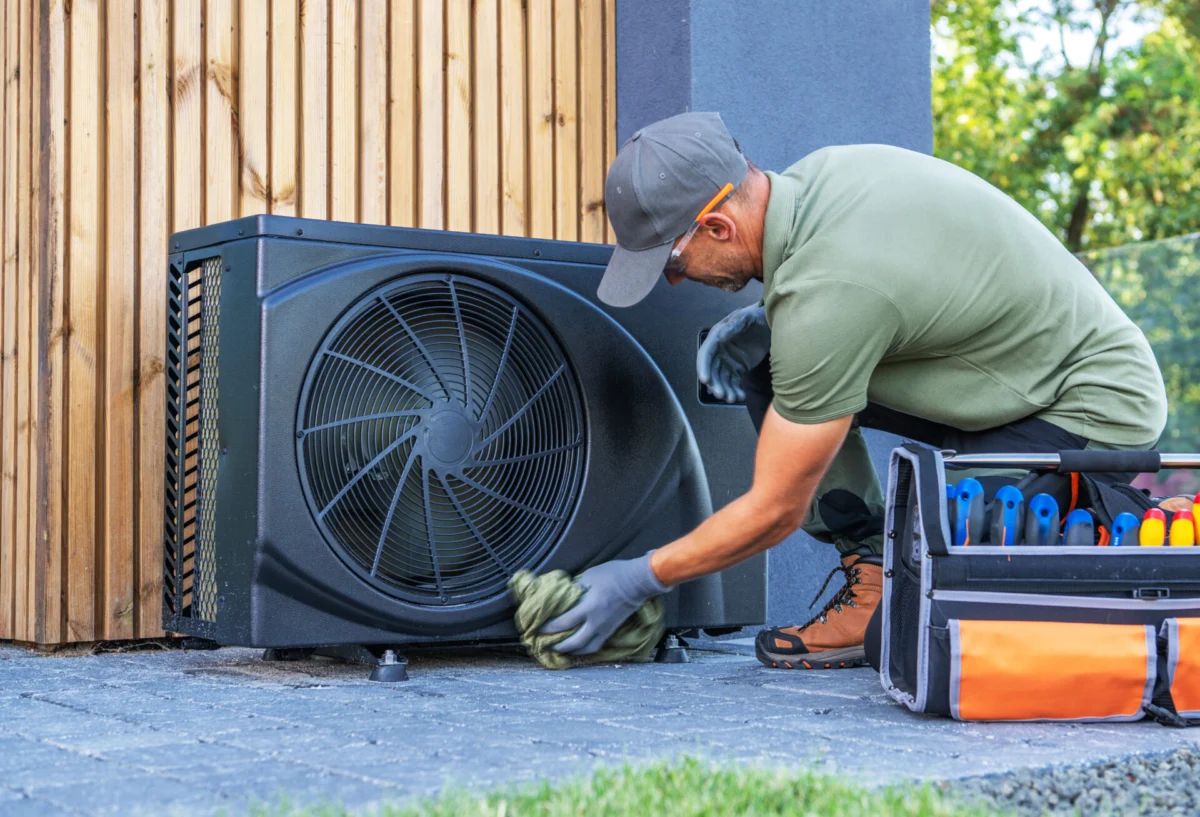
For many homeowners, the heat pump is the backbone of residential climate control. By leveraging the principles of thermodynamics to move heat rather than generate it, these systems offer a highly efficient way to keep homes cozy in the winter and cool in the summer. However, as temperatures plummet, homeowners often encounter a phenomenon that causes alarm: the "defrost mode."
While it may seem like a malfunction—especially when you notice your unit blowing cold air or emitting steam on a freezing day—defrost mode is an essential, automatic feature designed to protect your investment and maintain performance. This guide explores the mechanics of the defrost cycle, how to distinguish normal operation from mechanical failure, and how to keep your HVAC system running at peak efficiency.
Main Facts: What Is Defrost Mode?
At its core, a heat pump functions by using refrigerant to transfer heat between the indoors and outdoors. In the winter, the unit extracts thermal energy from the cold outside air and pumps it into your home.
The "defrost mode" is a self-maintenance feature. When the outdoor temperature drops, the moisture in the air often settles on the heat pump’s outdoor coils. Because these coils are operating at freezing temperatures to extract heat, that moisture turns into frost or ice. If left to accumulate, this ice acts as an insulator, preventing the system from absorbing heat effectively and potentially damaging the internal components.
When the system’s sensors detect a specific threshold of frost, it initiates the defrost cycle. The unit temporarily reverses its operation—effectively switching to air conditioning mode—to send hot refrigerant through the outdoor coils, melting the ice. Once the frost is gone, the system automatically reverts to its heating cycle.
The Chronology of a Defrost Cycle
Understanding the lifecycle of a defrost event can help you avoid unnecessary service calls. A standard cycle typically follows this sequence:

- Frost Accumulation: As the heat pump runs during cold, damp weather, moisture begins to coat the outdoor fins and coils.
- Sensor Detection: Modern heat pumps utilize temperature and pressure sensors to monitor the state of the coils. Once the sensors detect a buildup that impedes airflow, they signal the control board to initiate a defrost.
- The Reversal: The reversing valve shifts, and the outdoor fan may shut off to help the coils heat up more quickly. The system begins pumping heat into the outdoor unit rather than your home.
- The Melt: The ice on the coils turns into water, which then drains away or evaporates. It is common to see steam rising from the unit during this phase, which is a sign of successful heat exchange.
- Auxiliary Activation: Because the unit is momentarily pulling heat away from your home, the system’s auxiliary or "emergency" heat (often electric heat strips) may kick in to ensure your indoor temperature remains stable.
- Cycle Completion: Once the sensors detect that the coils are clear, the unit shifts back to heating mode. The auxiliary heat turns off, and the fan resumes its normal operation.
This entire process usually lasts between five and 15 minutes. In frigid, humid conditions, this cycle may repeat every 30 to 90 minutes.
Supporting Data: Costs and System Longevity
Investing in a high-quality HVAC system is a significant financial commitment. According to industry data, the cost of an HVAC replacement typically ranges from $5,540 to $10,980, depending on the size of the home and the efficiency rating of the unit. Specifically, heat pump installations average between $5,800 and $7,500.
Because these systems are significant investments, protecting them through proper defrost cycles is vital. Neglecting to clear debris or ignoring a system that stays stuck in defrost mode can lead to premature failure of the compressor—the most expensive part of your unit to replace.
| Service Type | Estimated Cost Range |
|---|---|
| HVAC Installation | $5,540 – $10,980 |
| Furnace Replacement | $4,000 – $7,000 |
| Heat Pump Installation | $5,800 – $7,500 |
Note: Prices include labor, removal of old equipment, and installation. Always seek multiple quotes from licensed professionals.
Official Perspectives and Expert Insight
We spoke with industry experts to gain clarity on why this process is misunderstood by so many homeowners.
"Even when it’s cold outside, a heat pump extracts heat from the outdoor air to warm your home," explains Danny Pen, president of New Era Plumbing & HVAC. "When the weather is damp and extremely cold, moisture in the air collects on the outdoor coils and freezes. Frost on the coils is a completely normal thing for a heat pump in winter, and defrost mode turns on automatically to melt that frost and keep the system running."

Pen compares the process to the automatic defrost cycle in a standard kitchen refrigerator, noting that it is a preventative measure rather than a failure.
Omero Flores, CEO of American AC & Heating, adds context regarding efficiency: "Heat pump defrost mode is necessary but can temporarily reduce efficiency because the system switches to a backup heat source to prevent freezing. However, it’s still more efficient than older oil or gas systems, especially when combined with a modern thermostat and proper maintenance."
Implications of Defrost Failures
While a working defrost cycle is a sign of a healthy system, a malfunctioning one can be detrimental. You should be concerned if you notice:
- Continuous Defrosting: If your unit seems to be in defrost mode for hours at a time, or cycles into it every few minutes, there may be a faulty sensor or a control board error.
- Persistent Ice Buildup: If the coils are encased in a thick layer of ice that never melts, even when the unit is running, the defrost system has failed.
- Unusual Noises: A healthy defrost cycle might make a "whoosh" sound as the valve switches, but loud grinding or banging indicates a mechanical problem.
- Excessive Energy Bills: If your system is failing to defrost, the compressor works harder to overcome the ice insulation, leading to a significant spike in your electricity usage.
Potential Causes for Malfunction
- Faulty Defrost Sensor/Thermostat: If the sensor cannot read the coil temperature correctly, it may never trigger the cycle.
- Low Refrigerant Levels: A leak in the system reduces the heat exchange capability, leading to uneven cooling/heating and ice buildup.
- Broken Fan Motor: If the outdoor fan fails, the system cannot move enough air to function properly.
- Control Board Failure: The "brain" of the unit may not be sending the signal to reverse the cycle.
Preventing Problems: Best Practices for Homeowners
Maintenance is the best defense against major HVAC repairs. You can take several proactive steps to ensure your heat pump functions correctly through the winter:
- Clear the Perimeter: Ensure there is at least two feet of clearance around your outdoor unit. Remove fallen leaves, overgrown shrubs, and grass clippings.
- Shield from Elements: While you should never cover the unit entirely—as it needs to pull air to function—you can install a snow shield or place it under a deck or eaves to prevent heavy snow buildup on the top of the unit.
- Professional Inspections: Schedule a tune-up annually, ideally before the cold season begins. A technician will check the refrigerant levels, clean the coils, and test the sensors to ensure the defrost board is functioning.
- Monitor Performance: Get to know your system. If you hear it running constantly or notice your home isn’t reaching the set temperature, don’t wait for a total breakdown to call a professional.
Frequently Asked Questions (FAQs)
Q: Why is my heat pump blowing cold air in the winter?
A: This is usually the telltale sign of the defrost cycle. Because the unit reverses its operation to heat the outdoor coils, it may temporarily blow cool air into your home. This should be brief. If it persists, call a professional.
Q: Can I manually trigger the defrost mode?
A: While some units have a manual override, we strongly advise against it. Manual triggering can lead to pressure spikes if the system isn’t ready. Always let a licensed HVAC technician perform diagnostics.

Q: Is it bad if frost is building up on my heat pump?
A: A light coating of frost is normal. A thick, solid layer of ice that persists is a sign of a malfunction. If the unit is "frozen solid," turn it off and call for service immediately to prevent compressor damage.
Q: Are there tax credits for upgrading my HVAC system?
A: Yes. Many local and federal programs offer tax incentives for installing high-efficiency heat pumps. Always ask your contractor about current rebates and energy-efficiency credits during the quote process.
Final Thoughts
The heat pump is a sophisticated piece of technology that offers remarkable comfort and energy savings, provided it is treated with care. The defrost cycle is an integral part of this system’s operation—a small, automated sacrifice of temporary heat that ensures your home stays warm throughout the coldest months of the year.
By staying vigilant, keeping your outdoor unit free of obstructions, and scheduling routine professional maintenance, you can ensure that your HVAC system remains a reliable comfort provider for years to come. If you ever suspect that your unit is struggling to clear itself of ice, do not hesitate to contact a professional. Addressing a minor sensor issue today is significantly cheaper than replacing a compressor tomorrow.
