

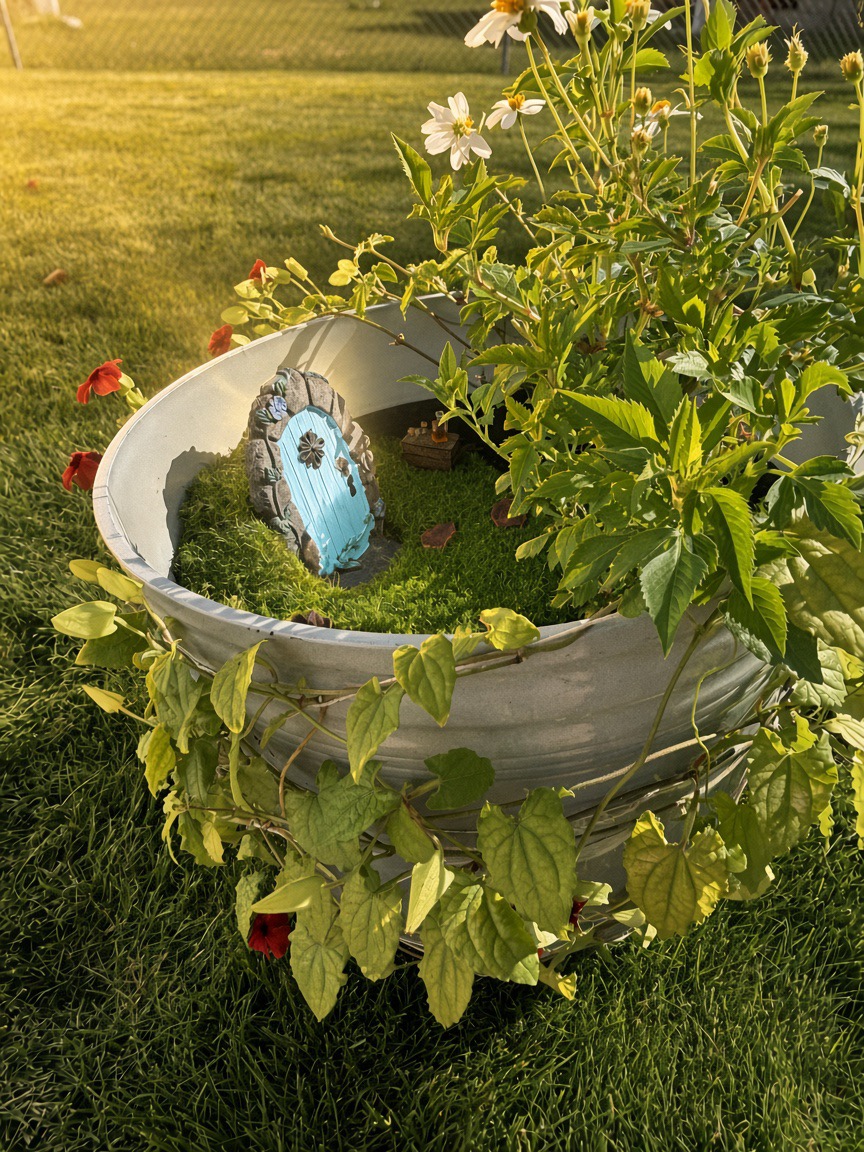
In the sprawling, rugged landscapes of Billings, Montana, where the climate often poses a formidable challenge to even the most seasoned horticulturists, a unique form of "micro-gardening" has emerged. Taylor, a lifelong resident with ancestral ties to the prehistoric soil of the region, has transformed a standard round white planter into a sophisticated, miniature narrative piece: "The Juice Joint." This 1930s-inspired fairy speakeasy is more than just a decorative arrangement; it is an immersive, living art installation that captures the intersection of botanical patience and whimsical storytelling.
The Genesis of a Miniature World
For Taylor, gardening is a hereditary passion, a trait passed down through generations of Montanans who have learned to cultivate life amidst the state’s challenging, short-lived growing seasons. The project began as a mental exercise—a way to reconcile the brief, fleeting nature of the local summer with the desire to build something enduring.
"The growing season is unfair but nevertheless rewarding," Taylor notes. "You treasure each new moment, knowing that the countdown to the end started the second you thought about beginning."
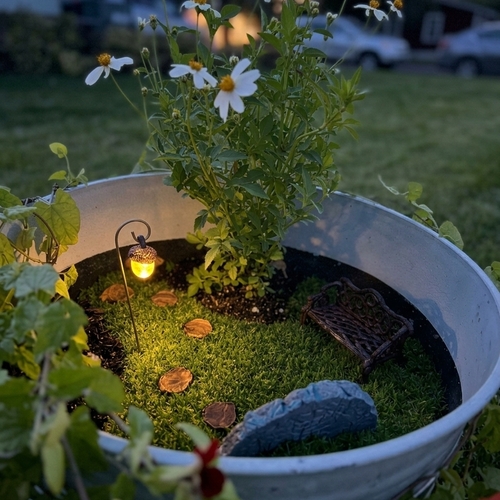
The concept for the Juice Joint began to take root at the first sight of a lilac bud. What followed was a negotiation of logistics, maintenance, and creative vision. Securing the necessary permission from her parents—and pledging to return every Friday for rigorous upkeep—Taylor embarked on a four-month odyssey of cultivation and construction. The objective was clear: to build a structure that felt as though it had been discovered, rather than manufactured, hidden within the lush, mossy confines of a planter.
A Chronology of Construction
The creation of the Juice Joint was not a weekend project; it was a seasonal commitment that required precise botanical timing and structural planning.
- Phase I: Planning and Procurement (Early Spring): Following the sighting of the first lilac buds, the design phase commenced. The goal was to establish a theme that balanced the aesthetic of the 1930s with the constraints of a small, contained ecosystem.
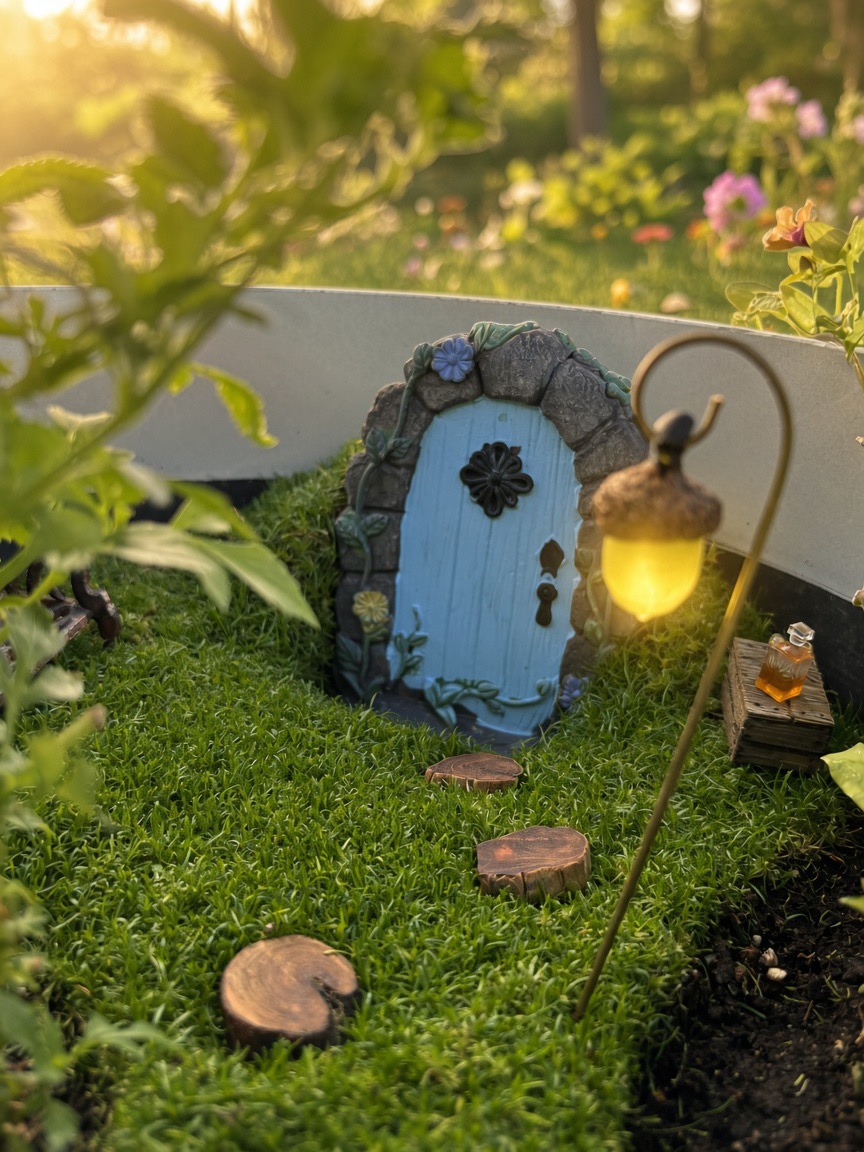
- Phase II: Structural Foundation (Late Spring): The "blue arched door" served as the anchor for the entire project. Set within a meticulously placed stone frame, the entrance was designed to be engulfed by moss, creating the illusion of a structure that had been part of the hillside for decades.
- Phase III: The "Four-Month" Cultivation: Throughout the summer, the garden required constant intervention. Taylor diligently trimmed and guided the plant growth to ensure that the "Juice Joint" felt overgrown and established rather than sparse. This involved weekly maintenance trips to ensure the moss remained vibrant and the miniature architectural elements remained in place.
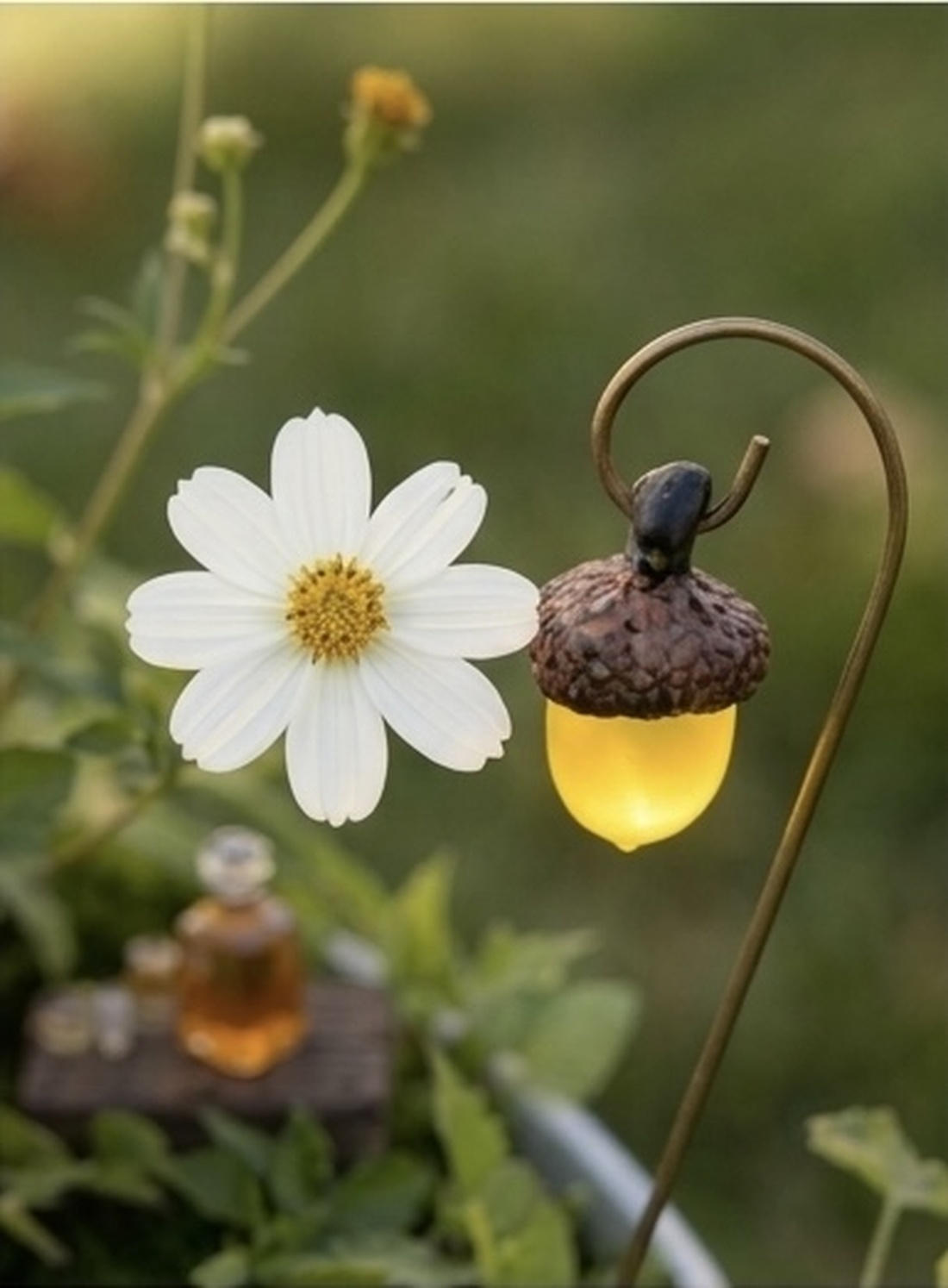
- Phase IV: Finishing Touches (Late Summer): As the season reached its peak, the final decorative elements—the acorn lantern, the rusted bench, and the signage—were added. The result was a space that felt both historically accurate in its theme and entirely magical in its execution.
Supporting Data: The Anatomy of a Speakeasy
The success of the Juice Joint lies in the details. Each element is scaled to invite the viewer into a narrative, forcing them to adopt a perspective that honors the "tiny world" Taylor has curated.
Architectural Nuance
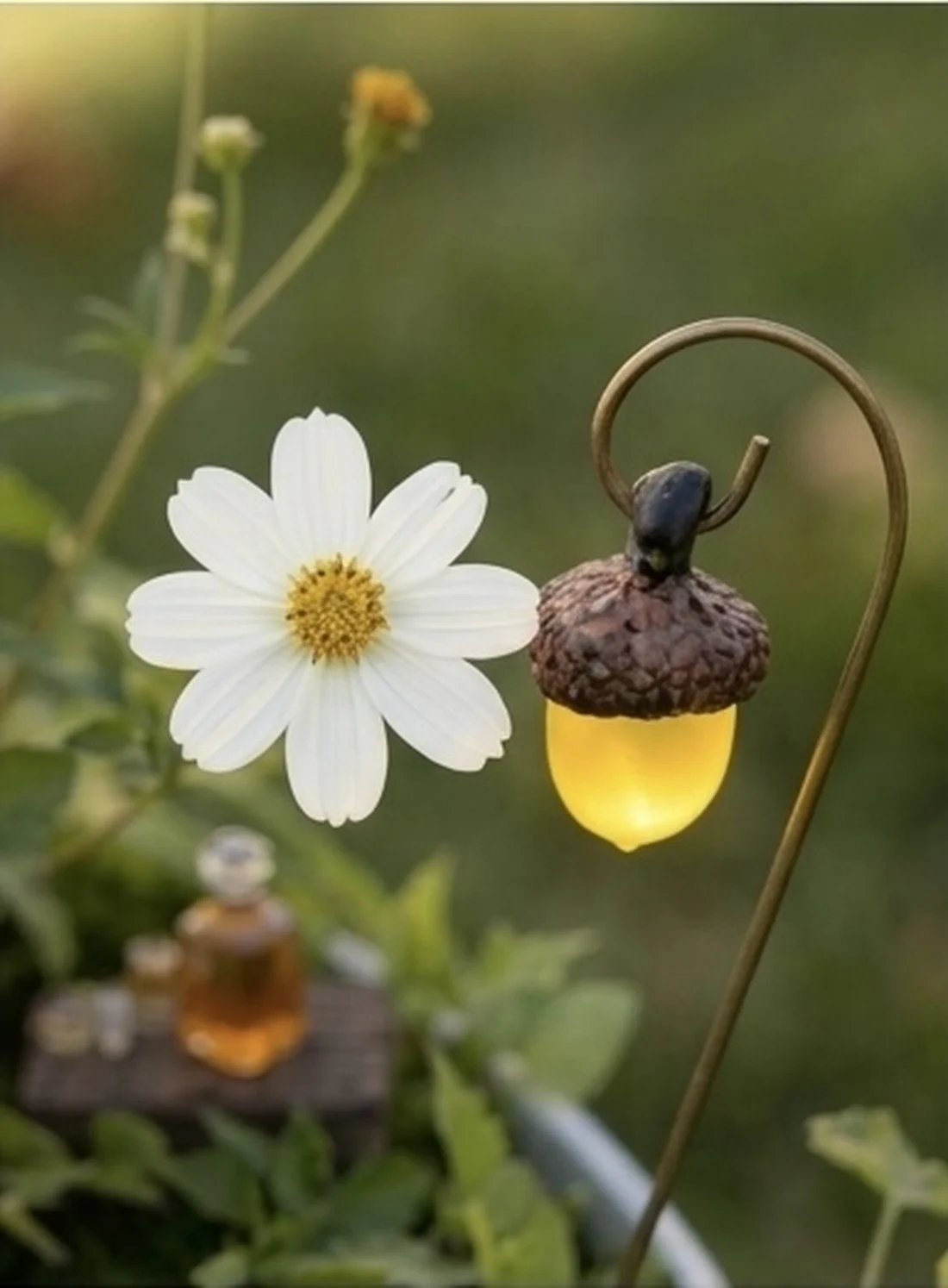
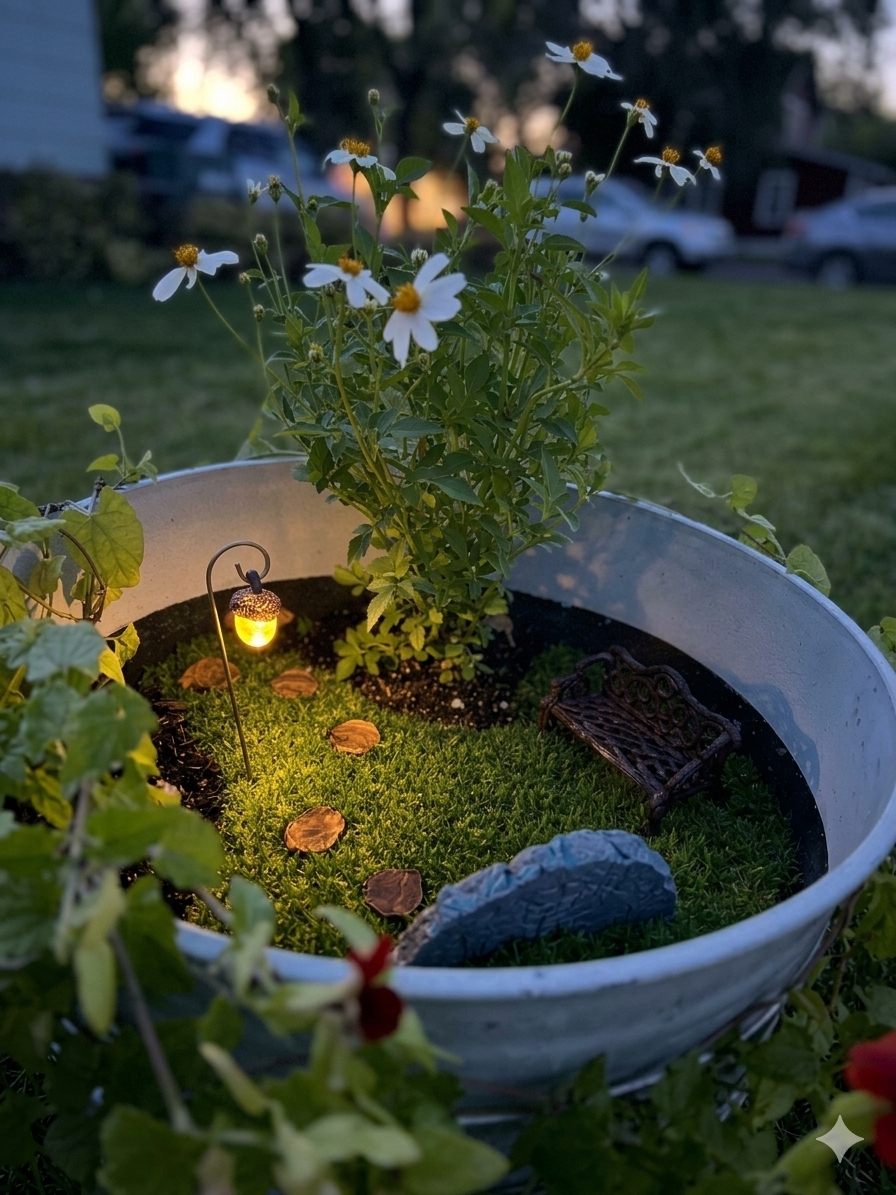
The speakeasy features a functional acorn lantern that provides a warm, amber glow during the "golden hour." This lighting choice transforms the planter from a daylight garden feature into a nocturnal, atmospheric scene. The cedar stepping stones provide a sense of depth, leading the eye toward the blue arched door, while the weathered, rusted bench suggests a history of "waitress fairies" taking their breaks away from the bustling atmosphere of the Joint.
The Botanical "Kaiju"
One of the most striking features of the project is the inclusion of oversized daisies, which Taylor affectionately refers to as "kaiju." These tall, dominant blooms loom over the speakeasy with an air of authority. In the context of the miniature world, these flowers act as both guardians and observers, adding a sense of scale that makes the speakeasy seem like a bustling subterranean hub.
Governance and Policy
Even in the world of the imaginary, order must be maintained. The Juice Joint features a small, hanging sign that declares the establishment a "No Bad Vibes" zone. This isn’t merely a stylistic choice; it represents an "ambitious zoning policy" that dictates the environment of the garden. By imposing these rules on the miniature space, Taylor emphasizes the intentionality of the project.
The Horticultural Implications: Gardening in a Climate of Limits
The project serves as a profound commentary on the nature of gardening in Montana. The "short life span" of such projects in the Northern Rockies is not a deterrent for Taylor; rather, it is a feature of the experience.
By accepting that the garden will inevitably perish as winter approaches, the gardener is forced to remain present. This creates a state of "pure bliss," where the act of imagining, creating, and loving a fragile world becomes the primary reward. It is a philosophy of impermanence that challenges the traditional garden goal of year-round perfection.
Official Perspective: The Art of the Fairy Garden
While often relegated to the realm of children’s play, the "fairy garden" movement has gained traction among serious hobbyists who treat these containers as dioramas. Experts in landscape design often point to projects like the Juice Joint as evidence of the "miniaturization trend," where urban and suburban gardeners—faced with limited space or harsh climates—turn to high-detail, small-scale work to satisfy their creative impulses.
The use of native mosses and the integration of found, organic materials (like the acorn lantern) align with current trends in "naturalistic" gardening. By eschewing plastic, mass-produced trinkets in favor of organic textures and weathered stone, Taylor has elevated the project to a piece of fine art that resonates with viewers across the globe.
Reflections on the Future
As the season concludes and the Montana frost begins to settle, the Juice Joint will cease its operations, its components reclaimed by the earth or packed away for the following year. Yet, the impact of such a project remains significant.
For Taylor, the experience has reinforced the importance of "slowing down." In a world defined by rapid digital interaction and permanent infrastructure, the creation of a temporary, fantasy-driven landscape offers a necessary respite. It is an invitation to look closer, to imagine, and to find wonder in the smallest of spaces.
Conclusion: How to Participate
The success of the Juice Joint highlights the vibrant community of gardeners who are looking for ways to share their unique visions. Whether it is a full-scale perennial border or a miniature speakeasy in a planter, the garden remains a canvas for personal expression.
For those inspired by Taylor’s work, the path to contributing to the broader gardening conversation is open. Documenting the process—from the initial planning stages to the final harvest or bloom—is essential for sharing the knowledge gained through trial and error. Whether it’s a failure you learned from or a success you’re proud of, the gardening community thrives on these stories of growth, persistence, and, occasionally, the magical touch of a fairy speakeasy.
The Juice Joint serves as a reminder that the best gardens are not defined by their size, but by the depth of the imagination that tends them. As we look toward the next growing season, the challenge remains for all gardeners: what world will you build in your backyard, and what story will it tell when the light hits it just right?
