

In the high-stakes world of automotive manufacturing, Volkswagen finds itself at a critical crossroads. Navigating a turbulent period defined by internal restructuring and the looming specter of significant workforce reductions in its German homeland, the automotive giant is simultaneously looking to the future with a bold, strategic pivot. According to recent reports, Volkswagen is actively developing a pickup truck specifically tailored for the North American market—a move that signals a monumental shift in the company’s regional strategy.
While the brand has long enjoyed success in the United States with its lineup of SUVs, such as the Atlas and Tiguan, the absence of a competitive pickup truck has been a glaring omission in its portfolio. For decades, the pickup segment has served as the backbone of the American automotive industry, consistently ranking as the most profitable and high-volume category. By finally committing to a US-built truck, Volkswagen is not merely expanding its product range; it is launching a direct challenge to the domestic stalwarts that have dominated the landscape for generations.
The Strategy: Strengthening the North American Footprint
The push for a North American-made pickup is part of a broader, more aggressive overhaul of Volkswagen’s US operations. Industry analysts view this as a necessary evolution for the German automaker, which has historically struggled to capture the same level of consumer loyalty in the truck segment as Ford, Chevrolet, or Toyota.
According to reports citing internal sources, the project is moving beyond the conceptual phase and into serious development. The goal is to bring this vehicle to market before the end of the decade, with manufacturing likely centered at the company’s state-of-the-art facility in Chattanooga, Tennessee. This plant, which currently serves as the production hub for the Atlas and Atlas Cross Sport, is uniquely positioned to handle the complexity of a new truck platform. By utilizing existing infrastructure, Volkswagen aims to minimize the substantial capital expenditure required for a new launch while ensuring that the vehicle is built by American hands for American drivers.
A History of "What Ifs": The Chronology of Volkswagen’s Truck Dreams
The journey to an American Volkswagen pickup has been long, winding, and—until now—largely theoretical. For over a decade, enthusiasts have clamored for a VW-branded truck, and the company has teased that possibility with a series of high-profile concepts.
- The Early Aspirations: Volkswagen’s history with pickups dates back to the iconic Rabbit-based truck of the late 1970s and early 1980s. While that vehicle developed a cult following, the brand largely retreated from the segment for years, focusing instead on global markets with the Amarok.
- The Concept Era (2018–2019): In 2018, Volkswagen unveiled the Atlas Tanoak concept at the New York International Auto Show. Based on the MQB platform, the Tanoak offered a vision of a robust, mid-size truck that felt perfectly suited for the American lifestyle. A year later, the smaller, more urban-focused Tarok concept emerged, suggesting that Volkswagen was experimenting with multiple sizes and segments.
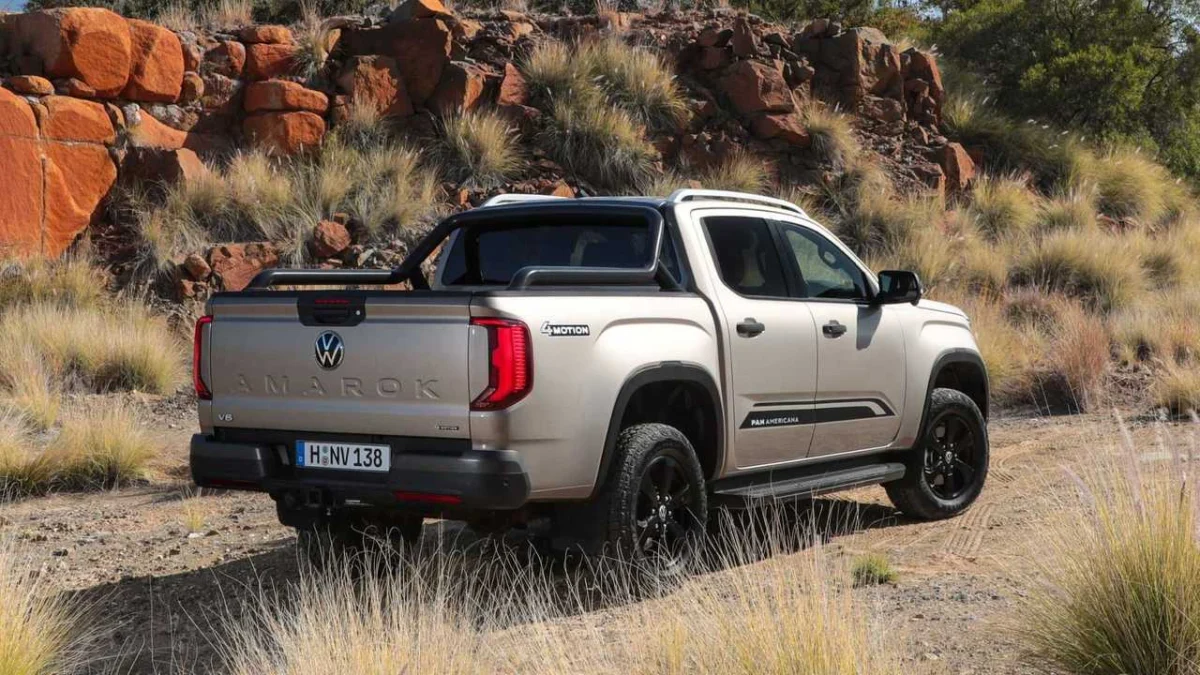
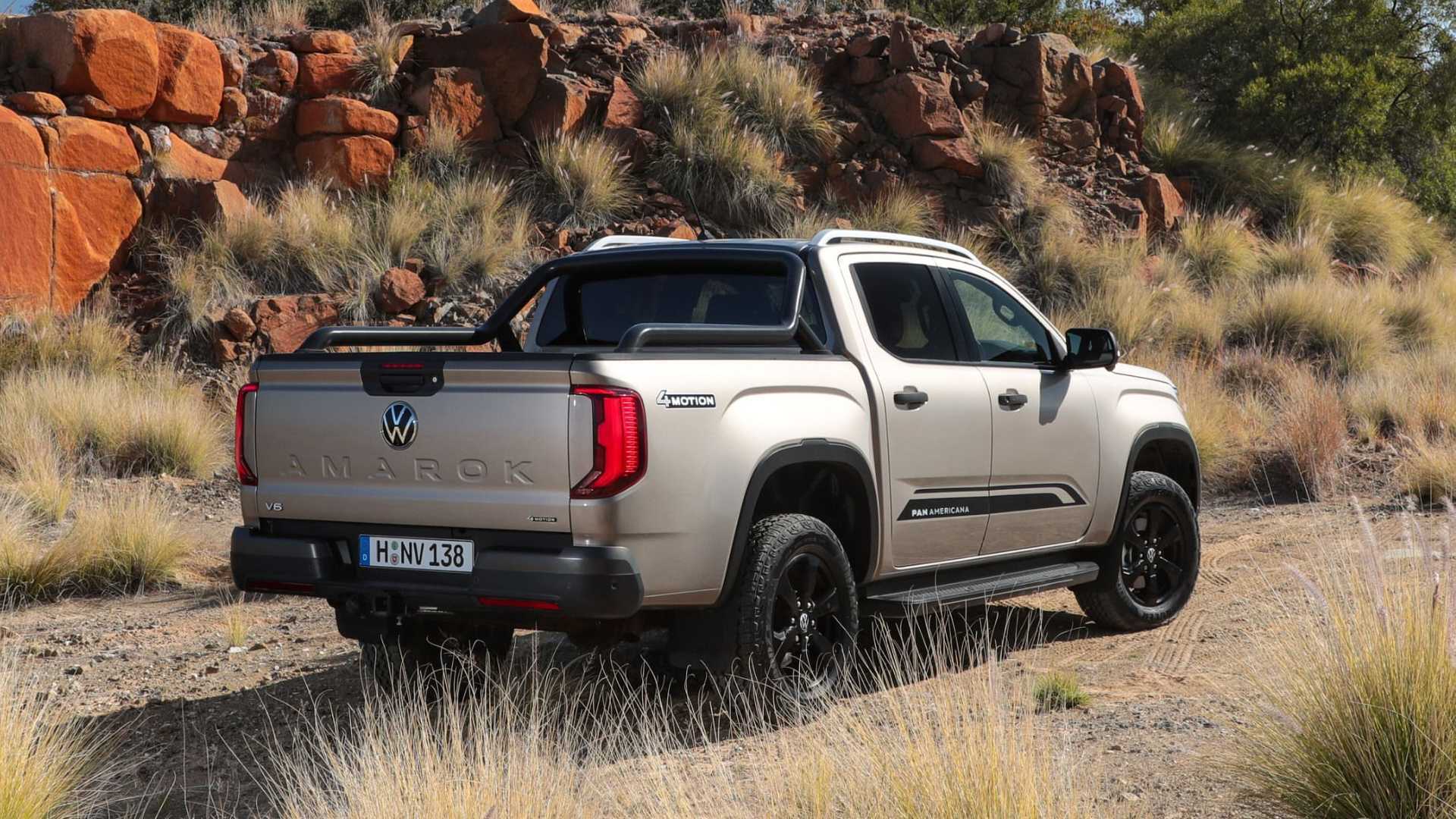
- The Amarok Factor: Throughout this period, the international success of the Volkswagen Amarok remained a point of friction. While the Amarok garnered praise for its rugged capabilities and refined driving dynamics, its exclusion from the US market left a hole in the brand’s portfolio.
- The Current Pivot: Today, the conversation has shifted from "if" to "how." With the current push for an American-built model, the lessons learned from the Tanoak and Tarok concepts, combined with the real-world performance of the global Amarok, are finally coalescing into a concrete business plan.
Segment Analysis: Finding the Right Fit
A pivotal question remains: Will Volkswagen enter the saturated, highly competitive full-size market, or will it play to its strengths by focusing on the mid-size or compact categories?
The Full-Size Challenge
The full-size pickup segment—the territory of the Ford F-150, Chevrolet Silverado, and Ram 1500—is the "gold mine" of the US automotive industry. However, it is also the most difficult to penetrate. These vehicles are characterized by extreme brand loyalty and a level of engineering specialization that has taken incumbents decades to perfect. Entering this space would require immense investment and an immediate battle for market share against companies that have perfected the art of the work-truck.
The Mid-Size and Compact Opportunity
Industry experts suggest a more logical path for Volkswagen lies in the mid-size or compact sectors. The success of the Ford Maverick, Hyundai Santa Cruz, and the perennial favorite, the Toyota Tacoma, demonstrates a clear market appetite for smaller, more efficient, and highly functional trucks. These vehicles offer a "lifestyle" utility that appeals to urban and suburban buyers who need the versatility of a bed without the unwieldy footprint of a full-size truck. A Volkswagen entry in this space would allow the company to leverage its reputation for quality interiors and clever packaging to differentiate itself from more utilitarian competitors.
Engineering and Potential Collaborations
To ensure the viability of the project, Volkswagen must balance innovation with cost-efficiency. Developing a clean-sheet vehicle is a multi-billion-dollar endeavor, which is why the company is exploring several pathways for production.
One likely avenue involves utilizing Volkswagen’s modular platforms. The MQB architecture, which underpins much of the brand’s current US lineup, could theoretically be adapted for a unibody truck, similar to the Honda Ridgeline or Ford Maverick. This would provide a more comfortable, car-like ride that would resonate with the crossover-buying public.
Furthermore, industry insiders have not ruled out the possibility of a strategic partnership. Volkswagen already maintains a collaborative relationship with Ford on a global scale, specifically regarding commercial vans and the Amarok/Ranger platform-sharing agreement. Extending this partnership to an American-made vehicle would allow Volkswagen to share development costs and technology, significantly lowering the barrier to entry while accelerating the timeline to production.
Implications for the Brand and the Industry
The implications of a successful Volkswagen pickup launch are profound. For the brand, it represents an attempt to diversify its revenue stream at a time when global sales are under pressure. By securing a foothold in the American pickup market, Volkswagen could transform itself from a niche European player into a comprehensive, full-line manufacturer in the United States.
For the consumer, this could signify the arrival of a "German-engineered" alternative in a segment often dominated by traditional American design language. If Volkswagen can deliver a vehicle that combines the rugged durability expected of a truck with the sophisticated ergonomics and interior quality that the brand is known for, it could disrupt the market in ways that few have managed.
However, the road ahead is not without obstacles. Volkswagen must navigate a complex transition to electric vehicles, a cooling global economy, and the need to streamline its internal operations. A massive investment in a new pickup model must be balanced against the need for fiscal discipline and the successful roll-out of its ID series of electric vehicles.
The Path Forward: A Calculated Risk
Volkswagen’s potential entry into the American pickup market is a calculated, long-term gamble. It acknowledges that the brand cannot rely solely on the success of its SUVs to maintain its standing in the most important automotive market in the world.
While the company remains tight-lipped on specific design details, platform choices, or release dates, the signals from Wolfsburg and Chattanooga are clear: the era of the Volkswagen truck in America is closer than ever. Whether it arrives as a compact unibody lifestyle vehicle or a rugged mid-size competitor, the industry will be watching closely. For Volkswagen, this is more than just a new product—it is a statement of intent, a declaration that even in a changing global landscape, the company is prepared to adapt, compete, and finally, build the truck that American drivers have been waiting for.
As the decade nears its conclusion, the automotive world anticipates a reveal that could redefine the identity of one of the world’s most storied brands. If the company can capture the same magic that made the original Beetle a cultural icon, their foray into the pickup segment might just be the catalyst for a new, profitable chapter in Volkswagen’s history.
