

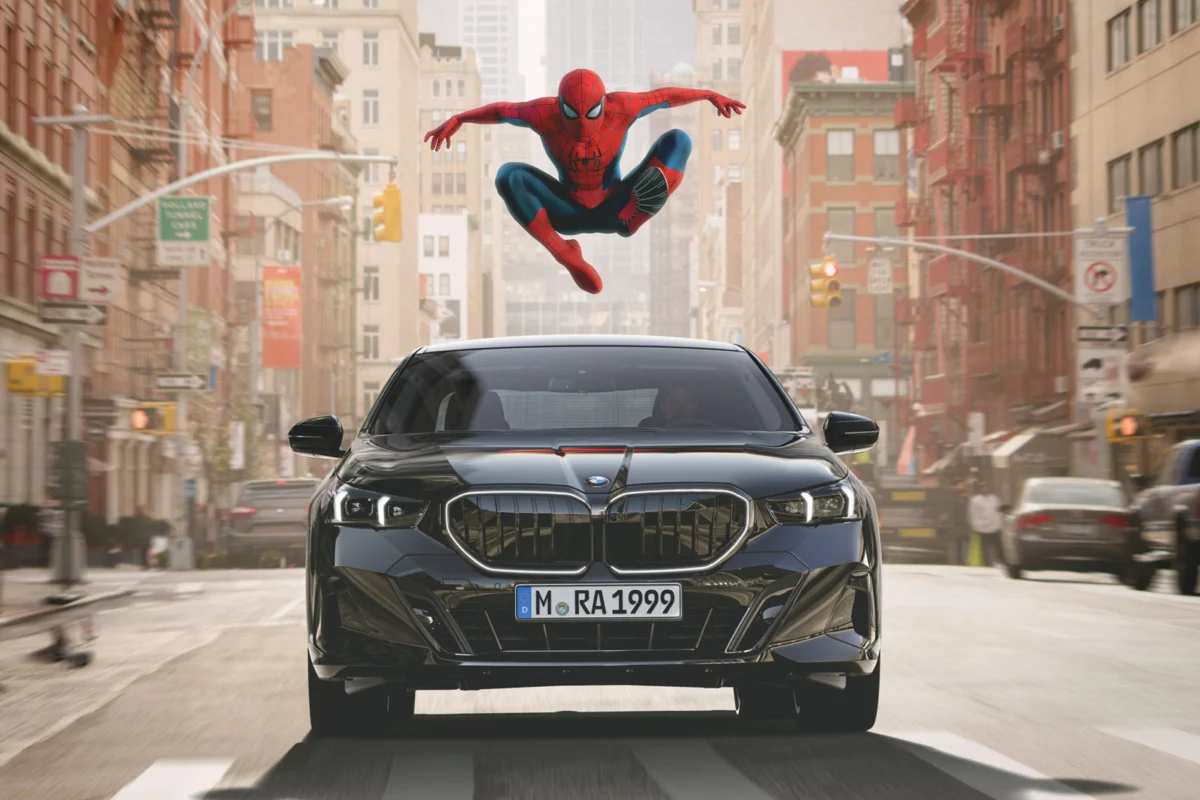
In the rapidly evolving landscape of the modern vehicle, the dashboard has transformed from a simple cluster of analog gauges into a high-definition digital interface. As cars become increasingly software-defined, the boundary between driving assistance and content consumption has blurred. This intersection reached a flashpoint recently when BMW owners reported the sudden appearance of promotional content for the latest Spider-Man film franchise directly on their vehicle’s infotainment screens.
While the German automaker maintains that this content is merely a "partnership" or a "cinematic feature," the reaction from the driving public has been swift and overwhelmingly negative. At its core, the issue raises a fundamental question: Is your vehicle a tool for transportation, or is it merely another billboard for corporate marketing?
The Anatomy of the Controversy: A Chronology of Events
The dissatisfaction began when owners of late-model BMW vehicles—equipped with the manufacturer’s iDrive operating system—started sharing screenshots on enthusiast forums and social media platforms. These users were greeted not by the expected navigation or vehicle telemetry, but by a promotional trailer for Spider-Man: Brand New Day.
Phase 1: The Surprise Deployment
The integration appeared via an over-the-air (OTA) update. For many drivers, the primary function of OTA updates is to improve vehicle performance, fix software bugs, or enhance safety features. The arrival of a commercial advertisement—disguised as "entertainment"—was met with immediate pushback. Users expressed frustration that their private, paid-for vehicle space had been hijacked by marketing algorithms without explicit consent.
Phase 2: The Community Backlash
Within days, the discourse moved from niche forums to mainstream automotive news. Owners began to question the ethics of "push" marketing inside a moving vehicle. The primary grievance was not necessarily the movie itself, but the medium. Drivers pay a premium for BMW vehicles, often entering the luxury price bracket, with the expectation that the user experience will be refined, unobtrusive, and driver-focused. The intrusion of marketing content violated the perceived sanctity of that experience.
Phase 3: The Corporate Pivot
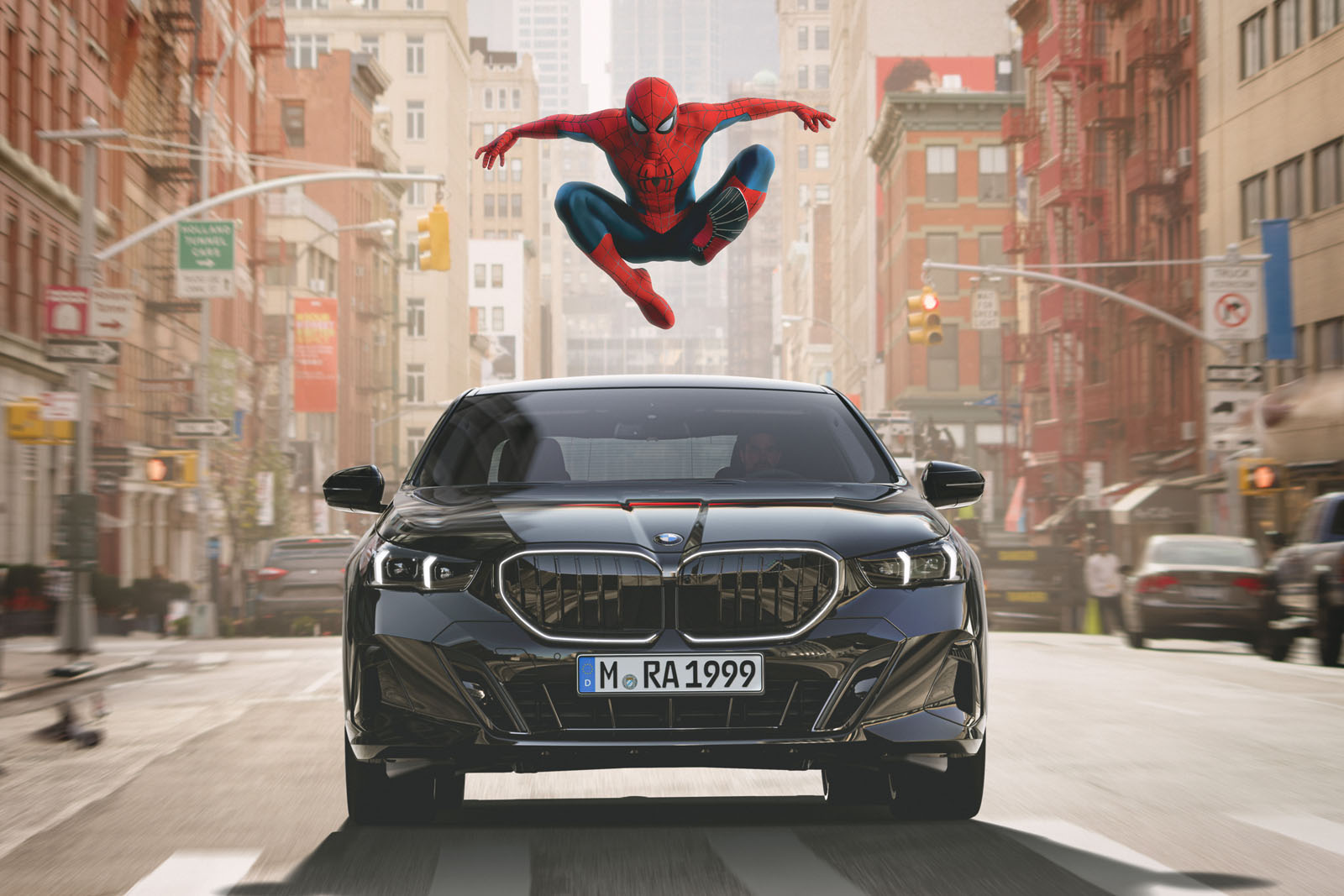
BMW’s initial response was to frame the content as a "cinematic collaboration." By emphasizing the product placement of the BMW iX3 and 5 Series within the film, the company attempted to justify the presence of the advertisement as a value-add for fans of the brand. However, this failed to address the deeper concern: the normalization of in-car advertising.
Supporting Data: The Monetization of the Dashboard
To understand why BMW and other manufacturers are moving toward in-car ads, one must look at the shifting economics of the automotive industry. According to industry analyst reports, software-enabled services and digital features are projected to generate billions in revenue for OEMs (Original Equipment Manufacturers) by 2030.
- The Rise of Subscription Models: Following the lead of tech giants, car manufacturers have begun testing subscription-based hardware features (such as heated seats or advanced driver-assistance systems). Advertising is the natural, if more invasive, next step in this revenue diversification.
- Engagement Metrics: Car manufacturers now possess an unprecedented amount of data on their users: where they go, how long they stay there, and what they listen to while driving. This data is the "holy grail" for advertisers. By serving ads directly through the car’s native software, BMW can bypass third-party platforms like Google or Apple, keeping the data loop entirely in-house.
- The "Captive Audience" Premium: Driving requires a focus that precludes most other activities, but it also creates a captive audience. When a driver is waiting at a charging station or sitting in their car, they are a prime target for high-value advertising—a prospect that is becoming too lucrative for shareholders to ignore.
Official Responses and Corporate Deflection
The official stance from BMW’s communication department has been characterized by a careful choice of vocabulary. The company has avoided the term "advertisement" in favor of descriptors like "collaborative content" and "immersive brand experiences."
In internal memos leaked to the press, representatives suggested that the content was "contextual" and intended to highlight the brand’s participation in the global cinematic landscape. However, the disconnect between corporate branding and consumer sentiment remains wide. Industry critics have pointed out that while a brand can define its content as it wishes, the user ultimately decides what constitutes an ad. If the content is unsolicited, promotional in nature, and serves to push a product, it is, by every common definition, an advertisement.
Furthermore, industry watchdogs are keeping a close eye on whether such practices will trigger regulatory scrutiny. In the European Union, the GDPR (General Data Protection Regulation) is particularly stringent regarding the use of personal data for targeted marketing. If BMW is using location or driving habit data to serve specific, personalized ads, they could find themselves in hot water with regulators who view the car as a private space that should be shielded from aggressive data-mining.
The Broader Implications: The "Smartphone-ification" of the Automobile
The incident with the Spider-Man ad is a microcosm of a much larger shift in the automotive industry. We are witnessing the "smartphone-ification" of the automobile, where the vehicle is increasingly treated as a software platform first and a machine second.
1. Erosion of Brand Loyalty
Luxury brands like BMW rely on the perception of exclusivity and quality. By injecting ads into the user interface, the brand risks diluting this equity. Customers who pay $60,000 to $100,000 for a vehicle do not expect to be treated like users of a "free-to-play" mobile game. If the brand becomes synonymous with invasive marketing, it may lose the very customers who drive its premium market position.
2. The Safety Paradox
There is also a mounting concern regarding driver distraction. While automakers argue that these ads are only displayed when the vehicle is stationary (such as during charging), the line is thin. If the system is capable of showing video content, how long will it be until advertisers lobby for "non-intrusive" banner ads during navigation? The psychological impact of constant, flashing, or attention-grabbing content in a vehicle is a safety variable that the industry has yet to fully quantify or address.
3. The Future of Vehicle Ownership
The long-term implication of this trend is a potential change in the very nature of vehicle ownership. If a car is merely a portal for a subscription service, does the owner truly "own" the vehicle? Or are they merely a licensed user of a rolling service platform? This shift toward "Software as a Service" (SaaS) is a major strategic pillar for legacy automakers, but it comes at the cost of consumer autonomy.
Conclusion: A Line in the Sand
The Spider-Man ad controversy is not an isolated incident; it is a trial balloon. Manufacturers are testing the limits of what their customers will tolerate. If the pushback remains contained to forums and minor news cycles, we can expect to see an increase in in-car marketing, ranging from sponsored navigation points of interest to native promotional videos.
However, the backlash also serves as a warning. There is a distinct difference between "connected services"—which provide real value to the driver, such as real-time traffic updates or weather alerts—and "corporate intrusions."
For BMW, the challenge moving forward is to balance its revenue-generation goals with the preservation of the customer experience. If the German firm continues to prioritize short-term marketing partnerships over the long-term integrity of its user interface, it risks turning its most loyal customers against the very technology that is supposed to define the future of driving.
The industry is at a crossroads. As cars become more intelligent, they have the potential to be safer, more efficient, and more enjoyable to use. But if the primary goal of this intelligence is to serve the advertiser rather than the driver, the automotive industry will find itself steering toward a future that many of its customers will actively choose to avoid. The dashboard should remain a tool for the pilot, not a billboard for the corporation. It is time for automakers to recognize that in the eyes of their customers, the "in-car experience" is a premium space—and it is one that is not for sale.
