

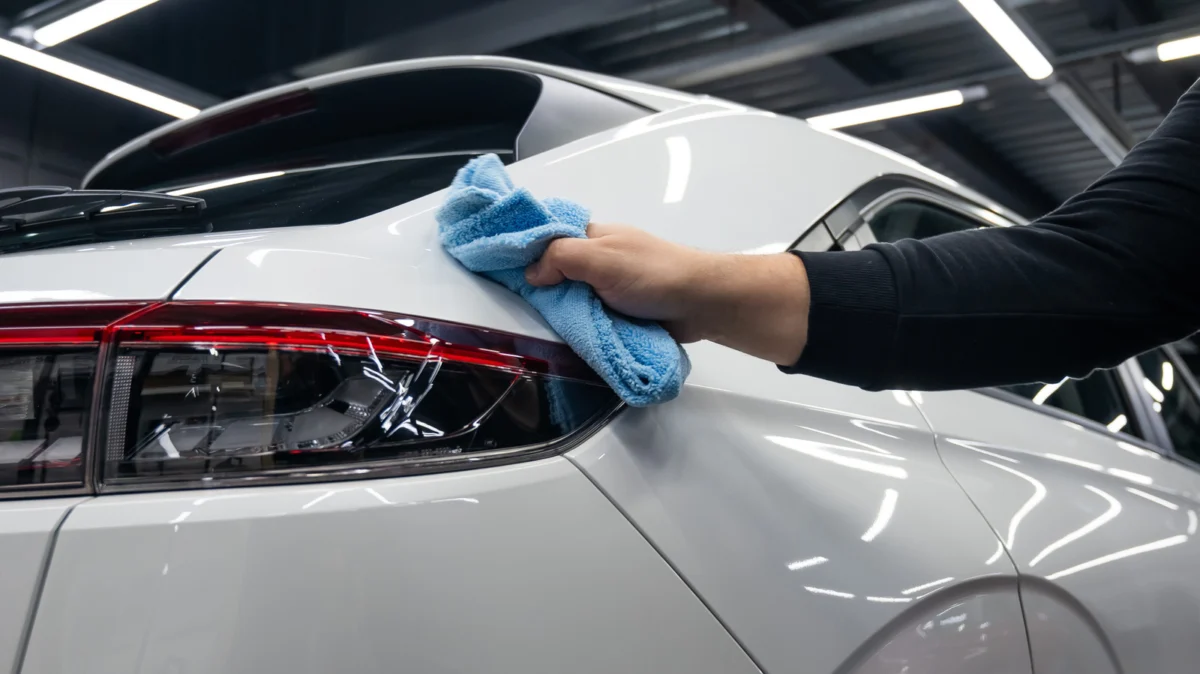
For the automotive enthusiast, the weekend wash is more than a chore—it is a ritual. It is a moment of care for a prized possession, an opportunity to maintain the luster of a clear coat and the depth of a paint finish. Central to this process is the modern miracle of the microfiber towel. These synthetic marvels have revolutionized car care, replacing the harsh, abrasive sponges and old-fashioned chamois of the past.
However, there is a dangerous misconception circulating in garages and driveways across the globe: the belief that a dropped microfiber towel can simply be shaken off and returned to service. In the world of high-end detailing, the "five-second rule" does not exist. In fact, if your microfiber towel touches the ground, it should never touch your car’s paint again.
The Science of the Microfiber: Why They Work So Well
To understand why a dropped towel is a liability, one must first understand the engineering behind the fabric. Microfiber is a synthetic fiber, typically a blend of polyester and polyamide (nylon). What makes these materials unique is their incredibly small diameter—often 1/100th the thickness of a human hair.
These fibers are split during the manufacturing process, creating microscopic "hooks" or star-shaped channels. This design gives the material an immense surface area, allowing it to trap moisture, dust, and oils at a level traditional cotton towels simply cannot match. A single square inch of high-quality microfiber can contain over 200,000 individual fibers. This is precisely why they are the gold standard for detailing; they act as a magnet for grime, pulling contaminants away from the surface and into the deep weave of the fabric.
The "Dirt Trap" Paradox: Why Dropping is Fatal
The very feature that makes microfiber effective—its ability to capture and hold debris—is exactly what makes it a hazard the moment it hits the garage floor or driveway.
When a towel drops, it does not just pick up dust; it acts as a vacuum for microscopic, abrasive particulates. Even the cleanest-looking concrete driveway or garage floor is covered in tiny, jagged shards of rock, sand, silica, and grit. These particles are often invisible to the naked eye. When the towel makes contact with the ground, these abrasive elements become deeply embedded within the "hooks" of the microfiber weave.
The Mechanism of Paint Damage
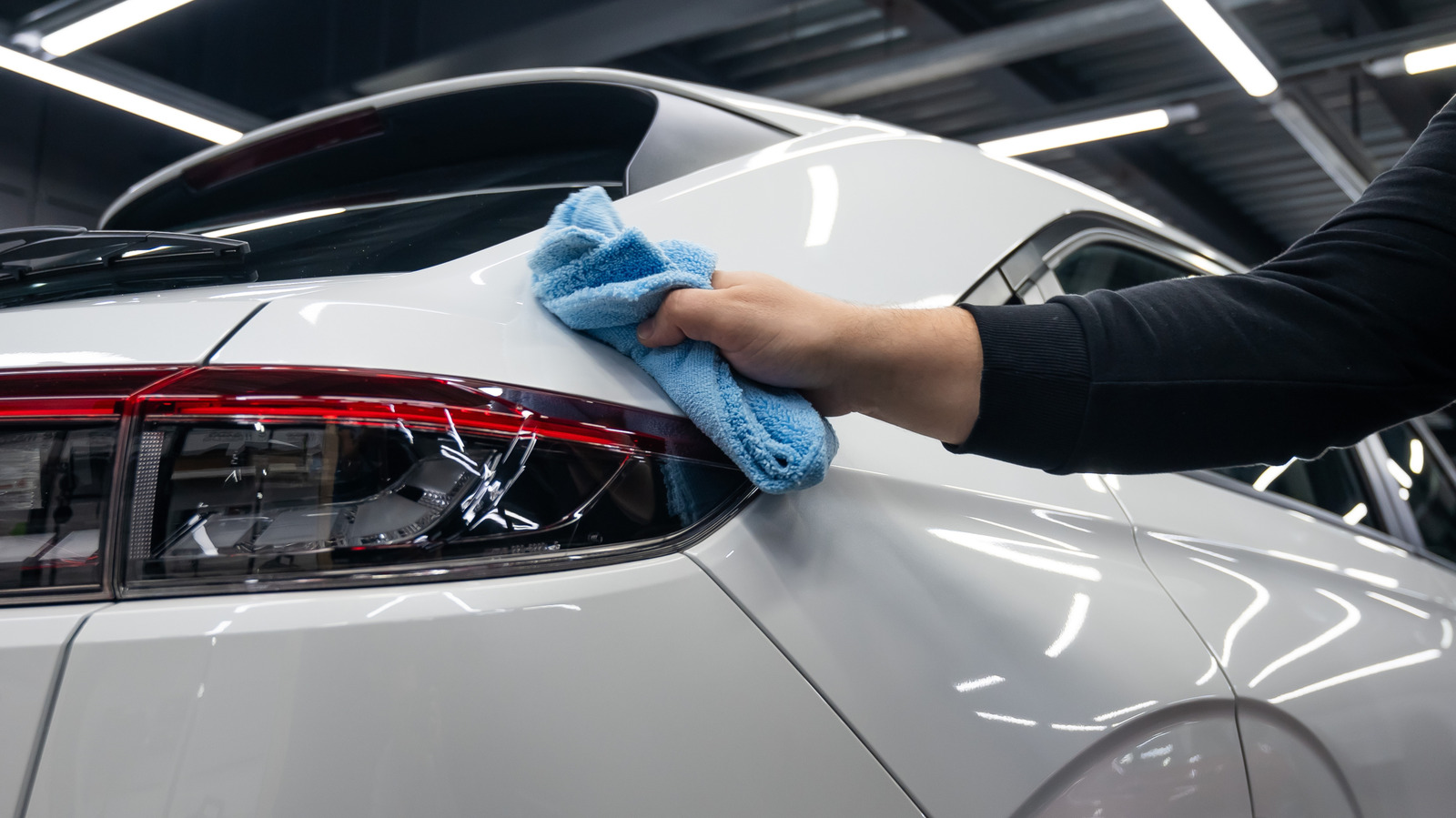
When you pick that towel up and wipe it across your vehicle’s clear coat, you are no longer using a soft cleaning tool; you are inadvertently applying a piece of sandpaper to your paint. The pressure of your hand, combined with the motion of wiping, drags these sharp, abrasive particles across the delicate finish.
The result? Swirl marks and light scratches. While these may be invisible in low light, they become painfully apparent under direct sunlight or at night under streetlights. These marks are the bane of every car owner, effectively ruining the finish that the washing process was intended to preserve. Once these scratches penetrate the clear coat, they often require professional machine polishing—a costly and time-consuming correction process—to remove.
Chronology of a Detailing Disaster
To illustrate the danger, consider the typical timeline of a "dropped towel" incident:
- The Accident: You are drying your vehicle. A gust of wind or a momentary lapse in concentration causes the towel to slip from your grip.
- The Contamination: The towel hits the ground. Within milliseconds, the static-like property of the polyester fibers attracts microscopic grains of sand and sediment from the surface.
- The False Reassurance: You pick up the towel. You shake it vigorously, perhaps even blowing on it, believing you have cleared the debris.
- The Application: You resume drying, perhaps starting on a clean hood or a fender. You feel a slight "drag" but assume it is just the friction of the towel on the paint.
- The Revelation: Days later, you pull the car into the sun. You notice a spiderweb of fine, swirling scratches concentrated in the exact area where you resumed drying.
Supporting Data and Best Practices
Professional detailers are unanimous on this point: the risk-to-reward ratio is nonexistent. Replacing a $10–$20 microfiber towel is a trivial expense compared to the hundreds or thousands of dollars required for paint correction services.
Can You Wash the Debris Out?
Many enthusiasts ask if a heavy-duty wash cycle can save the towel. While companies produce specialized microfiber detergents designed to break down waxes, polishes, and oils, they are largely ineffective at removing hard, inorganic debris like sand or silica. These particles are mechanically locked into the fibers. Even if the towel appears clean, the risk of a single trapped grain of sand causing a deep scratch remains high.
Proper Disposal and Repurposing
If you are environmentally conscious and loath to discard a perfectly good piece of fabric, do not throw it in the trash. Instead, implement a "demotion system" for your towels:
- Tier 1: Paint/Exterior. These towels must be pristine. Once they touch the ground, they are immediately demoted.
- Tier 2: Interior/Wheels. A towel that is no longer safe for paint can be used for door jambs, interior plastic panels, or dashboard dusting.
- Tier 3: Garage/Utility. Once a towel has been used on dirty areas like wheel wells or door hinges, it should be permanently relegated to non-car tasks. Use these for cleaning shower screens, dusting kitchen benchtops, or wiping down outdoor furniture.
Official Perspectives from the Detailing Industry
Leading professional detailers and automotive care experts emphasize the "Safety First" approach. The consensus is that the towel should be treated as a consumable item.
"The goal of detailing is the preservation of the surface," notes an industry expert. "When a tool meant for paint preservation becomes a potential source of damage, its utility is effectively zero. We teach our apprentices that if a towel touches the floor, it goes into a separate bin marked ‘Non-Paint.’ It is better to have a slightly smaller stack of clean towels than a fleet of dirty ones that threaten the integrity of the vehicle’s finish."
Implications for the Car Owner
The implications of this simple rule are profound. By changing your relationship with your cleaning tools, you extend the longevity of your car’s aesthetic value.
- Economic Efficiency: By separating your towels into tiers, you avoid the temptation to reuse "risky" towels on your paint, thereby avoiding expensive paint correction bills.
- Mental Ease: Knowing your towels are clean allows you to detail with confidence, rather than anxiety, knowing that you aren’t dragging debris across your clear coat.
- Long-Term Paint Health: Consistent use of clean, dedicated towels prevents the "haze" that develops on older cars, ensuring that the depth of the paint remains deep and reflective for years to come.
Conclusion: Value Your Paint Above the Towel
In the grand scheme of automotive maintenance, the microfiber towel is one of the most affordable tools at your disposal. Treating it as a single-use item for paint-related tasks once it has been compromised is not an act of wastefulness; it is an act of preservation.
Next time your towel slips and hits the ground, resist the urge to perform a quick shake-off. Recognize the hidden threat of the grit it has surely ingested. Relegate it to the interior or the kitchen, reach for a fresh, clean towel from your supply, and continue your work with the peace of mind that your vehicle’s finish remains as pristine as the day it left the factory floor. In the delicate dance between fabric and paint, the towel is expendable—your car’s finish is not.
