

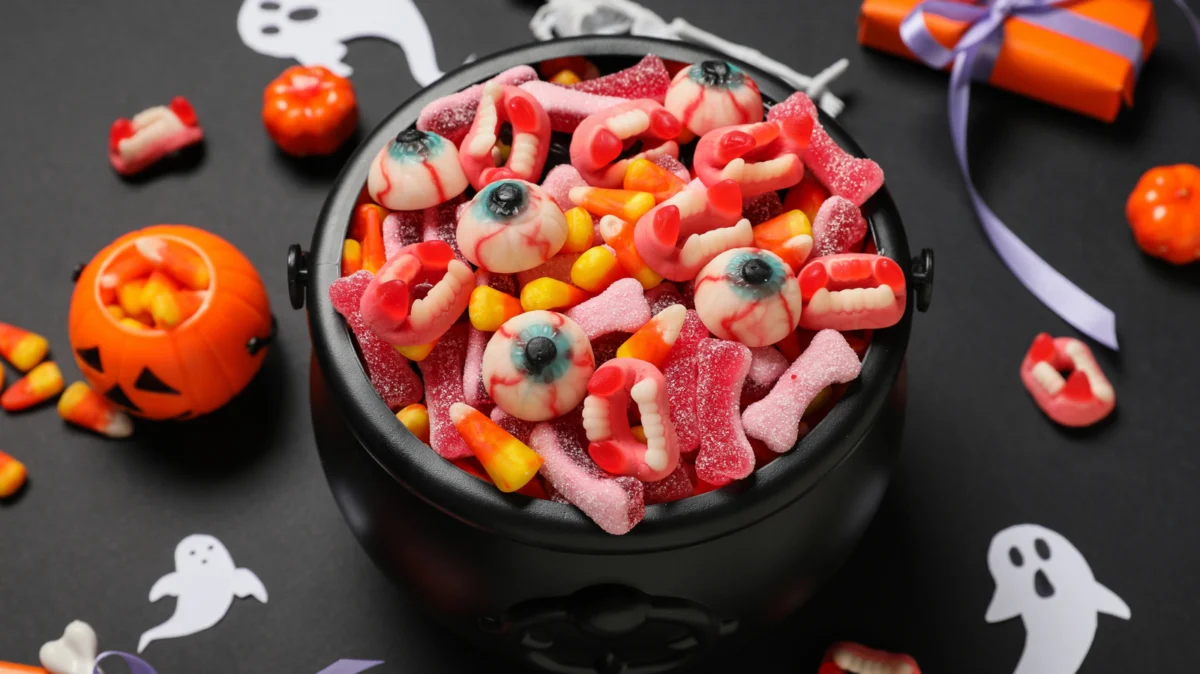
Halloween is more than just a holiday; it is a cultural phenomenon defined by the ritualistic exchange of sugar. From the childhood thrill of the "candy haul" to the adult nostalgia associated with specific wrappers, these treats occupy a unique space in our collective memory. However, the candy aisle is a ruthless ecosystem. For every enduring classic like the Reese’s Peanut Butter Cup, there are dozens of "fallen soldiers"—beloved confections that vanished from shelves, leaving behind nothing but devoted online forums and wistful, lingering cravings.
The Economics of Obsolescence: Why Candies Disappear
The decision to discontinue a product is rarely made lightly. In the multibillion-dollar confectionery industry, manufacturers like Mars, Hershey’s, and Ferrara operate on thin margins and high-volume demand. When a product is "axed," it is usually the result of a complex interplay between shifting consumer palates, rising ingredient costs, manufacturing complexities, or strategic rebranding.
Some candies, like the legendary Seven Up bar, were reportedly victims of their own ambition. Featuring seven distinct chambers filled with varied flavors like mint, caramel, and buttercream, it was a logistical nightmare on the assembly line. Others, such as Life Savers Holes, faced a more immediate threat: safety. Launched in 1990, the product was pulled within a year due to a potential choking hazard regarding the packaging, and despite a re-release, it never regained its initial market momentum.
A Chronology of Confectionary Loss
The history of candy is a timeline of innovation followed by inevitable obsolescence. Below is a look at the life cycles of some of the most mourned treats:
- 1960s – 2024: Fruit Stripe Gum. The zebra-striped icon was a staple for generations. Known for its intense, fleeting flavor and the inclusion of temporary tattoos, it was finally retired by the Ferrara Candy Company in early 2024.
- 1970s – 1990s: PB Max. A premium chocolate-covered cookie bar with peanut butter. Despite strong sales, it was discontinued in the 90s, allegedly due to the Mars family’s personal distaste for peanut butter.
- 1990 – 1998: Soda-Licious. Betty Crocker’s carbonated-tasting gummies defined the 90s snack landscape before vanishing as the decade closed.
- 1994 – Mid-2000s: Fruit String Thing. A masterpiece of interactive play-food, these peelable fruit laces were a lunchbox essential for a decade.
- 2003 – 2006: Hershey’s Swoops. An attempt to disrupt the potato chip market with Pringle-shaped chocolate slivers that proved too niche to survive.
- 2004 – 2009: Twizzlers Twerpz. A short-lived but intense love affair with tangy, foam-filled fruit candies.
Supporting Data: The Power of Nostalgia and Online Advocacy
In the digital age, the death of a candy bar is no longer a silent affair. Platforms like Reddit, Twitter, and Change.org have become modern graveyards where fans congregate to mourn. The case of Butterfinger BB’s serves as the gold standard for modern candy advocacy. Despite a massive fan base and high-profile marketing campaigns featuring The Simpsons, the bite-sized treats were discontinued. Today, thousands of users continue to petition for their return, citing them as a superior iteration of the original bar.
Similarly, Twizzlers Twerpz saw multiple fan-led petitions following their 2009 exit. While corporate responses are traditionally non-committal, the data is clear: nostalgia is a massive driver of "limited edition" revivals. Companies are increasingly aware that if they can successfully tap into the "kid-at-heart" demographic, they can generate massive short-term revenue through "throwback" marketing strategies.
Examining Specific Case Studies
The Shock Tarts Legacy
Shock Tarts represented the apex of "extreme" candy. Utilizing malic acid to create a long-lasting sour sting, they were a rite of passage for many children. When they were eventually rebranded and reformulated, the "magic" was lost. Consumers noted that the balance of acidity to sweetness was fundamentally altered, proving that a product is more than the sum of its ingredients—it is a specific sensory experience that is difficult to replicate once the original formula is discarded.
Kudos: The Health Food Mirage
Perhaps the most deceptive candy of the late 20th century was Kudos. Marketed as a healthy, granola-based snack, they were effectively candy bars in disguise. As consumers became more health-conscious and savvy regarding nutritional labeling, the facade crumbled. Mars attempted to pivot by removing the chocolate coating to make them look more "granola-like," but the brand eventually lost its identity, leading to its withdrawal from the market in 2017.
Corporate Responses and the "Formula Shift"
Why do companies insist on changing formulas, often leading to the death of a beloved brand? Often, it is a response to supply chain issues or a desire to consolidate ingredients across different product lines to save costs. Shark Bites provide a cautionary tale here. Once opaque, toy-like gummies, a recipe change rendered them translucent and sticky. The "premium" mouthfeel that fans loved was sacrificed for cost-efficiency, and the resulting decline in quality led to a total collapse of the product’s market share.
Similarly, the Peanut Butter Twix has had a tumultuous history. After being discontinued, it was resurrected in 2017 due to popular demand, only to be quietly retired again in 2020. This "on-again, off-again" relationship suggests that large conglomerates are still testing the viability of these niche flavors in a marketplace that is increasingly dominated by health-focused or "clean label" snacks.
Implications for the Future of Halloween
As we look toward the future of Halloween, the loss of these treats signals a broader shift in consumer behavior. The modern trick-or-treater is faced with a landscape dominated by global brands and standardized chocolates. The disappearance of "gimmick" candies—like the interactive Fruit String Thing or the uniquely shaped Shark Bites—points to a move away from play-based snacks toward more shelf-stable, cost-effective options.
However, the "Flavor Graveyard" is never truly closed. The success of retro-branding shows that companies are willing to listen when the chorus of nostalgia becomes too loud to ignore. For now, we are left to sift through the candy bowl, remembering the days of the Seven Up bar and the sour sting of original Shock Tarts.
Whether these candies ever return is ultimately up to the bottom line. Until then, they remain ghosts of Halloween past—sweet, fleeting reminders of a time when the candy aisle was a place of endless, sugary possibility.
Disclaimer: Some links within this article may earn us a commission on purchases, helping us keep our own "candy bowl" full of research and reporting.
