

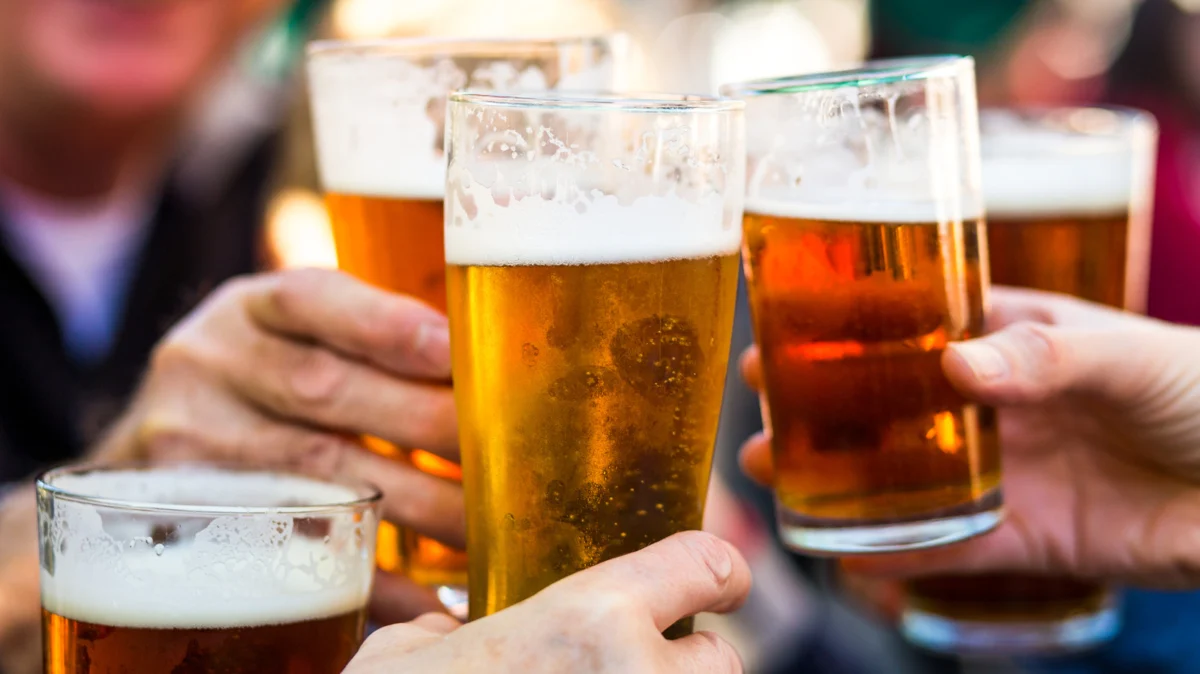
For the average consumer, the word "lager" evokes images of crisp, straw-colored beverages enjoyed on hot summer days. Characterized by their clean finish and approachable flavor profiles, standard lagers—ranging from American light varieties to Japanese rice lagers—typically hover between 4% and 5.5% alcohol by volume (ABV). However, beneath the surface of this ubiquitous style lies a sophisticated, centuries-old tradition of "strong lagers" that challenge the assumption that lagers are merely light, sessionable refreshments.
To understand why some lagers reach double-digit alcohol percentages while others remain light, one must look at the fundamental science of brewing. While ales are fermented with yeast strains that thrive at warmer temperatures, producing an array of fruity esters and complex aromatics, lagers utilize bottom-fermenting yeast that prefers cooler environments. This cool-fermentation process typically results in a cleaner, more restrained flavor profile. Historically, lager yeast has been perceived as having a lower alcohol tolerance than ale yeast; however, master brewers have spent centuries manipulating grain bills, fermentation schedules, and aging processes to create high-gravity lagers that offer body, toastiness, and significant potency.
The Evolution of the Strong Lager: A Historical Chronology
The pedigree of the strong lager is rooted deeply in German brewing history, long before the modern craft beer boom.
The 14th to 17th Century: Monastic Innovation
The genesis of the high-ABV lager can be traced to the 14th century in Northern Germany, where the Bock style began to take shape. These beers were brewed to be hearty and nutrient-dense. By the 1600s, the Paulaner monks in Munich perfected the Doppelbock ("double bock"). According to historical accounts, the monks used this beer as a "liquid bread" during the Lenten fasting season. Unable to consume solid food, they turned to the nutrient-rich, high-alcohol Salvator—a beer so substantial they dubbed it the "Savior."
The 19th Century: The Rise of Industrial Lager
As brewing technology advanced, the 19th century saw the diversification of lager styles, including the Maibock—a celebratory, strong golden lager brewed to welcome the arrival of spring. By the mid-1900s, commercial entities began experimenting with "European Strong Lagers." In 1959, Carlsberg introduced their Elephant label, signaling a shift toward higher-alcohol lagers in the international market, moving away from the light, standard-strength Pilsner models that had dominated the post-war era.
The 21st Century: The Craft and Energy Convergence
In the modern era, the landscape of high-ABV lagers has shifted again. Craft breweries in the United States and Europe have reclaimed these historical styles, often pushing them further. The recent entry of non-traditional players, such as Monster Energy’s acquisition of the CANarchy Craft Brewing Collective, represents the latest chapter: the hybridization of high-octane energy culture with traditional lager brewing.
The Spectrum of Strength: 10 Notable Examples
The following selection illustrates the breadth of the high-alcohol lager category, ranked by their ABV levels. These selections represent a move away from "crushability" toward "sippability."
1. Sierra Nevada Oktoberfest Festbier (6% ABV)
While it sits at the threshold of the "strong" category, this beer is a masterclass in balance. By utilizing a richer malt profile than a standard lager, Sierra Nevada creates a beer that embodies the spirit of the Bavarian festival. It provides a biscuity, toasted backbone that feels substantial without being heavy.
2. Trader Joe’s Oktoberfest Festbier (6.2% ABV)
This private-label success story proves that high-ABV lagers have moved into the mainstream retail space. Its profile mirrors traditional German Festbiers, focusing on a balance of malt sweetness and a clean finish, making it a accessible entry point for drinkers looking for more "oomph" in their glass.
3. Alhambra Reserva 1925 (6.4% ABV)
Representing the Spanish tradition of Cervezas Especiales, this Granada-based brew is a European strong lager. It differentiates itself by integrating floral hop notes with a distinct honey-malt sweetness, showcasing how high-gravity lagers can maintain aromatic complexity.
4. Estrella Galicia 1906 Reserva Especial (6.5% ABV)
This beer is a prime example of the German-style Maibock produced in Spain. It is characterized by an extended aging process, which smooths out the ethanol bite often found in stronger lagers, resulting in a rounded, malt-forward profile.
5. Pabst Extra (6.5% ABV)
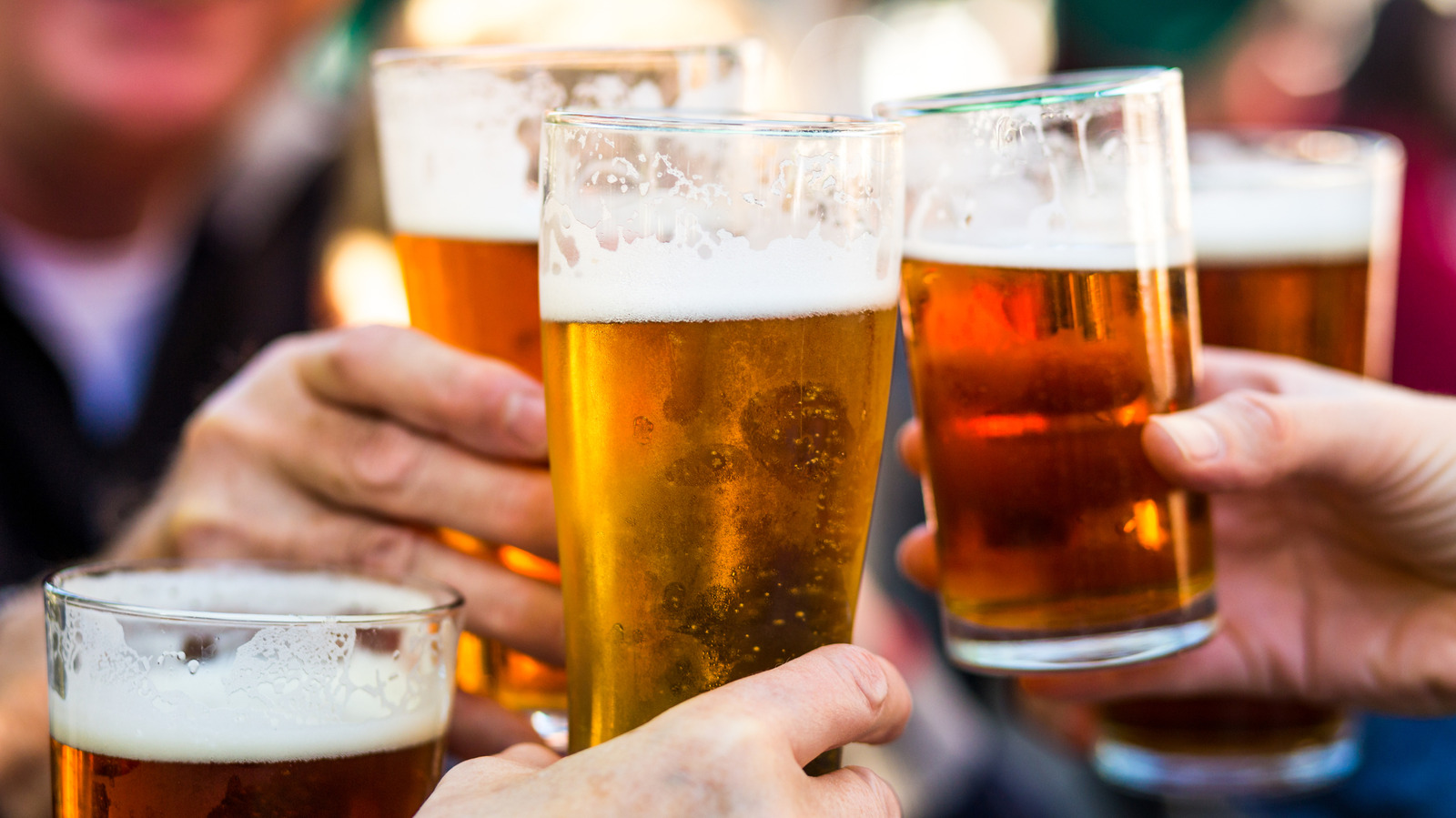
Pabst Blue Ribbon is synonymous with the standard American lager, but "Pabst Extra" is a deliberate departure. By increasing the alcohol content, the brewery shifts the mouthfeel from "crisp and thin" to "rounded and bready," offering notes of caramel and toasted grain that are largely absent in the standard 4.7% PBR.
6. DAB Dortmunder Maibock (7% ABV)
Hailing from the industrial heart of Dortmund, Germany, this beer serves as a benchmark for the traditional Maibock. It remains a classic example of how high-alcohol content can be achieved without sacrificing the hallmark cleanliness of a lager.
7. Carlsberg Elephant (7.2% ABV)
A titan of the "European Strong Lager" category, Elephant is known for its intensity. While it lacks the extreme bitterness of an IPA, it provides a punchy, malt-driven experience that is popular in international markets for its robust character.
8. Paulaner Salvator Doppelbock (7.9% ABV)
The gold standard of the style, the Salvator is a historical artifact in a bottle. It is intentionally brewed to be "cozy," with a profile dominated by dark dried fruits, toffee, and brown bread. It serves as a reminder that lagers can be just as complex and contemplative as heavy stouts or winter warmers.
9. Abita Andygator (8% ABV)
This Louisiana-born creation puts a unique spin on the Helles Doppelbock. By using paler malts, Abita maintains a lighter color while achieving an 8% ABV. It offers a unique profile of peppery, earthy hops layered over a strong, biscuity base.
10. Stunt Double Strong Lager (8% ABV)
The inclusion of Stunt Double represents the modern, aggressive end of the spectrum. It reflects a corporate shift toward high-intensity beverages, proving that the market for "strong" has officially crossed over into the high-energy, high-volume consumer goods sector.
Implications for the Modern Beer Market
The rise of the high-ABV lager has significant implications for the industry. First, it challenges the "lager equals light" dichotomy. Consumers are increasingly seeking flavor depth, and the historical styles like Doppelbock offer a compelling alternative to the oversaturated IPA market.
Second, these beers require different consumption habits. Unlike a 4% light lager designed to be consumed in volume, high-ABV lagers are essentially "sipping beers." This shifts the focus toward food pairing—specifically with rich, fatty meats or aged cheeses that can stand up to the malt intensity of a 7-8% lager.
Finally, the entrance of large-scale beverage corporations into the strong lager space suggests that the category is no longer a niche interest. As these companies refine their brewing techniques to mask the alcohol "burn" often associated with high-gravity beers, we can expect to see a surge in high-ABV lagers that prioritize drinkability alongside strength.
Conclusion
Whether born from the ascetic traditions of 17th-century monks or the modern, performance-driven ethos of 21st-century beverage conglomerates, the high-ABV lager remains one of the most underrated segments of the beer world. They offer a unique intersection of traditional brewing science and modern flavor demands. For those who find themselves tired of the relentless bitterness of hops or the thinness of mass-market macro-lagers, the world of bocks, doppelbocks, and strong European lagers offers a rich, rewarding, and undeniably potent alternative.
