

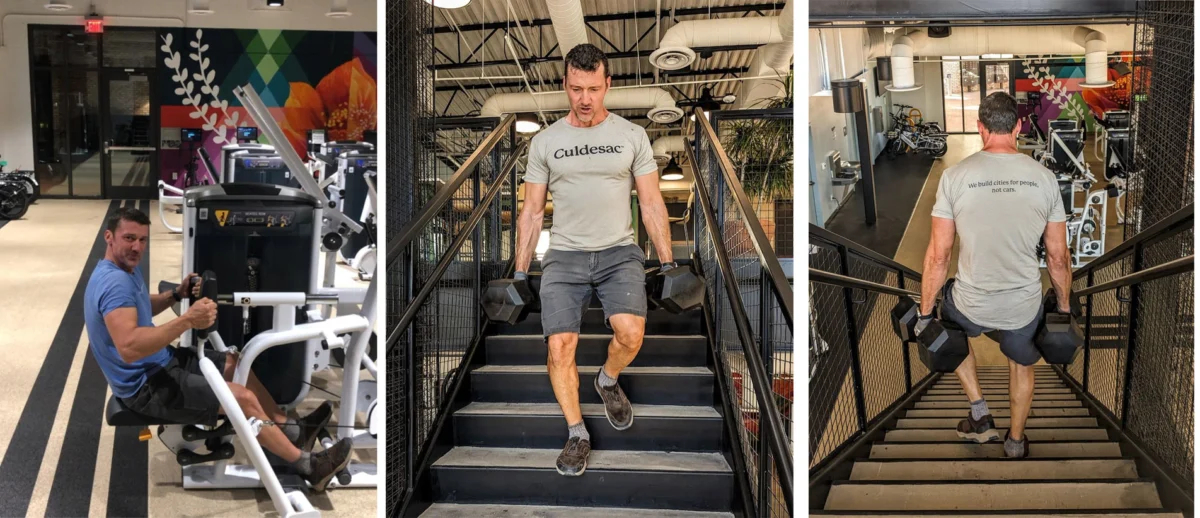
Almost two decades after walking away from the traditional workforce, Pete Adeney—widely known as the personal finance icon "Mr. Money Mustache"—has encountered a philosophical hurdle that few early retirees ever anticipate. After years of championing the FIRE (Financial Independence, Retire Early) movement, Adeney has identified a surprising consequence of absolute autonomy: the erosion of personal discipline. In a candid reflection on his lifestyle, he argues that without the external pressure of a career, the human instinct to avoid discomfort can lead to a slow, creeping stagnation.
The Double-Edged Sword of Financial Independence
For nearly nineteen years, Adeney has lived a life of total freedom. Having successfully navigated the transition from a high-stress corporate career to a life of self-directed pursuits, he has spent his time raising his son, restoring properties, and contributing to his influential blog. By all traditional metrics, he has reached the summit of the modern dream.
However, Adeney suggests that the removal of life’s "have-tos"—the mandatory office hours, the commute, and the boss-imposed deadlines—has created a psychological vacuum. In the absence of necessity, the brain naturally gravitates toward the path of least resistance. This phenomenon, which Adeney calls a "first-world problem," is the tendency to trade meaningful, challenging work for the immediate dopamine hits of digital distraction and excessive comfort.
"Freedom and money reveal a person’s true strengths and weaknesses," Adeney notes. He observes that while financial independence provides the resources for noble endeavors, it also provides the resources for terminal laziness. Without a structured framework, an individual’s trajectory often flattens, leading to a loss of the very vitality that the retiree initially sought to protect.
Chronology: From Productivity to Plateau
Adeney’s journey reflects a shift in human motivation over time.
- The Early Years (Years 1–10): During the first decade of retirement, Adeney maintained a high output. The intensity of fatherhood combined with physical projects—such as construction and community building—kept his momentum high. He operated with a natural, inherent focus.
- The Mid-Life Drift (Years 11–17): As his son grew older and his projects became less demanding, Adeney noticed a change. He began retreating to the couch, finding it harder to initiate complex or demanding tasks. He describes this as a period of "lifestyle creep," where leisure time replaced productive challenges, leading to a decrease in physical fitness and mental sharpness.
- The Turning Point (Recent Months): Recognizing his own self-sabotage, Adeney began experimenting with techniques from health and performance literature. He realized that the primary obstacle to his productivity was not a lack of time or resources, but a lack of intentionality regarding his "moments of hesitation."
The Science of the "Hesitation Trigger"
Central to Adeney’s strategy for reclaiming his focus is a psychological hack he developed to bypass the brain’s aversion to discomfort. He observed that before any difficult task—like a grueling workout or a complex writing session—there exists a split-second of hesitation.
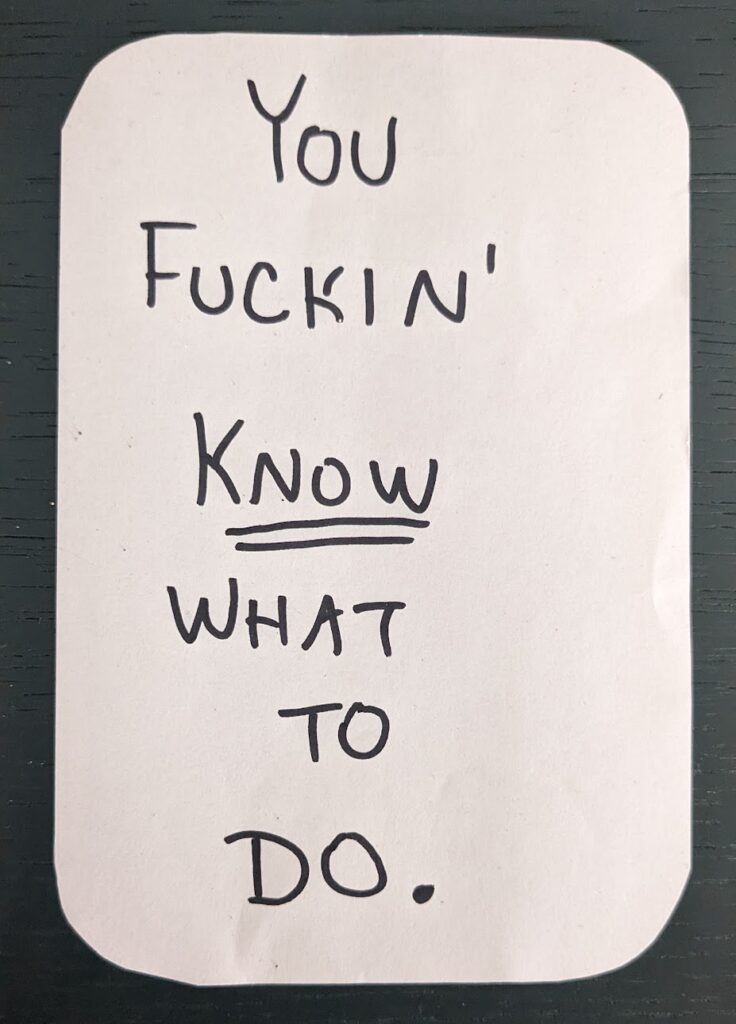
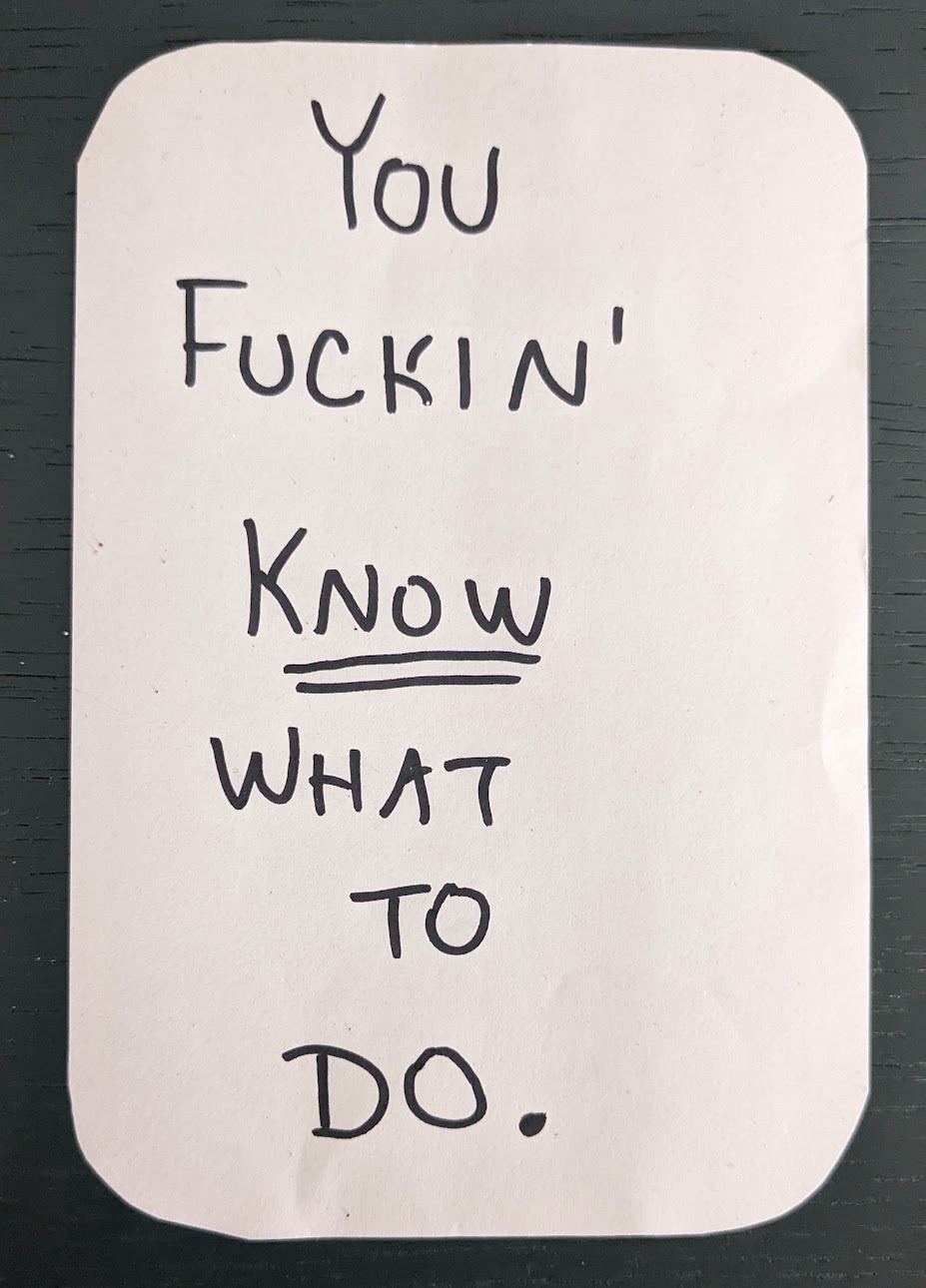
"I realized that I had been using my freedom to avoid things I didn’t feel like doing," he explains.
His solution is counterintuitive: instead of waiting for the "perfect conditions" to perform a task, he now uses the feeling of hesitation as a direct trigger for action. By viewing the instinct to avoid a challenge as a "red flag" for self-sabotage, he transforms the internal protest into an immediate signal to begin. If he thinks, "I don’t want to do this," he acknowledges that the very existence of that thought is the reason he must act immediately.
The Goggins Influence: Rethinking Mental Barriers
The most significant catalyst for this change was his deep dive into the philosophy of David Goggins, the retired Navy SEAL and ultra-endurance athlete. Through Goggins’ interviews and literature, Adeney was forced to reconcile his own "softness" with the extreme capabilities of the human spirit.
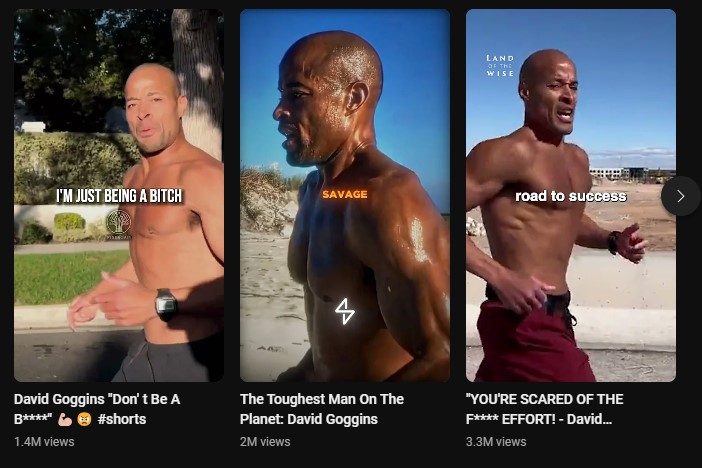
Goggins, known for overcoming severe trauma and pushing his body to the point of near-total physical failure, serves as a polarizing but effective mirror for the modern retiree. Adeney admits that he has no desire to emulate Goggins’ specific path—such as running 240 miles without sleep or shattering physical records—but he uses the concept of Goggins as a fuel for his own life.
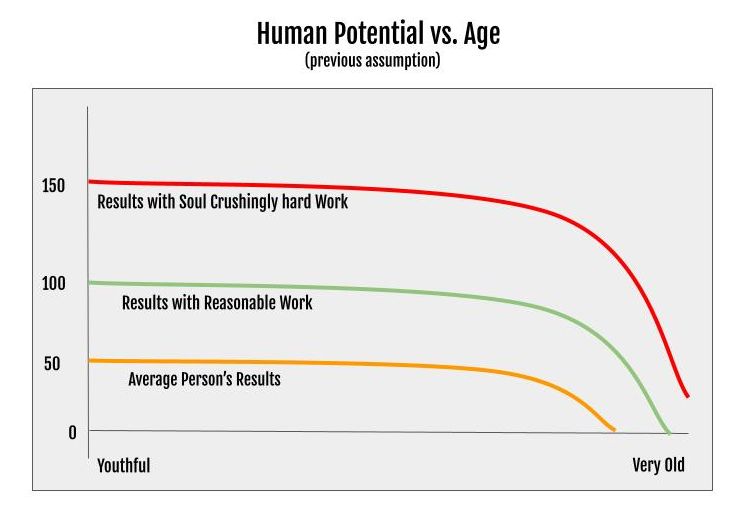
"I do find it incredibly helpful to learn that pretty much all of our barriers are entirely mental," Adeney says. By reframing his worldview, he transitioned from a mindset of "I can’t because it’s hard" to a realization that his limitations were self-imposed constructs. This mental shift has allowed him to return to a level of physical fitness he hadn’t experienced since his mid-twenties, including gaining ten pounds of lean muscle mass in just four months.
Implications for the FIRE Community
The implications of Adeney’s findings are profound for the FIRE movement and the broader population. For those who view retirement solely as a period of rest, the message is a warning: rest without purpose leads to decay.
Strategic Takeaways:
- Redefine Comfort: Excessive comfort is not a benefit of wealth; it is a threat to personal growth. The "comfort crisis" often leads to physical and mental atrophy.
- The Value of Friction: Meaningful life satisfaction is derived from overcoming challenges. If your life is entirely frictionless, you are likely failing to engage in activities that provide long-term fulfillment.
- Active Consumption: Adeney advocates for a curated approach to self-improvement. Whether it is through the works of Peter Attia, Jocko Willink, or David Goggins, the goal is to "absorb what works and discard the rest."
Official Perspectives on Modern Motivation
While some critics argue that the "hustle" mentality promoted by figures like Goggins and Willink may encourage burnout, Adeney distinguishes his approach. He is not advocating for a life of endless labor, but rather for a life of intentionality. He notes that his friends who are "overachievers" often suffer from the opposite problem—a lack of rest—and suggests that the ideal state of living lies in the center of the spectrum: a balance between high-intensity output and meaningful, restorative leisure.
The medical and wellness communities have long supported the idea that physical exertion and cognitive challenges are essential for maintaining neurological and musculoskeletal health as one ages. By re-engaging with these difficult tasks, Adeney is not just improving his mood; he is investing in his long-term biological health.
Conclusion: A New Blueprint for Retirement
Pete Adeney’s recent reflections serve as a blueprint for those who have reached financial independence but feel the creeping dissatisfaction of an under-stimulated life. By identifying the "moment of hesitation" and leveraging external inspiration to overcome the inertia of comfort, he has successfully revitalized his own daily experience.
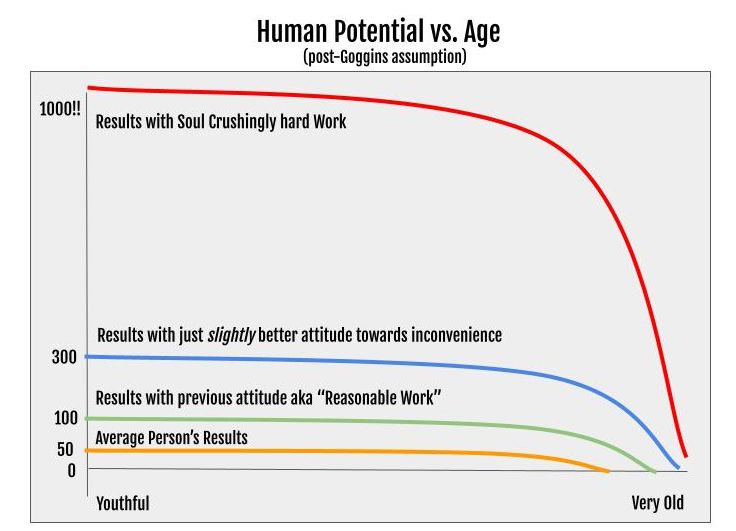
The core lesson is that freedom is not an end state, but a tool. To use it correctly requires the same discipline, if not more, than was required to build the wealth to achieve it in the first place. As Adeney concludes, the goal is not to live like a soldier or an athlete, but to be strong enough to choose how one spends their time—and to ensure that those choices remain aligned with one’s highest values rather than one’s lowest impulses.
