

Date: October 26, 2026
Location: Detroit / Washington / Wolfsburg
The automotive industry is currently navigating its most volatile period in decades. As global supply chains face mounting pressure from protectionist trade policies, rising geopolitical tensions, and a seismic shift toward electrification, legacy manufacturers are being forced to make drastic strategic pivots. Today’s report dives into the major headlines shaking the sector, headlined by Audi’s surprise entry into American domestic manufacturing, alongside brewing labor unrest in Germany and the persistent uncertainty surrounding U.S.-Canada trade relations.
1. The Strategic Pivot: Audi Announces First-Ever U.S. Manufacturing Facility
In a move that signals a profound shift in global automotive strategy, Audi AG has officially confirmed it will establish its first-ever production facility in the United States. The plant, to be located in Macon, Georgia, represents a high-stakes gamble by the German luxury brand to insulate itself from the increasingly punitive tariff regime currently being enforced by the Trump administration.
The Announcement
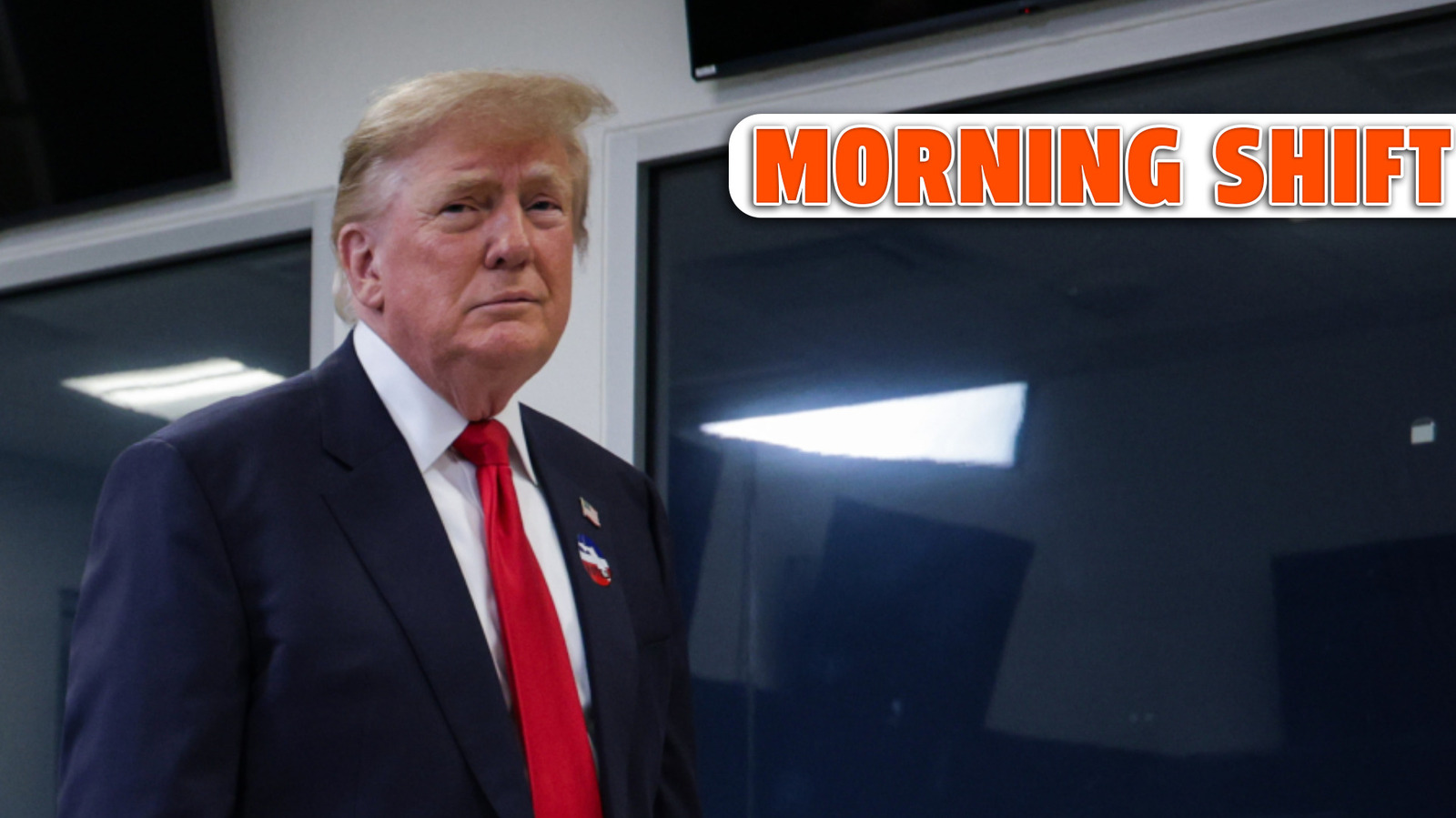
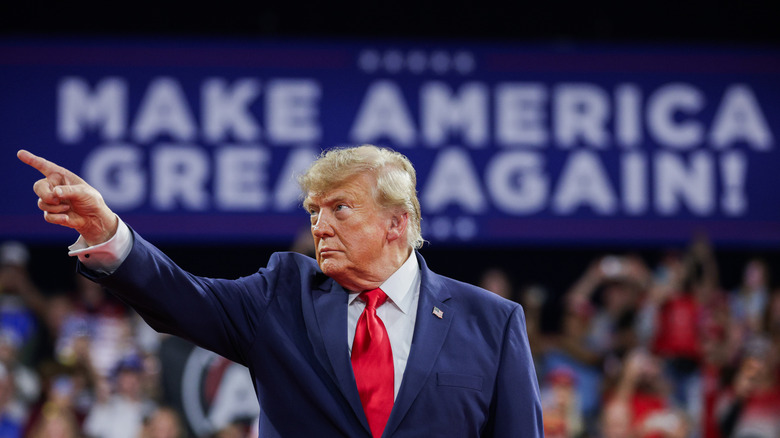
The news was delivered in a high-profile manner during a midterm campaign rally in Perry, Georgia, this past Saturday. Audi AG CEO Gernot Dollner appeared alongside President Donald Trump to announce the facility, which is slated to produce 200,000 vehicles annually. Construction is scheduled to commence as early as next month, marking a remarkably fast-tracked timeline for an industrial project of this scale.
“I’m thrilled to announce a massive auto manufacturing investment in the great state of Georgia by a fantastic company,” President Trump told the crowd. For the administration, the move is a political win, providing tangible evidence of the "reshoring" manufacturing strategy that has been a hallmark of current trade policy.
The Corporate Rationale
For Audi, the decision is less about politics and more about economic survival. The brand, like many European manufacturers, has been battered by the cost of importing vehicles into the U.S. market. By localizing production, Audi aims to bypass the 25% tariff burden on imported vehicles, thereby protecting margins and maintaining price competitiveness against domestic and Asian rivals. However, the decision to align so publicly with a polarizing political figure has sparked significant debate within industry circles. Critics wonder if tethering the brand to a specific political administration will serve the company well in the long term, particularly given the unpredictability of shifting midterm political tides.
2. Chronology: A Week of Industrial Turbulence
The events of the past week underscore a rapidly fracturing global auto market. Below is a timeline of the key developments:
- October 23: Volkswagen officially terminates the majority of its wage agreements with German employees, signaling an aggressive cost-cutting drive.
- October 23: Chery Automobile Co. confirms it is scouting locations in Canada, viewing the northern neighbor as a strategic gateway to the North American market.
- October 24: President Trump rallies in Georgia, announcing the Audi investment in Macon.
- October 25: Automotive industry analysts scramble to adjust long-term production forecasts following the Audi announcement.
- October 26: Labor unions representing Volkswagen workers issue a formal threat of strike action, effective January, if wage and benefit deals are not reinstated.
3. The Volkswagen Crisis: A Looming Labor Showdown
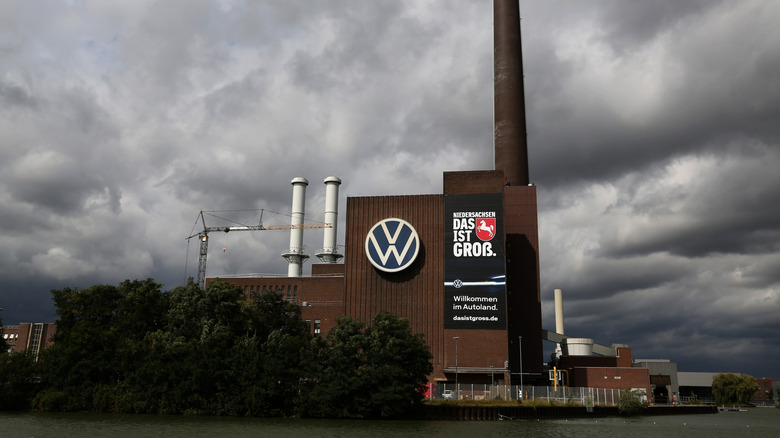
While Audi looks toward American expansion, its parent company, Volkswagen, is facing an existential crisis at home. The manufacturer has initiated an aggressive austerity program, citing fierce competition from Chinese automakers and the heavy burden of U.S. trade tariffs.
The Conflict
Volkswagen’s decision to unilaterally terminate long-standing wage deals has effectively put decades of labor standards—including protected holiday pay and strictly regulated working hours—on the chopping block. The company’s management argues that without these cuts, the firm cannot remain solvent while transitioning to electric vehicles and absorbing the costs of international trade disputes.

The response from labor leaders has been swift and severe. With the threat of a strike looming for January, the company faces a potential production standstill that could cost billions in revenue.
Economic Implications
Labor experts note that the conflict highlights a fundamental tension: how can a legacy automaker satisfy the capital requirements of a high-tech EV transition while simultaneously maintaining a high-cost domestic workforce? If Volkswagen cannot bridge the gap between management’s cost-cutting requirements and the workers’ standard of living, the company risks a protracted labor dispute that could paralyze its European operations during a critical period of global competition.
4. Supporting Data: The Trade War Landscape
The current automotive climate is defined by the "Trade War" era. The following factors are currently shaping manufacturer decisions:
- Tariff Pressure: The U.S. maintains a 25% tariff on imported vehicles. This duty is specifically applied to non-U.S. content in vehicles, making local production in the U.S. or through NA-compliant regions like Canada and Mexico a primary objective for global firms.
- Chinese Market Penetration: Chinese manufacturers, led by companies like Chery, are aggressively pursuing production outside of China to evade high tariffs. By looking to set up plants in Canada, these companies are effectively attempting to use the USMCA (United States-Mexico-Canada Agreement) to gain a foothold in the American market.
- Approval Ratings and Corporate Risk: Analysts are increasingly looking at the "political risk premium." As companies align with specific politicians to gain regulatory favors, they expose themselves to the volatility of election cycles. With current approval ratings for the administration hovering near 34%, the "Audi-Trump" alliance is being viewed as a high-risk, high-reward strategy.
5. Official Responses and Implications
The Diplomatic Pivot
President Trump has recently signaled a change in tone regarding the ongoing trade dispute with Canada. Suggesting that the nation is "willing to give us anything" to secure a deal, the administration is pushing for a swift resolution. However, industry insiders remain skeptical. A resolution would likely involve significant concessions on the part of Canada, potentially opening the door for Chinese manufacturers like Chery to enter the U.S. via the back door.
Future Implications
The implications for the American consumer are twofold:
- Price Volatility: While localized production (like the new Audi plant) may help stabilize prices for European luxury vehicles, the broader market remains vulnerable to supply chain disruptions and trade-related cost increases.
- Market Diversity: The potential entry of Chinese manufacturers like Chery into the North American market represents the most significant shift in the competitive landscape in decades. If a trade deal allows these vehicles to enter, American consumers could see a significant increase in price competition, though this will likely be met with intense protectionist resistance from domestic automakers.
6. Closing Thoughts: The Road Ahead
As we look toward the final quarter of 2026, the automotive industry finds itself at a crossroads. The convergence of Audi’s Georgia expansion, the threat of a massive Volkswagen strike, and the potential influx of Chinese manufacturers via Canada suggests that the "rules of the road" are being rewritten in real-time.
For the average driver, the takeaway is clear: the era of global, frictionless automotive manufacturing is over. We are entering an era of regional hubs, localized production, and significant political intervention. Whether these maneuvers by manufacturers like Audi will pay off, or whether the looming labor unrest in Europe will spark a wider crisis for the industry, remains to be seen.
The Fuel Up: As of today, fuel prices remain elevated, reflecting the instability of the global energy market. Industry experts recommend monitoring regional price indices closely, as fluctuations in supply chain efficiency continue to trickle down to the pump.
On the Radio: For those looking for a bit of nostalgia amidst the chaos, we leave you with Peter Frampton’s "Baby I Love Your Way"—a reminder that sometimes, even in a high-stakes, high-pressure world, it is worth finding a moment of calm.
