

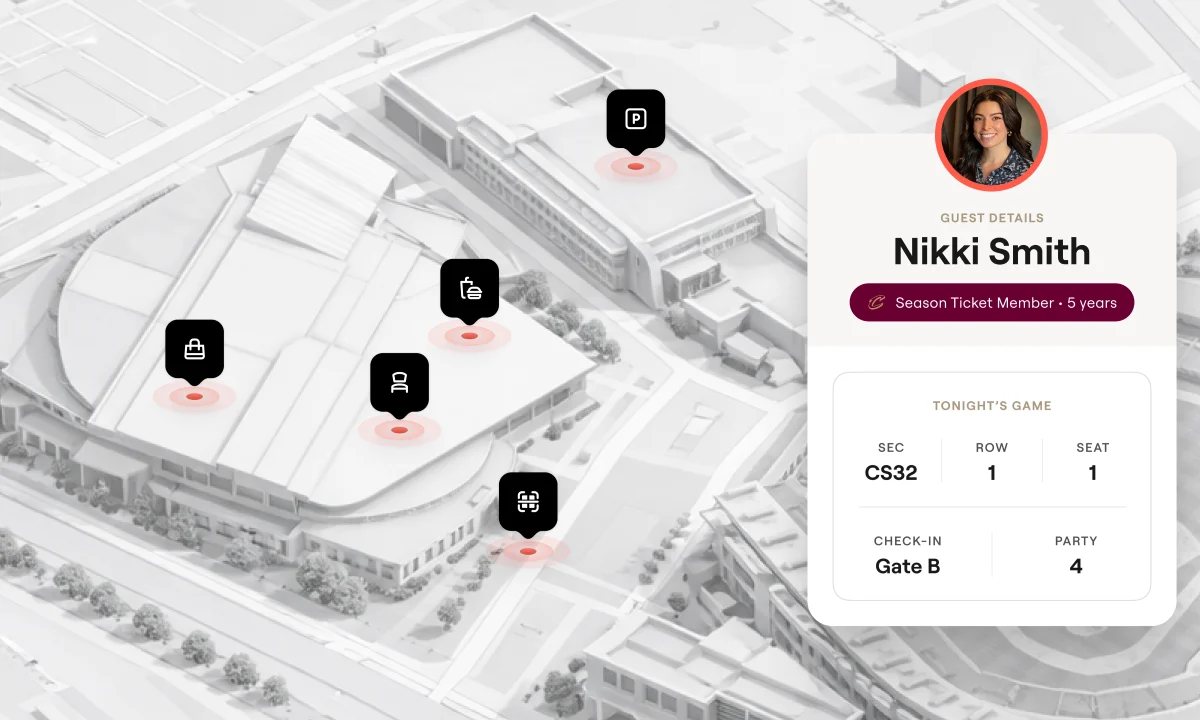
In the high-stakes world of professional sports and global concert tours, the physical venue is undergoing a radical metamorphosis. No longer merely a concrete shell where an event occurs, the modern arena is being reimagined as a sophisticated, managed commerce environment. This transformation, driven by the convergence of persistent digital identity, real-time personalization, and integrated payment systems, is fundamentally altering the "fan journey" from a series of disjointed transactions into a seamless, high-velocity experience.
As the industry pivots away from traditional ticketing models, platforms like SeatGeek are leading the charge in building a new infrastructure that mirrors the frictionless efficiency of eCommerce giants and the immersive ecosystems of world-class theme parks.
Main Facts: The Shift from Tickets to Total Identity
The core of this evolution lies in the transition from the "ticket" as a mere entry permit to the "ticket" as a digital anchor for a fan’s entire identity. Historically, a sports team or venue operator knew very little about the person sitting in Section 102 beyond the fact that a seat was sold. Today, the goal is a "360-degree fan view" that connects attendance patterns with real-time purchasing behavior and physical movement within the venue.
According to Brannon Desseyn, Product Manager at SeatGeek, the fan’s journey now extends far beyond the moment they pass through the turnstiles. The industry is moving toward a system built on:
- Persistent Identity: Linking a single digital profile to ticketing, concessions, merchandise, and loyalty programs.
- Real-Time Personalization: Using location-based triggers to send tailored offers the moment a fan enters a specific zone.
- Integrated Payments: Leveraging mobile wallet technology (Apple Wallet and Google Wallet) to eliminate the "latency" of traditional commerce.
- Behavioral Orchestration: Using data to manage crowd flow, such as rerouting fans to less congested gates or concession stands in real-time.
By treating the venue as a managed commerce environment, operators are not just selling a game or a concert; they are curating a premium, low-friction experience designed to maximize both fan satisfaction and per-capita spending.
Chronology: The Evolution of the Fan Experience
The path to the modern "smart venue" has been decades in the making, evolving through several distinct eras of technology and consumer expectation.
The Era of the Physical Stub (Pre-2010s)
For most of the 20th century, the fan journey was linear and anonymous. A fan purchased a paper ticket, arrived at the venue, and became a ghost to the operator once they entered. Transactions for food and souvenirs were cash-based and entirely disconnected from the ticketing data. The "event life cycle" was strictly defined: the hour before the game, the game itself, and the immediate exit.
The Digital Transition and Fragmentation (2010–2020)
The rise of the smartphone introduced digital ticketing, but it also created a "patchwork" problem. Venues began adopting specialized technologies—one for ticketing, another for point-of-sale (POS) at concessions, and yet another for the team’s mobile app. While these systems were digital, they rarely "talked" to one another. A fan might be a season ticket holder in the ticketing system but a complete stranger to the staff at the merchandise stand.
The Pilot Phase: The Cleveland Cavaliers Experiment (2024)
The current era began to take shape during the 2024 NBA playoffs. When the Cleveland Cavaliers entered the postseason at Rocket Mortgage FieldHouse, SeatGeek utilized the high-pressure environment to test a new thesis on venue infrastructure.
During this pilot, selected fans received push notifications the moment their tickets were scanned at the gate. These weren’t just "welcome" messages; they included $10 concession credits pushed directly into the user’s Apple or Google Wallet. This test proved that by integrating ticketing identity with payment credentials in a low-latency environment, a venue could influence fan behavior within seconds of their arrival.
The Future: The All-Day "Disney-Like" Experience
Moving forward, the industry is looking toward a model where the "event" is merely the anchor tenant of a much longer engagement. This mirrors the strategy of theme parks like Disney, where "MagicBands" and integrated apps handle everything from entry to dining to photo storage, keeping the consumer within a controlled, premium ecosystem for the duration of their stay.
Supporting Data: Breaking Down the "Latency" Barrier
The primary enemy of the modern venue operator is "latency"—the time spent waiting, whether it is waiting for a ticket to scan, waiting in line for a hot dog, or waiting for a payment to process.
The Cost of Friction
Industry data suggests that friction is a direct deterrent to revenue. A fan who perceives a 20-minute wait for concessions is significantly less likely to leave their seat, resulting in lost "impulse buy" opportunities. By contrast, reducing the transaction time to a few taps on a mobile wallet increases the likelihood of multiple purchases throughout the event.
The Power of Integrated Systems
Desseyn points out that the problem isn’t a lack of data; it’s the fragmentation of it. In a traditional setup:
- Ticketing Data tells you who is in the building.
- POS Data tells you what is being sold.
- CRM Data tells you who the "valuable" fans are.
The breakthrough occurs when these data sets are merged. If an operator knows that 500 people scanned into a specific gate in the last five minutes, they can use that data to trigger an offer for a nearby, under-utilized concession stand, effectively balancing the load across the venue infrastructure.
The Role of Mobile Wallets
The rapid advancement in card-issuing technology by Apple and Google has been the "missing link" for venue operators. By pushing virtual prepaid cards or loyalty credits directly into a wallet that the fan already uses for everything else, the barrier to entry for "integrated commerce" disappears. There is no new app to download or complicated registration process at the point of sale.
Official Responses: Insights from the Front Lines
The shift toward a "managed commerce environment" is being driven by a change in how sports teams and venue owners perceive their own business models.
Brannon Desseyn of SeatGeek emphasizes that the goal is to make the technology invisible. "We’re really going for these moments where the latency is so low that the fan is almost saying to themselves, ‘Wow, that was it? That’s all it takes?’" he told PYMNTS.
Desseyn notes that the investment in these "premium experiences" is a response to a broader trend in the entertainment industry. "One of the trends that we see… is this investment in teams to create premium experiences. It almost takes on a Disney-like experience, where it’s not just like you’re going to a game for three hours. You’re spending the whole day thinking about the Cavs, being on site with the Cavs."
From the perspective of venue operators, this technology is a tool for "behavioral orchestration." It allows them to move away from being passive hosts and toward being active curators. If a gate is backed up, the system can automatically reroute fans. If merchandise sales are slow in the second quarter, a targeted "flash sale" can be pushed to the phones of fans already in the building.
Implications: The Future of Live Entertainment
The successful integration of identity and payments has profound implications for the future of the live event industry, stretching far beyond the four walls of the arena.
1. The Monetization of the Entire Life Cycle
By stretching the "event life cycle," teams can engage with fans long before they arrive and long after they leave. A fan’s digital identity can be used to offer "at-home" viewing packages, exclusive digital collectibles (NFTs), or early access to next season’s tickets based on their in-venue spending habits.
2. Operational Efficiency and Labor Optimization
A venue that understands fan flow in real-time can optimize its staffing. If data shows that fans are increasingly using mobile ordering, the venue can convert traditional concession stands into "express pickup" windows, reducing the need for manual cash handling and shortening lines for everyone.
3. The "Premiumization" of the Average Fan
While "premium experiences" were once reserved for suite holders and VIPs, integrated technology allows operators to provide a "VIP-lite" experience to the average fan. A $10 credit or a personalized greeting at the gate makes the casual attendee feel like a valued stakeholder, increasing brand loyalty and the likelihood of return visits.
4. Data Privacy and the Identity Exchange
As venues collect more granular data on fan behavior, the conversation around data privacy will intensify. The "managed commerce environment" relies on a trade-off: fans provide their data and identity in exchange for a frictionless, enhanced experience. Maintaining this trust will be paramount for operators as they build out these persistent identity profiles.
5. Competitive Pressure on Legacy Venues
Venues that fail to upgrade their digital infrastructure risk falling behind. In an era where fans can watch games in 4K from the comfort of their homes, the physical experience must offer something "extra." The seamless, "Disney-like" journey is no longer a luxury; it is becoming the baseline expectation for the modern consumer.
In conclusion, the work being done by SeatGeek and teams like the Cleveland Cavaliers represents a tipping point. The "ticket" is no longer the product—it is the key to a digital ecosystem that prioritizes the fan’s time, preferences, and ease of transaction. As the line between physical and digital commerce continues to blur, the arena of the future will be defined not by its seating capacity, but by its ability to recognize and reward the individual fan in real-time.
