

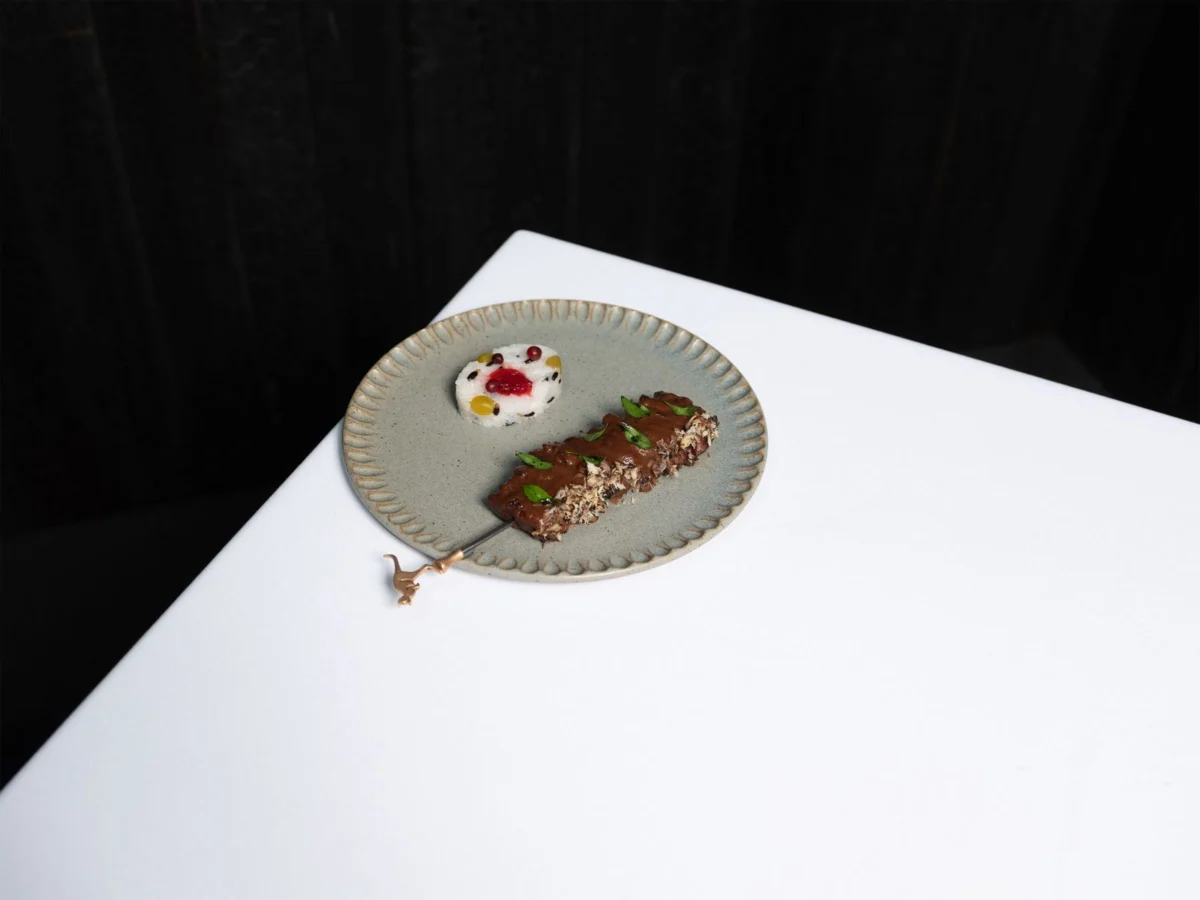
For over 60,000 years, the Australian landscape was not a wild, untamed frontier, but a meticulously managed garden. Across the vast expanse of the continent, Indigenous Australians utilized sophisticated aquaculture, irrigation, and fire-stick farming to cultivate a bounty of over 6,500 edible plants and animals. Yet, following the arrival of the First Fleet in 1788, this history was systematically obscured, replaced by European agriculture and a colonial narrative that painted Aboriginal inhabitants as nomadic hunter-gatherers.
Today, a quiet revolution is taking place in the kitchens, farms, and research archives of Australia. Led by a coalition of Indigenous thinkers, farmers, and forward-thinking chefs, the country is undergoing a profound culinary reckoning. By rediscovering the ingredients that have been there all along—from the protein-rich kangaroo grass to the vitamin-dense Kakadu plum—Australia is finally beginning to acknowledge its true agricultural past and define a national cuisine that is uniquely and authentically its own.
/https://tf-cmsv2-smithsonianmag-media.s3.amazonaws.com/filer_public/3b/7d/3b7d4725-11d2-4fba-8c91-cfe81b32fb44/stephanierosewood_attica_smithsonian_20250508-4487.jpg)
The Architect of Memory: Bruce Pascoe and the "Dark Emu" Effect
At the center of this movement stands Bruce Pascoe, a 78-year-old author and farmer whose 2014 book, Dark Emu, acted as a seismic shift in the Australian consciousness. While digging through the Victoria State Library, Pascoe unearthed historical journals from explorers like Major Thomas Mitchell and George Grey. These accounts described landscapes that looked like hayfields, wells perforated with care, and complex fish traps—evidence of a settled, agricultural society.
"I didn’t learn that in my history classes—any of that," Pascoe says, standing on his farm, Yumburra, in the East Gippsland region of Victoria. "It had been hidden from us deliberately."
:focal(1720x1294:1721x1295)/https://tf-cmsv2-smithsonianmag-media.s3.amazonaws.com/filer_public/3b/7d/3b7d4725-11d2-4fba-8c91-cfe81b32fb44/stephanierosewood_attica_smithsonian_20250508-4487.jpg)
At Yumburra, a 140-acre former cattle ranch, Pascoe and his partner, Lyn Harwood, are putting history into practice. Through their enterprise, Black Duck Foods, they are reviving the cultivation of kangaroo grass, a perennial with a seed containing 27 percent protein. By threshing these seeds into flour and planting rows of native lilies—like the crunchy, radish-like chocolate and vanilla lilies—they are demonstrating that the land does not require the intensive, often destructive, techniques of imported European farming to be productive.
A Chronology of Culinary Erasure and Rebirth
The timeline of Australian food reflects the broader trauma and resilience of its original inhabitants:
/https://tf-cmsv2-smithsonianmag-media.s3.amazonaws.com/filer_public/6c/4e/6c4e2132-af99-4ff6-bcd6-0251378de806/stephanierosewood_smithsonian_20241025-431.jpg)
- Pre-1788: Indigenous Australians practice sophisticated land management, including fire-stick farming and complex aquaculture, sustaining a vast population on native flora and fauna.
- 1788–1850s: The arrival of the First Fleet introduces European livestock and monoculture. Indigenous land is seized, and traditional food systems are decimated, leading to a reliance on government rations.
- 1983: Jean-Paul Bruneteau opens Rowntrees in Sydney, arguably the first restaurant to fuse European technique with native ingredients, introducing witchetty grubs and quandongs to the urban palate.
- 1990s: A brief "Bush Tucker" trend emerges but largely fails to gain mainstream traction, remaining a niche curiosity.
- 2006: Chef Mark Olive launches the television series "Outback Cafe," bringing native ingredients into the living rooms of everyday Australians and sparking a new generation of interest.
- 2014: Publication of Dark Emu re-centers the conversation on Indigenous agricultural sophistication.
- 2023–2026: Native ingredients move from "novelty" to "gastronomic necessity" in high-end venues like Attica and the newly established Midden at the Sydney Opera House.
Supporting Data: The Potential of the Native Pantry
The breadth of Australia’s native food source is staggering. Documentation confirms at least 6,500 distinct edible species. However, the current economic reality remains stark. According to industry estimates, while the native foods and botanicals sector is expanding—driven significantly by the pharmaceutical and beauty industries—Aboriginal-owned businesses currently account for only 2 percent of the revenue generated.
Chefs like Ben Shewry of the world-renowned Attica restaurant argue that the supply chain is the missing link. "We don’t really have a consistent supply chain for some of these foods," Shewry notes. The lack of infrastructure means that high-end restaurants often rely on small-scale, isolated foragers, leaving the primary benefits of the "native superfood" boom in the hands of third-party corporations rather than the Traditional Owners of the land.
/https://tf-cmsv2-smithsonianmag-media.s3.amazonaws.com/filer_public/0b/30/0b30b942-79f7-431f-87c5-f0498039ab84/stephanierosewood_smithsonian_20241025-979.jpg)
Official Responses and the Push for Cultural Equity
The disconnect between the culinary popularity of "bush tucker" and the economic marginalization of Indigenous communities has triggered a necessary response. Organizations like Gather Foods in Perth are taking the narrative back. Founded by Gerry Matera, the company operates as a bridge between ancient knowledge and modern demand.
"We started the business really to take the narrative back around native food," Matera explains. By hosting "Bush Tucker Talks and Tastings" and providing a commercial outlet for native spices and jams, Gather Foods aims to ensure that when Australians consume saltbush or wattleseed, they are also participating in a process of cultural acknowledgment.
/https://tf-cmsv2-smithsonianmag-media.s3.amazonaws.com/filer_public/65/7a/657a98ce-1f32-4a32-85fa-52360114ae60/stephanierosewood_smithsonian_20241025-954.jpg)
Bruce Pascoe, meanwhile, is moving toward a model of total stewardship transfer. In early 2025, he began transitioning the management of Yumburra to the local Indigenous community. "If we have anything to do with it," Pascoe says, "there will be cultural acknowledgment, and Aboriginal people will benefit."
Implications: A Cuisine of Conscience
The implications of this movement extend far beyond the plate. At a restaurant like Attica, a 12-course meal is more than a display of technique—it is a lesson in geography and history. When diners consume a miniature map of Australia featuring muntries from South Australia, green ants from the Northern Territory, and warrigal greens from New South Wales, they are being asked to engage with the continent’s true, deep-time identity.
However, the movement faces significant hurdles. The "bush tucker" caricature, popularized by 1980s films like Crocodile Dundee, persists in the public imagination, often reducing complex agricultural traditions to survivalist stunts. Furthermore, the cosmetic industry’s tendency to source ingredients cheaply from Indigenous communities without adequate compensation or intellectual property recognition remains a point of contention.
As Mark Olive, the chef behind the new Midden restaurant at the Sydney Opera House, reflects, the journey from being an outsider to an icon has been long. "If you said to me that an Indigenous bloke from Dapto would one day open a restaurant at the Sydney Opera House, I would’ve said, ‘That’s mission impossible.’"
/https://tf-cmsv2-smithsonianmag-media.s3.amazonaws.com/filer_public/97/08/97085681-a75a-4386-80c0-a75b8b750602/stephanierosewood_markolive_smithsonian_20260206-9532.jpg)
Today, it is no longer impossible. The revival of native foods is a fundamental step in Australia’s maturation as a nation. It is a process of unlearning the myths of the colonial past and relearning the sophisticated, sustainable, and deeply rooted practices of the continent’s first farmers. By honoring the land and the people who managed it for millennia, Australia is finally discovering that its most innovative culinary future lies in its most ancient past.
As the embers of the old ways are fanned back into a flame, the question for the modern Australian diner is no longer "What can we import to make our food better?" but "How can we listen to the land that has been providing for us all along?" The answer is found in every bite of kangaroo grass bread, every taste of quandong jam, and every respectful acknowledgment of the hands that have tended this country since the dawn of time.
