

Introduction: A Monument to Modern Necessity
In the heart of Newark, New Jersey, a towering figure has emerged—not of stone or bronze, but of the very material that defines our modern era’s disposable culture: plastic. Contemporary artist Willie Cole, a Newark native whose work has long bridged the gap between everyday detritus and profound social commentary, has unveiled his latest masterwork, The Water Bottle Giant.
The installation, recently highlighted in an exclusive artist talk at The Newark Museum of Art, serves as more than just a visual spectacle. It stands as a profound critique of environmental negligence, the commodification of basic human needs, and the power of collective action. Composed of 10,000 individual water bottles, the structure is a haunting, translucent totem that forces viewers to confront the physical footprint of their daily habits.
Main Facts: The Architecture of Waste
The Water Bottle Giant is a testament to the scale of global plastic pollution. The statistics surrounding the project are staggering. To construct the giant, Cole did not simply source materials from a recycling plant; he engaged the Newark community, turning a logistical challenge into a participatory art project.
The sculpture stands as an imposing figure, its translucent surface catching the light to create a stained-glass effect that belies the sinister nature of its components. Each bottle represents a singular instance of consumption—a moment of thirst quenched, followed by the discarding of a container that will outlive the person who held it by centuries. By aggregating these 10,000 units, Cole transforms the invisible burden of waste into a tangible, monolithic presence that cannot be ignored.
Chronology: From Concept to Community Engagement
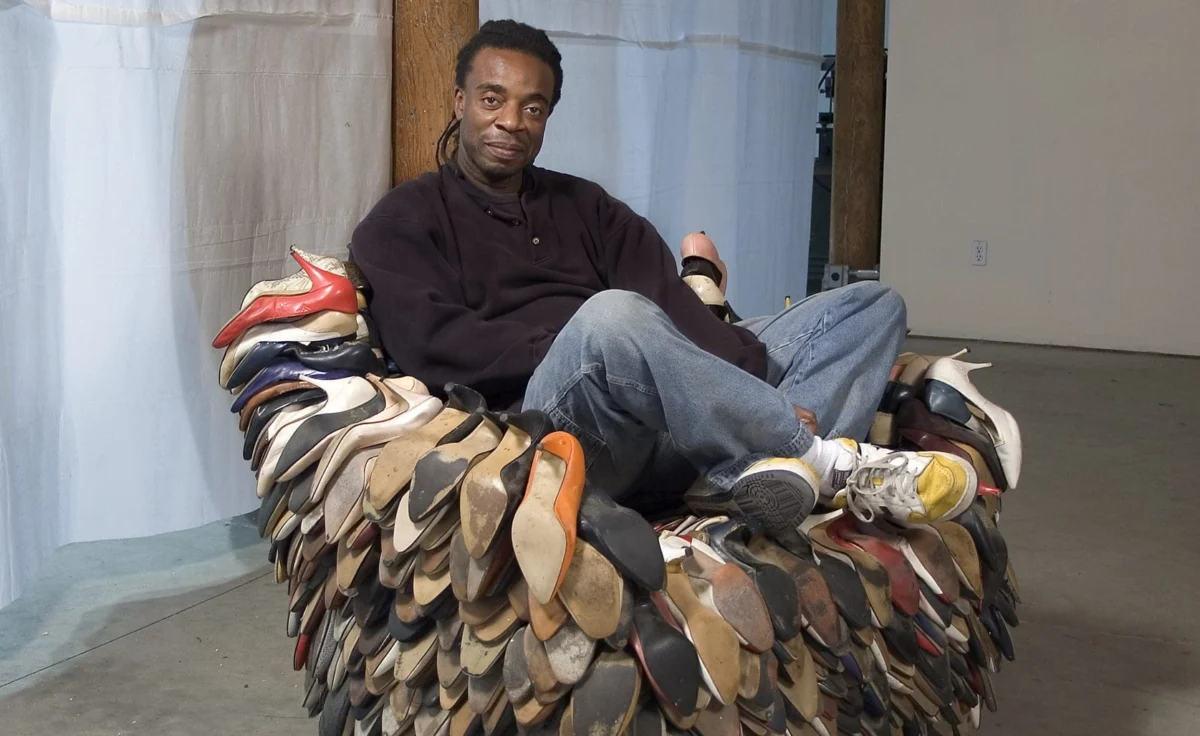
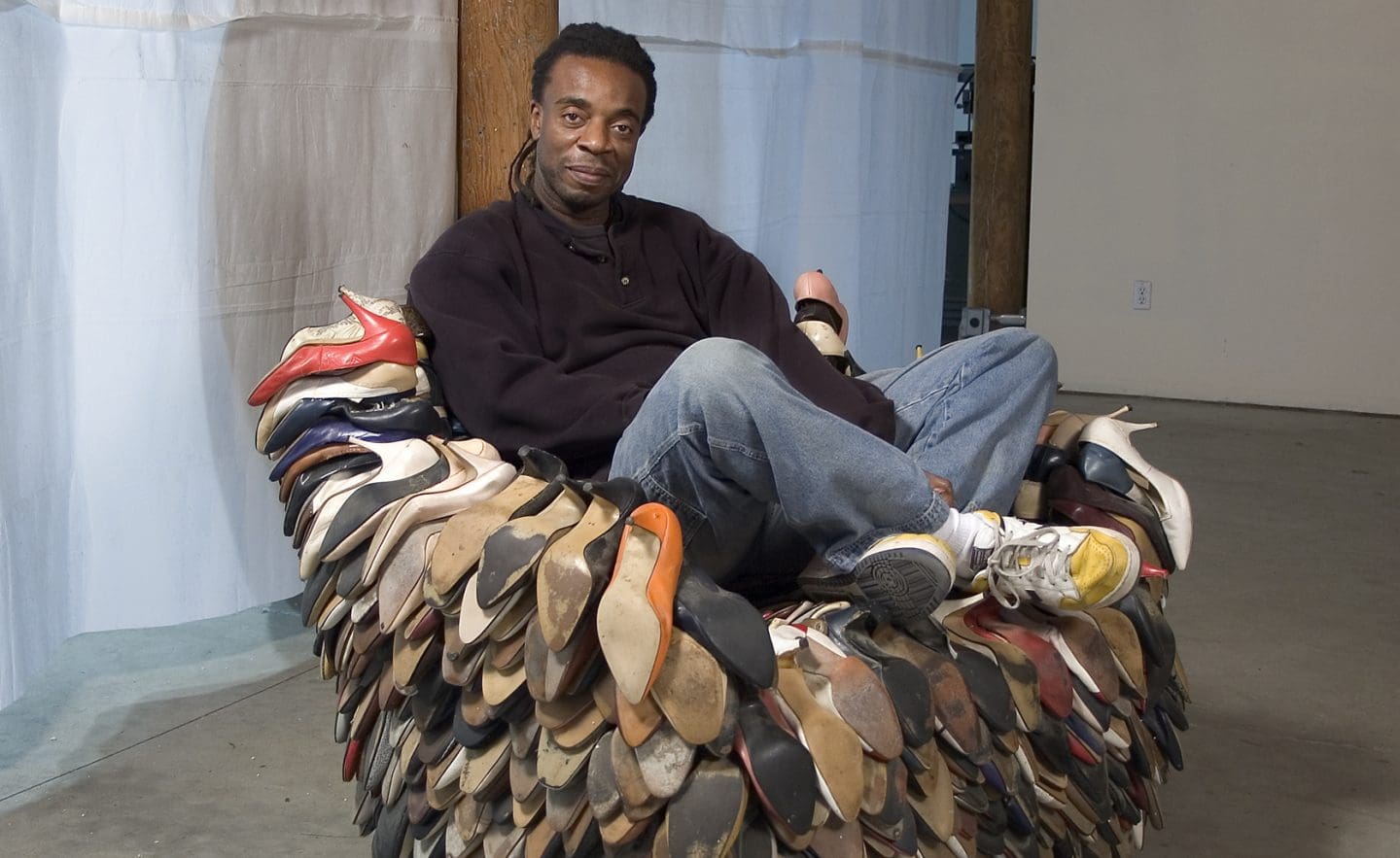
The journey of The Water Bottle Giant began with a simple observation of the urban landscape. For years, Cole has utilized found objects—from high-heeled shoes to steam irons—to explore themes of identity and African American history. However, this project marked a shift toward a more overt environmental focus.
- Phase I: The Conceptual Foundation (2021–2022): Cole began sketching the form of the "Giant," envisioning a figure that reflected the mythological "golem"—a being brought to life from inanimate matter.
- Phase II: Community Mobilization (Early 2023): Recognizing that the medium had to be sourced from the very community the work speaks for, Cole initiated a collection drive. Schools, local businesses, and community centers in Newark became collection points.
- Phase III: The Assembly (Late 2023): With the help of community volunteers, the arduous process of cleaning, sorting, and structural assembly began. This phase was documented as a social experiment, where the act of building became as important as the final product.
- Phase IV: The Unveiling (April 2024): The piece was presented at The Newark Museum of Art, accompanied by an artist talk where Cole detailed the intersection of his creative process and the urgency of the environmental crisis.
Supporting Data: The Global Crisis of Plastic
While the Giant is a work of art, its foundation is built upon grim global realities. The data surrounding single-use plastics provides the essential context for Cole’s work:
- Consumption Rates: According to industry reports, humans purchase over one million plastic water bottles per minute globally. Less than 10% of this plastic is actually recycled.
- The Water Paradox: The irony of using 10,000 water bottles to create art is not lost on the artist. In many urban environments, including parts of the United States, access to clean, affordable municipal water is often compromised by aging infrastructure, leading to a reliance on bottled water—a financial and environmental tax on the poor.
- Persistence: Plastic takes approximately 450 years to decompose. The Giant is, in effect, a time-traveling sculpture that will exist long after the artist and the audience have passed.
Official Responses and Artistic Critique
The reception of The Water Bottle Giant has been overwhelmingly positive within the arts community. Curators at The Newark Museum of Art have described the piece as a "pivotal moment in contemporary sculpture," noting that Cole successfully elevates the "readymade" object into the realm of high-concept social commentary.
"Willie Cole has the rare ability to make us look at the trash in our hands and see the history and the future of our civilization," one critic noted during the April 3rd exhibition talk. The dialogue surrounding the piece has shifted from purely aesthetic appreciation to a discussion on urban ecology. Municipal leaders in Newark have also praised the project for its ability to foster community cohesion, noting that the act of gathering the materials encouraged a city-wide conversation on sustainability.
Implications: Beyond the Gallery Walls
The implications of The Water Bottle Giant extend far beyond the museum floor. By centering his work on a material that is so readily available yet so destructive, Cole is challenging the viewer to consider their role in the cycle of waste.
1. The Ethics of Consumption
The project forces an uncomfortable question: If we are not willing to manage the waste we create, are we willing to stop consuming? Cole’s work suggests that we are currently in a state of denial, treating the accumulation of plastic as a "someone else’s problem" issue, when in reality, it is a shared global inheritance.

2. The Role of the Artist as Activist
Cole’s work reinforces the historical role of the artist as an agent of change. In the 21st century, the artist is no longer just a creator of beauty but a whistleblower for societal negligence. By using the "Giant" to represent the scale of waste, he is practicing what many call "Eco-Art"—a genre dedicated to raising awareness about the natural world.
3. Community-Based Art as Empowerment
Perhaps the most significant implication of the project is the inclusion of the Newark community. By involving local citizens in the assembly, Cole ensured that the message of the piece was co-authored. This creates a sense of stewardship among those who participated, potentially leading to long-term behavioral changes regarding recycling and water consumption in the Newark area.
Conclusion: The Giant’s Legacy
As the lights dim on the exhibit at The Newark Museum of Art, the Giant remains, casting a long shadow. Willie Cole’s work serves as a reminder that art is a lens through which we can view the most pressing issues of our time. It does not offer a technical solution to the plastic crisis—that remains the burden of scientists and legislators—but it offers something equally vital: the emotional and cognitive clarity to see the crisis for what it is.
The 10,000 bottles that make up the Giant are not just refuse; they are a monument to our consumption, a mirror held up to our habits, and a call to action for a more sustainable future. In the quiet, hollow space of the museum, the Giant speaks loudly, reminding us that every plastic bottle has a story, and it is up to us to decide how that story ends.
Appendix: A Summary of Key Takeaways
- Artist: Willie Cole, a renowned Newark-based sculptor.
- Primary Medium: 10,000 single-use plastic water bottles.
- Key Theme: The conflict between convenience and environmental sustainability.
- Community Impact: The piece was built through a collaborative community collection drive, fostering local engagement.
- Final Reflection: The sculpture challenges the viewer to reconsider their personal relationship with single-use plastics and the broader systemic issues of water access and waste management.
For further reading on the environmental impact of plastic waste, or to explore more of Willie Cole’s career, please visit the official archives of The Newark Museum of Art or check local community resources regarding plastic reduction programs.
