

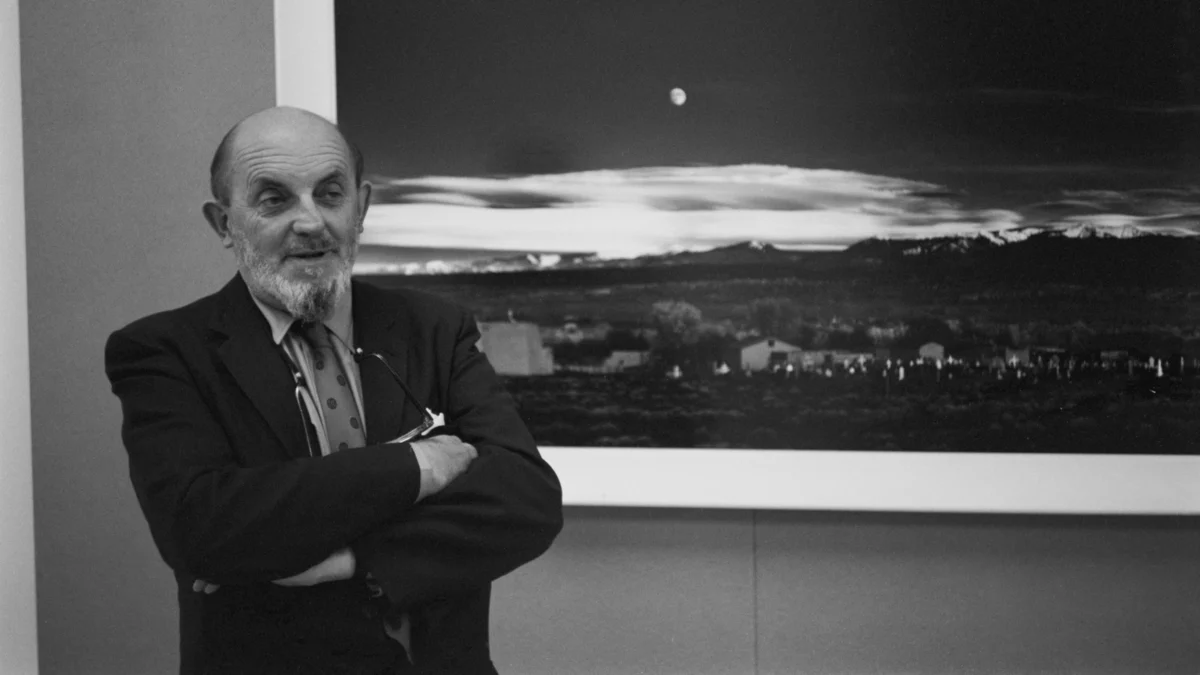
The intersection of artificial intelligence and historical preservation has hit a flashpoint. Last month, the hallowed halls of the Association of International Photography Art Dealers’ (AIPAD) "The Photography Show" became the stage for a controversy that pits the legacy of one of America’s most celebrated photographers against the unchecked application of generative AI.
At the center of the storm is an AI-generated, colorized interpretation of Ansel Adams’ 1941 masterpiece, Moonrise, Hernandez, New Mexico. The Ansel Adams Publishing Rights Trust, the legal entity tasked with protecting the artist’s intellectual property and reputation, has issued a searing condemnation of the display, labeling the act a "gross failure of ethical and professional judgment."
The Core Incident: An Unauthorized Vision
The controversy erupted when it was discovered that the Danziger Gallery had exhibited—and offered for sale—a colorized version of Moonrise. The image, a quintessential piece of American photography known for its stark, high-contrast monochrome depth, had been processed through an AI model to add color.
The Trust’s grievance is twofold: first, the lack of authorization for the derivative work; and second, the misleading commercial framing. By presenting an AI-generated product as a legitimate extension of Adams’ oeuvre, the gallery reportedly failed to credit any human creator behind the prompt-engineering or post-processing, essentially cloaking a machine-generated image in the prestige of the Adams name.
Chronology of the Dispute
The sequence of events highlights a growing tension between legacy holders and the rapidly evolving AI art market:
- Pre-Exhibition: The Ansel Adams Publishing Rights Trust received no notification or request for permission regarding the colorization or public display of the AI-altered Moonrise.
- The Exposure: During AIPAD’s "The Photography Show," the piece was displayed prominently, marketed as a commercial venture.
- The Intervention: Upon learning of the exhibit, the Trust contacted gallery owner James Danziger in real-time, issuing a formal notice of the Trust’s rights and demanding the immediate removal of the work.
- The Escalation: According to the Trust, the confrontation did not end with the removal. Evidence surfaced suggesting that Mr. Danziger continued to leverage the notoriety of the Moonrise incident to pursue broader commercial AI colorization ventures, specifically targeting the estates of other prominent photographers.
- The Public Denunciation: Over the weekend, the Trust released a formal statement on Instagram, bringing the matter into the public eye and establishing a firm boundary against the commodification of the Adams name via AI.
The Trust’s Position: It’s Not About the Technology
One of the most nuanced aspects of this controversy is the Trust’s stance on technology itself. In an era where many estates reflexively oppose AI, the Ansel Adams Publishing Rights Trust has adopted a surprisingly forward-thinking perspective.
The Trust explicitly stated that they do not object to the use of AI as a tool. They noted that Adams himself was "remarkably prescient about—and excited by—the potential of computers to transform photography." Adams, who spent much of his life pioneering the "Zone System" to manipulate light and exposure in the darkroom, likely would have viewed computation as a natural successor to his technical experimentation.
However, the Trust draws a hard line between innovation and appropriation. The issue, they argue, is not that AI was used to colorize the image, but that the process was used to "exploit Ansel’s name, reputation, and his most iconic image" without consent or transparency. The Trust asserts that the unauthorized commercialization of a dead artist’s work—effectively using their name to validate a new product—is an ethical breach that no amount of technological progress can justify.
The Ethical and Legal Implications
The incident at AIPAD raises profound questions regarding copyright, moral rights, and the future of the art market.
The Problem of Attribution
In the traditional art world, the artist’s hand is the source of value. When an AI generates an image, the "hand" is an algorithm trained on existing datasets. By failing to identify the human prompting the AI, the gallery effectively attempted to bypass the requirement for artistic provenance. If the work is "by" the AI, does it hold the same cultural value as an original Adams print? The Trust argues that by presenting it as an Adams work, the gallery was engaging in a deceptive practice that confuses the public and dilutes the artist’s legacy.
The Precedent of "Estate Exploitation"
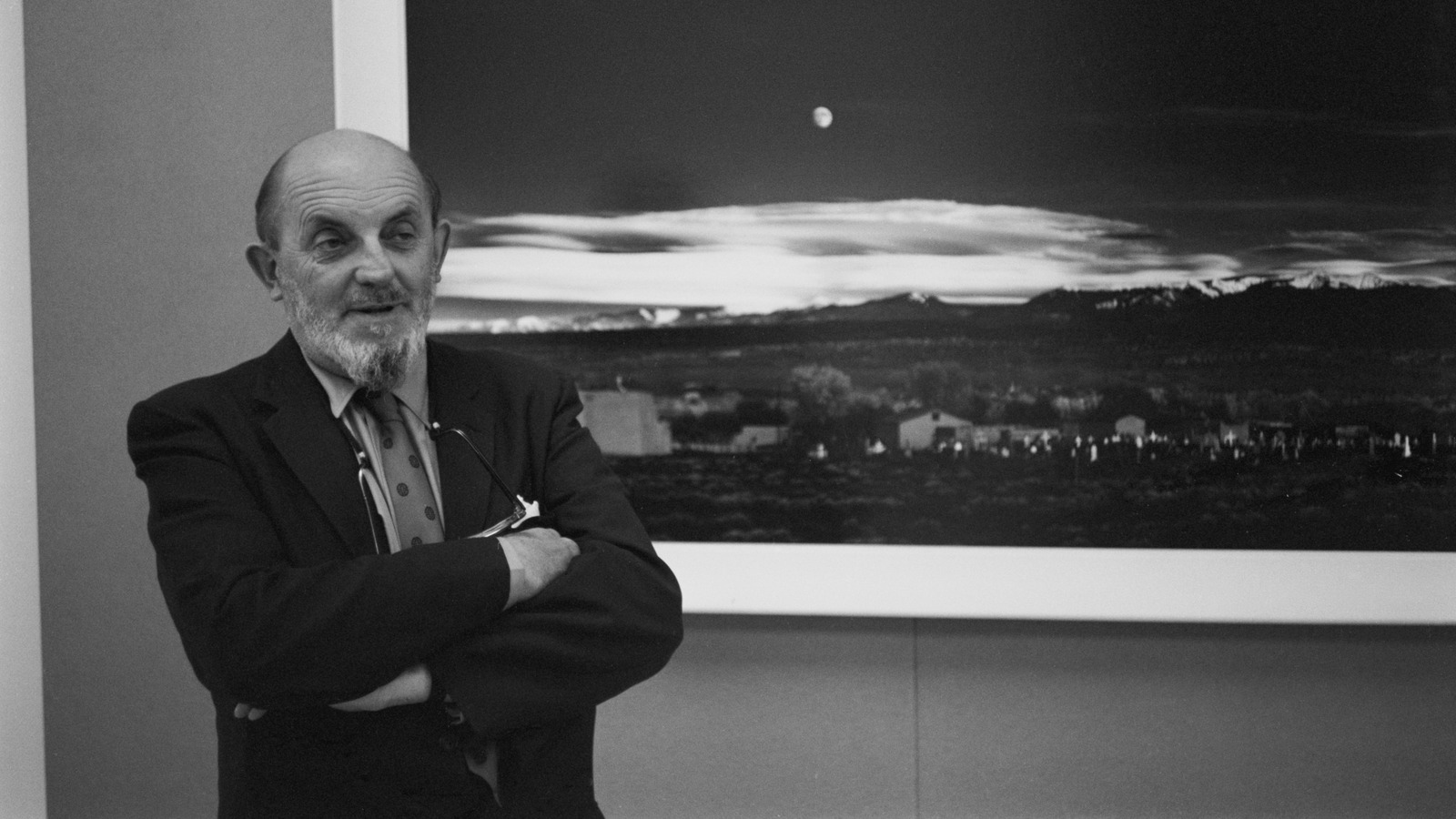
The Danziger Gallery’s alleged attempt to move from the Adams image to other estates suggests a business model built on "AI-washing" historical archives. If left unchecked, this could lead to a wave of AI-generated content that leeches off the hard-won reputations of 20th-century masters. For estates, this creates a defensive burden: they must now monitor the global art market for AI-generated derivative works that may violate their intellectual property rights or misrepresent their artists’ intentions.
Moral Rights and Commercialization
While copyright law in the United States often focuses on economic rights, many international jurisdictions recognize "moral rights"—the right of an artist to protect the integrity of their work and their reputation. Even if the AI work is deemed a "transformative" use in a courtroom, the Trust’s argument hits on a deeper, moral note: that the dignity of the artist is being compromised by the unauthorized colorization of a work that was intentionally designed as a monochrome study of light and shadow.
Official Responses and Industry Fallout
The reaction within the photographic community has been largely supportive of the Trust. The photography industry has long prided itself on the sanctity of the image, and the unauthorized manipulation of a seminal work like Moonrise is viewed by many as a desecration.
The Association of International Photography Art Dealers (AIPAD) now faces pressure to clarify its policies regarding AI-generated works at their shows. Critics are asking if the organization should implement stricter vetting processes to ensure that exhibitors are not presenting AI-generated material in a way that suggests it is an original photograph or an authorized derivative.
James Danziger, for his part, has found himself at the center of a firestorm regarding his gallery’s professional judgment. The Trust’s disclosure that he continued to use the incident to court other estates has painted the situation as a deliberate business strategy rather than a simple oversight.
The Road Ahead: Protecting Legacies in the AI Era
As AI tools become increasingly accessible, the incident involving the Ansel Adams Trust will likely be cited as a landmark case in the ongoing debate over digital provenance.
For other estates, the lesson is clear: the passive stewardship of an artist’s archive is no longer sufficient. Intellectual property must now be defended against a new class of "AI-entrepreneurs" who may seek to capitalize on famous names to give their generated content the appearance of authenticity.
The Ansel Adams Publishing Rights Trust has made its stance clear: they are the stewards of a legacy, not merely an archive of images. By challenging the unauthorized use of Moonrise, they have set a precedent that while the tools of the future are welcome, the unethical exploitation of the past will be met with the full force of the law and public scrutiny.
As we move forward, the art world must reconcile the excitement of technological potential with the necessity of maintaining the integrity of human achievement. Ansel Adams once wrote, "The negative is the equivalent of the composer’s score, and the print the performance." In the case of this unauthorized AI version, the Trust has signaled that the performance was not only uninspired but entirely illegitimate. The challenge for the future will be to ensure that the "score" of history remains in the hands of its composers, not the algorithms that seek to rewrite it for profit.
