

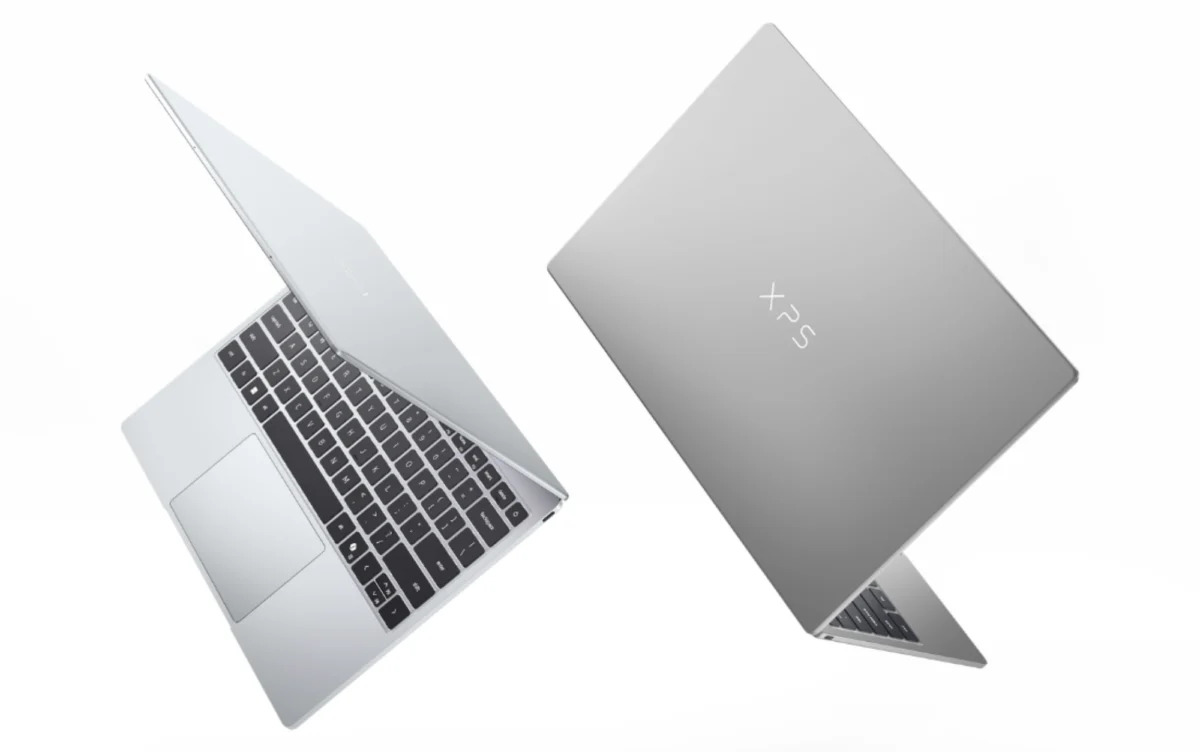
In a bold move that signals a significant shift in the competitive landscape of the personal computing industry, Dell officially unveiled its highly anticipated XPS 13 laptop at Computex 2026 in Taiwan this Monday. The announcement, coming nearly five months after an initial teaser at CES, marks a departure from Dell’s traditional "premium-only" philosophy. By pairing a CNC aluminum chassis with a starting price point of just $599 for students, Dell is making a direct, aggressive play to dethrone Apple’s "MacBook Neo," the device that currently holds the title of the market’s premier budget-friendly power-user machine.
The Evolution of a Flagship: Chronology of the XPS 13
The path to this launch was not a sudden reaction to market pressures but a calculated, 30-week development cycle.
- January 2026 (CES): Dell first hinted at a more accessible future for the XPS line. In a corporate blog post, the company teased that they were working on their most affordable XPS price point to date, sparking speculation about how they could maintain their premium build quality at a lower cost.
- Spring 2026: The launch of Apple’s MacBook Neo sent shockwaves through the PC industry, forcing major manufacturers to rethink their mid-range strategies. During this period, Dell’s engineering teams were already deep into the production phase of the new XPS 13.
- May 2026: As rumors swirled regarding the global RAM shortage and its impact on pricing, tech analysts feared that a budget XPS might be shelved.
- June 2026 (Computex): Dell officially reveals the new XPS 13, proving that despite economic headwinds and component scarcity, they were committed to the sub-$700 market segment.
Technical Specifications: Punching Above Its Weight
The new XPS 13 is designed to be the thinnest and lightest iteration of the line in Dell’s history. Weighing in at a mere 2.2 pounds, it undercuts the MacBook Neo by half a pound, positioning it as an ideal companion for students and digital nomads who prioritize portability above all else.
The Display and Performance Architecture
Dell has equipped the device with a 2.5K touchscreen, a feature absent in the Neo. The panel boasts 500 nits of brightness and full DCI-P3 color gamut coverage, ensuring that the visual experience remains "crisp and vibrant." Notably, the screen utilizes a variable 120Hz refresh rate. By scaling down to 30Hz when viewing static content—such as reading a PDF or scrolling through a text-heavy website—the system effectively preserves battery life.
Under the hood, the device launches with Intel’s new entry-level "Wildcat Lake" Core Series 3 chips. While this is the "budget" tier, it is built on a modern architecture that provides efficient multitasking. Dell has confirmed that a more powerful "Panther Lake" variant, utilizing the Intel Core Ultra Series 3 chips, will arrive later this summer for users who require higher performance overhead.

Connectivity and Battery Life
Battery longevity is perhaps the most critical battleground for modern laptops. Dell claims the XPS 13 is rated for up to 17 hours of video streaming per charge, which, if validated by independent benchmarks, would eclipse the MacBook Neo’s performance by more than two hours.
However, the design is not without its trade-offs. To maintain the ultra-slim profile and the aggressive price point, Dell has omitted the traditional headphone jack. Additionally, the device opts for two USB-C ports on the Wildcat Lake models, while the more expensive Panther Lake versions include two Thunderbolt 4 ports.
Strategic Shift: Dell’s Response to the "Neo" Threat
The atmosphere at the Dell press briefing in Taipei was electric. When asked about the elephant in the room—Apple’s MacBook Neo—Dell COO Jeff Clarke was characteristically candid.
"I’ll give them credit, it’s a good product," Clarke noted during the briefing. "The difference is, we built something better."
Clarke emphasized that the XPS 13 was not a reactionary product designed to mimic the Neo, but rather the result of a "change in mindset and attitude" within Dell. Historically, the XPS line was defined by a strict "premium-or-nothing" policy. The company believed that the XPS brand equity was tied to its high price floor. Breaking that floor required a fundamental rethinking of how Dell justifies the "XPS experience" to a wider, more cost-conscious audience.

"We had this belief that XPS was this incredible premium product, which it is, and it couldn’t go below a certain floor," Clarke explained. "We put our minds to it, making the XPS experience more affordable. We wanted to share that experience with a broader range of consumers."
Market Implications: Navigating the RAM Shortage
The timing of this release is particularly audacious. The global tech industry is currently grappling with a severe RAM shortage that has sent component prices soaring. In recent months, Dell has had to raise the prices of other machines, such as the XPS 14, by as much as 31 percent. Alienware gaming laptops have also seen entry-level price hikes that caught many consumers off guard.
Against this backdrop, the $599 price tag (for students) and the $699 base MSRP (for the general public) represent a significant financial gamble for Dell. By absorbing these costs to maintain a competitive entry point, Dell is effectively betting that the XPS 13 will act as a "loss leader" or a volume driver, securing market share that might otherwise drift toward Apple’s ecosystem.
The Competitive Landscape
While other manufacturers like Acer have also announced Wildcat Lake-powered laptops—such as the upcoming Swift Air 14, which will retail for $699—Dell’s brand recognition in the ultrabook space remains the most formidable barrier to entry for the MacBook Neo.
The XPS 13 does not feature the lattice-style keyboard or the seamless "invisible" touchpad found on its larger siblings, the XPS 14 and 16. This suggests that Dell is content to keep its highest-end design flourishes reserved for its most expensive hardware, while focusing the XPS 13 on pure utility, weight reduction, and screen quality.

Final Analysis
The introduction of the new XPS 13 is more than just a product launch; it is a tactical repositioning of one of the most storied names in PC history. By successfully integrating high-end features—such as WiFi 7, a 2.5K touchscreen, and a 120Hz variable display—into a sub-$700 chassis, Dell is forcing consumers to re-evaluate the necessity of paying a "Mac tax" for premium build quality.
As the industry moves into the second half of 2026, the success of the XPS 13 will likely hinge on whether Dell’s "change in mindset" can withstand the ongoing volatility of the global component market. For now, however, the gauntlet has been thrown down. The battle for the budget-conscious professional and student demographic has officially moved from the periphery to the center of the PC market, and for the first time in years, the "premium" players are fighting back with everything they have.
