

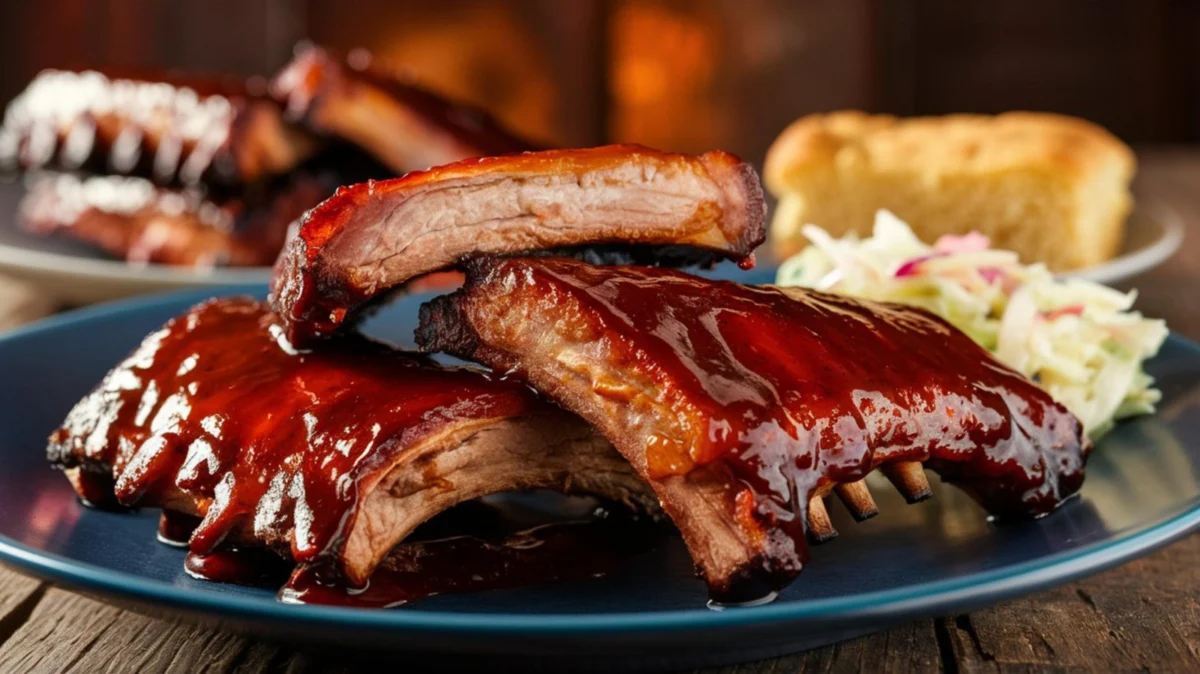
There are few culinary experiences as satisfying as a perfectly prepared rack of baby back ribs. Whether you are a backyard pitmaster spending hours tending to a smoker, or a home cook utilizing the precision of a slow oven, the commitment required to prepare these cuts usually results in a bounty of food. It is standard practice to cook more than is needed in a single sitting, making leftovers an inevitable, and often welcome, reality.
However, the transition from the dinner table to the refrigerator is a critical juncture. While leftover ribs can be a convenient lunch or a quick dinner, they require diligent handling to remain safe and appetizing. Understanding the science of food safety, the mechanics of proper storage, and the nuances of reheating is essential for any home cook.
The Main Facts: Food Safety Guidelines
The primary concern when dealing with leftover meat is the mitigation of bacterial growth. According to the United States Department of Agriculture (USDA), cooked meat, including pork ribs, has a limited window of viability in a refrigerated environment.
The Three-to-Four Day Rule
The USDA explicitly recommends that cooked leftovers, including baby back ribs, be consumed within three to four days of being prepared. While many home cooks operate under the assumption that food remains safe as long as it "looks and smells fine," this is a dangerous misconception. Bacteria such as Salmonella, E. coli, and Listeria can flourish without altering the appearance or odor of the food.
It is vital to distinguish between "best quality" and "safety." While the ribs may technically be safe on day four, their texture and flavor profile will have likely degraded significantly by that time. For the optimal dining experience, consuming leftovers within 48 hours is strongly advised.
The Chronology of Spoilage
To understand why these time limits exist, one must consider the timeline of the cooking and cooling process.
The Two-Hour Danger Zone
The "Danger Zone" refers to the temperature range between 40°F and 140°F (4°C to 60°C). In this range, bacteria multiply at an exponential rate. When you pull a rack of ribs from the grill, they are at their peak temperature. As they sit on the counter or table, they gradually cool. If the internal temperature of the meat remains in the Danger Zone for more than two hours, the likelihood of pathogen development increases to a level that can cause foodborne illness.
Timeline Checklist:
- 0–30 Minutes: The "resting" period. It is safe to allow meat to rest at room temperature for a short duration, but do not leave it out indefinitely.
- 60 Minutes: The point at which leftovers should be portioned and prepared for storage.
- 120 Minutes (2 Hours): The absolute cutoff. Any meat left at room temperature beyond this window should be discarded, regardless of how appetizing it appears.
Supporting Data: Identifying Spoiled Meat
While you should rely on a calendar rather than your senses to determine safety, there are definitive "red flags" that indicate your ribs have entered a state of decay.
Sensory Indicators
- Olfactory Clues: The most reliable indicator is the smell. Freshly smoked or grilled ribs should carry the aromatic profile of your dry rub, wood smoke, or glaze. A sour, acidic, or "eggy" odor is a byproduct of bacterial metabolic processes and is an immediate sign that the protein has spoiled.
- Texture Shifts: Cooked ribs should maintain a consistent, firm, yet tender texture. If you notice a slimy or tacky film on the surface of the meat—which cannot be attributed to the natural stickiness of a barbecue sauce—you are likely feeling a bacterial biofilm. This is a definitive signal to discard the product.
- Visual Cues: While color shifts are more difficult to detect on sauced ribs, look for any graying or, in extreme cases, greenish tinges. If the meat appears "dull" compared to its original vibrant, cooked state, it is best to err on the side of caution.
Proper Storage: The Art of Preservation
Preventing spoilage begins with how you store the ribs immediately after the meal.
Airtight Protection
The primary objective of storage is to prevent cross-contamination and moisture loss. Using a thin layer of foil is rarely sufficient for long-term storage. Instead, prioritize:
- Airtight Containers: These are the gold standard. They prevent the ribs from absorbing the odors of other refrigerator items, such as onions or aged cheeses, and they create a barrier against airborne bacteria.
- Plastic Wrap: If a container is unavailable, ensure the ribs are tightly wrapped in plastic film, followed by an outer layer of heavy-duty aluminum foil to prevent freezer burn or dehydration.
The Freezer Advantage
If you know you cannot consume the ribs within the four-day window, the freezer is your best ally. Properly wrapped ribs can last for two to three months without significant loss of quality. To freeze:
- Portioning: Slice the rack into individual or double-rib portions. This allows you to thaw only what you need, rather than the entire rack.
- Double Wrapping: Wrap the portions in plastic wrap, then place them inside a heavy-duty, sealable freezer bag. Be sure to squeeze as much air out of the bag as possible to prevent frost buildup.
Official Responses and Implications
Food safety agencies, including the CDC and the USDA, maintain strict guidelines because the implications of foodborne illness are severe. Symptoms can range from mild digestive discomfort to severe dehydration and, in vulnerable populations, life-threatening complications.
The implication for the home cook is clear: the convenience of a meal must never outweigh the necessity of hygiene. Furthermore, the economic impact of food waste—though frustrating—is significantly lower than the cost of medical intervention or the loss of productivity due to illness.
Best Practices for Reheating
Reheating is not merely about making the food hot; it is about reaching a safe internal temperature while maintaining the integrity of the meat.
The 165°F Threshold
According to food safety guidelines, any leftovers must be reheated to an internal temperature of 165°F (74°C) to effectively neutralize any bacteria that may have colonized during the cooling or storage phase.
Techniques for Success
- The Oven Method (Best for Moisture): Preheat your oven to 250°F (121°C). Place the ribs on a baking sheet, add a tablespoon of water or apple juice to the pan to create a steam environment, and cover tightly with foil. This slow-and-low approach prevents the meat from drying out.
- The Air Fryer (Best for Texture): For those who prefer a bit of "bark" or crispiness, an air fryer at 350°F for 3–5 minutes works well, provided the ribs are lightly brushed with a fresh coat of sauce to prevent them from becoming leathery.
- The Stovetop Steam: Using a steamer basket over simmering apple juice or cider is an excellent way to rehydrate the collagen in the meat, ensuring that the ribs return to a "fall-off-the-bone" tenderness.
Conclusion
Baby back ribs are a labor of love, representing time, skill, and patience. By treating your leftovers with the same level of care you applied to the initial cooking process, you ensure that the enjoyment of your meal extends well beyond the first sitting. Always prioritize the two-hour rule, maintain a strict four-day limit for refrigeration, and utilize the freezer for long-term storage. In the world of barbecue, safety is the final, and perhaps most important, ingredient.
