

In the world of landscape design, the "sunny border" has long held the crown for visual drama. However, Master Gardener Yvonne Tsikata is challenging this paradigm from the shaded corners of Northern Virginia. Her meticulously curated woodland garden in Zone 7b serves as a masterclass in how to transform dim, challenging sites into immersive, high-impact destinations. Through a sophisticated interplay of structural conifers, layered foliage, and seasonal blooming woodies, Tsikata’s garden proves that shade is not a limitation—it is an invitation to explore depth, texture, and nuance.
Main Facts: The Anatomy of a Successful Woodland Escape
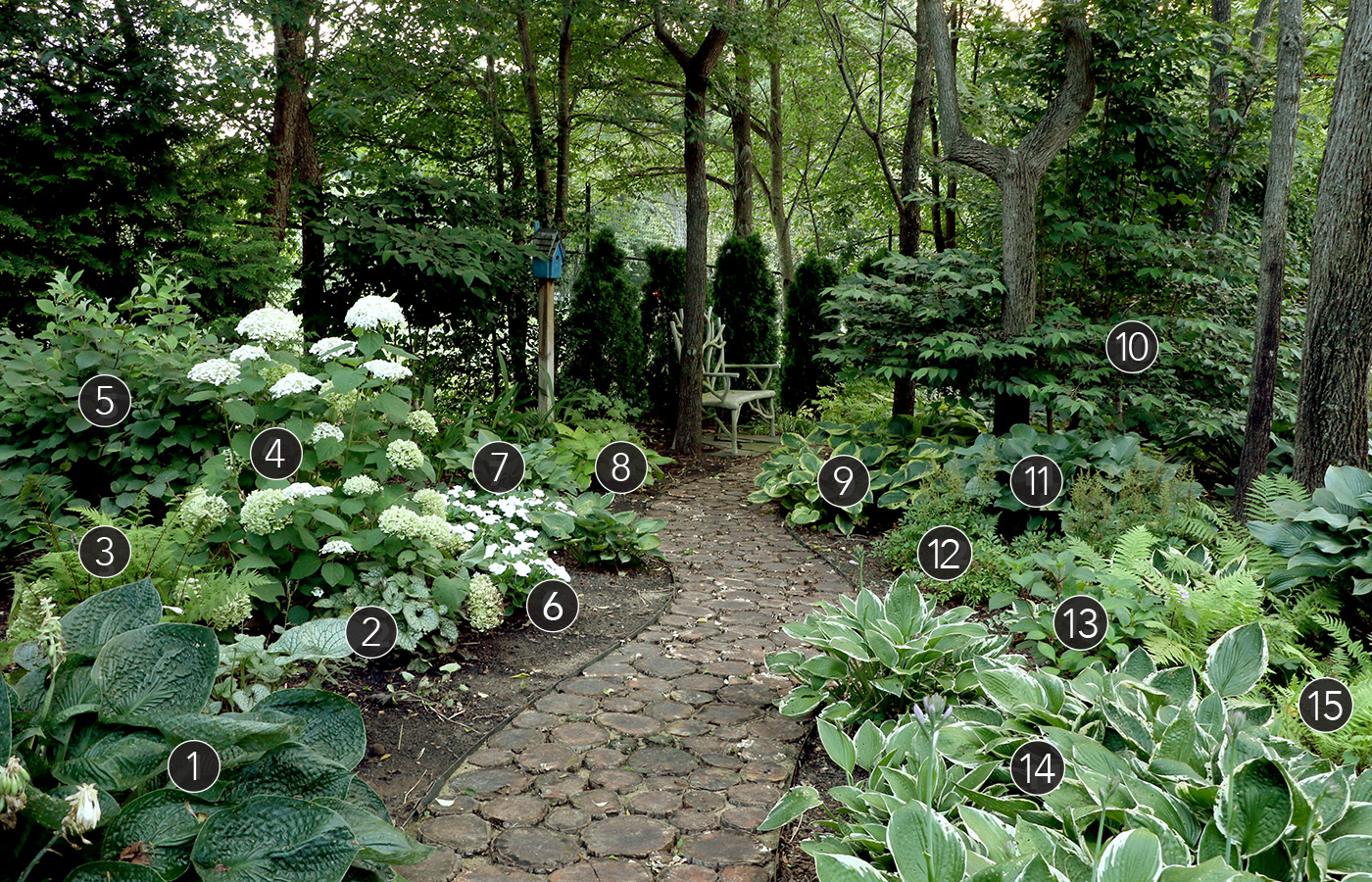
Tsikata’s garden is defined by its intentionality. Unlike many traditional woodland gardens that rely solely on drifts of ferns or sporadic spring ephemerals, this space is designed as a year-round sensory experience. The garden’s success hinges on three primary pillars:
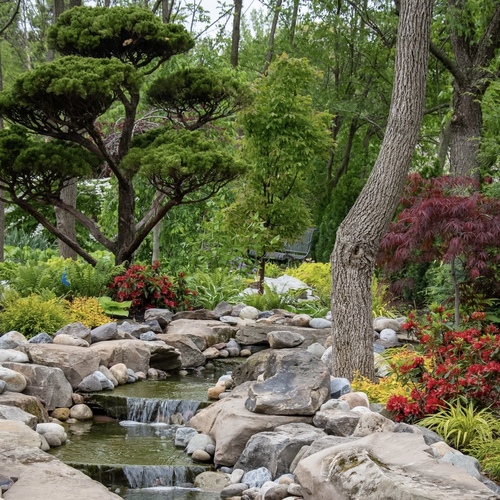
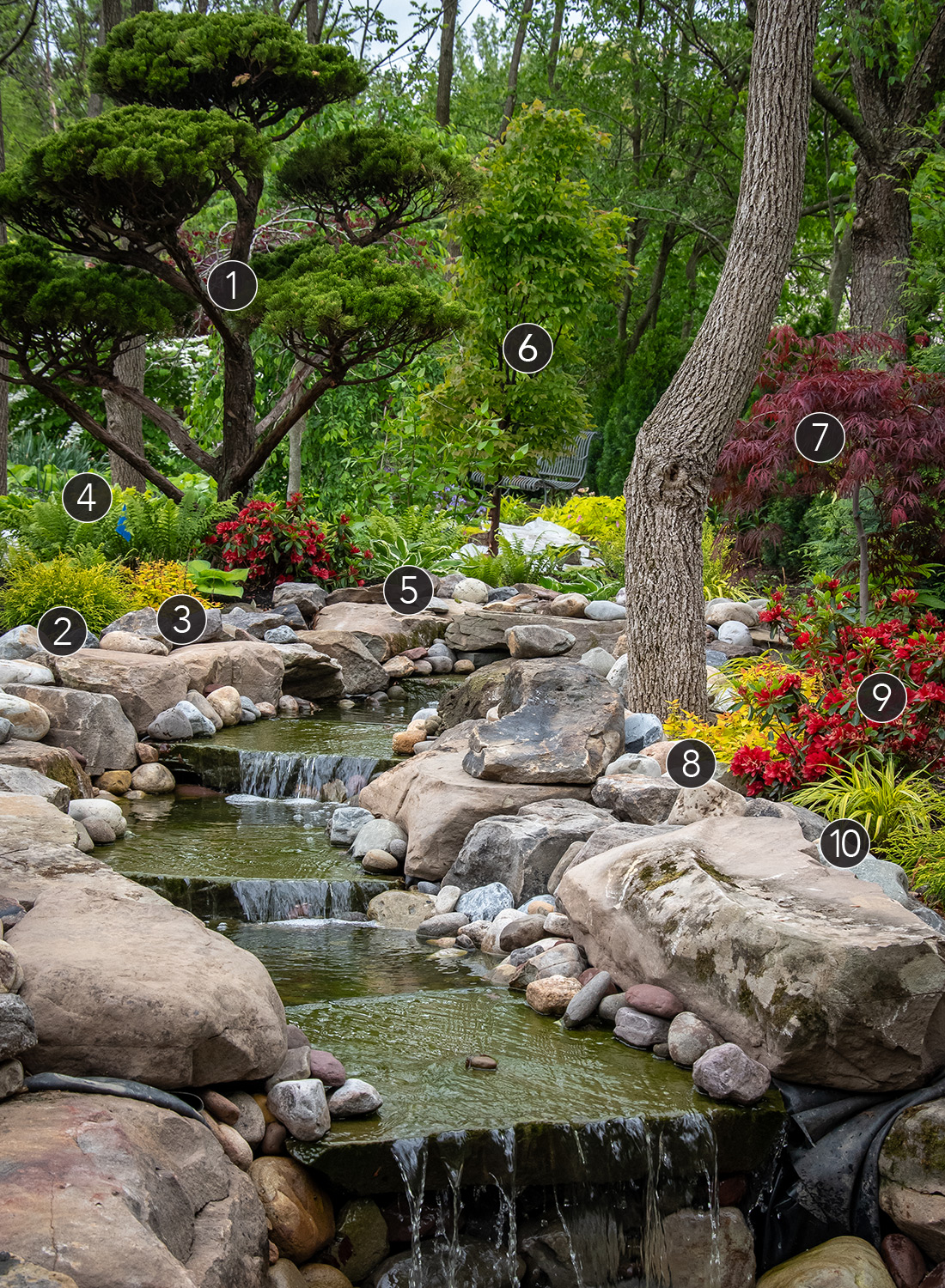
- Structural Integrity: Rather than relying on flowers, which are often fleeting in shade, the design prioritizes structural standouts. By incorporating conifers and evergreen shrubs, the garden retains its architectural bones during the bleakest months of winter.
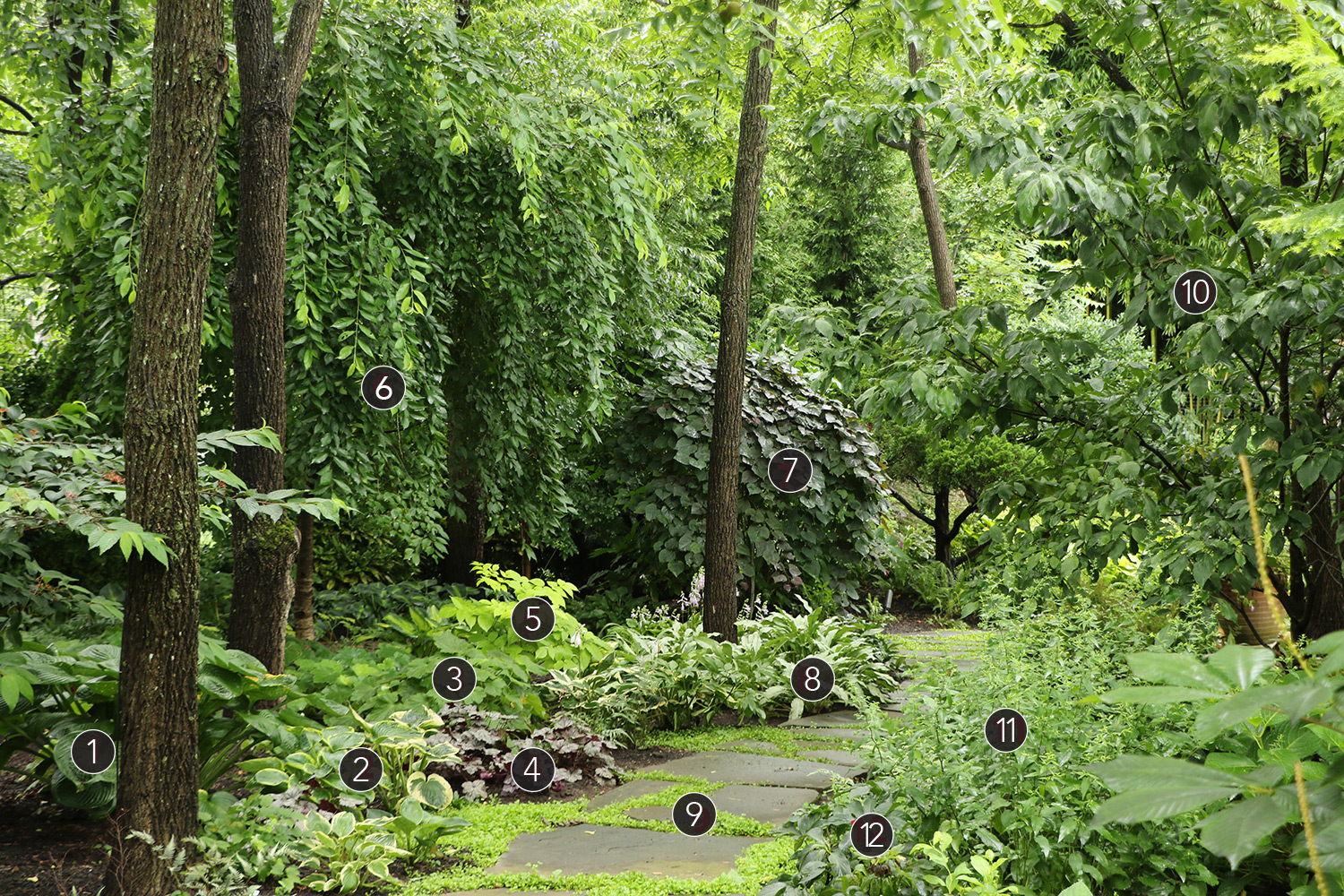
- Layered Foliage: Tsikata utilizes the "stacking" method, planting ground covers beneath perennials, which sit under shrubs, which in turn are sheltered by an canopy of understory trees. This vertical complexity mimics natural forest ecosystems while maximizing square footage.
- Pathways as Narrative: The garden does not reveal itself all at once. Through a series of winding, organic pathways, visitors are drawn through different "rooms," each offering a unique micro-environment and a fresh perspective on the interplay of light and shadow.
Chronology: The Evolution of a Masterpiece
The development of this Northern Virginia oasis was not an overnight endeavor. It represents a multi-year evolution of trial, error, and refined observation.
- Phase I: The Foundation. The initial years focused on soil health and the selection of understory trees. Tsikata identified the existing black walnut (Juglans nigra) trees as a primary site constraint. Because black walnuts produce juglone—a chemical that inhibits the growth of many other plants—she employed creative engineering. By creating raised berms and selecting juglone-tolerant species, she turned a biological obstacle into a design feature.
- Phase II: Establishing the Texture. Once the canopy was established, the focus shifted to the "middle layer." This involved the introduction of classic shade-loving perennials such as Hosta and Astilbe. During this phase, the garden began to take on its signature "lush" aesthetic, as dense plantings were used strategically to suppress invasive weeds and minimize maintenance.
- Phase III: Refinement and Seasonal Interest. The most recent evolution of the garden has been the introduction of specific color palettes to ensure that the transition from the bright, cheery yellows and whites of spring to the deep, moody greens and variegated patterns of summer feels cohesive. This phase emphasized the addition of Japanese forest grass (Hakonechloa macra) to soften the edges of pathways and provide movement in the breeze.
Supporting Data: Selecting the Right Palette
A garden is only as successful as the plants chosen to inhabit it. Tsikata’s palette focuses on reliability and high aesthetic yield. Below are the core components that provide the "heavy lifting" for her landscape.
The Anchor Perennials
The garden relies on proven performers that offer high durability.
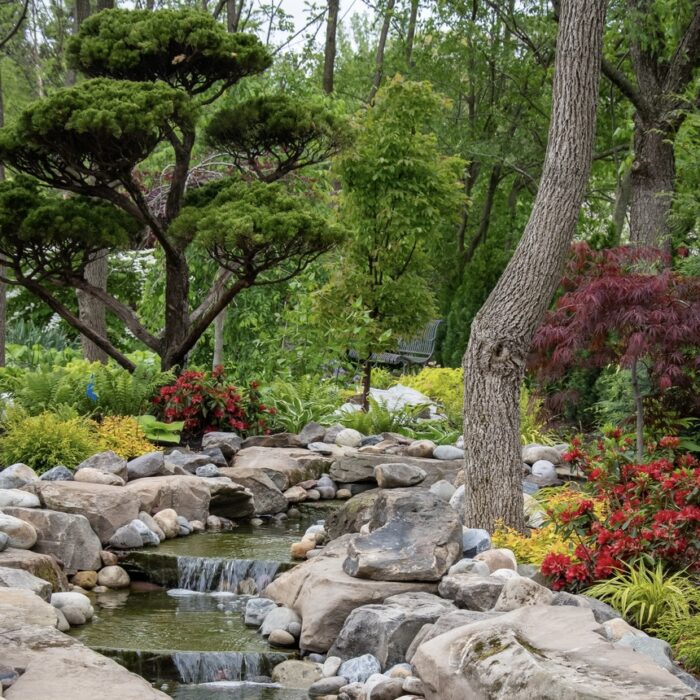
- Hostas (Hosta spp.): Used for their dramatic leaf size and varied shades of chartreuse, blue-green, and creamy white. They serve as the primary "filler" that provides a sense of abundance.
- Japanese Forest Grass (Hakonechloa macra): A master of texture. Its cascading, bamboo-like habit makes it ideal for cascading over path edges, providing a sense of motion that static perennials cannot match.
- Astilbes (Astilbe spp.): These provide the necessary vertical "spike" in the garden, adding a delicate, feathery quality to the display during the late spring and early summer.
Solving for Site Challenges
The use of bermed beds is a crucial data point for any gardener dealing with challenging tree roots or poor soil drainage. By elevating the planting beds, Tsikata improved aeration and drainage, allowing for a broader selection of plants than the native soil would otherwise support. Furthermore, the dense planting strategy—often referred to as "living mulch"—has virtually eliminated the need for chemical fertilizers or herbicides, as the plants compete effectively with opportunistic weeds.
Official Responses and Expert Perspectives
Designers and horticulturists often point to Tsikata’s work as a template for the modern "climate-resilient" garden. In an era where water conservation and biodiversity are becoming paramount, the woodland model is gaining traction.
"The beauty of a garden like this," says one leading landscape horticulturalist, "is that it functions as a carbon sink and a cooling mechanism. By covering the ground in dense foliage rather than exposed mulch or turf, the micro-climate of the garden remains significantly cooler than the surrounding environment. Tsikata has essentially built a private, self-sustaining forest."
The integration of water features within these shaded zones also serves a dual purpose. Beyond the acoustic appeal of running water, the features provide essential hydration for local wildlife, turning a private garden into a functional piece of the local ecosystem.
Implications for the Future of Gardening
As suburban landscapes continue to shrink, the shift toward "intimate" gardening becomes more relevant. Tsikata’s garden illustrates that you do not need an expansive estate to create a "destination" garden. The implications for home gardeners are clear:
- Stop Fighting the Shade: Embrace the unique qualities of low-light environments. Instead of struggling to keep sun-loving flowers alive, pivot to plants that thrive on light filtration.
- Focus on Form over Color: Flowers last for weeks, but foliage lasts for months. By building a garden based on the shapes, sizes, and colors of leaves, you ensure your garden is beautiful for three, or even four, seasons.
- Design for Discovery: Create paths that disappear behind a shrub or curve around a large hosta. A garden that feels larger than it is—one that requires movement to be fully understood—will always feel more magical than one that can be viewed entirely from the back door.
Conclusion
Yvonne Tsikata’s woodland garden is a testament to the idea that a garden should be a journey. By skillfully manipulating light, texture, and structure, she has created a sanctuary that invites reflection, exploration, and peace. Whether you are dealing with the shadow of a black walnut or simply the natural shade of a wooded lot, the principles on display here provide a roadmap for success.
As we look toward the future of sustainable, low-impact, and high-beauty landscaping, it is clear that the most "dynamic" gardens aren’t always the ones in the brightest sun. Sometimes, the most rewarding work happens in the quiet, cool embrace of the shade.
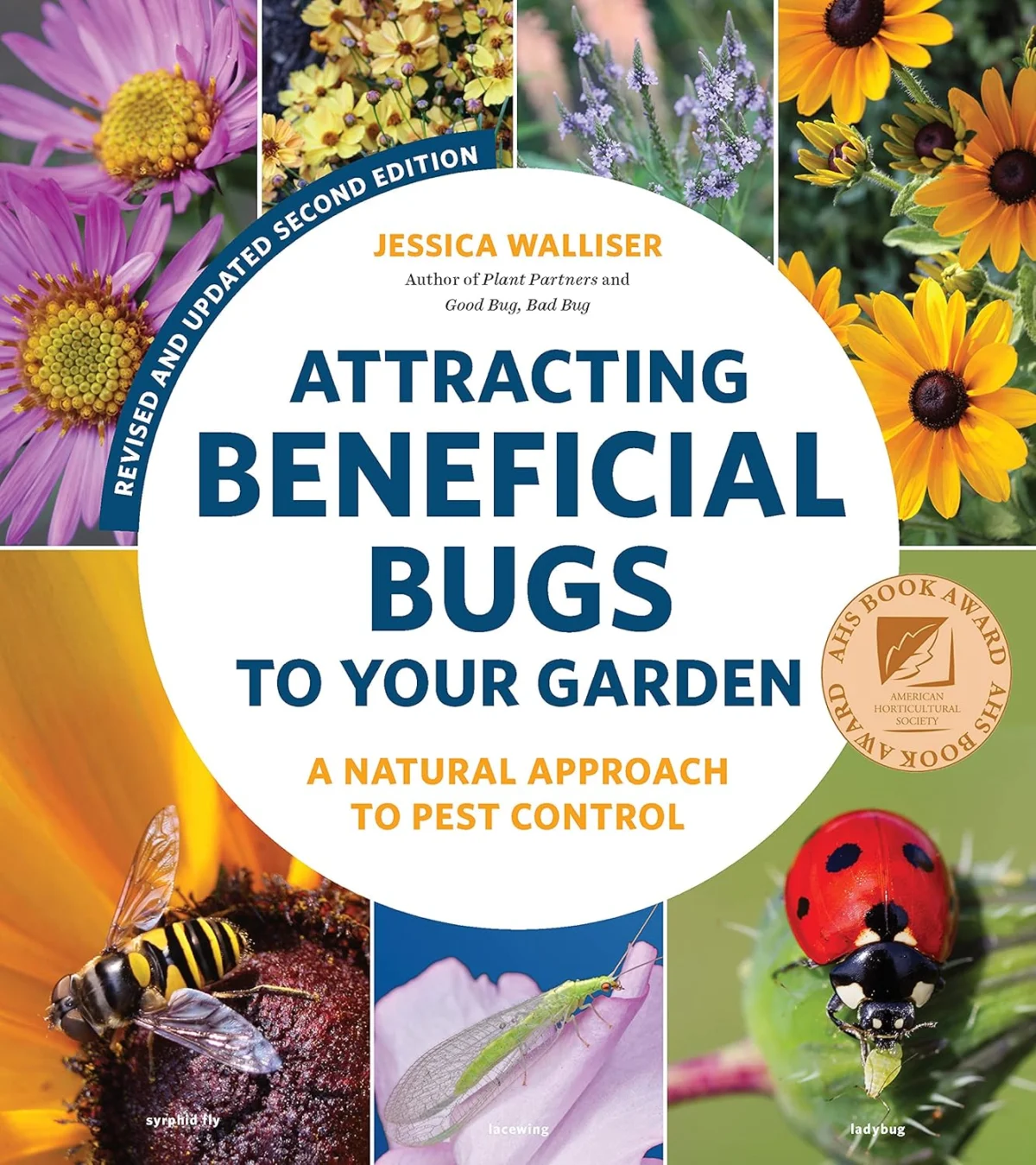
For those looking to expand their own horticultural knowledge, consider resources such as "The New Organic Grower" for sustainable soil techniques, or "Attracting Beneficial Bugs to Your Garden" to ensure your woodland retreat is as healthy for the planet as it is for the soul. Always check local invasive species lists before introducing new plants to ensure you are gardening in harmony with your regional ecology.
