

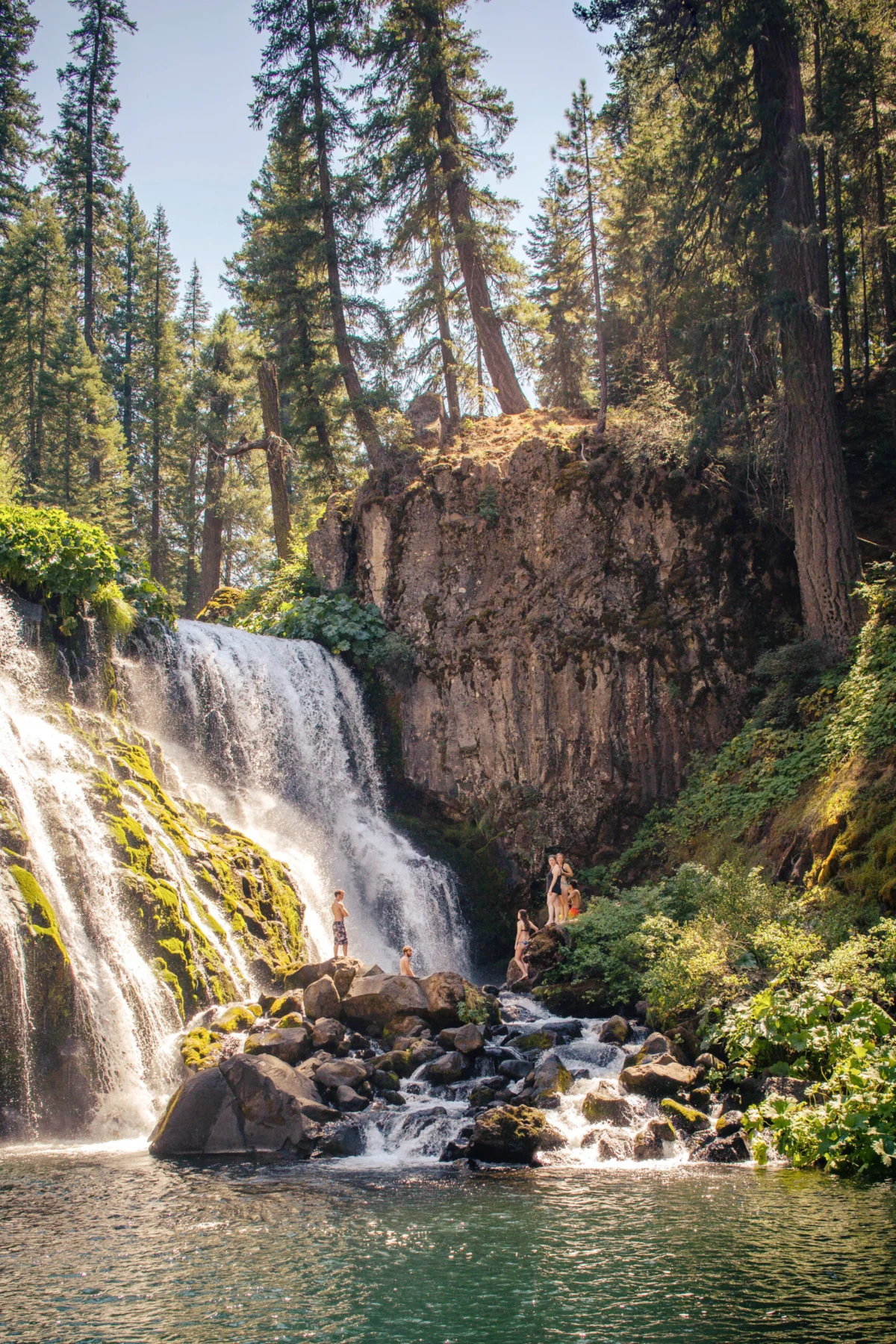
Whether you are a devotee of the salt-sprayed Pacific coast or a seeker of secluded, freshwater sanctuaries hidden deep within the mountain wilderness, the American West offers an unparalleled diversity of swimming experiences. As temperatures climb and the desire to find respite from the summer heat intensifies, the search for the perfect “swimming hole” becomes a pursuit of both adventure and serenity.
From the volcanic depths of Oregon’s high desert to the luxurious, sun-drenched rooftops of Los Angeles, we have curated a selection of the most evocative, challenging, and rewarding swimming spots across the Western United States.
The Geography of the Dip: A Statistical Overview
The Western landscape is defined by its dramatic geological features—glacial lakes, volcanic basins, and tectonic plate interactions. These factors dictate the water temperatures, clarity, and accessibility of the region’s most iconic swimming holes.
| Location | Primary Feature | Avg. Temp (Summer) | Accessibility |
|---|---|---|---|
| Crater Lake | Volcanic Caldera | 50°F – 55°F | Strenuous Hike |
| Blue Pool | Glacial/Lava Filtered | 37°F | Moderate Hike |
| Soho Warehouse | Urban Rooftop Pool | 78°F – 82°F | Private Access |
| Fairmont Orchid | Marine Sanctuary | 75°F – 80°F | Public/Accessible |
1. Crater Lake: The Ethereal Blue of Oregon
The Cleetwood Cove Trail Experience
For many, Crater Lake National Park is a place of profound reflection. Formed over 7,700 years ago following the collapse of Mount Mazama, this deep-blue caldera stands as a testament to the raw power of geology. It is arguably the most visually striking body of water in the American West.
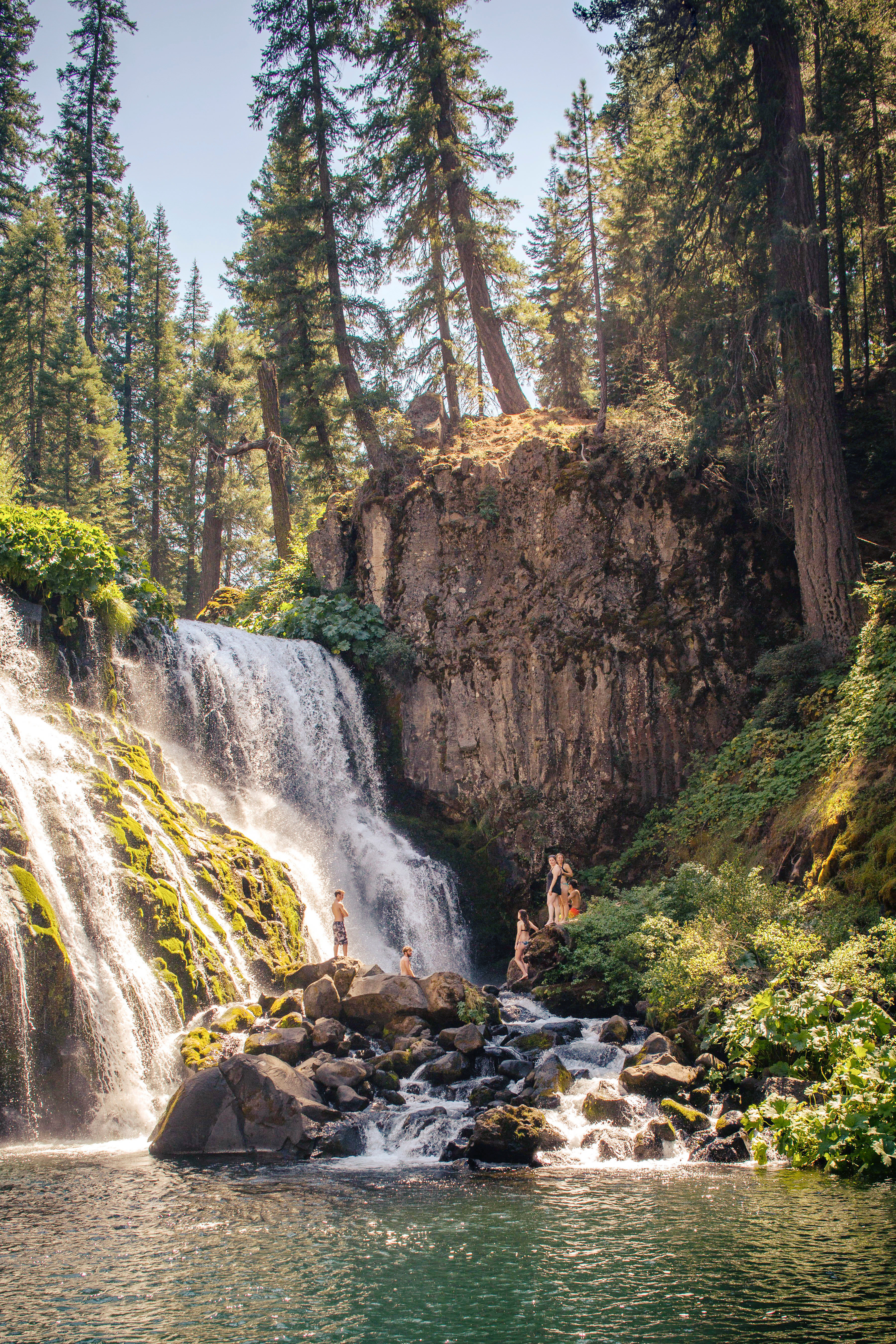
The Challenge:
The experience of swimming in Crater Lake is not a casual afternoon endeavor. The only legal access point for swimmers is the Cleetwood Cove Trail. This 2.2-mile round-trip trek involves a steep descent (and subsequent ascent) of roughly 700 feet. The trail is considered strenuous, particularly on the return trip. However, the reward—plunging into the deepest, clearest, and most vibrant blue water in the country—is a rite of passage for outdoor enthusiasts.
The Ecological Impact:
Because Crater Lake is a closed system fed almost entirely by snowmelt and rain, it is exceptionally sensitive to external pollutants. Park officials strictly enforce "Leave No Trace" policies. Swimmers are prohibited from using sunscreen or insect repellent before entering the water, as these chemicals can disrupt the delicate oligotrophic (nutrient-poor) ecosystem that gives the lake its signature clarity.
2. The Blue Pool: A Geological Paradox
Tamolitch Falls and the Risks of "Loving to Death"
Located in the Willamette National Forest, the Blue Pool—formally known as Tamolitch Falls—is a site of both aesthetic wonder and extreme caution.
Chronology of a Formation:
Approximately 1,600 years ago, a massive lava flow from the Belknap Crater surged through the McKenzie River drainage. This event buried three miles of the riverbed. Today, the river flows through porous volcanic rock, emerging into the basin of the Blue Pool. This natural filtration system is what gives the water its distinct, piercing turquoise hue.

The Danger Factors:
Despite its beauty, the Blue Pool is not a swimming hole for the faint of heart. The water temperature hovers at a constant 37°F (approx. 3°C), creating a genuine risk of cold-water shock or hypothermia for anyone entering the water. Furthermore, the pool’s extreme clarity acts as an optical illusion; what appears to be a shallow basin is, in many areas, over 30 feet deep.
Official Advisory:
Due to the rise of social media-driven tourism, the Blue Pool has faced significant environmental degradation. Land managers urge visitors to stay on designated trails to prevent soil erosion and to pack out all refuse. Cliff jumping, while popular in online videos, is strongly discouraged by park authorities due to unpredictable underwater hazards and the life-threatening temperature of the water.
3. Urban Respite: Soho Warehouse, Los Angeles
The Evolution of the Modern Social Workspace
Transitioning from the rugged wild to the urban center, the pool at Soho Warehouse in Downtown Los Angeles (DTLA) represents the contemporary shift toward "work-play" integration.
Implications for Urban Design:
As remote work becomes a permanent fixture of the professional landscape, hospitality spaces have pivoted to accommodate the "digital nomad." The Soho Warehouse pool deck serves as a controlled environment—a stark contrast to the chaotic energy of the surrounding city.

Amenities and Access:
The rooftop pool, while modest in depth, is a prime example of high-end architectural utilization. By blending aesthetic elements of a tropical getaway with high-speed connectivity and ergonomic workspaces, the venue offers a solution to the "work-from-home fatigue" that emerged during the pandemic. It remains a premier example of how private members’ clubs are reimagining the traditional swimming pool not just as a leisure feature, but as a multi-functional corporate amenity.
4. Affordable Luxury: The Fairmont Orchid, Hawaii
Public Access to a Marine Sanctuary
The Big Island of Hawaii offers a different perspective on swimming: the intersection of high-end resort architecture and public land rights.
The Legal Reality:
In Hawaii, the "Coastal Zone Management Act" mandates that all beaches are accessible to the public, regardless of whether they front a luxury hotel. This ensures that the pristine snorkeling conditions at the Fairmont Orchid remain open to all, not just resort guests.
Supporting Data:
The area surrounding the Fairmont Orchid is a natural habitat for diverse marine life, including the Honu (green sea turtle), pufferfish, and angel fish. The calm, protected nature of the bay makes it an ideal location for novice snorkelers. The "luxury" element here is decoupled from cost; while one might pay for equipment rentals, the access to the vibrant, protected marine life is a public resource. It serves as a reminder that the best swimming experiences often rely on the health of the ocean, necessitating a collective commitment to marine conservation.

Summary of Implications for Summer Travelers
As you plan your excursions to these or any other swimming spots this summer, consider the broader impact of your visit:
- Environmental Stewardship: Every swimming hole is a fragile ecosystem. Whether it is a mountain lake or a coastal reef, the introduction of oils, plastics, or foot traffic can cause permanent damage.
- Safety Consciousness: Never underestimate the water. Cold-water shock, rip currents, and depth illusions are the leading causes of preventable accidents in Western swimming spots. Always prioritize safety equipment and local advisory warnings.
- The Ethics of Visitation: With the surge in domestic travel, many of our favorite spots are becoming overcrowded. Practicing "Leave No Trace" is not a suggestion—it is a requirement for the continued preservation of these natural wonders.
The West is a vast, open invitation to explore. Whether you choose the icy challenge of the Blue Pool or the tranquil snorkeling of the Big Island, the key to a memorable summer is respect—for the environment, for the local regulations, and for your own physical limits. By engaging with these landscapes mindfully, we ensure they remain vibrant for generations of swimmers to come.
