

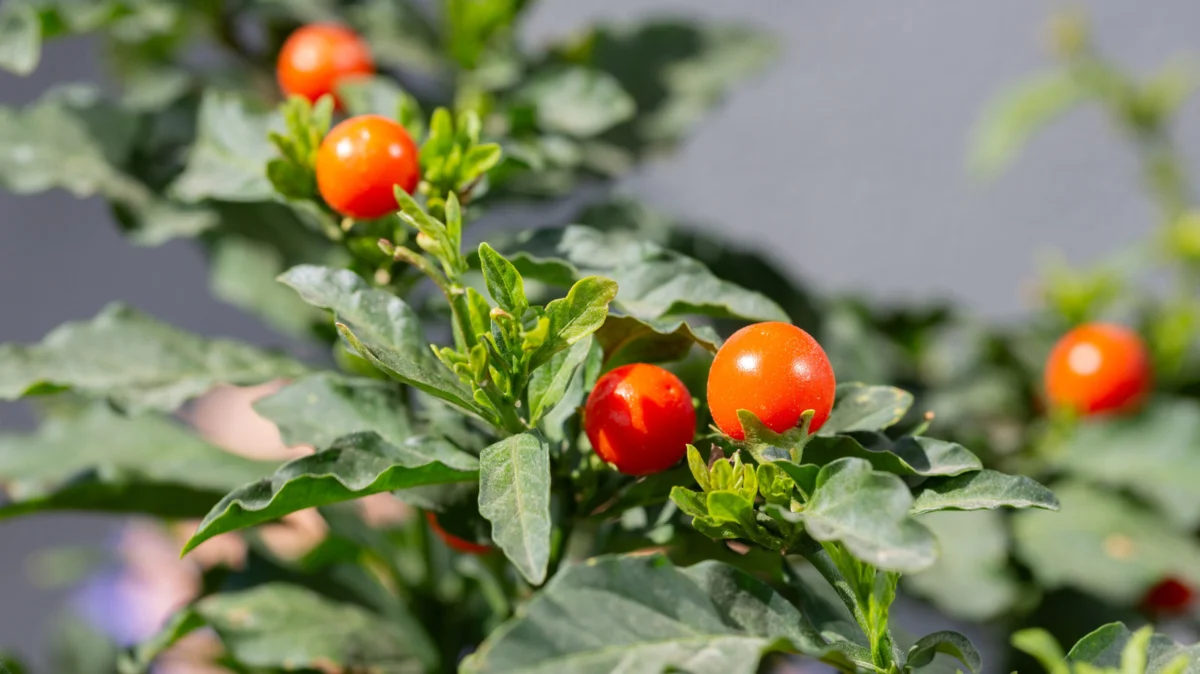
In the world of home gardening, few crops offer the same level of gratification as the tomato. Whether you are tending to a sprawling backyard plot or a modest balcony container, the promise of sun-ripened fruit is a universal allure. However, for those daunted by the structural demands of massive heirloom beefsteaks or the complex pruning requirements of some indeterminate varieties, a pint-sized alternative is gaining momentum: the Spoon Tomato.
Often celebrated for their diminutive size—fitting up to five on a standard soup spoon—these botanical marvels, scientifically known as Solanum pimpinellifolium, offer a unique intersection of high-yield production and manageable cultivation. Far from being a delicate, high-maintenance specialty crop, spoon tomatoes are robust, prolific, and surprisingly forgiving, making them an ideal candidate for both novice gardeners and seasoned horticulturalists looking to maximize efficiency in tight spaces.
Main Facts: What Defines a Spoon Tomato?
At their core, spoon tomatoes are the quintessential "snacking" tomato. Unlike their larger counterparts, which are often bred for slicing or canning, the spoon tomato (and its sibling, the "Tomberry") is prized for its ornamental beauty and concentrated sweetness.
Botanical Characteristics
- Size: The fruits are pea-sized, usually measuring less than half an inch in diameter.
- Growth Habit: They are strictly indeterminate, meaning they will continue to grow, flower, and produce fruit until the first frost kills the plant.
- Structural Advantage: Because the individual fruits are so lightweight, they do not exert the same gravitational stress on the vine as large-fruiting varieties. This eliminates the common issue of snapped branches, a frequent headache for growers of heavy heirloom tomatoes.
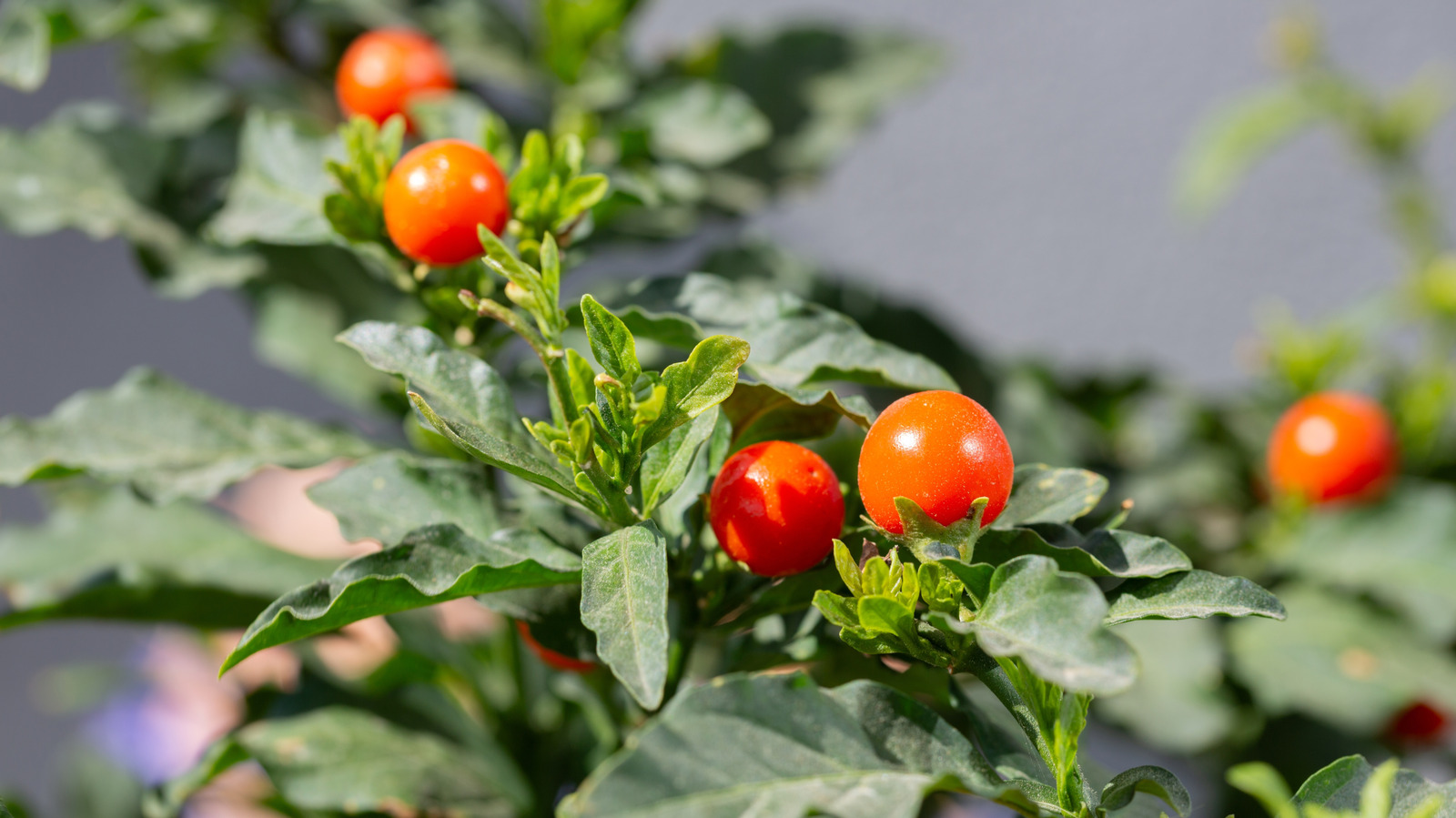
- Yield Density: A single healthy plant can produce hundreds, if not thousands, of fruits throughout a season. They grow in long, cascading clusters that resemble heavy strings of pearls.
Chronology: A Season in the Life of a Spoon Tomato
Understanding the life cycle of the spoon tomato is essential for planning a successful harvest. While they behave similarly to other indeterminate tomatoes, their timeline is defined by an aggressive growth phase.
Phase 1: Germination and Early Development (Weeks 1–6)
Like most tomatoes, these should be started indoors 6 to 8 weeks before the last frost date. They are vigorous growers, often showing faster germination rates than larger varieties. During this stage, providing adequate light is non-negotiable; leggy seedlings struggle to support the rapid growth that follows transplanting.
Phase 2: Transplanting and Vegetative Expansion (Weeks 7–12)
Once the soil has warmed to at least 60°F (15°C), the plants can move outdoors. This is the period of "structural establishment." While they don’t require the heavy-duty infrastructure of a beefsteak plant, they do need a reliable cage or trellis. They will quickly reach heights of up to seven feet, though their footprint remains relatively narrow—usually maxing out at two feet in width.
Phase 3: The Prolific Flowering and Fruiting (Weeks 13–20+)
This is the stage where the spoon tomato shines. As an indeterminate variety, the plant will simultaneously produce flowers, green fruit, and ripe fruit. The harvest is not a singular event but a continuous process. Gardeners should be prepared for a daily or bi-daily harvest to keep up with the plant’s production.
Supporting Data: Why Small Equals Better
The growing popularity of spoon tomatoes is not merely aesthetic; it is backed by practical horticultural data regarding space management and pest resilience.
The Space-Efficiency Quotient
In urban environments, square footage is the primary constraint. Traditional indeterminate tomatoes can grow into wide, unruly bushes that require significant airflow management. The spoon tomato, by contrast, grows vertically. Its thin, manageable stalks allow for higher density planting, meaning a gardener can fit three or four spoon tomato plants in the same area required by two large-fruited varieties.
Resilience and Pest Management
While no plant is immune to the perils of the garden—aphids, hornworms, and fungal pathogens are universal threats—the spoon tomato offers a distinct advantage: "volume-based resilience." Because the plant produces such a staggering volume of fruit, a localized infestation or a minor bout of disease that might destroy a harvest of three large tomatoes is statistically negligible. If a small cluster is lost to a pest, there are dozens more clusters ready to ripen, ensuring a net-positive yield for the gardener.
Cultivation Best Practices: Expert Advice
While spoon tomatoes are forgiving, "forgiving" does not mean "neglected." To transition from a casual grower to a master cultivator, specific techniques must be employed.
The Two-Leader Pruning System
For those with limited space, the "two-leader" system is the gold standard. Instead of letting the plant grow into a chaotic tangle of suckers, the gardener identifies the main stem and the first strong "sucker" (the growth between the main stem and a leaf branch). These two are allowed to grow as the primary "leaders." All other suckers are pinched off.
Why this works:
- Airflow: By limiting the plant to two main branches, you significantly improve air circulation, which is the primary defense against fungal diseases like blight.
- Resource Allocation: The plant’s energy is channeled into fewer clusters, resulting in slightly larger, more flavorful fruit.
- Manageability: A two-leader plant is easier to tie to a single stake or trellis, keeping the garden tidy.
Mulching: The Hidden Defense
Fungal spores often live in the soil. When it rains or when you water the garden, these spores can splash up onto the lower leaves of the tomato plant, causing infection. Applying a two-inch layer of organic mulch (such as straw, pine bark, or untreated grass clippings) creates a physical barrier between the soil and the plant. This keeps the lower foliage dry and prevents the spread of soil-borne pathogens.
Implications: The Future of Home Gardening
The shift toward smaller, high-yield varieties like the spoon tomato signals a broader trend in home horticulture: the prioritization of "utility-focused gardening." As the cost of fresh produce fluctuates and the desire for food security grows, the home gardener is moving away from purely decorative or "trophy" crops toward varieties that offer consistent, daily utility.
Environmental Impact
By growing food at home—even in small quantities—gardeners reduce their reliance on the industrial supply chain, which includes long-distance transportation and excessive plastic packaging. The spoon tomato, with its high yield-to-space ratio, represents one of the most efficient ways to produce nutrient-dense food in a residential setting.
The Social Component
There is also an undeniable social appeal to the spoon tomato. They are a "gateway crop" for children, who are often more likely to eat vegetables they can harvest themselves. Their size and sweetness make them perfect for salads, pasta dishes, or as a fresh snack directly from the vine. As home gardening continues to evolve as a lifestyle practice rather than a chore, the spoon tomato stands as a testament to the idea that big results can indeed come from the smallest of packages.
Final Thoughts for the Aspiring Grower
Are spoon tomatoes hard to grow? The consensus among experts is a resounding "no." In fact, they are among the most rewarding and least stressful varieties for the modern gardener. By focusing on a few key habits—specifically proper trellising, the two-leader pruning method, and diligent mulching—any gardener can enjoy a bounty of these miniature treasures throughout the summer and into the fall.
The next time you find yourself browsing a seed catalog, consider bypassing the massive, temperamental heirlooms and opting for the spoon tomato. You will find that while they may be the smallest fruits in your patch, they will quickly become the stars of your harvest.
