

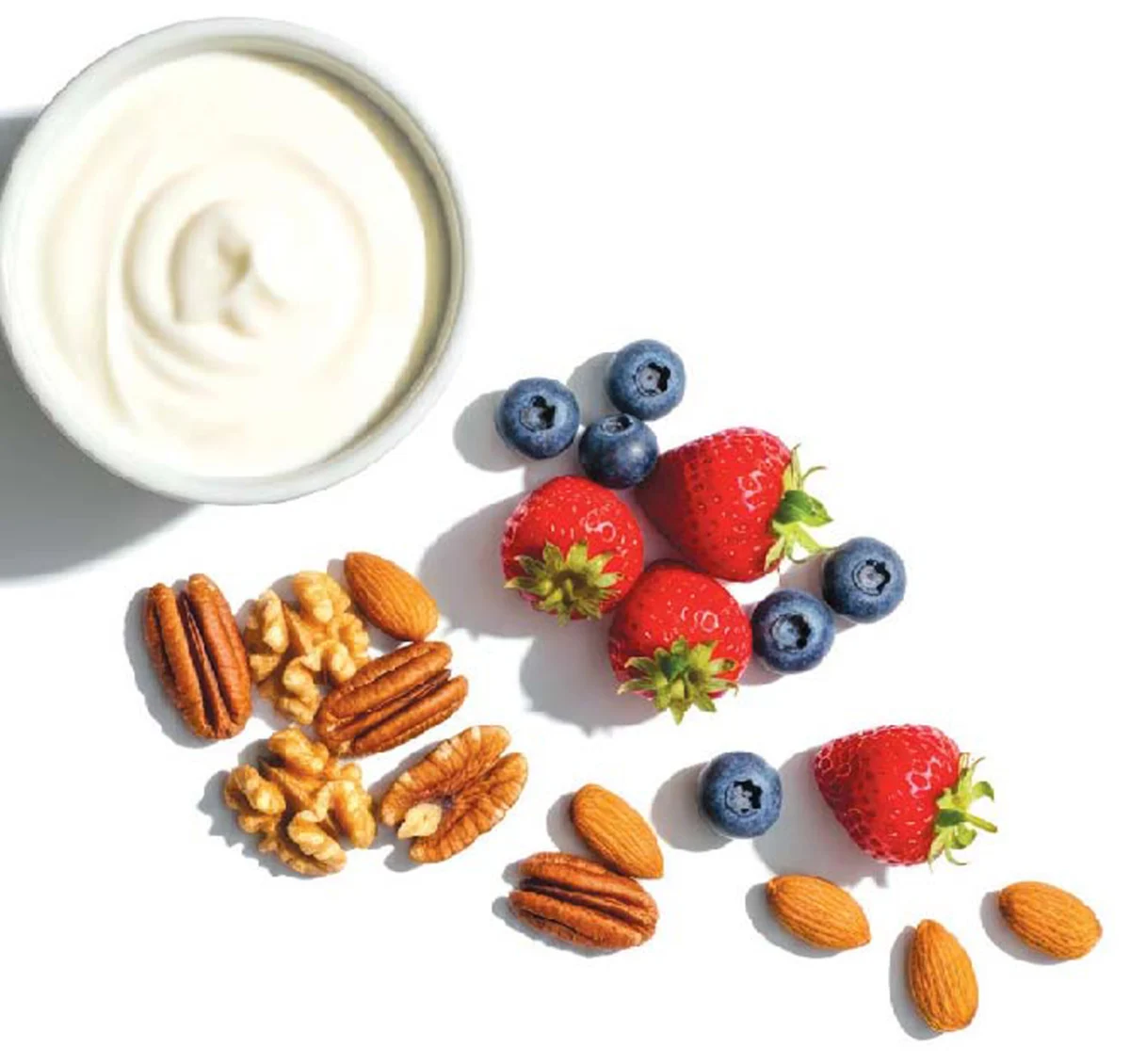
While popular culture often reduces protein to a tool for sculpting "six-pack abs" and achieving impressive bicep definition, the biological reality of this macronutrient is far more profound. Protein is the silent architect of the human body, a fundamental building block required for almost every physiological process, from the beating of your heart to the firing of neurons in your brain. As one of the three essential macronutrients—alongside fats and carbohydrates—protein provides the structural foundation for life itself.
The Biological Necessity: Why We Need Protein
At its core, protein is composed of amino acids, often referred to as the "building blocks of life." There are over 20 distinct types of amino acids, nine of which are classified as "essential." Stephani Johnson, an adjunct professor in clinical and preventive nutrition sciences at the Rutgers School of Health Professions, emphasizes the gravity of this classification.
"The nine essential amino acids are those that our bodies cannot synthesize on their own," Johnson explains. "Because our internal systems lack the machinery to produce them, we are entirely dependent on external sources—the food we eat—to maintain homeostasis."
These amino acids are the workforce behind nearly every bodily function. They are utilized to synthesize enzymes that facilitate digestion, produce hormones that regulate mood and metabolism, and build the antibodies required for a robust immune system. Without a consistent supply of these nitrogen-containing compounds, the body’s ability to repair tissues and regulate internal chemical environments is severely compromised.
Chronology of Nutrition: From Birth to Aging
The requirement for protein is a constant throughout the human lifespan, though the context of that requirement shifts as we age. In infancy and childhood, protein is the primary driver of rapid growth and development. By adulthood, the focus shifts toward maintenance and repair.
However, as we enter the fifth and sixth decades of life, the narrative changes significantly. After the age of 30, the human body begins a natural decline in muscle mass—a condition known as sarcopenia. By age 60, this process accelerates, leading to a loss of 3% to 8% of muscle mass per decade.
"Preserving muscle isn’t just about vanity—it is longevity medicine," says Mindy Komosinsky, a registered dietitian and certified diabetes care and education specialist at Capital Health Medical Center. "Sarcopenia isn’t just about weaker arms; it results in diminished bone density, a slower metabolism, and an increased risk of falls and fractures. Maintaining muscle mass is directly tied to the ability to live independently as we age."
Supporting Data: Understanding Sources and Quality
When it comes to protein intake, not all sources are created equal. Nutritionists generally categorize protein into two broad buckets: complete and incomplete.
Animal vs. Plant-Based Proteins
Animal proteins—including poultry, lean red meat, fish, eggs, and dairy—are labeled "complete" because they contain all nine essential amino acids in proportions that mirror human requirements.
Conversely, most plant-based proteins, such as nuts, seeds, beans, and whole grains, are "incomplete," meaning they are missing or low in one or more essential amino acids. The exception is soy, which provides a full spectrum of amino acids.
"For those who adhere to vegetarian or vegan diets, the key is diversity," notes Johnson. "By consuming a wide variety of plant-based proteins throughout the day—such as combining beans with rice or nuts with grains—the body can aggregate all the necessary amino acids to function optimally."
The Danger of Processed Meats
While animal protein is a high-quality source, the type of animal protein matters immensely. Health experts warn against the frequent consumption of processed meats, such as bacon, sausage, and deli cold cuts. Research has consistently linked these products to increased risks of gastric, colorectal, and pancreatic cancers. Experts suggest prioritizing unprocessed, lean cuts of meat to obtain the benefits of protein without the carcinogenic risks associated with processing chemicals and high sodium content.
Official Guidelines and Recommended Intake
The United States Department of Agriculture (USDA) recommends that adults derive between 10% and 35% of their daily caloric intake from protein. In more practical terms, this equates to a minimum of 0.36 grams of protein per pound of body weight for a sedentary adult, though active individuals or those focused on hypertrophy may require significantly more.
However, the "more is better" philosophy is a dangerous misconception. Excessive protein consumption, particularly in the context of restrictive diets like Keto, can place unnecessary strain on the body.

"When you consume protein in excess, the body must process and excrete nitrogen, which is a byproduct of protein metabolism," Johnson warns. "Chronic overconsumption can result in kidney stress or strain, as well as an increased risk of dehydration."
Furthermore, high-protein diets that neglect fiber—a common oversight in restrictive eating plans—can disrupt the gut microbiome, leading to significant gastrointestinal distress. Conversely, inadequate protein leads to muscle wasting, fatigue, and structural issues affecting hair, skin, and nails.
The Strategy of Absorption: Timing is Everything
If the goal is to maximize muscle protein synthesis, the distribution of intake is as important as the total amount. Research suggests that the "slow and steady" approach yields the best results.
"Our bodies do not store excess protein for later use in the same way they store fat or glycogen," says Komosinsky. "We absorb protein more efficiently when it is distributed throughout the day. Instead of hitting 100 grams in a single sitting at dinner, aim for 25–30 grams per meal. This keeps the body in a positive nitrogen balance, which is ideal for repair and maintenance."
The Rise of Protein Supplements: A Cautionary Tale
In the age of social media-driven nutrition, protein powders and supplements have become ubiquitous. While they can be useful tools for meeting nutritional gaps, experts urge consumers to be discerning.
"Supplements should be viewed as a ‘gap-closer,’ not a replacement for whole foods," Komosinsky stresses. "There is no substitute for the micronutrients, phytonutrients, and fiber found in a balanced diet."
Furthermore, the supplement industry is loosely regulated, leading to concerns regarding purity and safety. Komosinsky strongly advises consumers to look for third-party certifications, such as NSF for Sport, Informed Choice, or the Clean Label Project.
"These organizations test for heavy metals—like lead, arsenic, cadmium, and mercury—and other contaminants," she explains. "If you are consuming these products daily, any toxins present will accumulate in the body. It is vital to know exactly what you are putting into your system."
Implications for Long-term Health
The current trend toward high-protein supplementation often stems from a desire for convenience. In a fast-paced society, many people prefer a protein shake over the time-consuming process of meal planning and cooking.
"Nutrition is a big deal because everyone eats," Komosinsky observes. "When people feel overwhelmed, they seek the easiest solution. It is essential to tune out the aggressive marketing of supplement companies and tune in to what your body actually needs."
For the elderly, the implications of poor protein intake are severe. As cooking becomes more physically demanding or expensive, protein intake often drops, accelerating the onset of sarcopenia. Combating this requires a dual approach: prioritizing protein-rich meals and engaging in regular resistance training.
"Eating protein alone is not a magic bullet," Komosinsky concludes. "It must be paired with mechanical loading—strength-building exercises like squats, wall push-ups, or the use of resistance bands. Even light, consistent activity like walking is crucial. By focusing on muscle preservation, we are not just building a better body; we are investing in the quality of our future years."
Ultimately, the science is clear: protein is not merely a component of athletic vanity. It is the cornerstone of metabolic health, immune function, and structural longevity. Whether through a perfectly portioned chicken breast or a well-planned bowl of lentils, the conscious inclusion of lean, high-quality protein is a fundamental pillar of a healthy life.
