

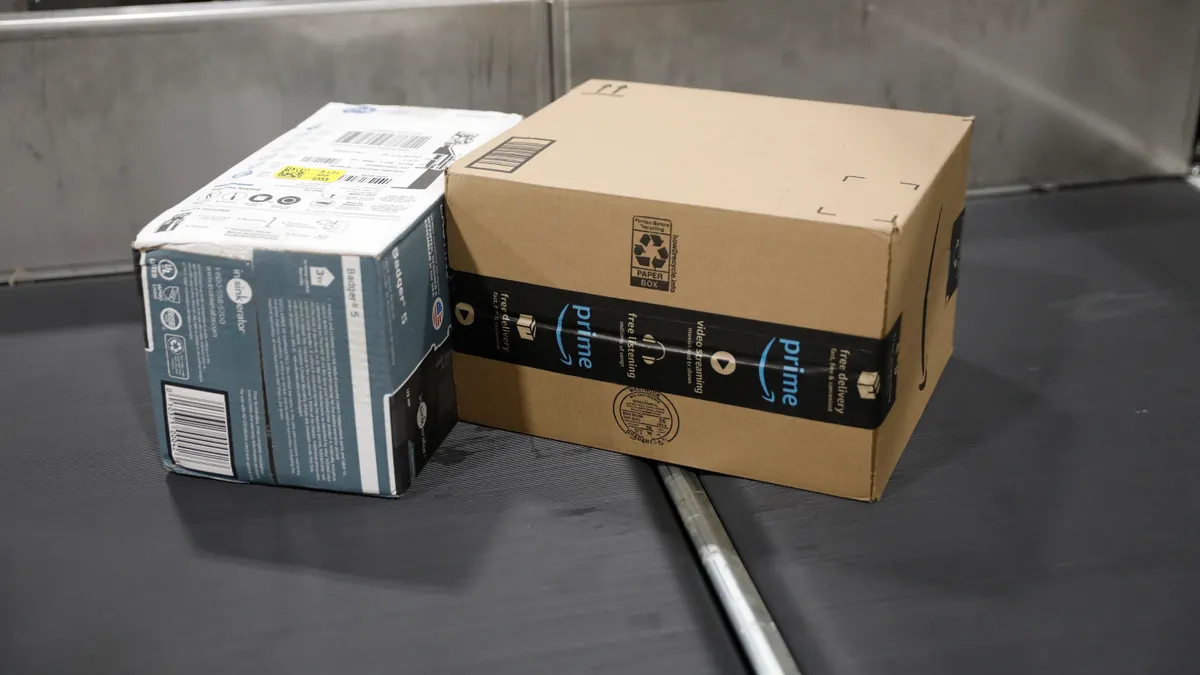
Seattle, WA – June 5, 2026 – In a significant move to elevate the customer experience and drive sales growth, Amazon has introduced a new mandate requiring sellers to provide more precise delivery date estimates for their self-fulfilled products. This initiative, detailed in recent communications to its vast seller network, underscores the e-commerce giant’s unwavering focus on speed and reliability as critical drivers of consumer purchasing decisions. The company asserts that by pushing sellers to offer more accurate delivery timelines, it anticipates a notable uplift in sales, with preliminary data suggesting a potential average increase of 5% for every day that promised delivery times are reduced.
This strategic pivot is not merely an operational adjustment; it represents a deep understanding of modern consumer behavior, where instant gratification and predictable fulfillment are paramount. In an increasingly competitive online marketplace, Amazon’s proactive stance aims to mitigate a common source of customer dissatisfaction: receiving goods later than anticipated. By compelling sellers to align their promised delivery dates with actual fulfillment capabilities, Amazon seeks to foster greater customer trust, a cornerstone for sustained engagement and repeat business.
The Imperative for Accuracy: Understanding the Customer’s Expectation
The core of Amazon’s new requirement lies in its recognition that delivery speed and accuracy are no longer mere conveniences but fundamental expectations. The platform’s own operational prowess in same-day and next-day delivery has, in essence, set a new benchmark for the entire e-commerce industry. However, for the millions of third-party sellers who manage their own inventory and shipping, this standard can be challenging to consistently meet, especially when handling times are conservatively estimated.
According to Amazon’s internal analysis, a substantial majority of self-fulfilled orders in the U.S. – over 87% – are currently processed and shipped within a single day. Despite this high operational efficiency, the company observed a prevalent tendency among sellers to set longer handling times for their Stock Keeping Units (SKUs) than are demonstrably necessary. This practice, while perhaps intended as a buffer against unforeseen delays, ultimately leads to overestimated delivery promises that fall short of what could realistically be achieved.
"Fast and accurate delivery builds customer trust and is a key factor in purchase decisions," Amazon stated in its communication to sellers. This statement encapsulates the underlying philosophy driving the new mandate. The company’s data provides a compelling quantitative justification: "In fact, every one day improvement in promised delivery time leads to an average 5% increase in sales." This direct correlation between enhanced delivery speed and revenue growth is a powerful incentive for sellers to adapt to the new requirements. It suggests that by shaving even a single day off estimated delivery times, sellers can unlock significant sales potential.
A Phased Approach to Implementation: Automation and Oversight
To facilitate compliance and minimize the burden on sellers, Amazon is recommending a two-pronged approach, prioritizing automated solutions and providing clear oversight mechanisms.
1. Embracing Automated Handling Time Settings:
Amazon strongly advises sellers to leverage its automated handling time setting. This feature is designed to dynamically monitor and adjust the estimated handling time for SKUs based on their recent shipping performance and historical data. By utilizing this automated system, sellers can benefit from Amazon’s sophisticated algorithms, which continuously analyze shipping patterns and optimize handling time estimates without requiring individual SKU management. This not only streamlines operations but also ensures that promised delivery times remain realistic and competitive, aligning with the platform’s overarching goal of enhanced customer satisfaction. The company highlights that this option helps sellers "avoid having to monitor individual SKUs," thereby reducing administrative overhead and potential for human error.
2. Manual SKU-Level Management with Performance Monitoring:
For sellers who prefer or require a more hands-on approach, Amazon allows for manual setting of handling times at the individual SKU level. However, this manual control comes with a heightened degree of scrutiny. Amazon will be closely monitoring these manually set SKUs over a 30-day evaluation period. The objective of this monitoring is to rigorously verify that the stated handling time accurately reflects the seller’s actual shipping speed.

During this evaluation, Amazon will determine the fastest handling time a seller can consistently achieve without exceeding a 4% late shipment rate. This threshold is a critical benchmark, indicating Amazon’s tolerance for occasional, unavoidable delays while maintaining a high standard of reliability. Sellers who consistently meet or exceed this standard will likely find their manually set handling times validated, while those who fall short may see their times adjusted by Amazon to reflect their actual performance. This robust oversight mechanism ensures that manual settings are not exploited to create artificially long delivery windows. The company has provided detailed guidelines and documentation on this process, accessible through its Seller Central portal, further emphasizing transparency and support for sellers navigating this change.
Exceptions and Broader Strategic Context
While the new mandate aims for widespread adoption, Amazon has clarified certain exceptions to ensure that the requirements are practical and relevant across its diverse seller base. The enhanced delivery accuracy mandate does not apply to:
- Custom Orders: Products that are personalized or made-to-order, where the production time inherently extends the fulfillment process.
- Handmade Goods: Items crafted by artisans, which often involve unique production timelines and may not fit standardized handling time models.
- Bulky Less-Than-Truckload (LTL) Shipments: Large or heavy items requiring specialized freight shipping, which have distinct logistical challenges and longer transit times.
These exceptions acknowledge the unique logistical realities associated with specific product categories. However, for the vast majority of self-fulfilled SKUs, the new requirement is designed to instill a culture of precision and efficiency.
This initiative is part of a broader strategic push by Amazon to solidify its position as the premier destination for fast and reliable online shopping. The company is continuously investing in and expanding its logistics network to offer customers unparalleled delivery speeds. Recent developments include the expansion of its 30-minute-or-less delivery service to an increasing number of U.S. cities, a testament to its commitment to hyper-local fulfillment capabilities. Furthermore, Amazon has repeatedly highlighted the strong customer demand for its same-day delivery services, underscoring the market’s appetite for rapid fulfillment. By aligning seller performance with these ambitious delivery goals, Amazon aims to create a seamless and consistently satisfying customer journey, from browsing to doorstep delivery.

Implications for Sellers and the E-commerce Landscape
The implications of Amazon’s new delivery accuracy mandate are far-reaching for its third-party sellers and the broader e-commerce ecosystem.
For Sellers:
- Operational Optimization: Sellers will be incentivized to critically evaluate and optimize their internal fulfillment processes. This may involve investing in better inventory management systems, improving warehouse efficiency, streamlining packing and shipping procedures, and potentially enhancing relationships with shipping carriers.
- Data-Driven Decision-Making: The emphasis on accurate handling times will necessitate a more data-driven approach to sales and operations. Sellers will need to actively monitor their performance metrics, understand their true fulfillment capabilities, and use this data to inform their pricing and promotional strategies.
- Potential for Increased Sales: As Amazon’s data suggests, improved delivery accuracy and speed can directly translate into higher sales. Sellers who adapt effectively to the new requirements stand to gain a competitive advantage and boost their revenue.
- Risk of Penalties: Conversely, sellers who fail to meet the new standards, particularly those who continue to overestimate delivery times or consistently miss their promised deadlines, may face penalties. These could include reduced visibility in search results, suspension of selling privileges, or even financial penalties, depending on the severity and frequency of non-compliance.
- Focus on Customer Experience: The mandate reinforces the importance of the customer experience as a key differentiator. Sellers will need to prioritize building customer trust through reliable and transparent delivery promises.
For the E-commerce Landscape:
- Raising the Bar for Fulfillment: Amazon’s move sets a new precedent for delivery accuracy across the e-commerce industry. Competitors may feel compelled to implement similar measures to remain competitive, potentially leading to a general uplift in delivery standards for online shoppers.
- Increased Demand for Logistics Technology: The requirement for precise handling times will likely drive further innovation and demand for logistics technology solutions, including warehouse management systems (WMS), shipping software, and real-time tracking platforms.
- Customer Expectations Solidified: Consumers are becoming increasingly accustomed to fast and predictable deliveries. This mandate will further solidify these expectations, making them a non-negotiable aspect of the online shopping experience.
- Shift in Seller Strategy: Sellers will need to shift their focus from simply listing products to managing a robust and efficient fulfillment operation. This could lead to greater investment in supply chain management and operational excellence.
In conclusion, Amazon’s mandate for enhanced delivery accuracy for self-fulfilled SKUs represents a strategic evolution in its platform management, driven by a clear understanding of customer expectations and the direct link between fulfillment performance and sales growth. By encouraging sellers to provide more precise delivery dates, Amazon is not only aiming to boost its own revenue but also to elevate the overall standard of e-commerce fulfillment, ultimately benefiting consumers with a more reliable and satisfying online shopping experience. The success of this initiative will hinge on the ability of sellers to adapt their operations and embrace the imperative of speed and accuracy in the increasingly demanding world of online retail.
