

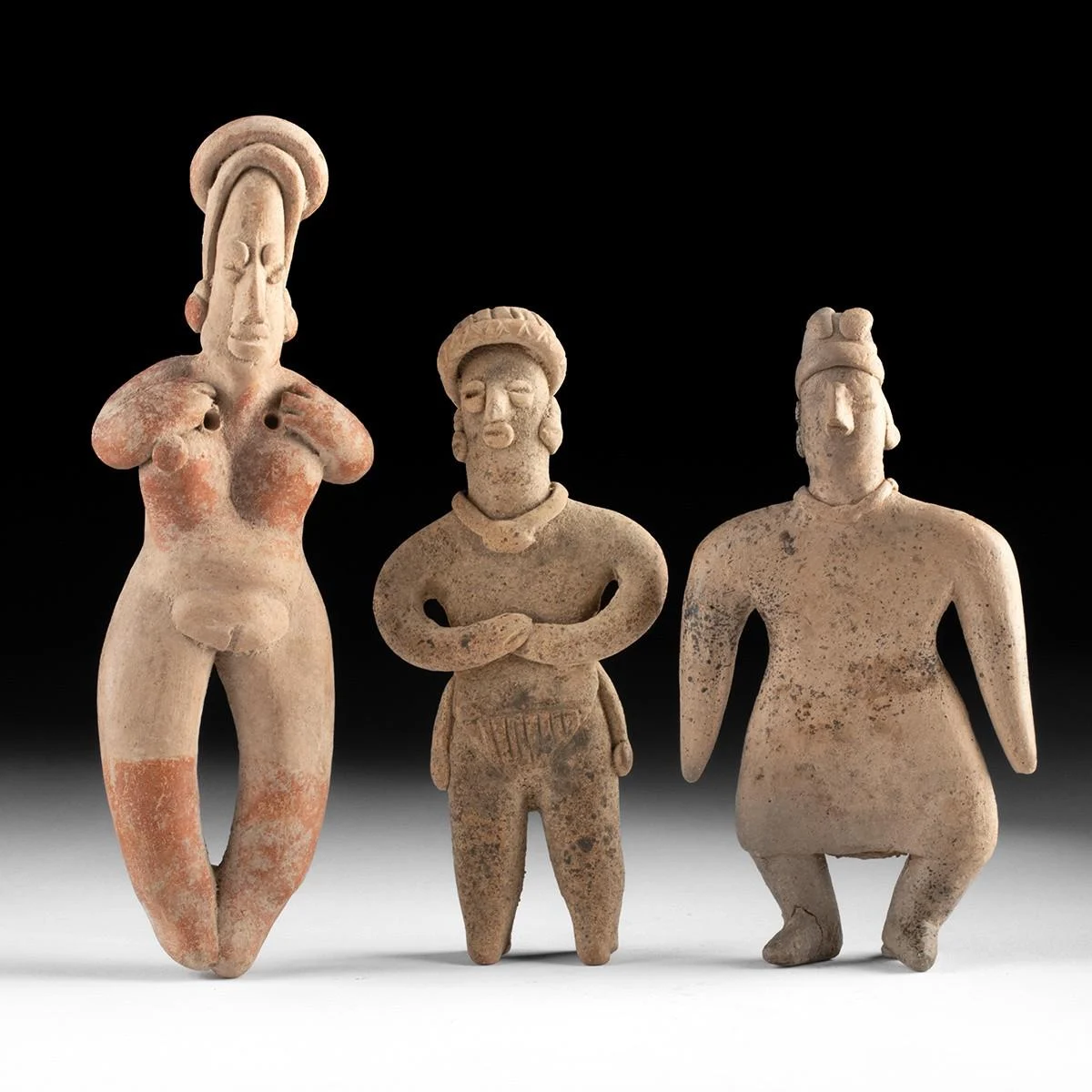
In an escalating diplomatic and cultural standoff, the Mexican Ministry of Culture has formally demanded the immediate suspension of an auction hosted by Artemis Fine Arts in Louisville, Colorado. The sale, titled "Fine/Visual Art, Ancient, Ethnographic Art," features a collection of 80 artifacts of Mexican origin, sparking a fierce debate over the ethics of the art market, the definition of cultural sovereignty, and the complex legal frameworks governing international antiquities.
The intervention, which underscores Mexico’s aggressive campaign to reclaim its national treasures, has placed the spotlight once again on the intersection of private commerce and state-held heritage. As the National Institute of Anthropology and History (INAH) continues to catalog and challenge the sale of these items, the case serves as a microcosm of the broader struggle facing nations of the Global South in their efforts to repatriate historical objects held in foreign collections.
The Core Conflict: A Clash of Legal Philosophies
The standoff hinges on a fundamental disagreement regarding the legal status of pre-Columbian artifacts. Under Mexican federal law, which has been in place since 1827, all archaeological artifacts discovered within the nation’s territory are considered the inalienable property of the Mexican state. From the perspective of the Mexican government, the removal of these items from their country of origin constitutes an illegal act, regardless of how many times they may have changed hands on the international market.
Conversely, American dealers like Bob and Teresa Dodge, the proprietors of Artemis Fine Arts, operate under a different set of legal expectations. They argue that their business practices adhere to the 1970 UNESCO Convention on the Means of Prohibiting and Preventing the Illicit Import, Export and Transfer of Ownership of Cultural Property, which was codified into U.S. law. Under this framework, artifacts with documented provenance—proof of legal ownership history—are considered legitimate items for trade.
The impasse is further complicated by the interpretation of "provenance." While dealers often argue that a piece is legally saleable if it entered the market before specific international treaties were ratified, Mexico maintains that if an object’s original extraction was illicit, its entire subsequent history of ownership is tainted.
A Chronology of Contention: The "Mi Patrimonio No Se Vende" Movement
The current tension is not an isolated event but a tactical evolution of the "Mi Patrimonio No Se Vende" (My Heritage Is Not For Sale) campaign, which gained significant momentum in 2018. The Mexican government has utilized this initiative to coordinate a global effort to recover artifacts through diplomatic channels, legal petitions, and public pressure campaigns.
The Trajectory of the Campaign:
- 2018–2020: The Mexican government shifts its strategy from passive requests for repatriation to active monitoring of international auction houses in Paris, Rome, and the United States.
- 2021–2023: Mexico successfully recovers thousands of artifacts, often by providing evidence that pieces were looted from protected archaeological sites. The rhetoric from the Ministry of Culture becomes increasingly assertive, framing the return of these items as a matter of "cultural sovereignty."
- 2024: Artemis Fine Arts becomes a frequent target of Mexican authorities. When confronted by inquiries regarding the legality of their Mexican inventory, the gallery owners maintain that they operate within the law.
- 2025: The current dispute erupts, marking a continuation of the friction between the gallery and the Mexican Ministry of Culture, with the Dodges continuing to rebuff requests to halt sales or repatriate items.
Since the inception of this campaign, Mexico has successfully repatriated approximately 16,500 cultural artifacts. This staggering figure reflects a systematic, state-funded effort to audit the holdings of private collectors and auction houses worldwide.
Official Responses and Ideological Divides
The rhetoric surrounding this case reveals a deep philosophical divide regarding who owns history.
"Our heritage is not an object of profit," stated Culture Secretary Claudia Curiel de Icaza. "Its defense is a permanent commitment to the memory and cultural sovereignty of Mexico." This sentiment reflects the official position of the Mexican state: that these objects are not merely commodities, but foundational elements of the nation’s identity that were stolen during periods of colonial exploitation or historical neglect.
In stark contrast, the position held by Artemis Fine Arts highlights the frustrations of private collectors who believe their holdings are being unfairly targeted. In a 2024 interview with Artnet, Teresa Dodge expressed exasperation regarding the ambiguity of the law, suggesting that the goalposts for "legality" are constantly moving. Her husband, Bob Dodge, was more blunt, questioning the premise of the Mexican government’s moral claim: "Mexico wants everything back. To what end? Because it’s theirs? When it was made, there was no Mexico."
This comment—that modern national borders do not necessarily correlate with the cultural origins of ancient artifacts—is a common defense among proponents of the private art market. However, it is precisely this view that the Mexican government finds most offensive, viewing it as a erasure of their indigenous history and a justification for continued extraction.
Supporting Data: The Scale of the Global Trade
The issue of illicit antiquities is a multi-billion-dollar global problem. According to reports from UNESCO and various cultural heritage organizations, the trade in looted artifacts is often linked to organized crime and the funding of illicit activities.
- Market Volume: While the exact value of the illicit antiquities market is difficult to track, experts estimate it runs into the hundreds of millions of dollars annually.
- Repatriation Success: Mexico’s recovery of 16,500 items since 2018 represents one of the most successful state-led repatriation efforts in modern history.
- Legal Precedents: The 1970 UNESCO Convention serves as the primary legal standard, yet it is frequently criticized for lacking retroactive power, leaving a "grey zone" for objects that entered the market prior to the treaty’s adoption.
The INAH, which acts as the technical arm of the Mexican Ministry of Culture, provides the scientific expertise needed to identify these pieces. Their cataloging process involves cross-referencing auction lots with digitized records of known archaeological sites. When a match is found, the INAH prepares a legal dossier to challenge the sale.
Implications for the Future of Art Collecting
The ongoing dispute in Colorado carries significant implications for the future of the art market, particularly for small-to-mid-sized auction houses that specialize in ethnographic and ancient art.
1. The Burden of Proof
The primary implication is the shifting burden of proof. Where once the responsibility lay with the nation of origin to prove an item was stolen, the trend is moving toward requiring dealers to prove an item was exported legally. This creates a difficult environment for galleries that cannot provide an unbroken chain of ownership dating back decades or even centuries.
2. Reputational Risk
As awareness of "cultural sovereignty" grows among the general public, auction houses face increasing reputational risks. Being labeled as a purveyor of "looted heritage" can result in public boycotts, legal scrutiny from federal authorities, and a loss of prestige in the professional art community.
3. Diplomatic Tensions
The case highlights a broader strain in international relations. As Mexico continues to exert pressure, other nations—particularly in Latin America and Africa—may follow suit, adopting similar "No Se Vende" policies. This could lead to a permanent change in how cultural items are traded, moving toward a model of cultural diplomacy and long-term loans rather than permanent, private ownership.
Conclusion: A Lingering Question of Ethics
As the auction proceeds in Colorado, the dispute serves as a reminder that the acquisition of art is rarely a neutral act. For the Mexican government, these 80 artifacts are witnesses to a history that belongs to their people; for the owners of Artemis Fine Arts, they are legal assets acquired in good faith.
The standoff demonstrates that as the global community continues to grapple with the legacy of colonialism and the ethics of possession, the traditional art market will remain a primary battleground. Whether through future litigation, changes in international trade laws, or a shift in the morality of the marketplace, the days of uncritical trade in foreign antiquities are clearly numbered. For now, the items in the Louisville auction remain caught between two irreconcilable definitions of ownership, serving as silent participants in a modern struggle for the soul of historical memory.
