

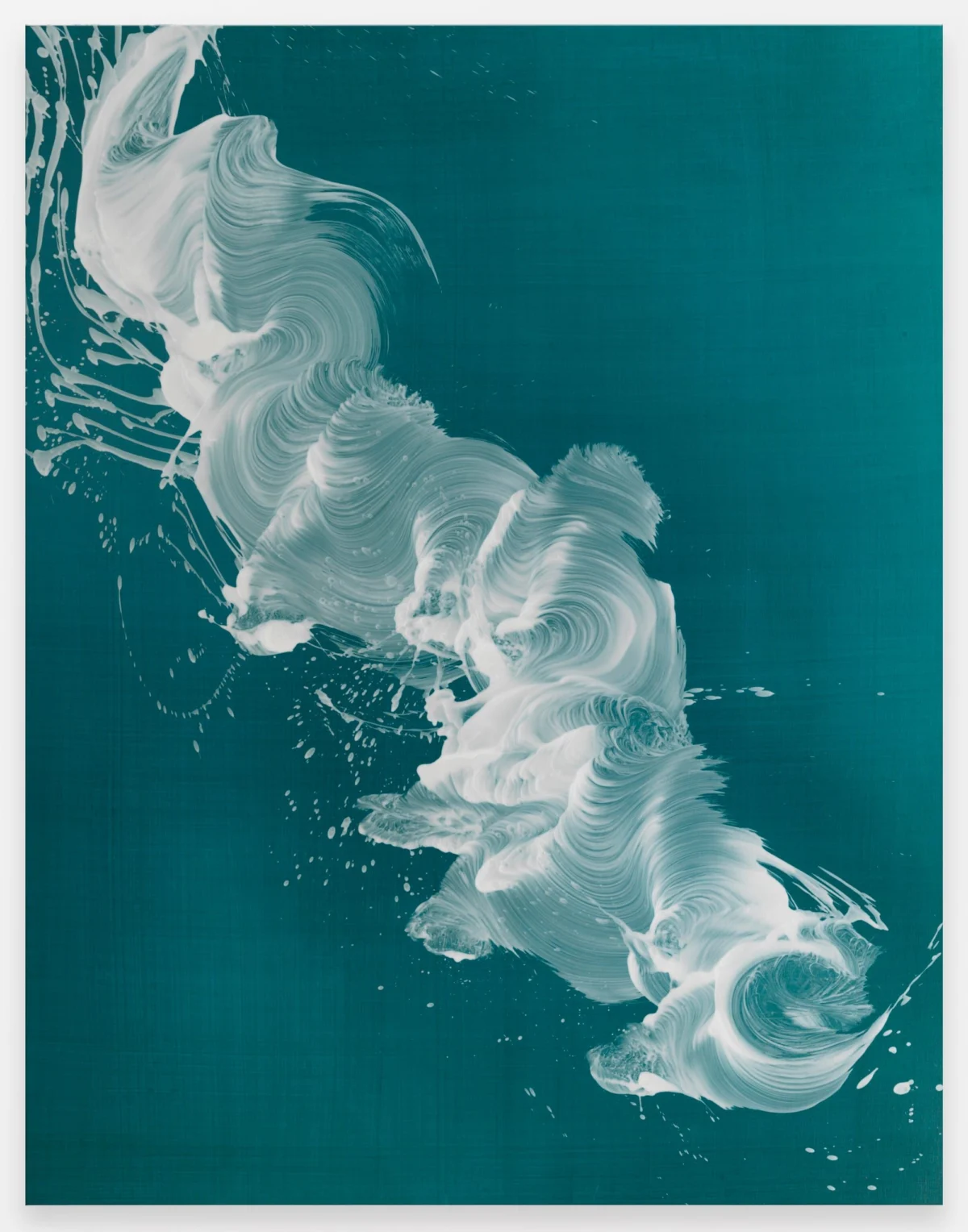
In the vast, often chaotic tapestry of the New York art world, few figures possess the enduring, chameleonic vitality of Jamie Nares. A painter, filmmaker, photographer, and musician, Nares has spent over five decades refining a singular visual language defined by the "bravura of a brushstroke." Now 72, the London-born polymath stands at a crossroads, preparing to leave the city that shaped her for the quietude of Upstate New York, while simultaneously entering a period of profound artistic and personal clarity.
As part of Hyperallergic’s 2026 Pride Month series, this interview explores the intersection of Nares’s rigorous artistic practice—which seeks the "essence of things"—and her deeply personal journey of self-discovery, culminating in her public transition.
The Philosophy of the Single Mark
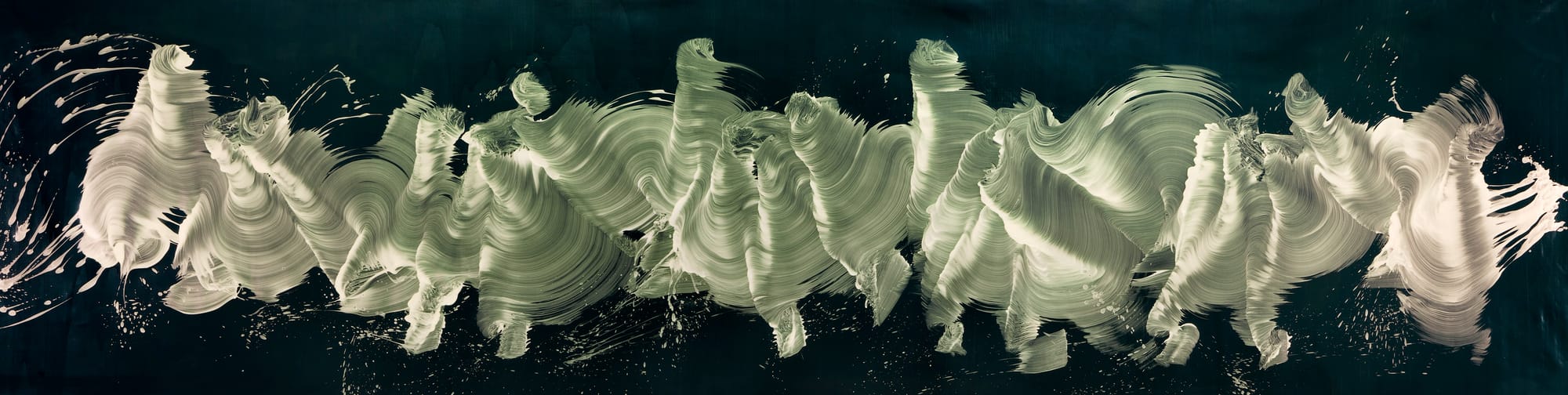
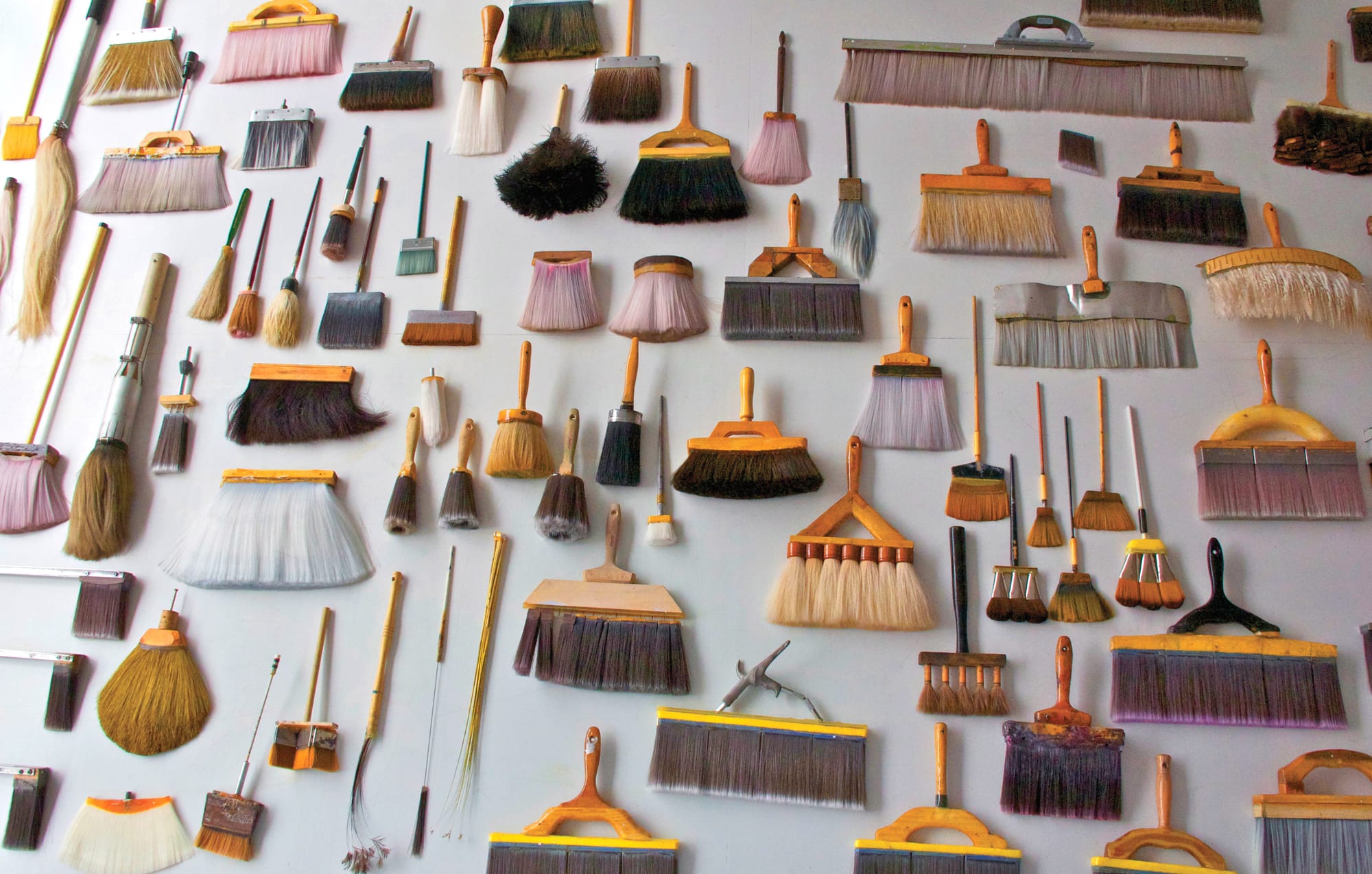
To observe a Nares canvas is to witness a choreography of motion. Her large-scale paintings are not merely depictions; they are records of a single, decisive act. This focus on the "sweeping motion" of the brush is the result of a decades-long process of reduction—a stripping away of the superfluous to reach the core of artistic expression.
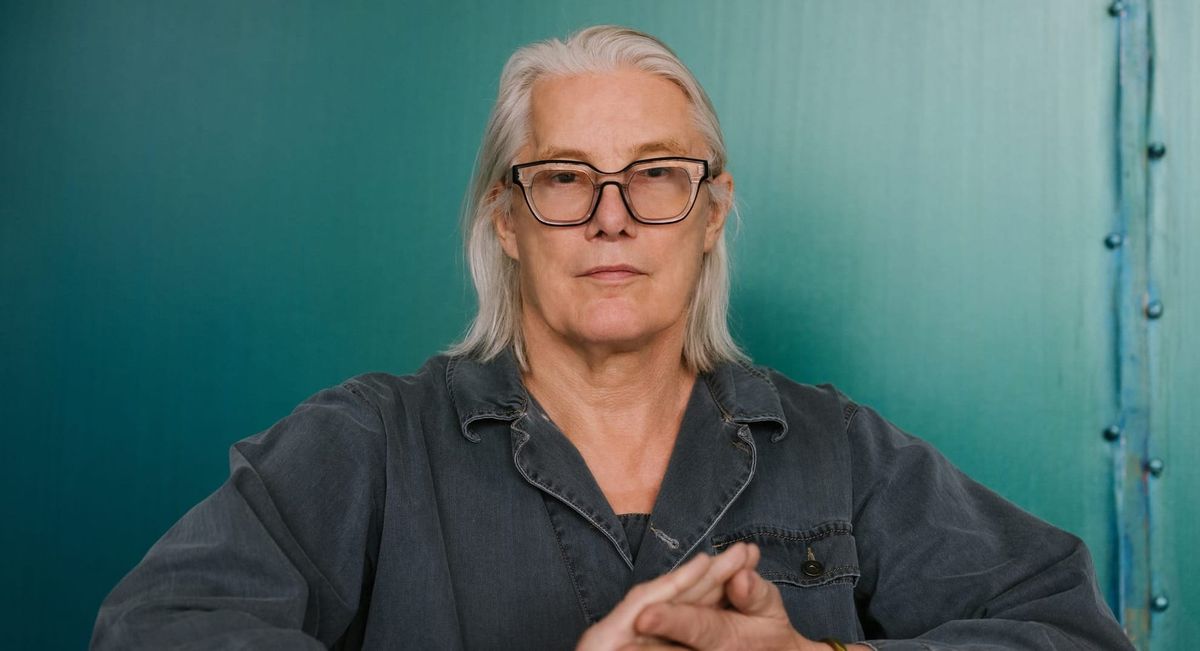
"I’ve always been a person who gravitates towards the essences of things," Nares explains. "I stripped away what I figured was not mine, things I had picked up from other people. And what I was left with was this movement."
This reductionist approach is not a limitation but a liberation. Nares likens her painting practice to the art of bread-making: a handful of basic ingredients that, through technique and intention, can yield endless variations. For Nares, the brushstroke serves as a meditative anchor in an economy that demands constant, frenetic output. It is a testament to the power of restraint.
A Chronology of Artistic Evolution
Nares’s career is a mirror of the shifting landscapes of New York City itself. Arriving in 1974, she was immediately swept into the burgeoning No Wave movement, a gritty, experimental scene that favored raw energy over polish.

1970s: The New York Arrival
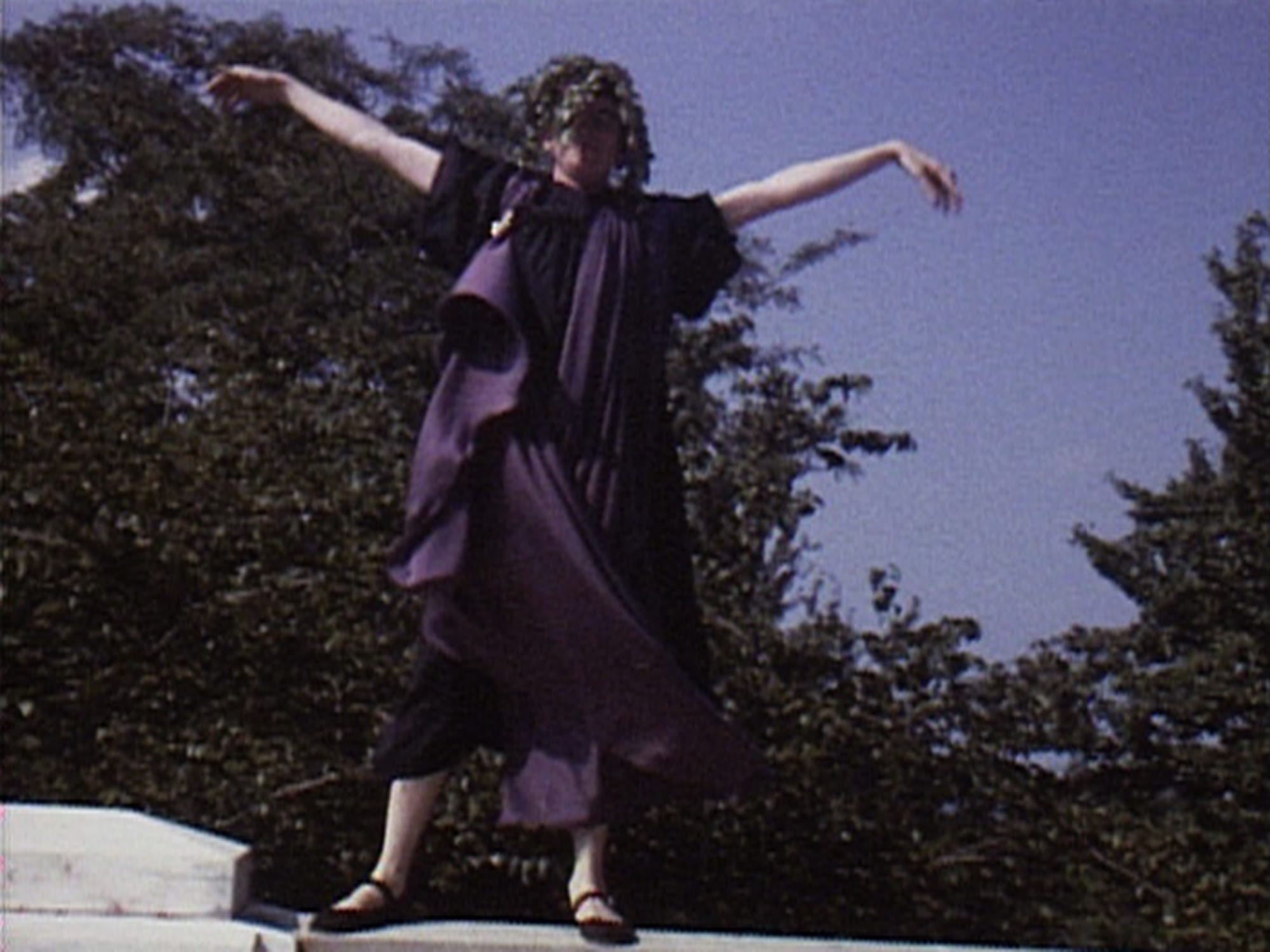
Moving to Manhattan at age 20, Nares found a "coming-of-age" environment that offered a level of cultural acceptance she had never experienced in her native England. Her early work focused on experimental film and performance art, capturing the transgressive spirit of the era. Her 1978 film, Rome ’78, remains a cornerstone of this period, featuring a cast of downtown icons in a surrealist, Roman-costumed reimagining of the city’s underground scene.
1980s–2000s: The Shift to Painting
As the years progressed, Nares began to consolidate her practice. While she maintained a multidisciplinary output, she gravitated toward the monumental scale of the canvas. Living in a "potato barn" on the East End of Long Island, she began the process of isolating the brushstroke as her primary subject. This transition marked a move from the performative to the essential.
2019–Present: The Public Truth
The year 2019 served as a watershed moment. With a retrospective at the Milwaukee Art Museum and a new show in New York, Nares made the decision to step into her identity as a transgender woman. Following a "soft launch" via social media—orchestrated by her supportive children—Nares embraced her truth publicly, culminating in her formal name change in 2024.
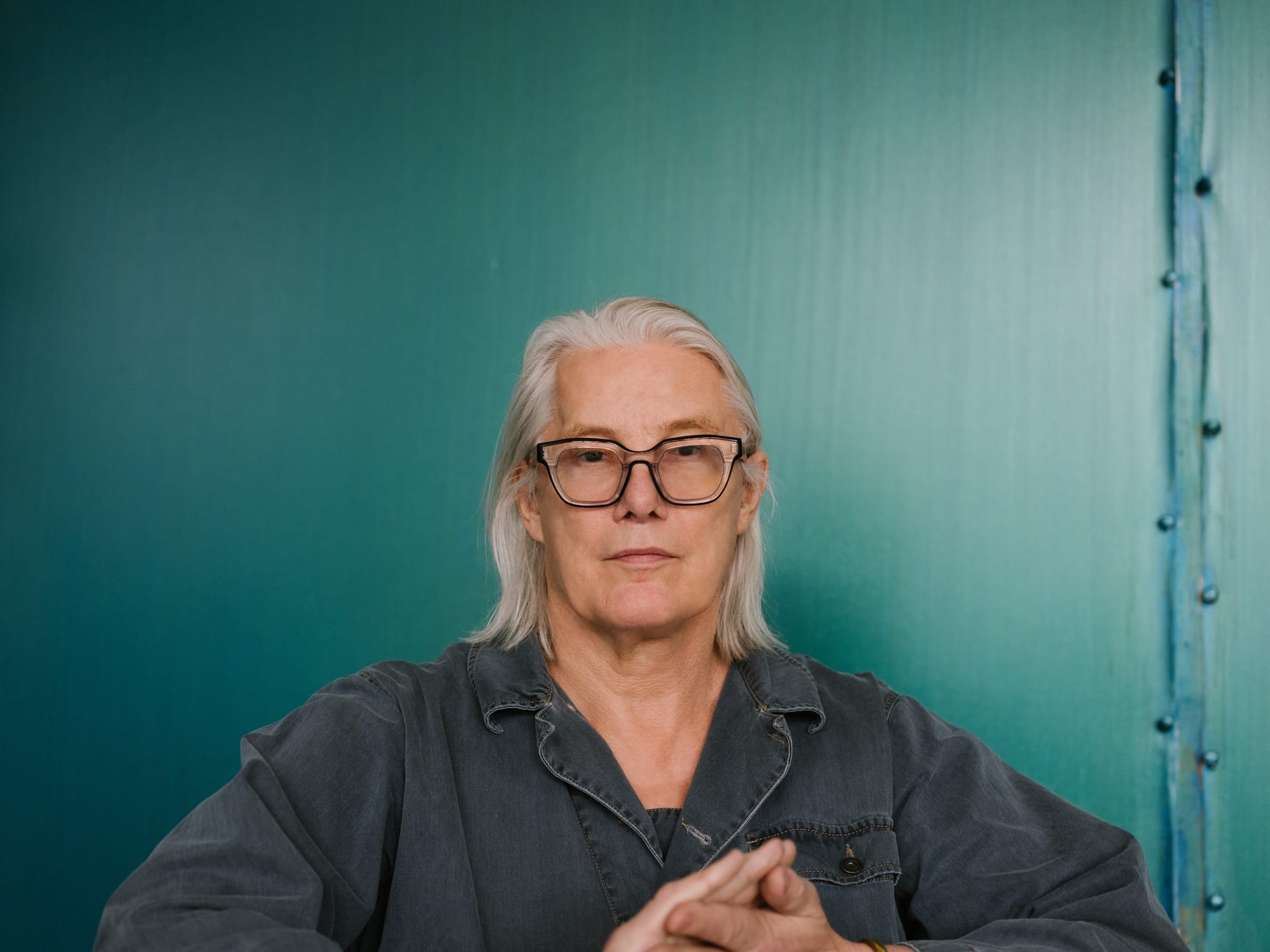
The Intersection of Identity and Artistry
While Nares is careful to distinguish between her painting process and her identity, the two are inextricably linked by a search for "what is right." Reflecting on her youth in repressive English boarding schools, she recalls a culture of corporal punishment and strict gender normativity.
"I was always aware of what I then called this side of me," she says. "There was this pain in my life… I didn’t know how to deal with it. There was no language. There was nobody to talk to."
For much of her life, Nares kept her identity in "boxes in the closet." It was only through a process of "attritional" self-acceptance—slowly wearing down the barriers erected by fear and societal expectation—that she arrived at her current state of peace. Her children played a pivotal role in this transition, offering the validation she had lacked for decades.
Supporting Data: The Cost of Conformity
Nares’s experience reflects a broader historical narrative of LGBTQ+ individuals in the arts. For decades, the "No Wave" scene provided a sanctuary, yet even within progressive circles, the language of gender identity was often absent.
- The "Double Life": Nares notes that for years, she maintained a professional persona while suppressing her identity, a common experience for queer elders who navigated the 1970s and 80s.
- The Role of Mentorship: By remaining a visible, active artist at 72, Nares serves as a vital touchstone for younger generations of queer artists, demonstrating that one’s creative peak and personal evolution are not mutually exclusive.
- The Resilience Factor: Nares argues that the experience of being "denied" builds a unique form of internal strength. This resilience is not just a survival mechanism; it is the fuel for her current, highly productive creative phase.
A Shifting Landscape: The Political Climate
When asked about the current political climate in the United States—marked by increasing legislative threats against transgender healthcare and existence—Nares is blunt. While she acknowledges the "unbelievably ugly" tone of current discourse, she remains defiant.
"The lid is off," Nares asserts. "People have taken this into their own hands. We’re pretty resilient and pretty darn strong."
She acknowledges her position as a "privileged trans person," but rejects the notion that she must act as a spokesperson for an entire community. Instead, she argues that the most radical act is simply to exist. "I carry my own little banner wherever I go. Because I am who I am. I show up as myself."
Future Directions: "Full of Ideas"
As Nares prepares to relocate to Chatham, New York, she finds herself in a period of unprecedented creative velocity. "I’m now 72 and I’ve never been so full of ideas in my life," she says.
Her current work is moving into new territory. While her hallmark is the isolated brushstroke, she is now experimenting with "more painterly brushwork"—a contained, basic approach that offers a new way to explore her recurring themes. Simultaneously, she is returning to filmmaking, moving away from the feature-length epics of her youth toward concise, sharp short films.
Looking back at her career, Nares views her body of work not as a series of disparate departures, but as a single, cohesive thread. "I was very happy when I finally got that retrospective… and realized that all these disparate things fit together. They all bounced off each other, and they made sense."
For Nares, the goal remains the same: the truth of the mark. Whether that mark is on a canvas or in the way she lives her life, it is a testament to the pursuit of the essential—a lifelong project that, at 72, is only just beginning to reach its full potential.
