

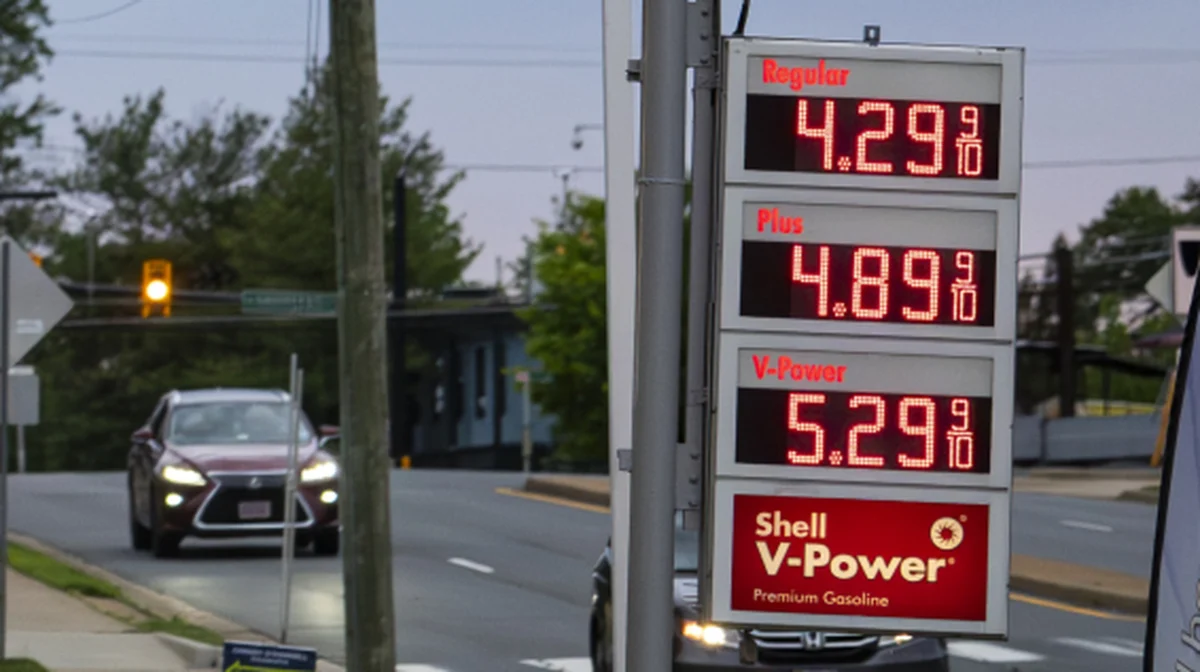
For decades, the American highway system was built on a simple, reliable compact: drivers pay a tax at the pump, and that revenue funds the repair and expansion of our roads. It was a "user-pays" model that sustained the nation’s infrastructure through the 20th century. However, as the 21st century matures, that compact is fraying. With vehicles becoming increasingly fuel-efficient and the rapid adoption of electric vehicles (EVs) eroding the gas tax base, states are scrambling to find new ways to pay for the asphalt beneath our tires.
This fiscal crisis has led to a patchwork of state-level policies, particularly regarding the taxation of diesel versus gasoline. In some states, diesel is taxed at a premium to account for the heavy wear and tear caused by commercial trucking. In others, the taxation is a complex web of environmental mandates and social engineering. Nowhere is this more apparent—or more controversial—than in California.
The Foundation: Why Diesel is Taxed Differently
The traditional logic behind higher diesel taxes is rooted in physics: heavier vehicles cause more structural damage to roadways. A standard passenger car weighs roughly 4,000 pounds, while a fully loaded Class 8 semi-truck can weigh up to 80,000 pounds. According to the "fourth-power rule" in pavement engineering, road damage increases exponentially with axle weight. Therefore, states often levy higher per-gallon fees on diesel to ensure that the commercial sector—the primary consumer of diesel—contributes its fair share to road maintenance.
However, this logic is increasingly under strain. According to the Pew Research Center, many states have "thrown in the towel" on relying solely on fuel taxes to fund infrastructure. As inflation drives up the cost of labor and raw materials for construction, the static per-gallon tax—which does not automatically adjust for inflation—is failing to keep pace. Some states, such as Michigan, have begun supplementing their transportation funds with revenue from the general fund and unconventional sources like cannabis excise taxes.
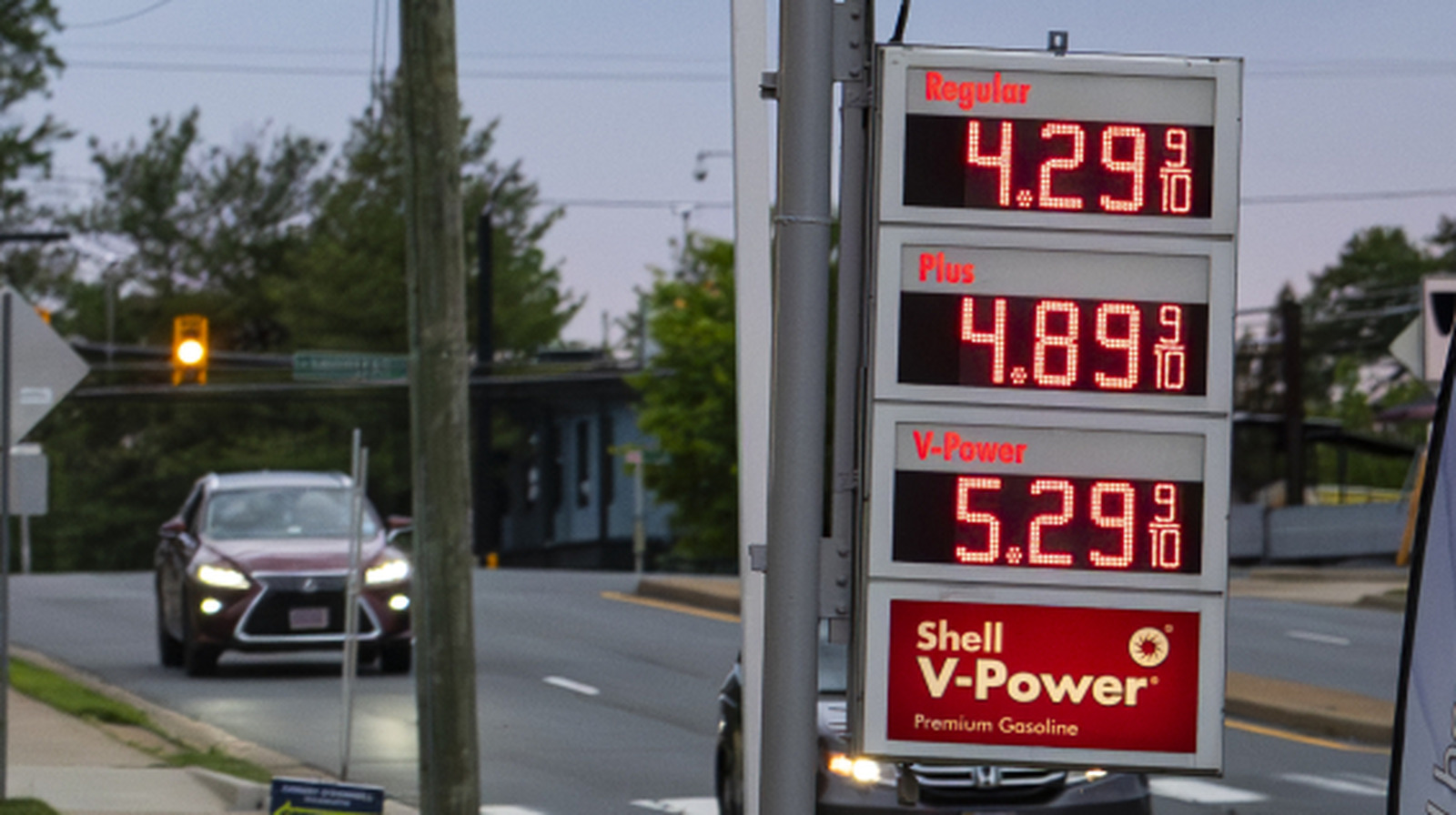
A Chronology of the Fuel Tax Evolution
- The Mid-20th Century: The Federal Highway Act of 1956 establishes the Highway Trust Fund, financed primarily by federal excise taxes on gasoline and diesel.
- The Late 1990s: The rise of fuel-efficient hybrid vehicles begins to create the first cracks in the "gas tax" model.
- 2017: California passes the Road Repair and Accountability Act (SB 1), significantly increasing fuel taxes to combat a massive backlog in deferred road maintenance.
- 2020–2023: Global supply chain disruptions and geopolitical instability in the Middle East cause diesel prices to decouple from gasoline, creating unprecedented volatility for the trucking industry.
- 2024–2025: Research from institutions like the University of Pennsylvania and the Union of Concerned Scientists highlights the growing skepticism regarding the effectiveness of state-level "low-carbon" fuel mandates on national emissions.
The California Experiment: Environmentalism vs. Economics
California represents the most aggressive outlier in the nation. The Golden State’s fuel taxes are among the highest in the country, with combined state and local fees reaching 61.5 cents per gallon for gas and a staggering $1.13 per gallon for diesel.
This premium is not merely for road repair; it is a policy tool. The California Air Resources Board (CARB) has implemented rigorous fuel standards that mandate the integration of biofuels. By forcing suppliers to blend higher percentages of agricultural-derived fuels into the mix, Sacramento aims to lower the carbon intensity of the transportation sector.
However, critics argue this scheme is flawed. A study from the University of Pennsylvania points out that while California’s regulations might lower the "carbon footprint" of the fuel burned within its borders, it does little to reduce national greenhouse gas emissions. Because the supply of biofuels is limited, California simply "sucks up" the national supply, leaving other states to consume more traditional, carbon-heavy fossil fuels. Essentially, the climate impact is a wash, but the cost to the California consumer is significantly higher.
Furthermore, the Union of Concerned Scientists has raised alarms about the unintended consequences of this policy. They suggest that the heavy reliance on vegetable-oil-based fuels carries environmental costs—such as deforestation and increased food prices—that CARB’s internal models may be failing to fully account for.
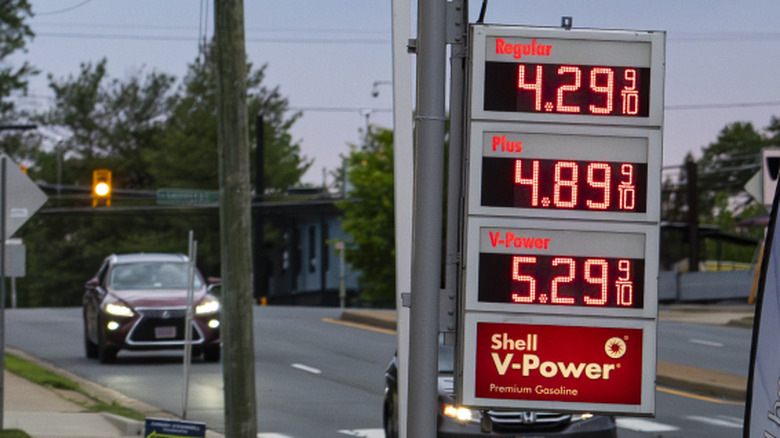
Supporting Data: The Cost of Crumbling Infrastructure
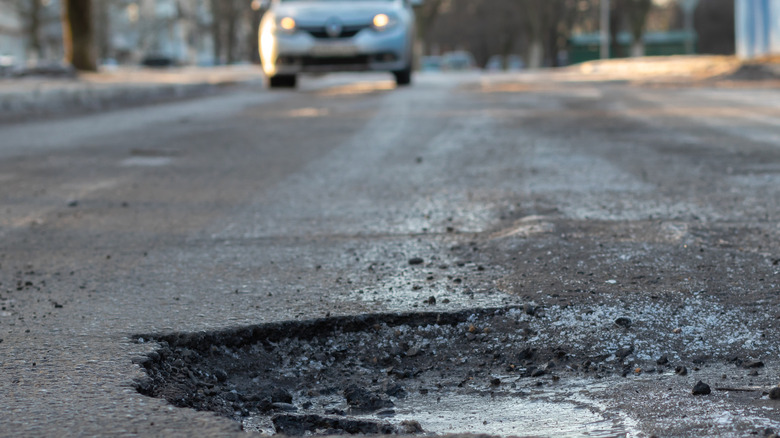
The high taxes paid by Californians are intended to provide superior infrastructure, yet the results remain elusive. According to data from Lending Tree, California ranks near the bottom of the nation for road quality. This creates a "double-tax" on the average driver: they pay the highest fuel taxes in the country, and they also face the high costs of vehicle maintenance.
The financial toll of poor roads is substantial. AAA reports that American drivers collectively pay over $26 billion annually in vehicle repairs directly attributable to poor road conditions, such as potholes and debris. With the average pothole-related repair costing $600, the "tax" of a neglected road is often higher than the tax at the pump.
The Diesel Price Decoupling
Why is diesel consistently more expensive than gasoline, even beyond the tax differential? The answer lies in the global energy market. Diesel is a "distillate," a byproduct of refining crude oil. Unlike gasoline, which is primarily used for light passenger transport, diesel is the lifeblood of the global economy. It powers the ships that cross the oceans, the trains that haul cargo across the continent, and the trucks that make the "last mile" deliveries to our doorsteps.
When global demand for shipping rises, diesel prices spike. Furthermore, the refining process is rigid; refiners cannot easily switch between producing gasoline and diesel. This makes the diesel market highly sensitive to supply shocks. With 10% of the global supply currently vulnerable to instability in the Middle East, volatility is likely to remain the new normal.
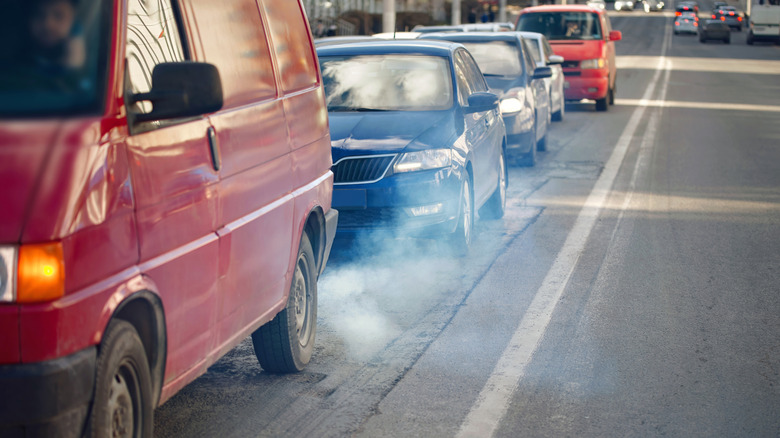
Implications: The "Inelastic" Problem
A central theme in recent economic analysis, such as the studies conducted by the Penn-Wharton Budget Model, is the concept of "inelastic demand." Because diesel is essential for the movement of food, medical supplies, and construction materials, consumers have little choice but to pay the market price.
This creates a significant hurdle for policymakers considering a "gas tax holiday." While such a policy is politically popular—as teased by various political leaders—economists warn that it might not provide the intended relief. Because the demand for fuel is inelastic, gas stations and suppliers have the market power to absorb a tax cut as profit rather than passing the savings on to the consumer. In this scenario, the government loses revenue, the infrastructure fund shrinks, and the driver pays the same price at the pump.
Looking Toward the Future: Kentucky’s Mile-Based Alternative
As states search for a sustainable path forward, Kentucky offers a glimpse into a potential future. Instead of relying on a per-gallon tax that punishes traditional engines while failing to capture revenue from the growing fleet of EVs, Kentucky has implemented a surtax on the miles driven by commercial trucks.
This model is more resilient to the transition toward electrification. Whether a truck is powered by diesel, hydrogen, or a massive battery pack, it still utilizes the road surface. By shifting the tax burden from the fuel to the actual usage of the infrastructure, states can ensure a more equitable and sustainable funding stream.
Conclusion: A System in Transition
The debate over fuel taxes is no longer just about filling potholes; it is a complex intersection of environmental policy, fiscal sustainability, and global geopolitics. California’s aggressive model demonstrates the potential for state-level social engineering, but also highlights the limitations and economic burdens such policies place on residents.
As the nation slowly moves away from fossil fuels, the "gas tax" era is drawing to a close. Whether the future lies in mileage-based user fees, general fund diversions, or a completely new infrastructure funding mechanism, one thing is certain: the current system of taxing fuel is failing to meet the demands of a modern, efficient, and mobile America. Until a national strategy is adopted, drivers will continue to navigate a fractured landscape of costs and quality, paying the price for a transition that is still very much in progress.
