

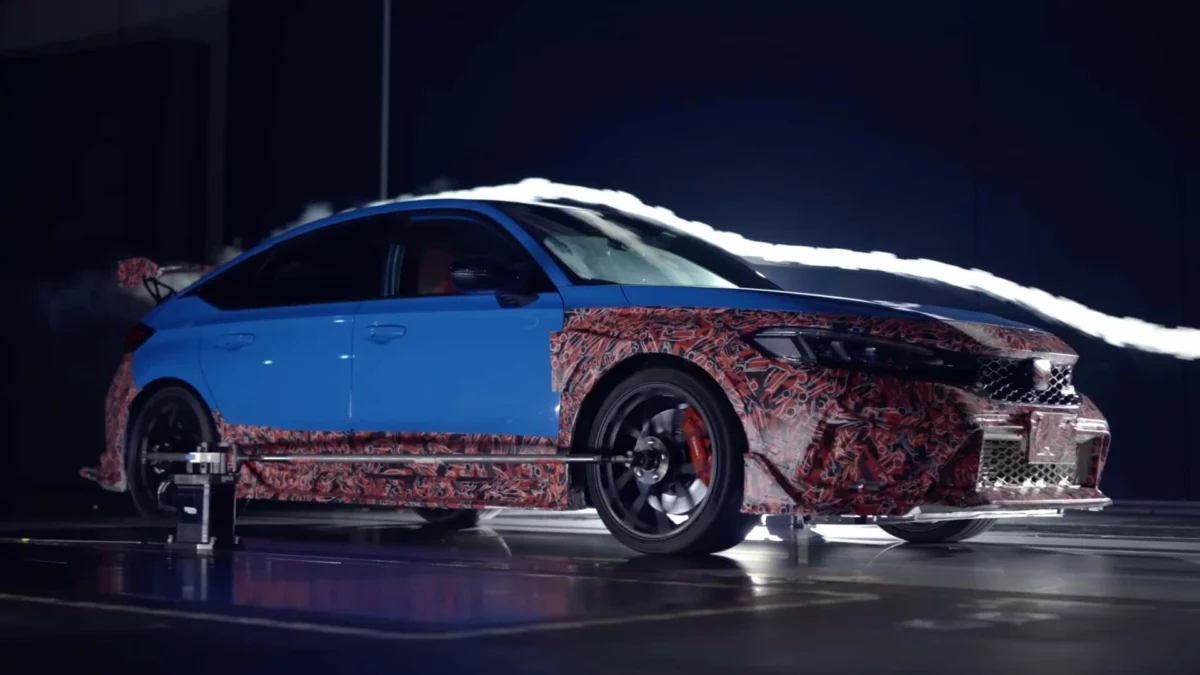
The Honda Civic Type R has long been considered the gold standard of front-wheel-drive performance. With its surgical handling, track-ready chassis, and an engine that thrives on high-RPM abuse, it occupies a hallowed space in the automotive landscape. However, for the engineers at Honda Racing Corporation (HRC), "perfection" is merely a starting point rather than a final destination. Following recent developments and official statements from leadership, the automotive world is bracing for the arrival of the production-intent Civic Type R HRC Concept—a machine designed to bridge the gap between road-legal hot hatch and track-day weapon.
The Genesis: From Concept to Showroom Floor
The journey toward the HRC-badged Civic began in earnest at the 2025 Tokyo Auto Salon, where Honda unveiled a provocative, camouflage-heavy concept that immediately captured the attention of enthusiasts. While many manufacturers use such displays as mere design exercises, Honda is signaling a more aggressive strategy.
During a recent gathering of Type R owners at the Honda-owned Mobility Resort Motegi, HRC President Koji Watanabe provided the most concrete timeline to date. Speaking with the Japanese publication Car Watch, Watanabe-san confirmed that the HRC Concept is not destined for the museum basement; it is destined for the showroom. When asked about the release window, his response was both cryptic and exhilarating: he noted that the vehicle is currently deep in the development phase and that fans can expect its official arrival within "100 digits of days."
This timeline places the unveiling—and potentially the order books—on a very tight schedule, suggesting that Honda is aiming to capitalize on the current momentum of the FL5 Civic platform before the generation concludes its lifecycle.
Chronology of the HRC Evolution
To understand the gravity of the HRC Concept, one must look at the recent evolution of Honda’s performance division. For years, HRC was synonymous with two-wheeled dominance, powering MotoGP champions and dominating world-class motorcycle racing. However, the consolidation of Honda’s motorsport efforts under the HRC umbrella has signaled a shift in focus toward road-going four-wheeled products.
- Phase 1: The Integration (2023-2024): Honda began centralizing its global motorsport activities, folding its car racing operations into the HRC brand. This move was designed to accelerate technology transfer from the racetrack to the assembly line.
- Phase 2: The Acura Prototype (Late 2024): The reveal of the Acura Integra Type S HRC Prototype served as the "proof of concept" for this new initiative. It showcased a suite of aerodynamic and chassis-stiffening upgrades that demonstrated how HRC could elevate a platform without fundamentally altering its core character.
- Phase 3: The Civic HRC Debut (2025): The Tokyo Auto Salon appearance confirmed that the Civic Type R would receive the same, if not more extensive, treatment as its premium sibling.
- Phase 4: The Production Push (Present): With testing currently underway at the legendary Suzuka Circuit—the home turf of Honda performance—the vehicle is undergoing final validation by some of the most skilled drivers in the industry.
Engineering the Edge: A Deep Dive into the Hardware
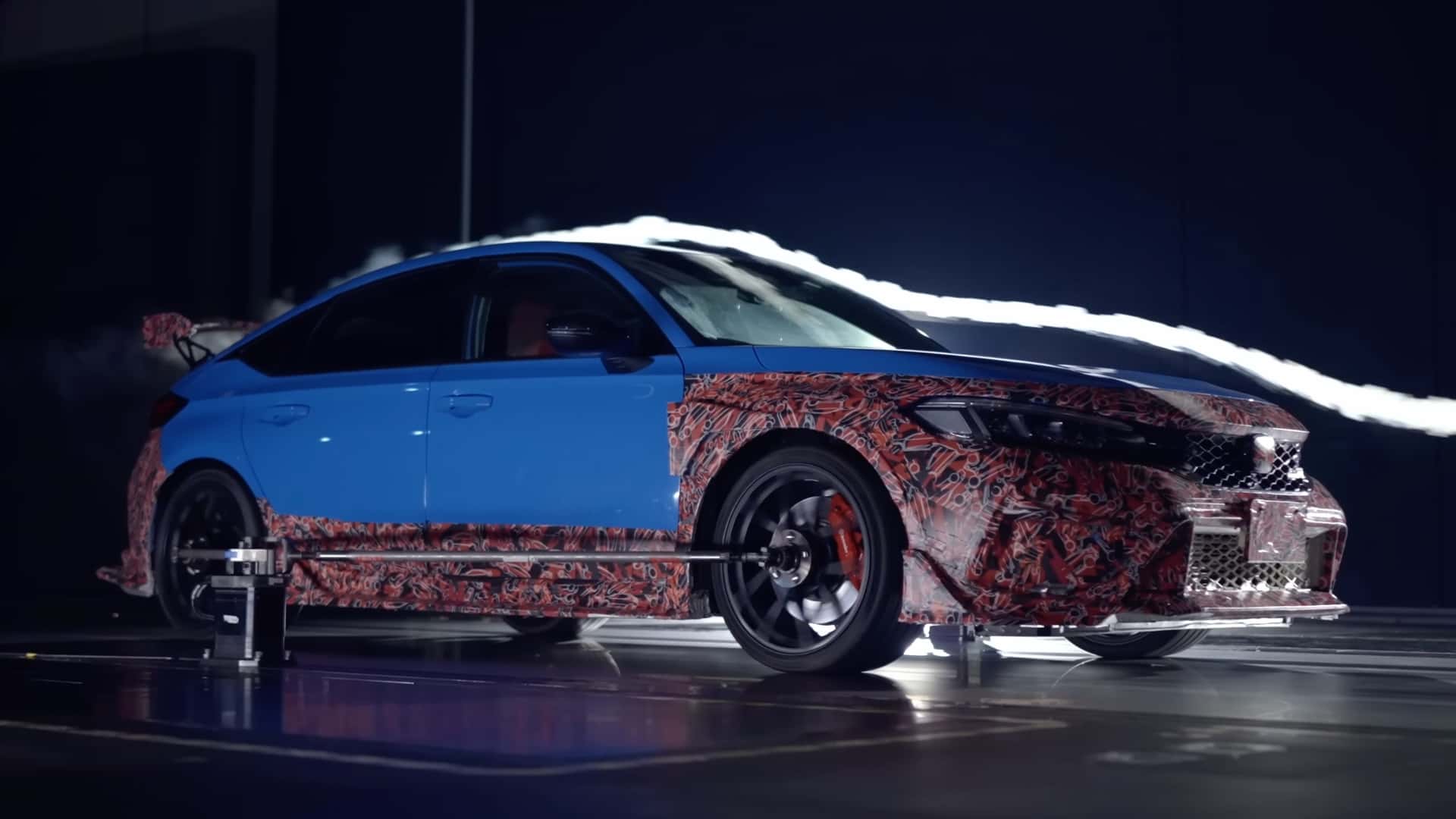
While technical specifications remain tightly guarded, the visual evidence provided by HRC’s testing footage at Suzuka reveals a vehicle that is significantly more aggressive than the standard FL5 Type R.
Aerodynamic Overhaul
The most striking changes are found in the bodywork. The concept features a radical redesign of the front end, characterized by wide-body fender flares that draw clear inspiration from Super GT racing series. These flares serve a dual purpose: they improve the vehicle’s aesthetic stance and accommodate a wider track, which is essential for managing higher cornering forces. The front lip, side skirts, and rear spats have been refined for better airflow management, likely focusing on increasing front-end downforce and reducing lift at high speeds.
Chassis and Rigidity
Takuma Sato, a legendary figure in IndyCar and a long-time Honda partner, has been actively involved in the testing process. His feedback during development has centered on the "rigidity and stiffness" of the chassis. It is widely speculated that HRC has implemented structural reinforcements—perhaps through additional bracing or modified suspension mounting points—to ensure the car can handle the increased grip levels provided by more aggressive tire compounds.
The Staggered Setup Question
One of the most persistent rumors involves the wheel and tire setup. The widened front fenders suggest that Honda may be experimenting with a staggered tire configuration. By running wider rubber on the front axle, the engineers could effectively mitigate the inherent understeer characteristics of a front-wheel-drive platform, turning the Type R into an even more potent tool for apex hunting.
Official Responses and Strategic Implications
Honda’s decision to involve active professional drivers like Ayumu Iwasa, Takuma Sato, and Hiroki Otsu in the development of a production car is a statement of intent. It suggests that the HRC Civic is not a "trim level" with aesthetic stickers; it is a dedicated performance variant tuned by those who understand the nuances of competitive racing.
"Please do look forward to it," Watanabe-san told the audience at Motegi. This sentiment reflects a company that is acutely aware of the enthusiast market’s appetite for high-performance ICE (internal combustion engine) vehicles in an era increasingly dominated by electrification. By leaning into its heritage, Honda is positioning the HRC brand as the ultimate expression of the "Type R" ethos.
The Global Perspective: Will It Come Stateside?
For the North American market, the question of availability is the elephant in the room. Historically, limited-edition Type R models have been difficult to acquire in the US due to production caps and homologation requirements.
However, there is reason for optimism. Watanabe-san has confirmed that the specialized parts developed for the HRC concept will be available as aftermarket components in the United States. This indicates that Honda is at least committed to supporting the performance aspirations of US owners. Whether a complete "turnkey" HRC-edition car will hit US dealerships remains a subject of intense debate, but the modular nature of the upgrades suggests that, at the very least, American enthusiasts will be able to build their own version of the HRC machine using authorized, factory-backed parts.
Implications for the Market
The arrival of the Civic Type R HRC marks a significant pivot in the "hot hatch" wars. With competitors like the Toyota GR Corolla pushing the boundaries of what a compact car can do, Honda needs a response that maintains its reputation for precision and driver engagement.
If the HRC Concept manages to extract more performance from the already potent K20C1 engine—or simply optimizes the chassis to such a degree that it shaves seconds off lap times—it will solidify the Civic’s place in automotive history. Furthermore, it reinforces the HRC brand as a powerhouse that can compete with the likes of BMW’s "M" division or Porsche’s "GT" department in terms of track-ready pedigree.
As the 100-day countdown continues, the enthusiast community remains in a state of heightened anticipation. Will this be the final, ultimate form of the internal combustion Civic? If history is any indicator, Honda rarely misses when it comes to the Type R badge. We are likely looking at the most capable factory-tuned front-wheel-drive car ever to leave a production line, and for those who value the mechanical connection between car and driver, the wait will undoubtedly be worth it.
In the coming weeks, we expect more granular details regarding engine output, suspension tuning, and the specific composition of the aero kit. Until then, the sights and sounds of the prototype testing at Suzuka remain the best evidence that Honda is not just keeping the dream alive—it is elevating it to a new, extreme reality.
