

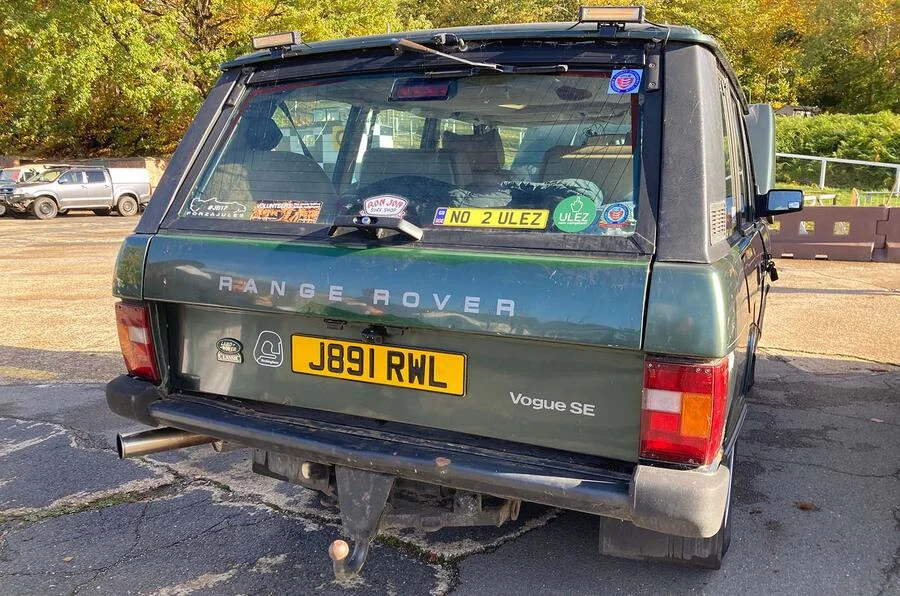
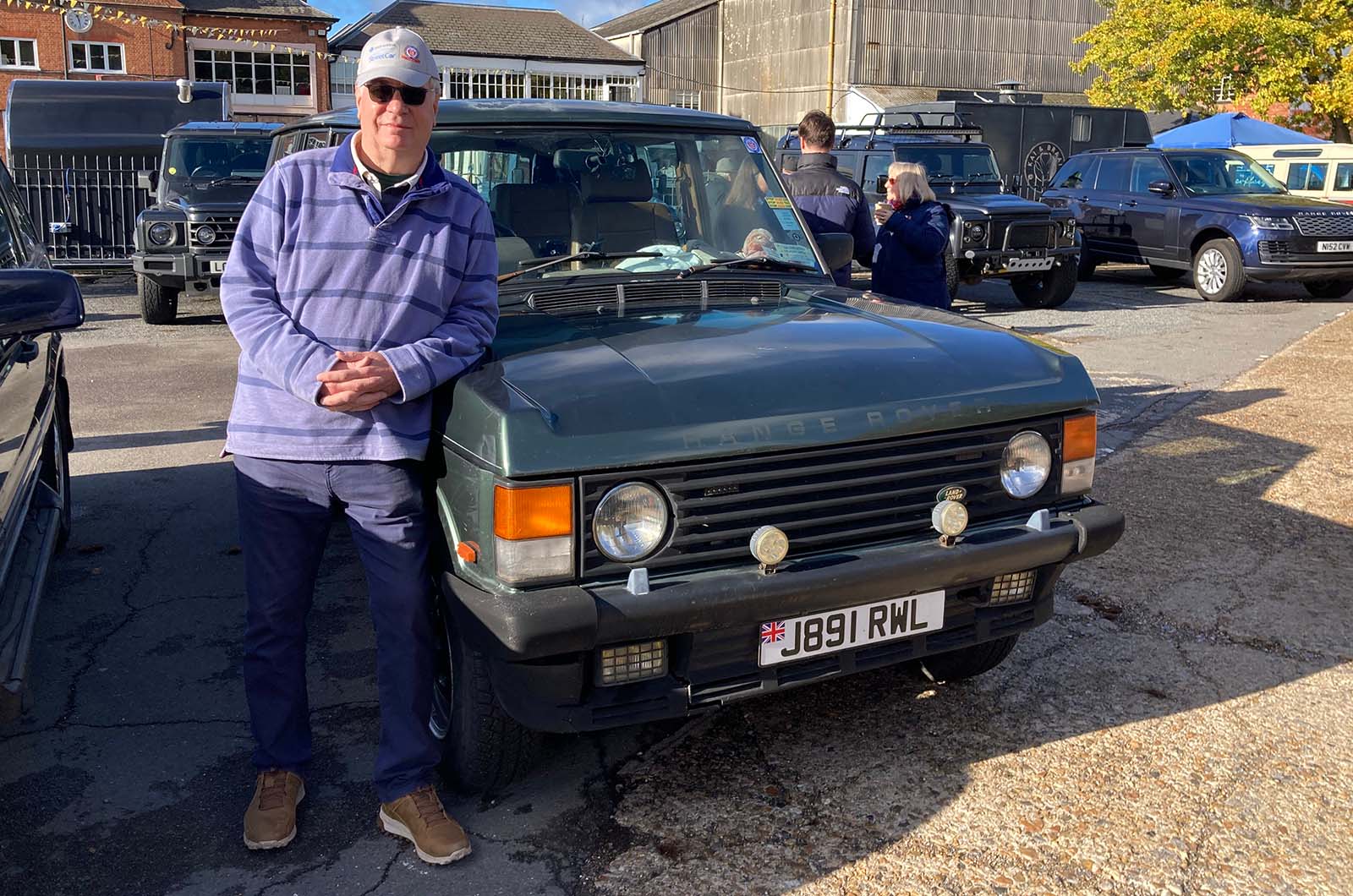
In an era where modern SUVs are often criticized for their complexity, reliance on fragile electronics, and eye-watering maintenance costs, the story of Mike Hurst’s 1992 Range Rover Vogue SE serves as a defiant rebuttal to the narrative that classic cars are inherently financial black holes. While the automotive industry pivots toward electrification and software-defined vehicles, this Ardennes Green V8 relic continues to traverse the streets of London, costing its owner a mere £100 per year in maintenance.
To the casual observer, the vehicle is a period-correct artifact of 1990s British motoring. To its owner, it is a testament to the virtues of robust engineering, consistent preventative care, and the enduring charm of the Rover V8 engine.
The Origin Story: A Chance Encounter on the Roadside
The history of this particular Range Rover is as serendipitous as its current reliability is impressive. Purchased 19 years ago, the vehicle entered Hurst’s life through a transaction that would be considered unconventional by today’s digital marketplace standards.
"It’s a genuine Chelsea tractor," Hurst says, gesturing to the weathered parking permit still clinging to the windscreen—a relic from the affluent districts of Chelsea and Kensington. The permit, which predates his ownership, serves as a bridge to the car’s past life. Hurst acquired the vehicle not through a specialist dealer or a high-end auction house, but from a private seller he encountered by the roadside.
At the time of purchase, the "J-reg" Vogue SE was already entering its second decade. While many of its contemporaries were being retired to scrapyards due to the notorious rust issues that plagued early Land Rover products, this specific unit had been preserved, perhaps by virtue of the very urban environment that coined the term "Chelsea Tractor."
Chronology of an Automotive Survivor
To understand how a 32-year-old vehicle remains roadworthy for the cost of a high-end dinner, one must look at the timeline of its survival.
- 1992: The vehicle rolls off the production line in Solihull, finished in the classic Ardennes Green. It is delivered to the upscale environs of West London, quickly earning its stripes as a quintessential urban luxury vehicle.
- Early 2000s: Following a decade of service in the capital, the vehicle changes hands. Mike Hurst discovers the Range Rover sitting at the roadside, strikes a deal, and begins a nearly two-decade tenure of stewardship.
- 2005-2015: As the Range Rover passes the 15-year mark, it enters the "classic" phase. While the market sees a sharp decline in the value of used Mk1 Range Rovers, Hurst commits to a philosophy of "fix-as-you-go," avoiding the temptation of a full, ground-up restoration that often compromises the originality of such vehicles.
- 2016-Present: The vehicle transitions into a modern classic. Despite the inevitable aging of rubber seals and electrical connectors, the core mechanical components—the 3.5-litre V8 and the automatic transmission—remain largely undisturbed, allowing for the remarkably low annual maintenance expenditure that defines its current reputation.
The Economics of Simplicity: Why £100?
The central question remains: how can a vehicle notorious for British Leyland-era build quality cost only £100 annually to maintain? The answer lies in the intersection of mechanical simplicity and the "preventative maintenance" ethos.
The Rover V8 Advantage
The 3.5-litre V8 engine, an evolution of the Buick-derived aluminum block, is one of the most well-documented engines in automotive history. Its overhead-valve design is inherently simpler than the quad-cam, turbocharged powerplants found in modern luxury SUVs. Parts are not only widely available through a thriving aftermarket community but are also remarkably affordable.
The Self-Service Philosophy
A significant portion of the cost savings is attributed to Hurst’s willingness to perform his own labor. By bypassing the high hourly labor rates of specialist workshops, he mitigates the primary expense of classic car ownership. For the hobbyist, a Range Rover is a "Meccano set" for adults; the chassis-on-body construction allows for relatively easy access to suspension components, drivetrain elements, and electrical looms.
The "Use It or Lose It" Principle
Modern vehicles often suffer from "garage rot"—the degradation of seals, batteries, and fuel systems caused by periods of prolonged inactivity. By using the Range Rover as a functional vehicle, Hurst keeps fluids circulating, gaskets lubricated, and moving parts free from the seizure that claims many low-mileage museum pieces.
Supporting Data: The Cost of Modern Ownership vs. The Classic
When comparing the £100 annual spend on the 1992 Range Rover to the operating costs of a modern premium SUV, the disparity is stark. A 2024 luxury SUV typically incurs:
- Scheduled Maintenance: Dealers often charge between £400 and £800 for basic annual services.
- Software Subscriptions: Many modern vehicles require ongoing payments for over-the-air updates, telematics, and navigation features.
- Complex Diagnostics: A simple engine warning light in a modern vehicle can necessitate a specialist scan, costing upwards of £150 before a single component is replaced.
In contrast, the 1992 Range Rover operates in an analog ecosystem. There are no ECUs to fail, no infotainment systems to go obsolete, and no complex air-suspension bags to leak. The cost is limited to the essentials: engine oil, filter changes, and the occasional spark plug or brake pad.
Official Perspectives: The Industry View
Industry analysts and classic car experts view the survival of vehicles like Hurst’s with a mix of nostalgia and pragmatism.
"The Mk1 Range Rover occupies a unique space," says a spokesperson for the Range Rover Register. "It was the first vehicle to truly bridge the gap between farm-work utility and high-fashion luxury. When you find one that hasn’t been abused off-road and hasn’t been subjected to a poorly executed restoration, you are looking at a masterclass in automotive longevity."
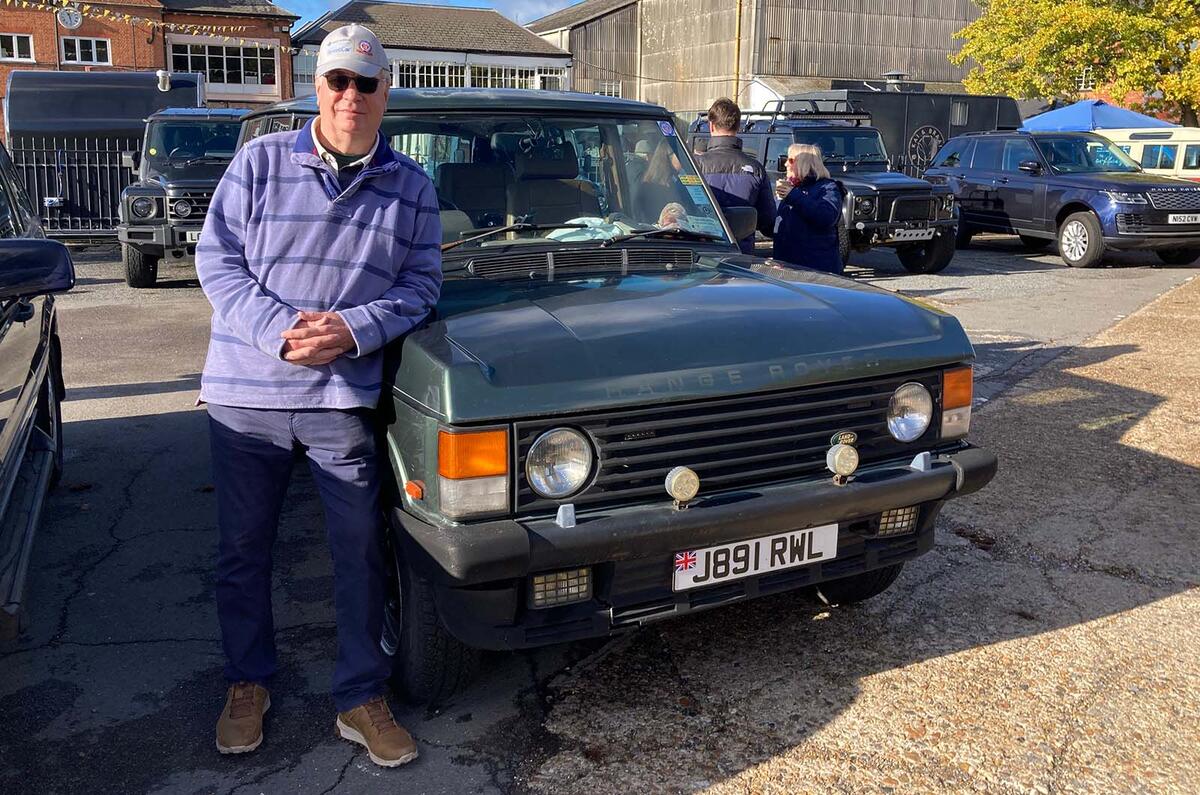
However, experts caution that this level of reliability is not universal. "Mike’s car is an outlier," the spokesperson notes. "It represents the ‘survivor bias.’ Most vehicles of this vintage require significant investment in chassis welding and rust remediation. If you aren’t an expert with a welder and a wrench, the costs quickly balloon beyond that £100 figure."
Implications for the Future of Motoring
The endurance of this 32-year-old Range Rover raises profound questions about the sustainability of modern automotive design. As we move toward a future where vehicles are increasingly "disposable" due to the high cost of repairing proprietary technology, the Mk1 Range Rover stands as a reminder of an era where design for repairability was a priority.
Environmental Impact
There is an ongoing debate regarding the "carbon debt" of vehicles. While a modern SUV is more fuel-efficient, the energy required to manufacture a new vehicle is massive. A vehicle that is kept on the road for 30-plus years—even with a thirsty V8—can, in certain metrics, represent a lower total lifetime environmental impact than the repeated manufacturing of new cars every five years.
The Cultural Shift
Hurst’s Range Rover is not just a car; it is a cultural artifact. It represents a shift in how we value "newness." In an age of fast fashion and rapid technological turnover, the preservation of a 1992 Range Rover is an act of quiet rebellion. It suggests that the most sustainable vehicle is often the one already parked in your driveway.
Conclusion
As Mike Hurst continues to drive his Ardennes Green Vogue SE through the streets of London, he is doing more than just commuting. He is proving that with patience, a bit of mechanical aptitude, and a respect for the original design, the lifespan of a vehicle can be extended almost indefinitely.
While the car may be a relic of the early 90s, its lesson is thoroughly modern: in a world of complexity, there is immense value in the simple, the robust, and the well-loved. Whether it remains a "Chelsea tractor" or evolves into a cherished family heirloom, this Range Rover remains a shining example of what happens when a car is allowed to do exactly what it was built to do: run, drive, and endure.
