

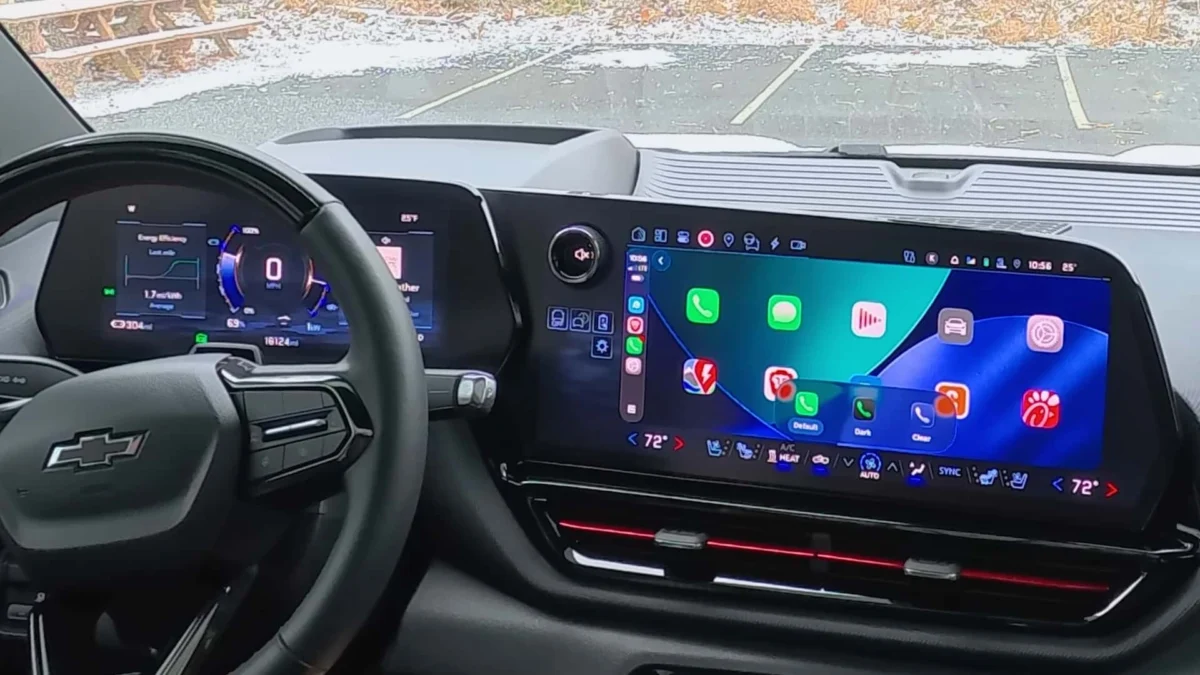
General Motors’ strategic pivot away from smartphone mirroring platforms—specifically Apple CarPlay and Android Auto—has ignited a firestorm of debate among automotive enthusiasts and technology analysts alike. By replacing these ubiquitous, user-friendly interfaces with a proprietary, Android-based operating system developed in collaboration with Google, GM has essentially drawn a line in the sand.
For the automaker, the move is about data, ecosystem control, and the seamless integration of vehicle-specific diagnostics. For the consumer, however, it represents the loss of a preferred, familiar digital experience. As the industry grapples with this transition, a new market for "workaround" hardware has emerged, headlined by the EV Play series of adapters. But is this a sustainable solution, or merely a temporary patch on a fundamental shift in automotive philosophy?
The Great Divorce: Why GM Is Moving On
To understand why a company as massive as General Motors would risk alienating its customer base by removing features that rank near the top of "must-have" lists for new car buyers, one must look at the automaker’s long-term vision.
GM executives have argued that native, deeply integrated infotainment systems are superior because they act as a "brain" for the entire vehicle. When the software is built into the car’s architecture, it can communicate directly with the battery management system, thermal controls, and advanced driver-assistance suites (ADAS).
For an EV, this is critical. A native system can calculate precisely how much energy a route will consume, suggest charging stops based on real-time station availability, and pre-condition the battery for peak charging efficiency upon arrival. Apple CarPlay and Android Auto, by contrast, are essentially "casting" tools; they project an image from a phone to the screen but have limited access to the vehicle’s deeper mechanical and electrical metrics.
A Chronology of the Conflict
The friction between legacy automotive giants and Silicon Valley’s projection standards has been building for years:
- Early Adoption: Throughout the mid-2010s, Apple CarPlay and Android Auto became the industry standard, effectively democratizing high-end infotainment across all vehicle price points.
- The Strategic Pivot (2023): GM announced its intention to move toward a "Software-Defined Vehicle" (SDV) architecture. As part of this, the company confirmed that future electric vehicles would ditch smartphone mirroring in favor of a native Google-powered OS.
- The Rollout: The 2024 Chevrolet Blazer EV served as one of the first test cases, launching without the ability to mirror smartphone interfaces. The backlash was immediate and vocal.
- The "Workaround" Emergence: By late 2024 and early 2025, third-party developers began engineering hardware solutions—often colloquially called "AI Boxes"—designed to trick the vehicle’s USB data ports into recognizing an external signal as a smartphone mirror, effectively side-loading CarPlay.
- The Dealer Crackdown: As these solutions gained popularity, reports surfaced that GM had instructed its dealership network to cease the installation of third-party software or hardware modules, citing potential security risks and warranty complications.
The Hardware Solution: EV Play LT and Max
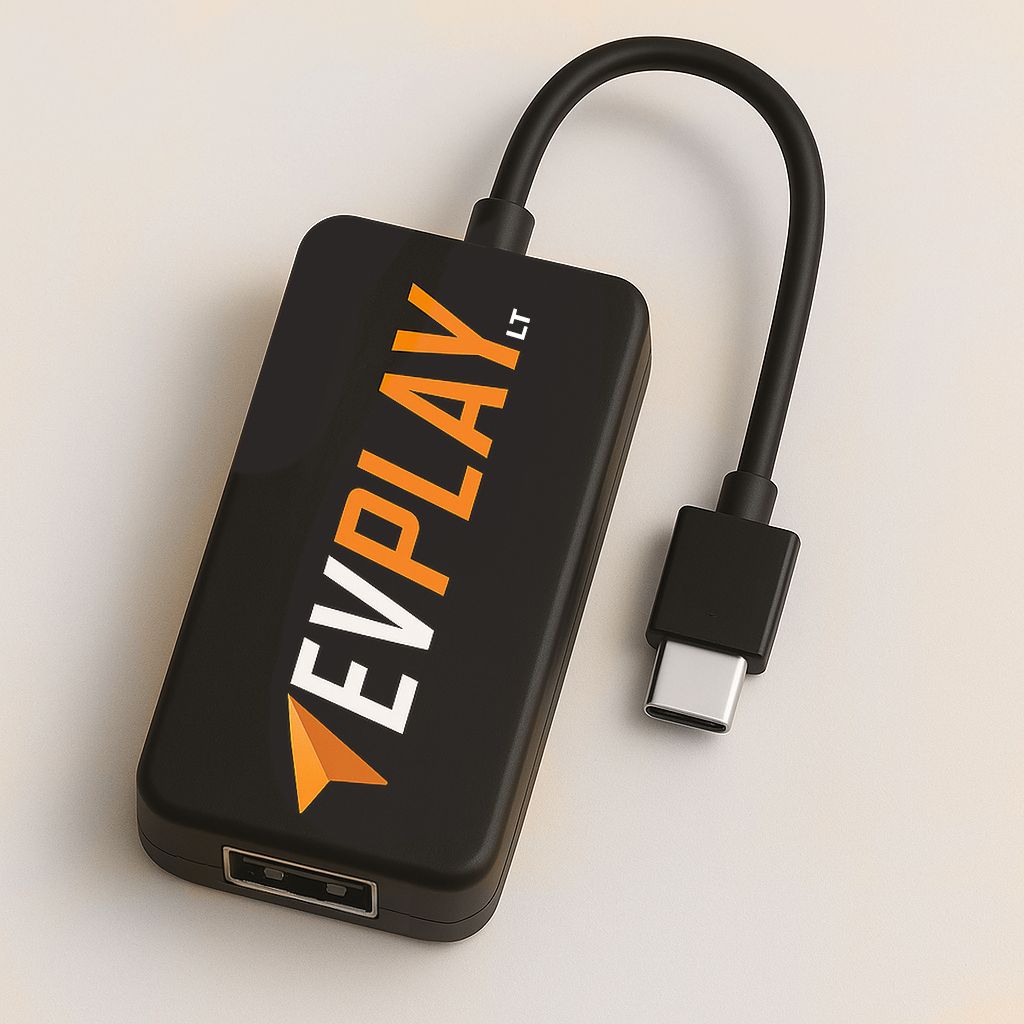
For drivers unwilling to compromise on their digital experience, the EV Play series offers a potential lifeline. Priced at $199, the EV Play LT is a compact, plug-and-play module that aims to restore wired and wireless connectivity for Apple CarPlay and Android Auto in various Chevy, GMC, and Cadillac EVs.
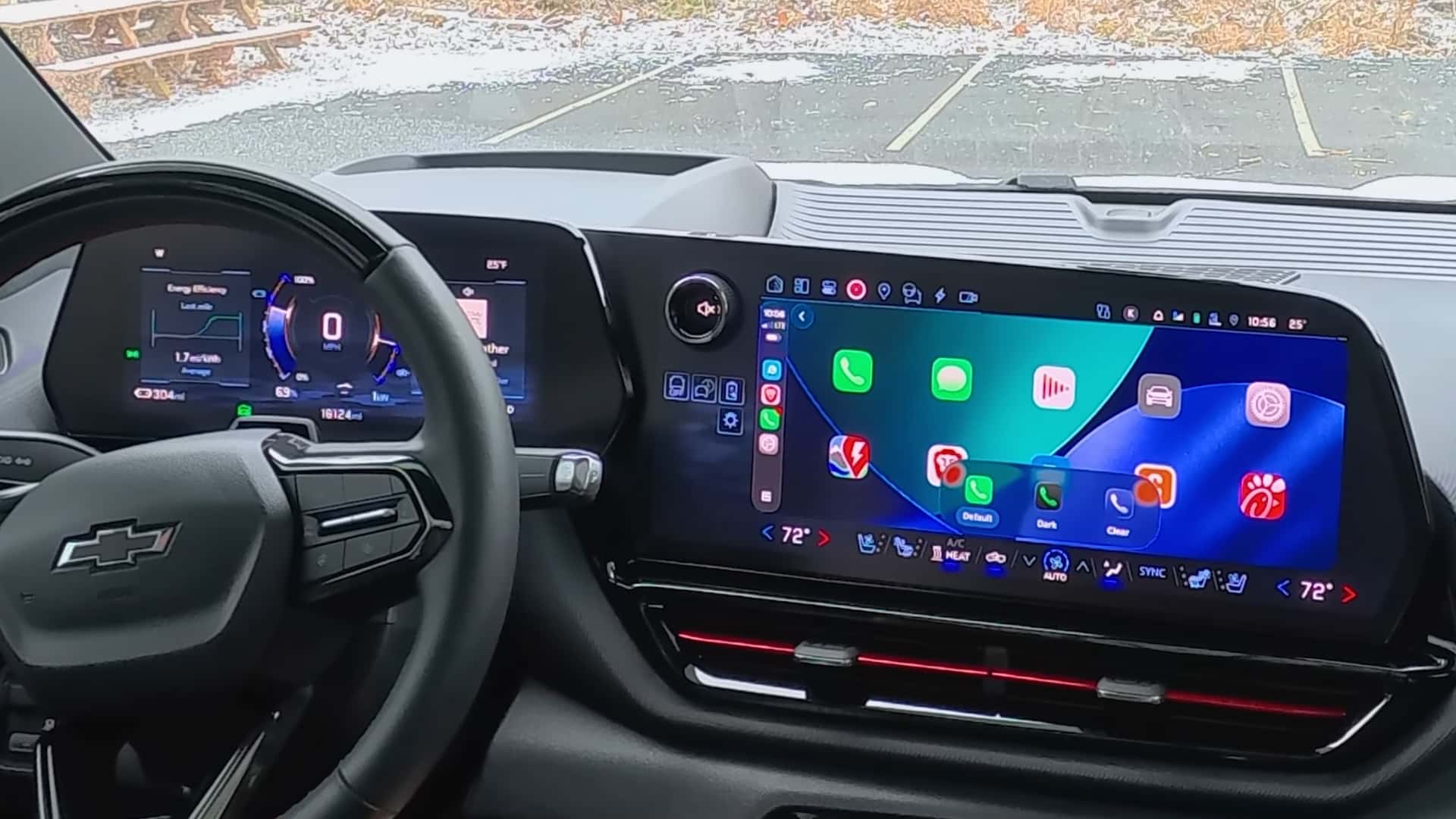
The installation process is designed to be accessible to the average consumer. By downloading a companion application through the car’s built-in Google Play Store and connecting the device via the vehicle’s USB port, the infotainment screen is essentially "tricked" into launching a familiar interface.
For those seeking a more robust multimedia experience, the EV Play Max ($425) elevates the device from a mere bridge to a full-scale entertainment hub. Beyond standard mirroring, it includes an HDMI input, allowing users to plug in gaming consoles like a Nintendo Switch or PlayStation. It also supports native streaming apps such as Netflix and YouTube, effectively turning the center console into a portable tablet.
The Risks: A House of Cards?
Despite the convenience these devices offer, they come with significant caveats that consumers must weigh carefully. The manufacturers of the EV Play units are transparent about a critical reality: they are fighting a war against the vehicle’s native firmware updates.
If General Motors releases an over-the-air (OTA) update that changes the handshake protocol of the USB ports or restricts third-party apps within the Google Play Store, the EV Play device could be rendered useless overnight. The company admits this on their own website, noting that GM holds ultimate control over the vehicle’s architecture. While a 30-day return window provides a safety net for new buyers, the long-term reliability of these devices remains speculative.
Furthermore, there is the issue of cybersecurity. Connecting an unverified third-party hardware device to a vehicle’s internal data bus—even through a USB port—can introduce potential vulnerabilities. While these devices are designed to stay within the infotainment sandbox, they still represent an unauthorized bridge between personal consumer hardware and critical automotive systems.
The Case for the Native Experience
It is important to acknowledge that GM is not acting entirely without merit. The tech industry is moving toward a "Software-Defined" model, where the car is less of a mechanical product and more of a computer on wheels.
At the most recent Google I/O developer conference, the potential of this integration was on full display. Future versions of the native GM OS will feature "Immersive Navigation," which utilizes high-resolution 3D maps, and deep integration with Google’s Gemini AI. This assistant can, theoretically, do things a phone-based interface cannot: it can answer complex questions about vehicle health, explain dashboard warning lights in plain English, and adjust cabin settings based on voice prompts that understand the context of the driver’s intent.
Rivian, another manufacturer that has opted out of CarPlay, argues that the fight over mirroring is "completely obsolete." Their philosophy is that if the native software is fast, intuitive, and capable of constant improvement via OTA updates, the user will eventually prefer it over the fragmented, dual-screen experience of a smartphone-dependent system.
Implications for the Automotive Market
The ongoing struggle between automakers and tech-forward consumers highlights a broader crisis of identity in the car industry. We are currently in a transition period where:
- Software is the New Horsepower: Manufacturers are shifting their R&D budgets from engines to lines of code.
- Ecosystem Lock-in: Much like the smartphone wars of the late 2000s, automakers are trying to create "walled gardens" to ensure they own the user’s data and subscription revenue.
- Consumer Sovereignty vs. Corporate Control: The popularity of devices like EV Play proves that, for many, the car is an extension of their personal digital life. When a manufacturer attempts to limit that, the market will inevitably find a way to bypass those restrictions.
Conclusion: A Temporary Equilibrium?
For the current generation of 2024–2026 GM models, third-party adapters provide a functional, albeit precarious, bridge to the apps drivers have grown accustomed to. Whether this is a long-term solution or a cat-and-mouse game depends entirely on how aggressive General Motors becomes in "patching" its system against unauthorized external inputs.
As we look toward the future, the automotive industry must decide whether to continue this friction or find a middle ground. If manufacturers like GM continue to iterate and improve their native systems to the point where they truly outperform smartphone mirroring, these workarounds will naturally fade away. However, if the proprietary systems remain clunky or lack the specific functionality users demand, the market for "jailbreaking" modern vehicles will only continue to grow.
For now, the EV Play is a testament to the fact that when it comes to technology, the driver—not the manufacturer—usually has the final word on what belongs on their dashboard.
