

Happy Friday, GPODers! As we settle into the rhythm of the season, I am thrilled to share the second installment of my spring road trip series. After traversing the expansive landscapes of the Mountain West and Southwest, my journey led me to the mile-high city of Denver, Colorado. While my previous dispatch focused on the ephemeral beauty of urban spring blooms, today’s feature delves into the crown jewel of the region’s horticultural scene: the Denver Botanic Garden.
For any plant enthusiast, the Denver Botanic Garden is not merely a destination; it is a pilgrimage. Spanning 24 acres of expertly curated landscape, this institution serves as a living laboratory for high-altitude, cold-hardy, and arid-climate gardening. Over the course of a four-hour immersion, I explored every corner of this botanical haven, finding inspiration that transcended my own modest collection of houseplants.
A Chronology of Discovery: From Bulbs to Sculptures
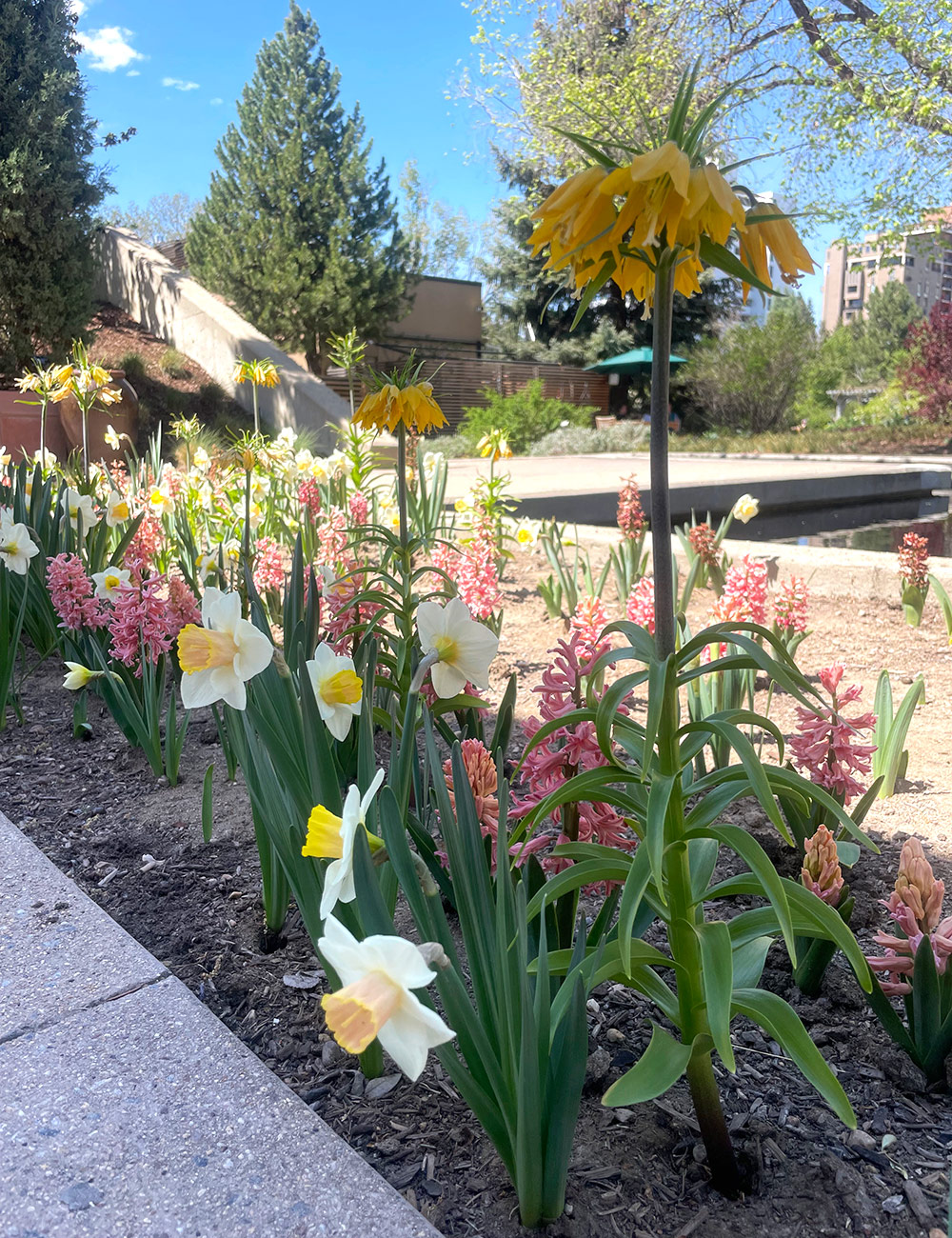
My visit took place in mid-April, a transitional period in the Colorado climate. The spring bulbs, which had provided a vibrant, fleeting show in downtown Denver, were largely beginning to fade. However, the artistry of the garden’s staff was evident in the shaded pockets where late-season varieties of daffodils, hyacinths, and the architectural, nodding bells of Fritillaria remained in peak condition.
The Coniferous Foothills
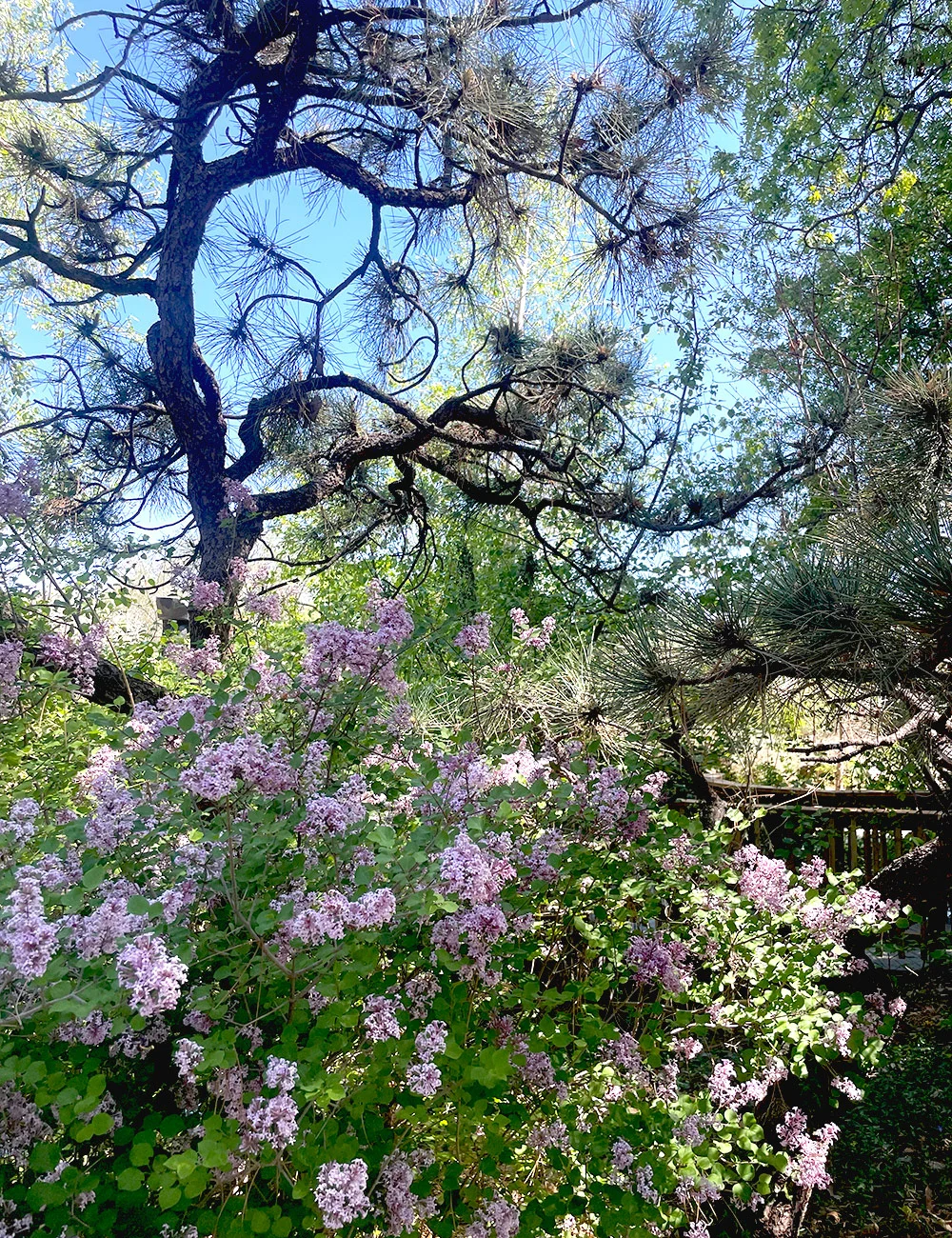
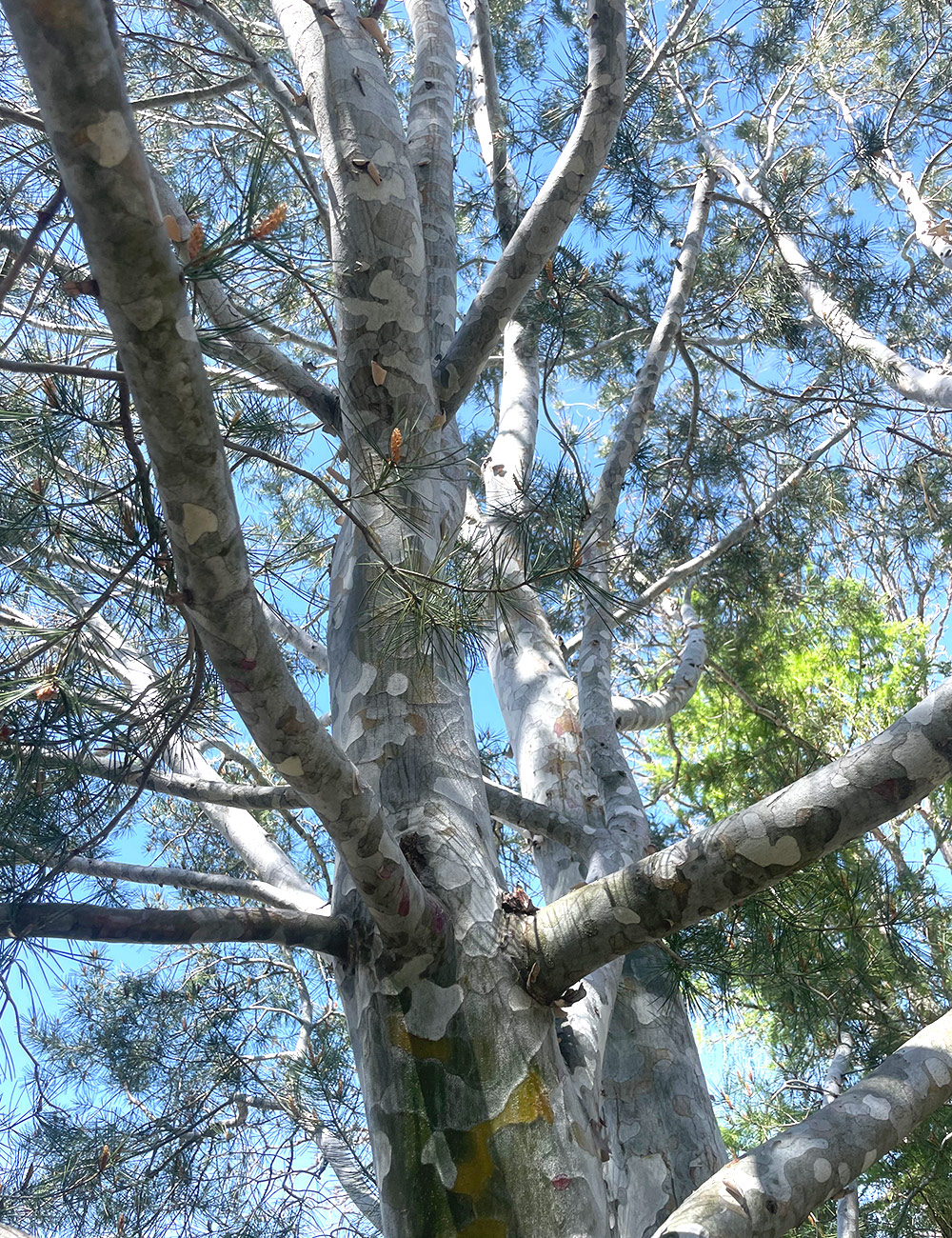
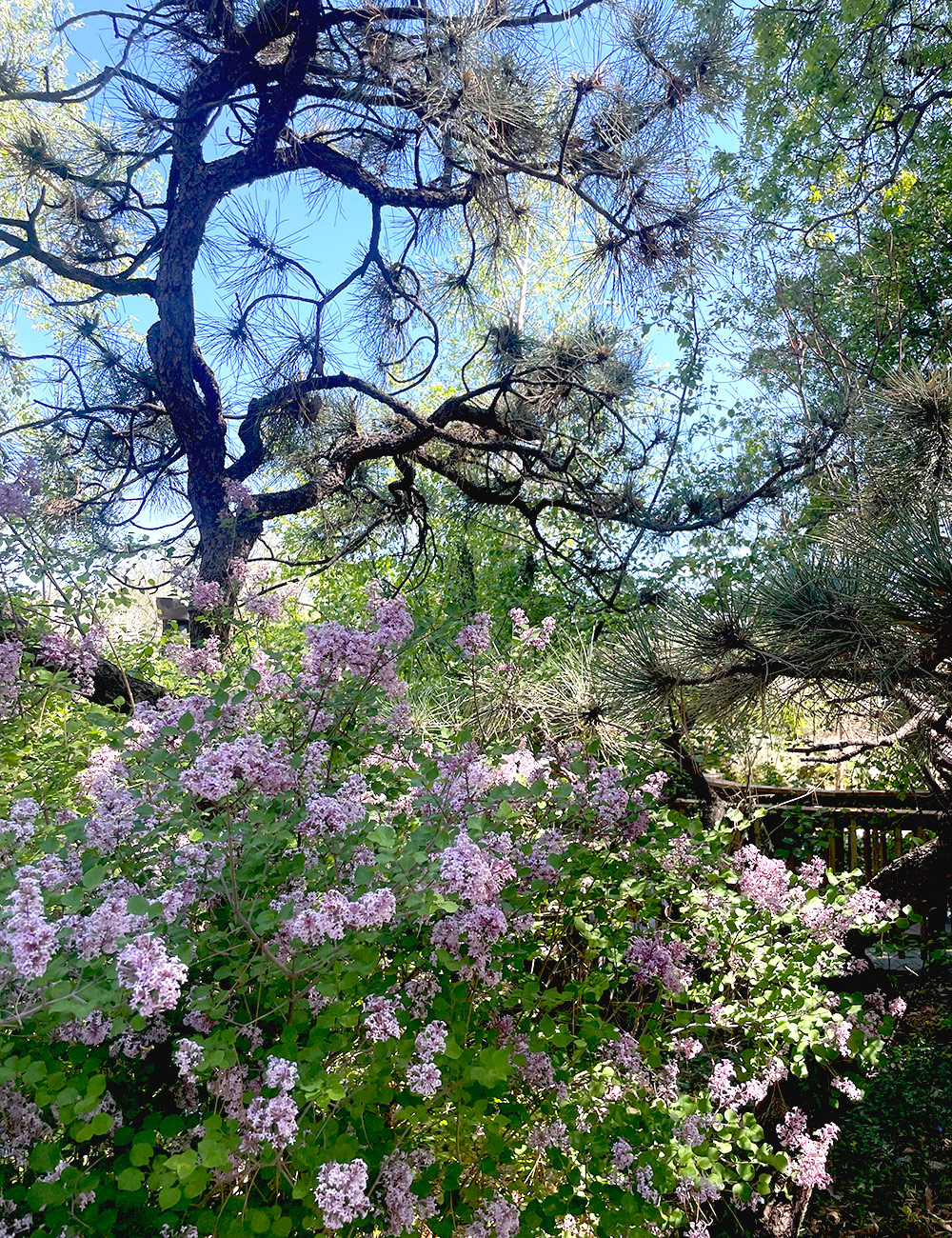
As I moved deeper into the garden, I was struck by the impressive collection of conifers. Given the garden’s proximity to the rugged Rocky Mountain foothills, it is only fitting that the design team has prioritized species that thrive in the thin, cool air of the high desert. A standout in the Lilac Garden was the lacebark pine (Pinus bungeana, Zones 4–8), a specimen that serves as a masterclass in texture and form. Its mottled, exfoliating bark provides a striking visual contrast to the lush, fragrant blooms of the surrounding dwarf Korean lilacs (Syringa meyeri ‘Palibin’, Zones 3–7). Watching these two distinct plant families coexist—the structural permanence of the pine against the delicate, ephemeral scent of the lilac—offered a profound lesson in garden layering.
The Shofu-en Sanctuary
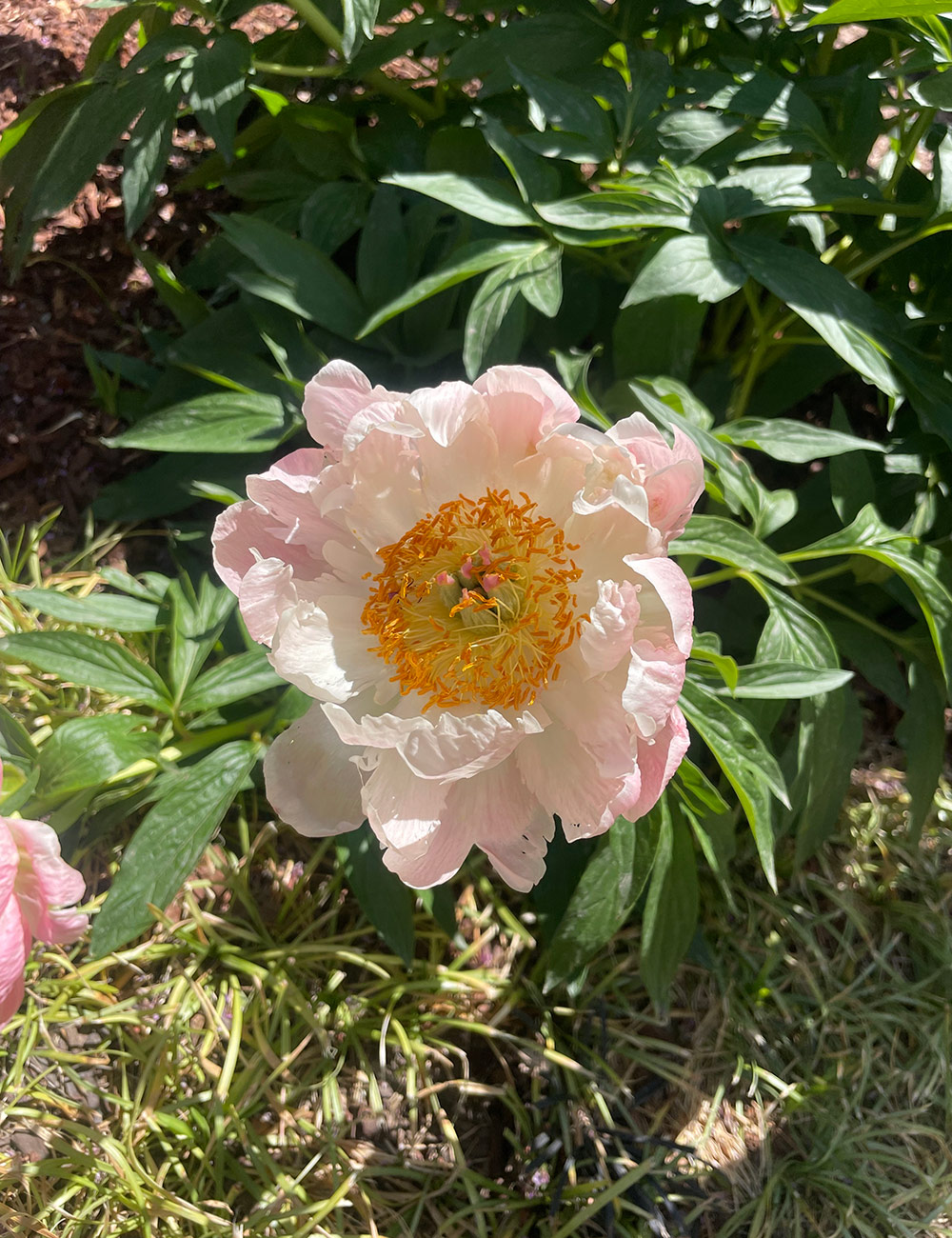
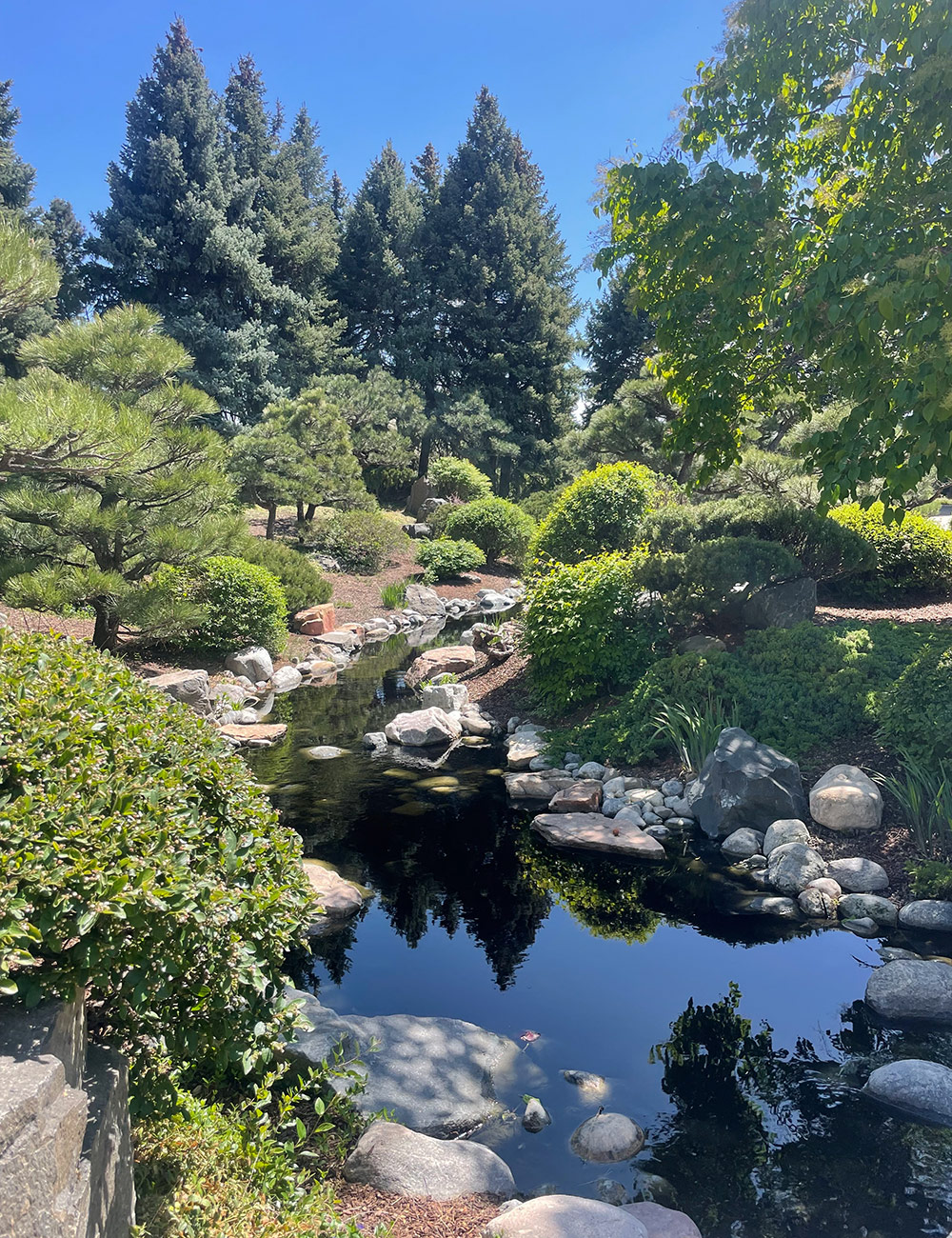
My mid-morning trek led me to the Shofu-en Japanese Garden. Translated as the "Garden of Pine and Wind," this area is a testament to the versatility of landscape design. Even in a region defined by its own unique climate, the principles of Japanese garden architecture—balance, restraint, and the use of water as a reflective element—felt entirely at home here. It was here that I encountered the early blooms of peonies, their lush, heavy heads beginning to unfurl against the backdrop of meticulously pruned pines.
The Nexus of High-Desert Beauty
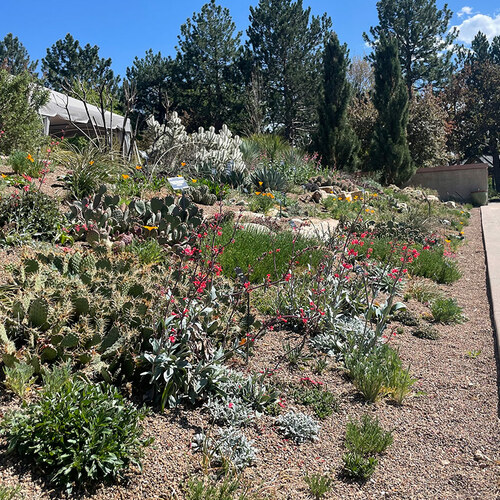
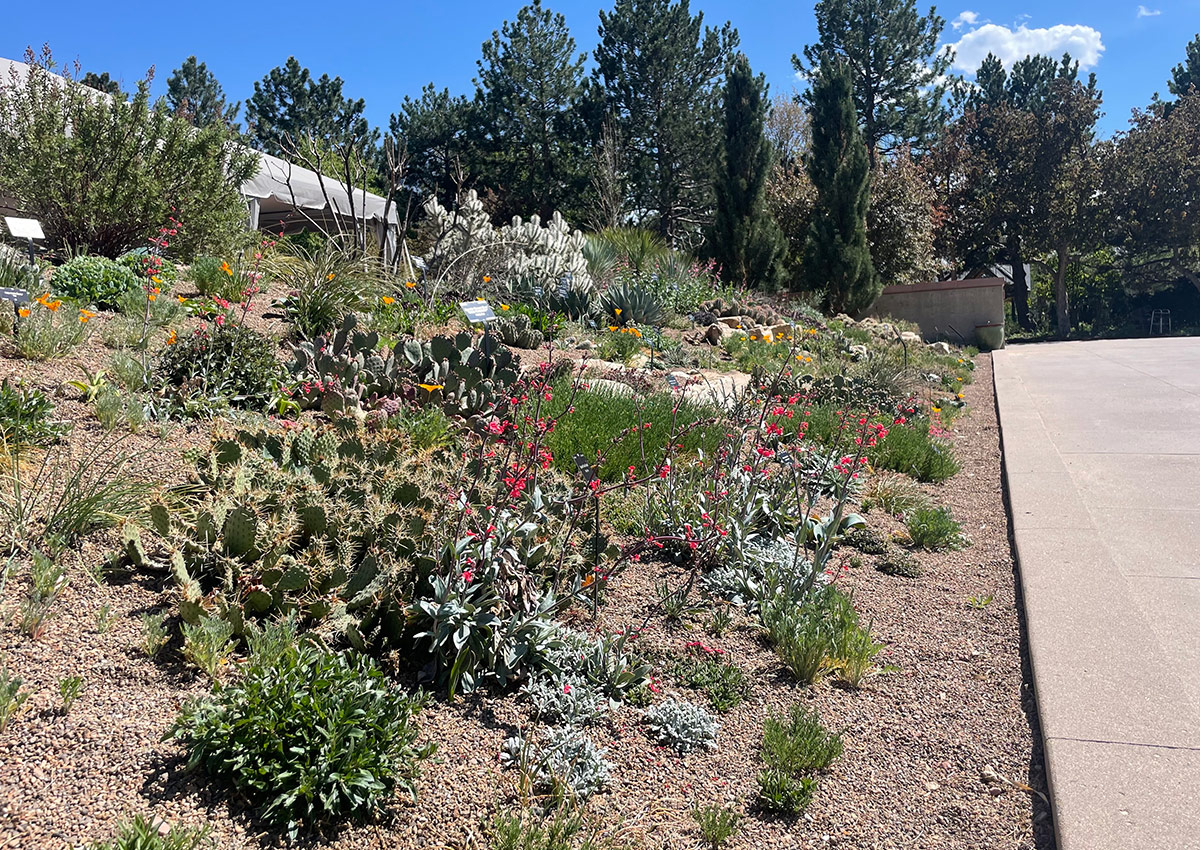
Perhaps the most anticipated portion of my visit was the Nexus Garden. While smaller in scale, this space is a powerhouse of botanical resilience. It features a sloped bed dedicated entirely to cold-hardy, high-desert dwellers. Of particular note are the "Walk in Beauty™" prickly pear cacti, a series of cultivars developed by local horticultural luminary Kelly Grummons. These plants represent a significant achievement in breeding, proving that the aesthetic allure of cacti is not reserved solely for the tropics.
Supporting Data: Understanding Cold-Hardy Adaptations
The brilliance of the Denver Botanic Garden lies in its ability to educate visitors on the reality of the regional climate. Denver experiences a semi-arid climate characterized by significant temperature fluctuations, which can be brutal for non-native species. The garden’s success with the Euphorbia genus is a perfect example of this.
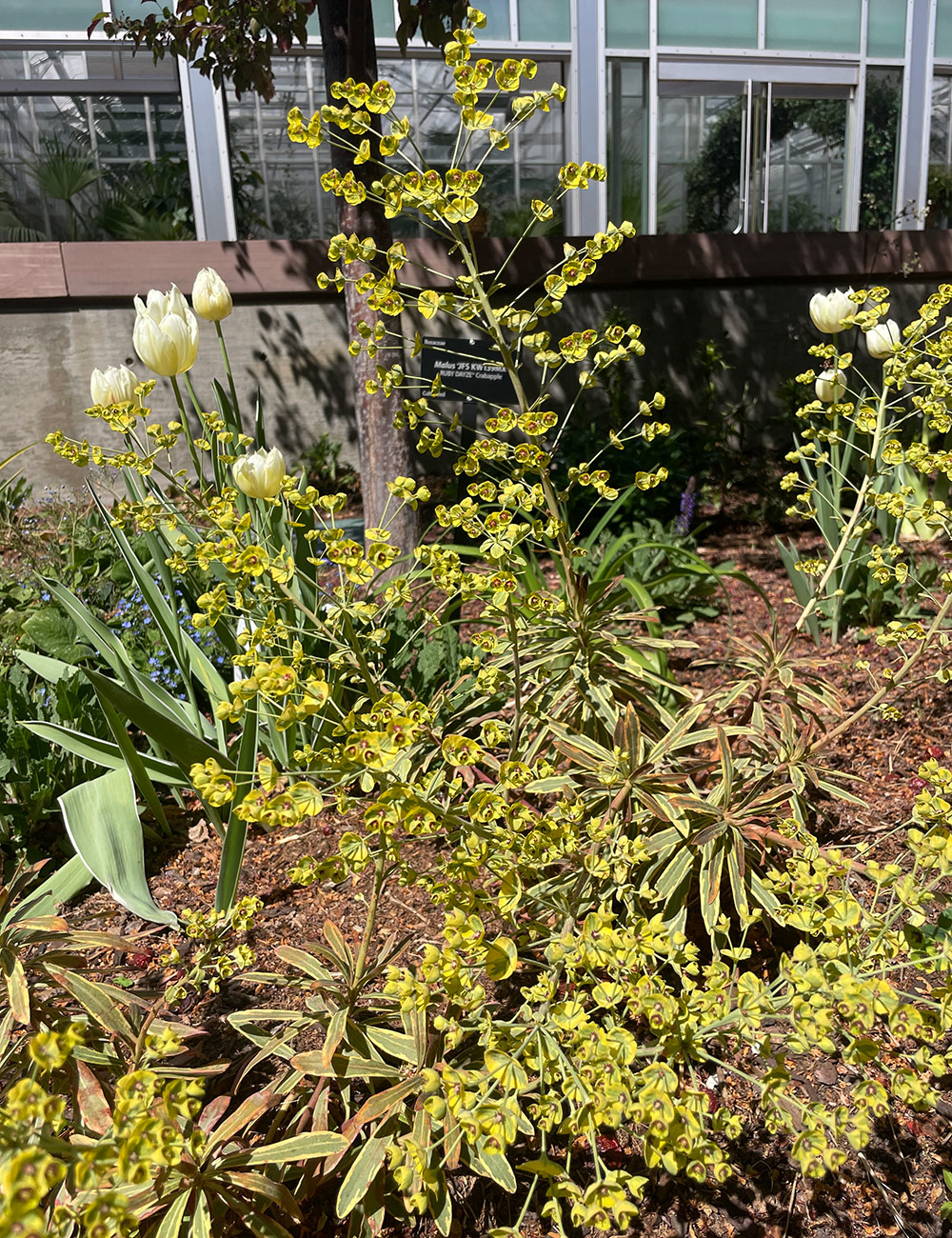
While I personally covet the striking foliage of ‘Ascot Rainbow’ spurge (Euphorbia × martinii ‘Ascot Rainbow’, Zones 6–9), my own gardening zone presents a challenge. The garden’s success with this cultivar highlights the importance of microclimates. By creating sheltered, well-draining, and protected environments, the garden staff allows these plants to thrive where they might otherwise succumb to the harsh winters. This serves as a vital reminder to home gardeners: success is often a matter of careful placement rather than just the right soil.
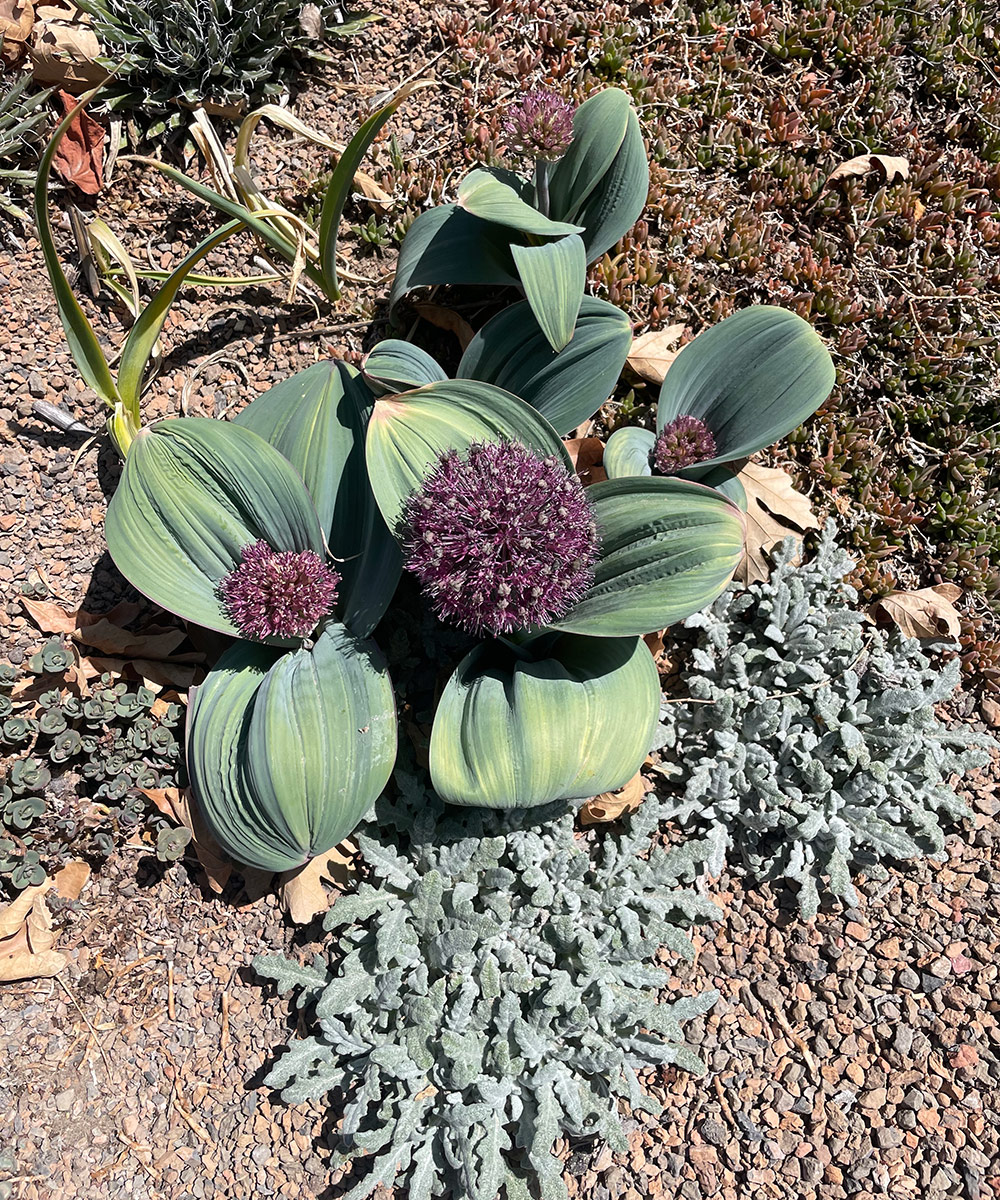
Furthermore, the integration of drought-tolerant, high-interest plants like Allium karataviense ‘Red Giant’ paired with dusty miller illustrates the importance of foliage contrast. By utilizing plants that require minimal water while providing maximum visual impact, the Denver Botanic Garden offers a sustainable model for future gardening practices in the Western United States.
Artistic Integration: The Jaume Plensa Retrospective
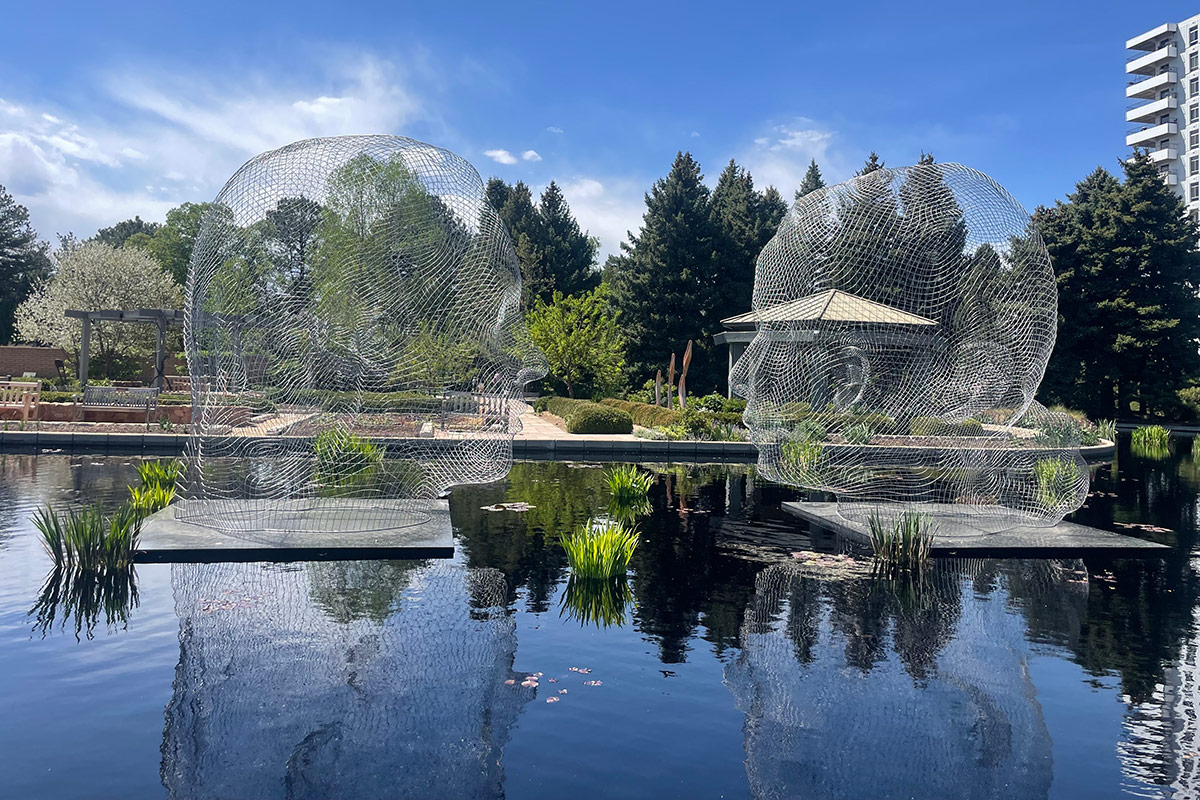
Beyond the botanical offerings, the 2026 season at the Denver Botanic Garden is defined by its ambitious art installation. The garden is currently hosting the first U.S. retrospective of works by renowned Spanish sculptor Jaume Plensa.
The installation is not merely decorative; it is deeply thematic. Plensa’s massive steel wire busts, "Julia" and "Lou," are positioned within the Monet Pool, creating an ethereal interplay between metal and water. The choice to place these sculptures in the heart of the garden forces a dialogue between the rigid, manufactured lines of the art and the fluid, organic growth of the plants. This juxtaposition encourages visitors to view the garden not just as a collection of flora, but as a holistic environment where human creativity and natural beauty intersect.
Implications for the Modern Gardener
What does this visit signify for the home gardener? Firstly, it emphasizes the importance of regional adaptation. The Denver Botanic Garden does not fight its environment; it embraces the aridity and the high altitude, selecting plants that are inherently suited to these conditions.
Secondly, it reinforces the value of "slow gardening." By observing how the garden changes from the early spring bulbs to the later blooming peonies and the year-round structure of the conifers, we learn that a successful garden is designed for a sequence of interest.
Finally, the inclusion of art and the focus on specialized collections, like the Cactus and Succulent House, reminds us that gardens are meant to be experiential. Whether you are a cactus collector or a lover of traditional perennials, there is always room to incorporate elements that challenge your current aesthetic boundaries.
A Call to Action: Share Your World
I hope this tour of the Denver Botanic Garden has provided you with a dose of inspiration for your own outdoor spaces. I left the city with hundreds of photographs and a renewed appreciation for the resilience of nature.
We know that our readers are just as passionate about their own green spaces. Whether you are managing a small patio container, a sprawling suburban landscape, or a community garden, we want to see what you are growing. If you have visited a public garden recently, or if you have a favorite collection of plants that you have cultivated, please share your photos with us.
To submit your photos for the Garden Photo of the Day (GPOD):
- Fill out the Garden Photo of the Day Submission Form.
- Alternatively, send 5–10 high-resolution images to our editorial email, including a brief description of your garden, your location, and any notable successes or "lessons learned" from your gardening journey.
We are particularly interested in stories about your favorite plants, unique challenges you have faced in your climate, or simply a snapshot of your garden during its most beautiful hour. Your contributions help make this community a vibrant resource for gardeners of all levels.
Don’t forget to sign up for our email newsletter if you haven’t already. It is the best way to ensure you never miss a dose of daily inspiration, expert advice, and the beautiful, diverse images sent in by our fellow gardeners.
Fine Gardening Recommended Products for the Discerning Gardener
As you look to refine your own garden spaces, consider these tools and resources that our team relies on:
- ARS Telescoping Long Reach Pruner: A staple for any serious gardener, these pruners offer precision and durability. Their lightweight design makes them perfect for extended pruning sessions, ensuring you can maintain the structure of your trees and shrubs without undue fatigue.
- "The Nature of Oaks" by Doug Tallamy: For those interested in the ecological impact of their gardening choices, this book is essential. It provides a fascinating, month-by-month look at the lifecycle of the oak tree and how it supports a vast ecosystem of local wildlife. It is a must-read for anyone looking to foster biodiversity in their own backyard.
- DeWalt Variable-Speed Cordless Reciprocating Saw: When manual pruners aren’t enough, this tool is the ultimate problem-solver. It is highly versatile, allowing for clean, efficient cuts on larger branches, making the heavy lifting of garden maintenance significantly easier.
We look forward to seeing your submissions and sharing more of the world’s most beautiful gardens with you in the weeks to come. Happy gardening!
