

For many gardening enthusiasts, the peak of summer is a bittersweet experience. While the garden is alive with color and fragrance, the relentless chore of "deadheading"—the meticulous removal of spent blooms—can quickly turn a relaxing hobby into a part-time job. To keep a traditional flower garden looking pristine and to encourage continuous blooming, gardeners have historically spent hours with shears in hand, snipping away faded petals.
However, modern horticultural breeding and a better understanding of plant biology have ushered in a new era of "lazy" gardening. By selecting specific cultivars and species that are naturally "self-cleaning," you can enjoy a vibrant, professional-looking landscape without the constant maintenance.
The Science of Deadheading: Why It Matters (and Why You Might Not Need It)
Deadheading is the process of removing dead or faded flowers from a plant. The biological rationale is straightforward: when a flower fades, the plant shifts its energy from bloom production to seed development. By removing the spent flower, you effectively trick the plant into thinking it hasn’t yet completed its reproductive cycle, prompting it to push out more flowers in a final, desperate attempt to create seeds.
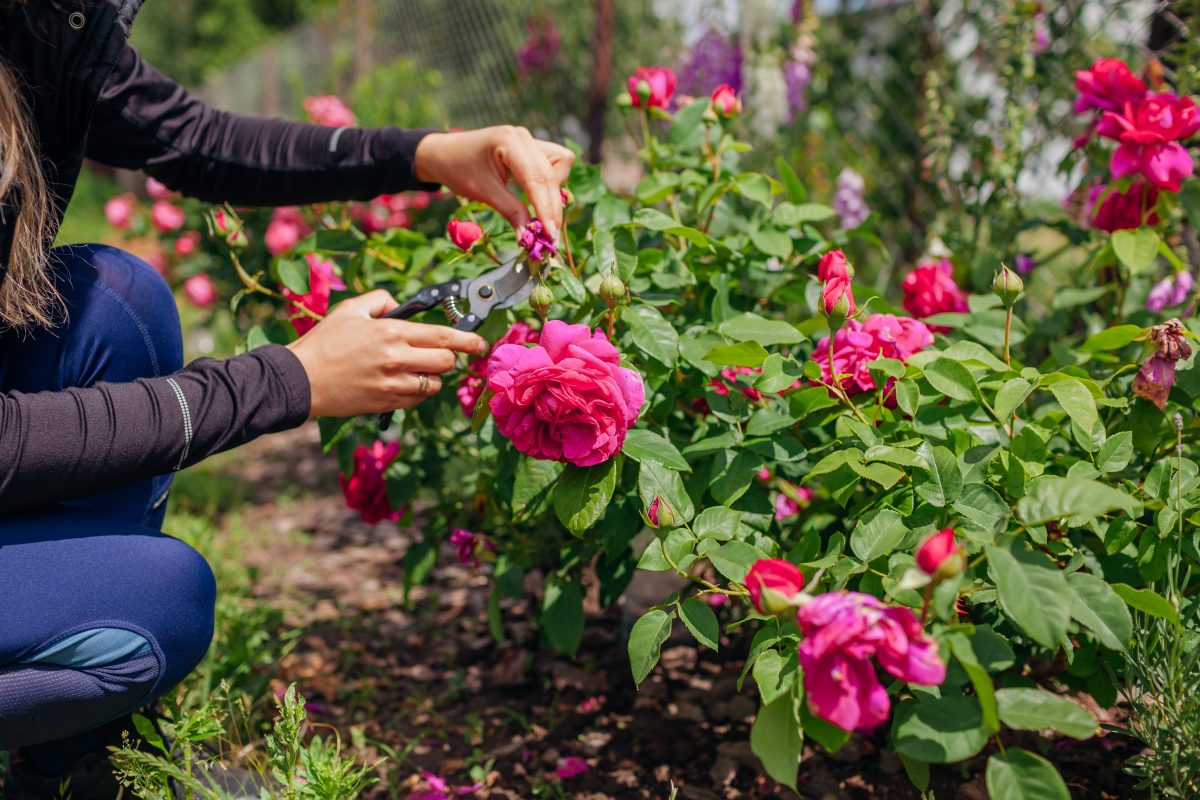
While this is essential for plants like roses, marigolds, and zinnias, it is a labor-intensive practice. Fortunately, many modern varieties have been bred to bypass this cycle. These "self-cleaning" plants naturally shed their spent blossoms or simply stop producing them in a way that remains aesthetically pleasing. By integrating these varieties into your landscape, you can significantly reduce your garden maintenance schedule while maintaining a high-impact, colorful display.
1. Angelonia (Angelonia angustifolia): The Summer Snapdragon
Often referred to as the "summer snapdragon," Angelonia angustifolia is a gardener’s dream for high-heat climates. It is widely prized for its ability to thrive with minimal intervention.
"Angelonia is a fantastic choice because it is incredibly resilient and thrives on little to no care," explains Marina Prokaten, a plant expert at the AI-driven gardening app Plantum. "It blooms throughout the summer, producing spikes of flowers in shades of pink, purple, and white. Because the old flowers drop off naturally, the stem simply continues to grow, developing new, vibrant buds."
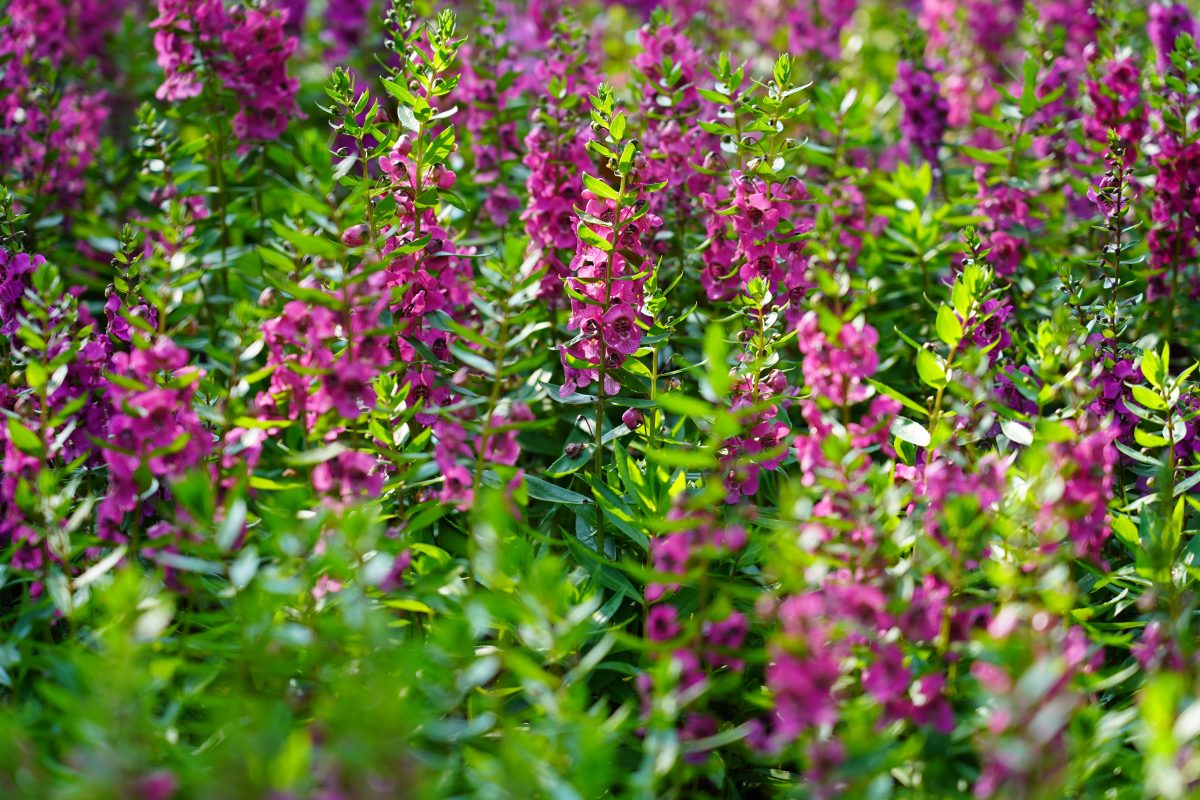
Beyond its low-maintenance profile, the plant emits a subtle, fruity fragrance that intensifies as temperatures climb. This makes it an excellent choice for attracting pollinators, including hummingbirds and butterflies, which are drawn to its nectar-rich blossoms.
- Sun Requirements: Full sun
- Size: 1 to 1.5 feet tall and 1 foot wide
- Watering: Drought-tolerant; requires infrequent watering once established
- Soil Type: Rich, well-draining, and moderately moist
- Hardiness Zones: 9 to 11 (grown as an annual in cooler climates)
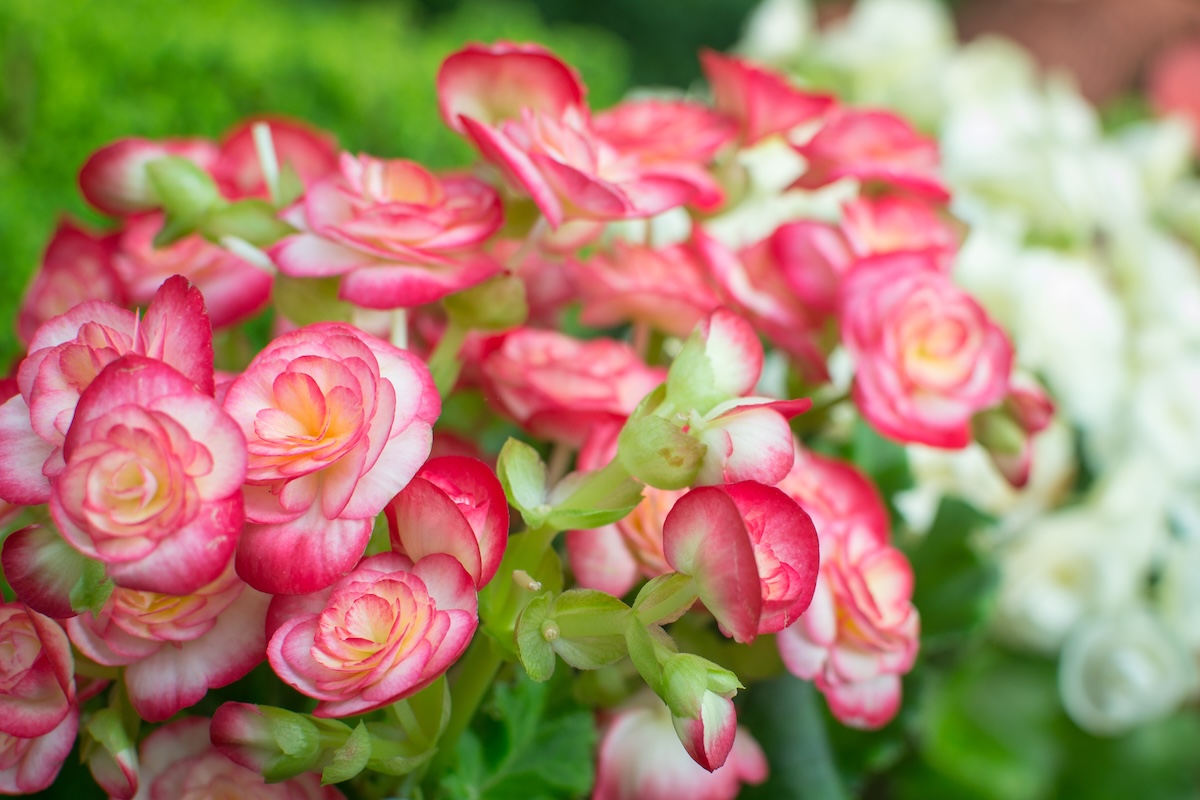
2. Begonia (Begonia spp.): The Self-Cleaning Classic
When it comes to container gardening and bedding plants, few options are as reliable as the begonia. Specifically, the Begonia semperflorens, or wax begonia, is a staple of professional landscaping precisely because it maintains a tidy appearance without manual intervention.
"Most begonias are inherently self-cleaning," notes Prokaten. "The wax begonia is a compact, bushy plant with glossy, dark green leaves that serve as a perfect backdrop for single or double flower heads in white, pink, or red. Because the plant sheds its old, waxy petals naturally, it maintains a manicured look throughout the entire season without any need for deadheading."
- Sun Requirements: Partial sun
- Size: 0.5 to 1.5 feet tall and wide
- Watering: Consistent, thorough watering is preferred
- Soil Type: Well-draining, high-quality potting mix
- Hardiness Zones: 9 to 11 (grown as an annual in most regions)
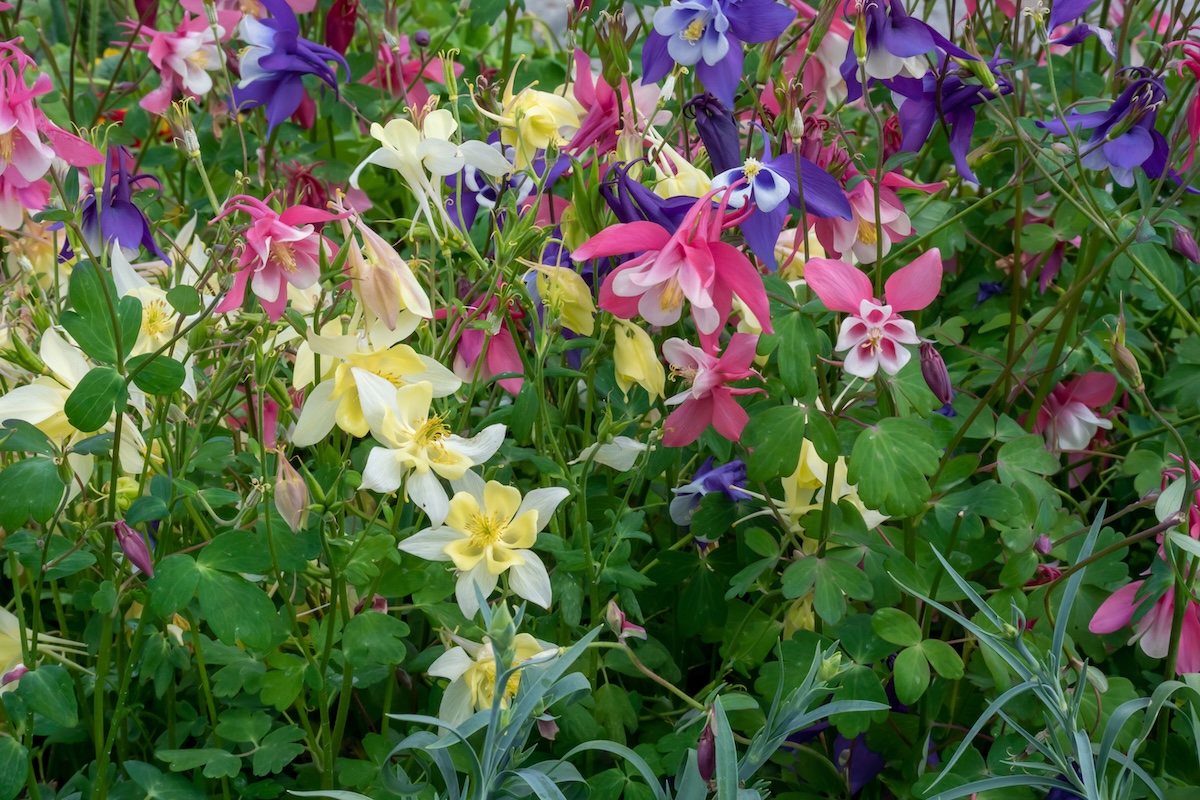
3. Columbine (Aquilegia spp.): The Woodland Perennial
Columbines are quintessential woodland wildflowers, known for their unique, bell-like flowers and long, elegant spurs. These perennials are the perfect choice for the gardener who wants a touch of "naturalized" beauty.
Unlike annuals that need constant encouragement to bloom, Columbines are remarkably low-maintenance. Allowing them to keep their faded blossoms isn’t just a time-saver; it’s an ecological benefit. When left intact, the faded flowers transition into decorative seed pods, which provide essential winter forage for local bird populations. Furthermore, these plants are known to self-sow, meaning a single planting can lead to a more robust, naturalized patch of flowers in future seasons.
- Sun Requirements: Full sun to partial shade
- Size: 1 to 3 feet tall and 1 to 2 feet wide
- Watering: Needs consistent moisture
- Soil Type: Moist, well-draining soil
- Hardiness Zones: 3 to 9
4. Hydrangea (Hydrangea spp.): A Note on Pruning
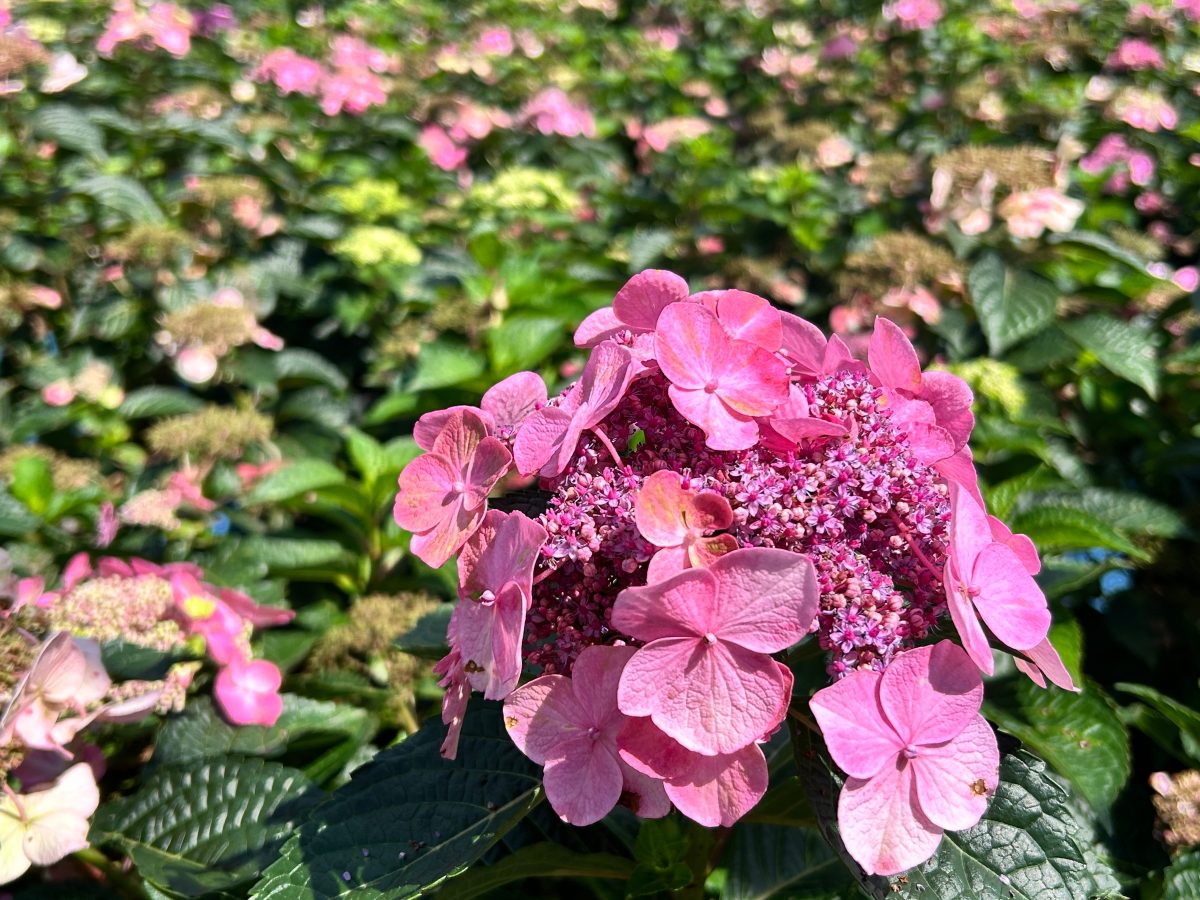
Hydrangeas represent a complex category in the world of garden maintenance. Many traditional varieties form their buds on "old wood" (growth from the previous season). Consequently, deadheading these varieties can actually be counterproductive, as you may accidentally snip off next year’s flowers.
However, the industry has seen a massive shift toward "reblooming" varieties. Modern cultivars like the Endless Summer series or the Pop Star hydrangea have been genetically selected to produce flowers on both old and new stems. These varieties offer the best of both worlds: they are vigorous bloomers that tolerate summer deadheading, though they perform just as well if left alone until the autumn, when the dried flower heads can provide winter structure to your garden.
- Sun Requirements: Full sun to partial shade
- Size: 3 to 8 feet tall and wide
- Watering: Requires regular, deep watering
- Soil Type: Rich, moist, well-draining soil
- Hardiness Zones: 3 to 9
5. Impatiens (Impatiens spp.): Vibrant Shade Performers
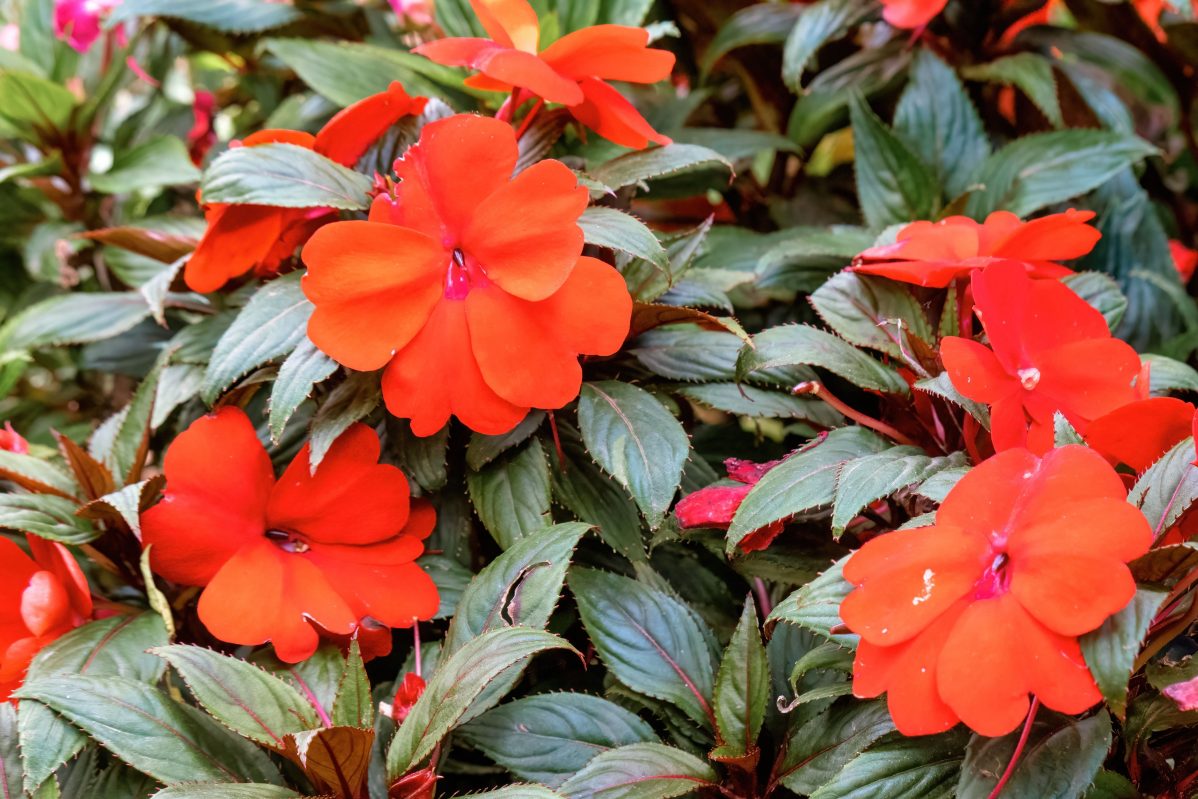
For those struggling to add color to shaded corners of the yard, Impatiens remain the gold standard. New Guinea impatiens (Impatiens hawkeri) are particularly noted for their high performance and resistance to common pests.
"This is a branched, perennial flowering plant that elevates any garden," says Prokaten. "The vivid, five-petaled flowers and pointed, oblong leaves maintain an alluring appearance all season long. Because they have the natural ability to shed dead blossoms, you are spared the tedious chore of manual cleanup."
- Sun Requirements: Partial morning sun to full shade
- Size: 1 to 3 feet tall and wide
- Watering: Prefers consistent moisture; requires regular watering
- Soil Type: Well-draining, nutrient-rich soil
- Hardiness Zones: 10 to 12 (grown as an annual in most regions)
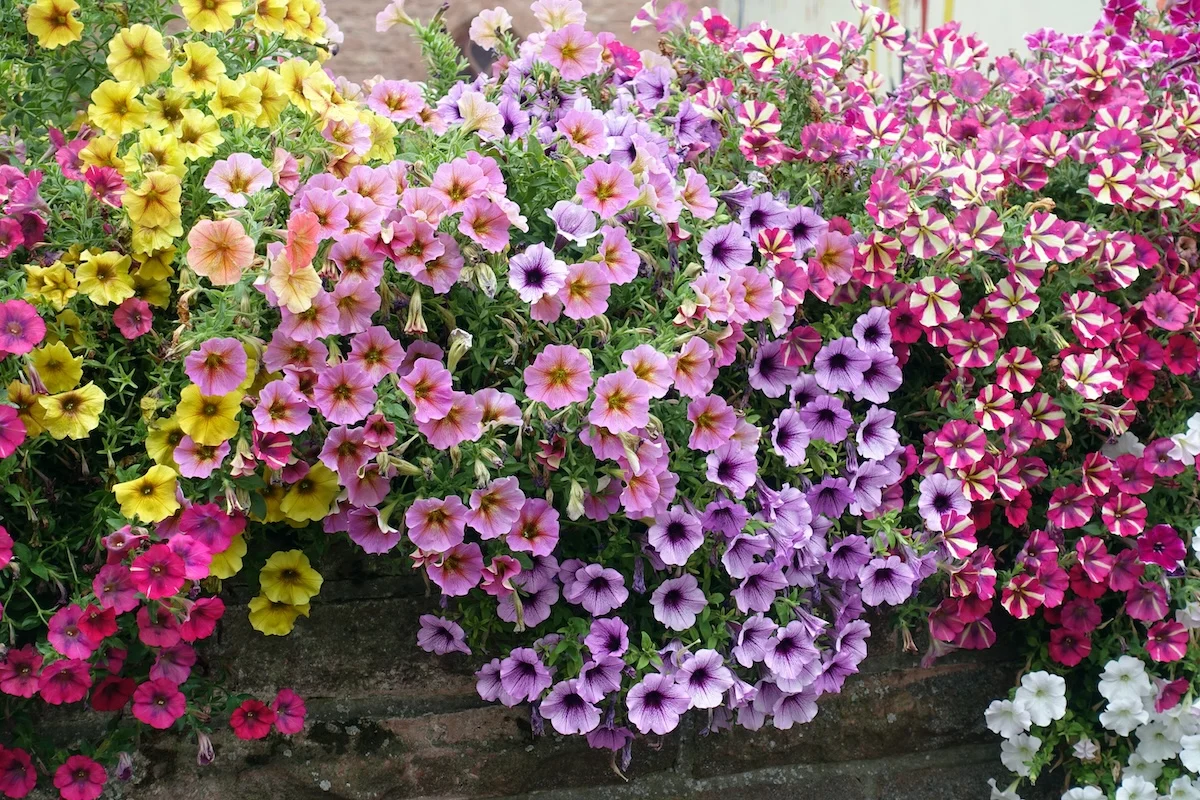
6. Petunia (Petunia hybrid): The "Supertunia" Revolution
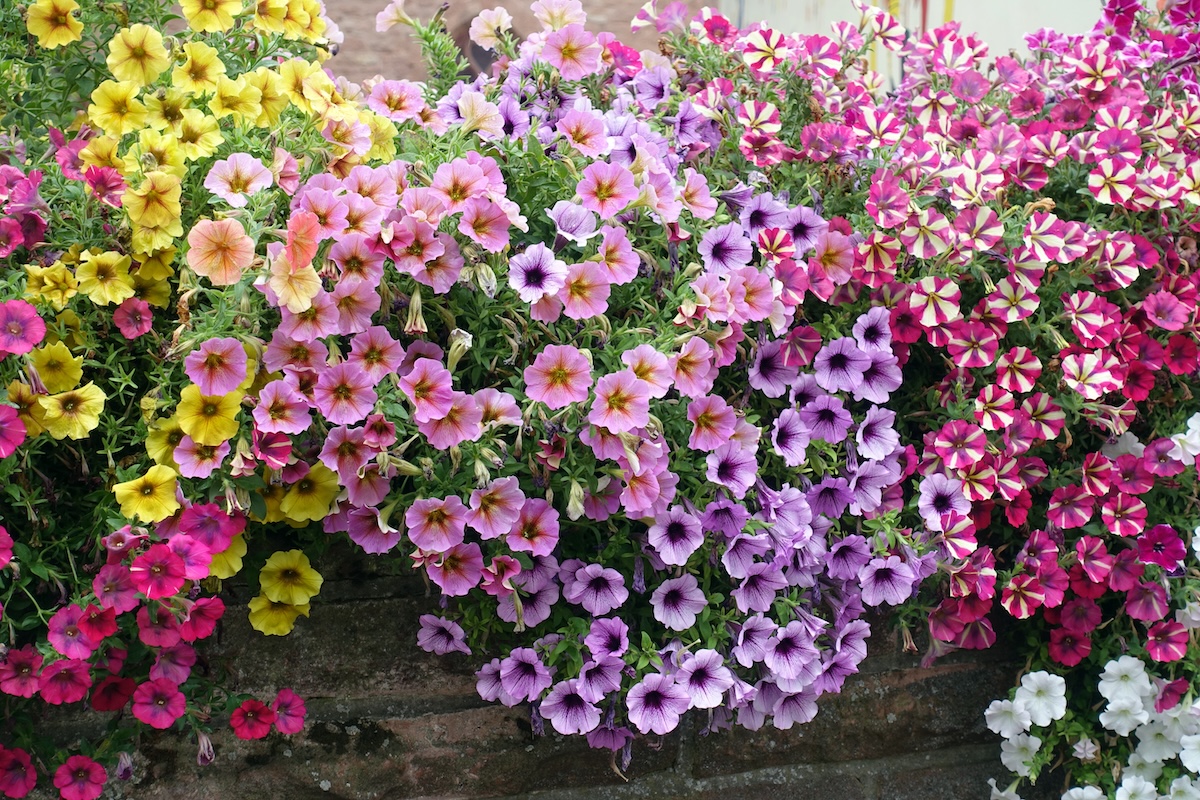
For years, the standard petunia was the bane of the low-maintenance gardener. If left un-deadheaded, the plants would quickly become leggy and unsightly. However, the introduction of the Supertunia series changed the game entirely.
These patented varieties were bred specifically for their self-cleaning habit. They do not require the "pinch" that older varieties demanded. The result is a plant that provides a non-stop, carpet-like display of color from late spring until the first frost. They are exceptionally hardy and highly attractive to beneficial insects, including hummingbirds, making them a cornerstone of any high-impact, low-effort garden design.
- Sun Requirements: Full to partial sun
- Size: 6 to 12 inches tall and 1 to 2 feet wide
- Watering: Regular watering, especially in containers
- Soil Type: Medium to moist, well-draining
- Hardiness Zones: 10 to 11 (grown as an annual in cooler climates)
Chronology of Gardening Trends: From Formal to Functional
The shift toward "no-deadhead" gardening is part of a larger, decade-long movement toward "functional landscaping." In the mid-20th century, gardening was often a demonstration of labor—neat, perfectly pruned hedges and groomed beds were status symbols.
As we moved into the early 2000s, the focus shifted toward "native gardening" and environmental stewardship. Today, we are in the era of "efficiency." With rising costs and busier lifestyles, the home gardener of 2026 is looking for ways to maximize aesthetic output while minimizing labor input. The development of self-cleaning plant varieties is the horticultural industry’s direct response to this demand, proving that high-end beauty does not require high-end labor.
Supporting Data: The Efficiency Gap
According to recent surveys on home maintenance, the average gardener spends approximately 4 to 6 hours per week on "fine-tuning" tasks, including deadheading, weeding, and edge-trimming. By switching to a garden composed of 70% self-cleaning or low-maintenance varieties, studies show that labor time can be reduced by nearly 60%.
Furthermore, data from university agricultural extensions suggest that non-deadheaded "self-cleaning" plants show a 15% increase in total flower longevity over the course of a single season compared to traditional varieties, as the plant does not undergo the physiological stress associated with manual flower removal.
Implications for the Future of Landscaping
The movement toward low-maintenance gardening has significant implications for urban planning and residential design. As more homeowners move toward "set-it-and-forget-it" landscapes, we are seeing a shift in the nursery industry. Retailers are increasingly prioritizing "bloom duration" and "self-maintenance" as the primary metrics for success in new plant introductions.
For the individual, the implication is clear: gardening is becoming more accessible. By choosing the right plant for the right spot—and choosing varieties that respect the gardener’s time—anyone can cultivate a stunning, professional-grade garden. The days of being tethered to a pair of shears are officially coming to an end, replaced by a more sustainable, more enjoyable, and ultimately more beautiful approach to home cultivation.
