

By Nora DeLigter
Let’s be honest: finding an apartment in New York City has never been a "walk in the park." It has historically been a competitive, high-stakes game of speed, credit scores, and the occasional willingness to overlook a lack of natural light. But as we move into June 2026, the threshold for what constitutes a "livable" apartment has shifted into something bordering on the surreal. We are currently witnessing a rental market where even the most utilitarian studios command thousands of dollars in monthly rent, often accompanied by queues of hopeful tenants snaking around city blocks.
In this climate, the search for a home requires more than just a budget; it requires a strategy. This week, I decided to look beyond the five boroughs to see if the grass—or at least the floorboards—is greener on the other side of the Hudson.
The Great Migration: Why New Jersey is Calling
For months, I have been rightfully accused of neglecting the New Jersey market. This week, I finally ventured into Weehawken, North Bergen, and Hoboken to see what the rental landscape looks like when you step off the PATH train.
The results were, frankly, infuriating. There is quite a lot on offer, and for significantly less money than one would pay for a similar footprint in Brooklyn or Queens. While the perennial debate over the reliability of the PATH transit system continues to be a hurdle for some, the financial incentives are becoming impossible to ignore. Whether it’s a free-standing house in North Bergen or a prewar gem in Hoboken, the New Jersey suburbs are offering a level of space and character that is rapidly vanishing from the New York City rental inventory.
A Closer Look at the Listings
My search this week spanned from the quiet, underrated streets of Kensington in Brooklyn to the bustling waterfronts of New Jersey. Below is a breakdown of the current market findings, ranging from the truly affordable to the "is-this-a-nail-salon?" curiosities.
New Jersey: The Land of the Free-Standing House
In North Bergen, the concept of "value" takes on a different meaning.
- $2,200, 2-Bedroom: A charming, if eccentric, Harry Potter-esque attic apartment that proves you don’t need a massive budget to find a unique space.
- $2,500, 3-Bedroom: Perhaps the most shocking find of the week, this was an entire free-standing red brick house. In NYC, this price might get you a closet in a luxury high-rise; in Jersey, it gets you a backyard.
- $3,500, 3-Bedroom: Another wedding-cake-style home. While the lighting fixtures were questionable, the hardwood floors were pristine.
In Weehawken, I found a beautiful first-floor apartment in a San Francisco-esque clapboard house for $2,650. It featured original pocket doors and radiators that served as decorative centerpieces, a rarity in the world of modern "cookie-cutter" renovations.
Brooklyn and Queens: The Search for Character
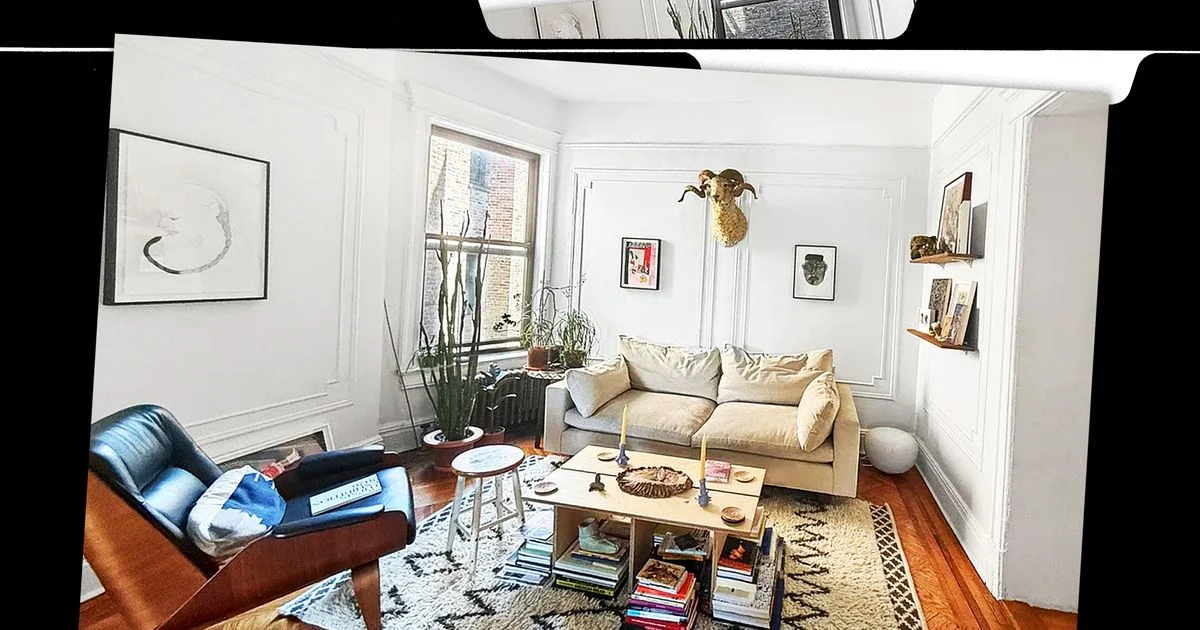
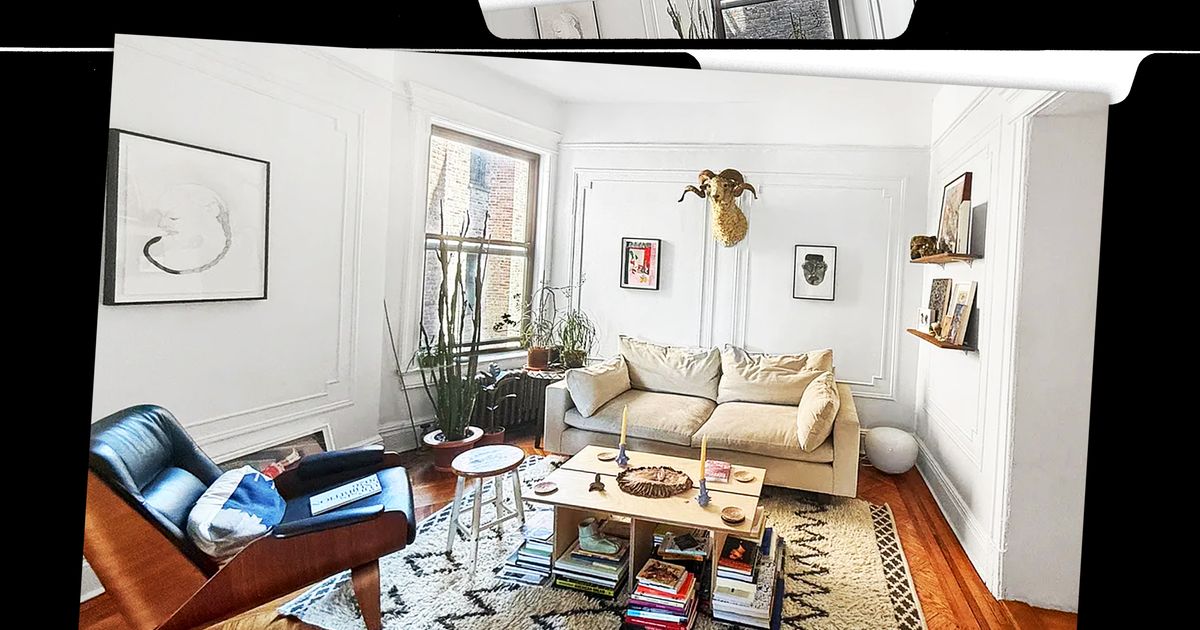
Back in the city, the market remains volatile. In Prospect-Lefferts Gardens, I toured a unit at 146 Fenimore Street that served as a reminder of what we are all chasing: good parquet floors, nice wainscoting, and proximity to the park. At $3,800 for a 3-bedroom, it remains a competitive tier of the market.
Meanwhile, in Bed-Stuy, the rent is climbing at a pace that suggests the neighborhood is nearing a new ceiling. While a $3,450 1-bedroom there might offer perfect floors, it raises questions about the long-term sustainability of these price points for the average renter.
Chronology of a Housing Crisis: How We Got Here
To understand the current rental frenzy, one must look at the trajectory of the last few years.
- Early 2024: The market began to see a record-low vacancy rate as interest rates kept potential homebuyers in the rental pool, effectively squeezing supply.
- Late 2024–2025: Landlords, emboldened by high demand, saw aggressive rent hikes across all boroughs. The "luxury" segment of the market exploded, trickling down to mid-range rentals.
- Mid-2026 (Present): We have reached a point of market fatigue. Tenants are increasingly looking toward the periphery—Jersey City, Weehawken, and deep Brooklyn—to escape the inflationary pressures of Manhattan and prime Brooklyn.
The Rise of AI-Generated "Slop" in Listings
As I spent my week scrolling through StreetEasy, I noticed a troubling trend: the infiltration of AI-generated imagery. It’s not just about cleaning up a photo anymore. We are seeing bizarre, uncanny renderings of spaces that defy the laws of physics.
I’ve begun collecting these images, which I’ve dubbed "Numbered Beers and Outnumbered Toes." These listings often feature AI-generated "residents"—digital ghosts—wandering through luxury condos. Some of these photos are so poorly executed that they include deformed pets or people with impossible anatomy, all designed to make a space look more "lived-in" or "aspirational." It is a bizarre, digital sleight-of-hand that adds a layer of skepticism to an already difficult process. If a listing looks too perfect, or if the people in the background look like they belong in a horror movie, proceed with extreme caution.
Implications for the Future
The current state of the rental market has significant implications for the city’s social fabric. When the entry-level price for a 1-bedroom in a neighborhood like Bed-Stuy or Astoria approaches $3,000, we are effectively pushing out the creative and working-class populations that give these neighborhoods their character.
What Does This Mean for Renters?
- The "Commuter Tax": Renters are now factoring in the time and mental toll of a longer commute from New Jersey against the exorbitant cost of living in NYC. For many, the math is starting to favor the commute.
- The Death of the "Starter Apartment": The traditional "first apartment" in the city is becoming a relic. Most young professionals are now forced to enter the market with multiple roommates or significantly higher incomes.
- The Rise of Remote Work Influence: As companies demand more office time, the desire for proximity to transit hubs has increased, further driving up prices in neighborhoods with direct access to Manhattan.
Official Responses and Expert Outlook
While city officials have pointed to new housing developments and the conversion of commercial spaces into residential units as a long-term solution, critics argue that the pace of construction is nowhere near enough to offset the current deficit.
"We are seeing a systemic failure to address the supply side," says Dr. Aris Thorne, a housing economist. "When you have a city where the median rent consumes more than 40% of the median income, you aren’t just looking at a market trend; you’re looking at a demographic shift. People are being priced out of their own city."
Final Thoughts: Look Beyond the Curtain
If you are currently on the hunt, my advice remains the same: look past the bad staging, the weird curtains, and the questionable AI-generated people. Focus on the bones of the building. Does it have natural light? Are the floors original? Is the radiator actually working, or is it just a piece of metal decor?
New Jersey is not the "fallback" it used to be—it’s becoming a legitimate alternative for those who want to live in a space that doesn’t feel like a temporary compromise. And for those staying in New York, keep your wits about you, stay patient, and remember: if the rent seems too good to be true, it’s probably a commercial loft masquerading as a living space.
Happy hunting. And watch out for the AI corgis.
