

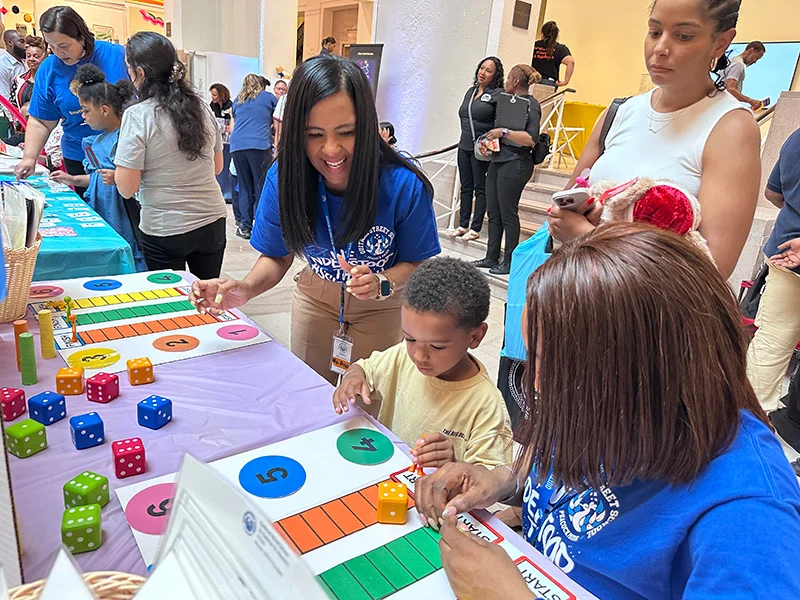
NEWARK, N.J. – The grand halls of the Newark Museum of Art were transformed into a vibrant classroom of discovery this past Thursday, as hundreds of pre-kindergarten and kindergarten students from Newark Public Schools (NPS) descended upon the institution for the 13th Annual "Night at the Museum."
The event, a cornerstone of the district’s efforts to combat the "summer slide," served as both a celebration of early childhood curiosity and a strategic initiative to equip parents with the pedagogical tools necessary to sustain academic momentum during the vacation months. Organized by the Newark Public Schools Office of Early Childhood, the evening underscored a powerful philosophy: that the boundaries of the classroom are fluid, and the entire city serves as a landscape for intellectual growth.
The Main Facts: A Partnership for Academic Continuity
At its core, "Night at the Museum" is designed to address a persistent challenge in American education: the decline in academic proficiency that often occurs when students are away from the structured environment of the classroom for extended periods. By inviting families into one of the city’s premier cultural anchors, the district aimed to demystify learning, transforming it from a school-bound requirement into an accessible, family-oriented activity.
The event offered an array of interactive stations where district leaders facilitated literacy and mathematics exercises tailored specifically for early learners. Beyond the curriculum, the evening served as a comprehensive resource hub, providing families with access to health services, community support networks, and, most importantly, the tangible materials needed to keep young minds sharp through the summer. Each participating family departed with a curated "take-home resource bag"—a toolkit packed with age-appropriate books, sensory development materials, and a comprehensive guide featuring 20 distinct activities—10 focused on literacy and 10 on numeracy—designed for seamless replication in the home environment.
A Chronology of Engagement
The evening began with a buzz of anticipation as families checked in, navigating through the museum’s main atrium. The event followed a carefully orchestrated sequence designed to maximize both engagement and educational impact:
- Arrival and Immersion: Families were welcomed into the museum’s grand space, where they were immediately introduced to interactive exhibits, setting the tone for a night of curiosity.
- Active Learning Modules: Under the guidance of NPS leadership, students participated in hands-on stations. Children worked on phonics-based games and tactile math puzzles, while parents were coached on how to translate these lessons into everyday home activities, such as measuring ingredients during cooking or identifying letters while grocery shopping.
- Resource Distribution: A critical component of the evening was the distribution of the "summer success kits." These bags were not merely gifts but tactical instruments meant to bridge the gap between the school year and the fall term.
- Cultural Exploration: Following the workshops, families were encouraged to explore the museum’s permanent collections, reinforcing the idea that museums are not merely static displays but dynamic learning environments that can—and should—be visited throughout the year.
Supporting Data: Why the Summer Matters
The urgency behind this initiative is rooted in well-documented educational research. The "summer slide," or summer learning loss, is a phenomenon where students, particularly those in early childhood, lose a portion of the knowledge gained during the previous academic year. For many, this gap can compound over time, leading to significant disparities in literacy and numeracy by the third grade.
By engaging families in environments like the Newark Museum of Art, the district is attempting to mitigate this loss through "informal learning." Studies indicate that when parents are empowered to become partners in the educational process—and when they have access to resources that make learning fun—the academic regression typical of the summer months is significantly dampened. The 13th iteration of this event represents over a decade of empirical refinement, moving from a simple community gathering to a sophisticated, data-informed intervention strategy.
Official Perspectives: The Vision for Newark’s Youth
The success of the evening was a testament to the strong synergy between the district’s leadership and the cultural community of Newark.
Superintendent León emphasized the importance of the parental role during the event. "One of our goals is to ensure that our students continue to grow academically even when school is not in session," León noted. "Night at the Museum gives families practical tools they can use at home while reinforcing the important role that parents play as their children’s first teachers. We are grateful to the Newark Museum of Art for its longstanding partnership and commitment to enriching the educational experiences of Newark’s children."
Board of Education President Hasani K. Council echoed this sentiment, framing the event within a broader context of community responsibility. "Learning happens everywhere, not just in the classroom," Council remarked. "This event demonstrates how schools, families, and community institutions can work together to create meaningful educational experiences for our children. By connecting families with both learning resources and cultural opportunities, we are helping our students build a foundation for lifelong success."
Denise Cromwell, Supervisor in the Office of Early Childhood, highlighted the logistical intent of the evening. For Cromwell, the event is about sustainability. The goal is not just to provide a one-night experience but to instill a "learning-by-doing" mindset that lasts all summer long, ensuring that when children return to the classroom in September, they are ready to build upon a foundation of knowledge rather than starting from a place of recovery.
Implications for the Future: A Model for Urban Education
As the event concluded, the implications of this 13-year tradition became clear. "Night at the Museum" serves as a scalable, replicable model for other urban districts seeking to bridge the divide between formal schooling and community life.
1. Strengthening the Parent-School Nexus
By inviting parents to participate in the learning process, the district is effectively expanding the educational support system. When a parent understands how to teach a math concept through play, they are more likely to engage in that behavior throughout the summer.
2. Cultural Literacy as an Educational Tool
The partnership between the Newark Public Schools and the Newark Museum of Art removes the "barrier of entry" that some families might feel regarding cultural institutions. By making the museum a welcoming, familiar space, the district is fostering a long-term relationship between students and the arts, which is essential for holistic development.
3. Combatting Educational Inequity
The event serves as an equity tool. By providing high-quality resources to all families regardless of their background, the district ensures that the opportunity to combat summer learning loss is democratized. The resource bags provide the necessary materials that might otherwise be unavailable in some households, ensuring that every child has the same opportunity to stay ahead.
4. A Tradition of Success
Now entering its second decade, the "Night at the Museum" is more than just an annual gala; it is a cultural expectation within the Newark school community. This longevity has allowed the program to evolve, incorporating feedback from parents and teachers to refine the activities and resources provided each year.
Conclusion
As the lights dimmed at the Newark Museum of Art, the impact of the evening lingered. Hundreds of families left with bags full of tools, but more importantly, they left with a new perspective on how they can shape their children’s futures. In the context of Newark’s educational landscape, the 13th Annual Night at the Museum serves as a powerful reminder that when a city invests in the partnership between schools, parents, and community institutions, the potential for student success is limitless.
For the students of Newark, the summer is no longer a period of inactivity. It is a time for exploration, a time for the reinforcement of literacy and math skills, and a time to recognize that, indeed, learning happens everywhere. As the district looks toward the future, this model remains a cornerstone of its commitment to excellence, proving that the most effective way to teach a child is to involve the entire village in the process.
