

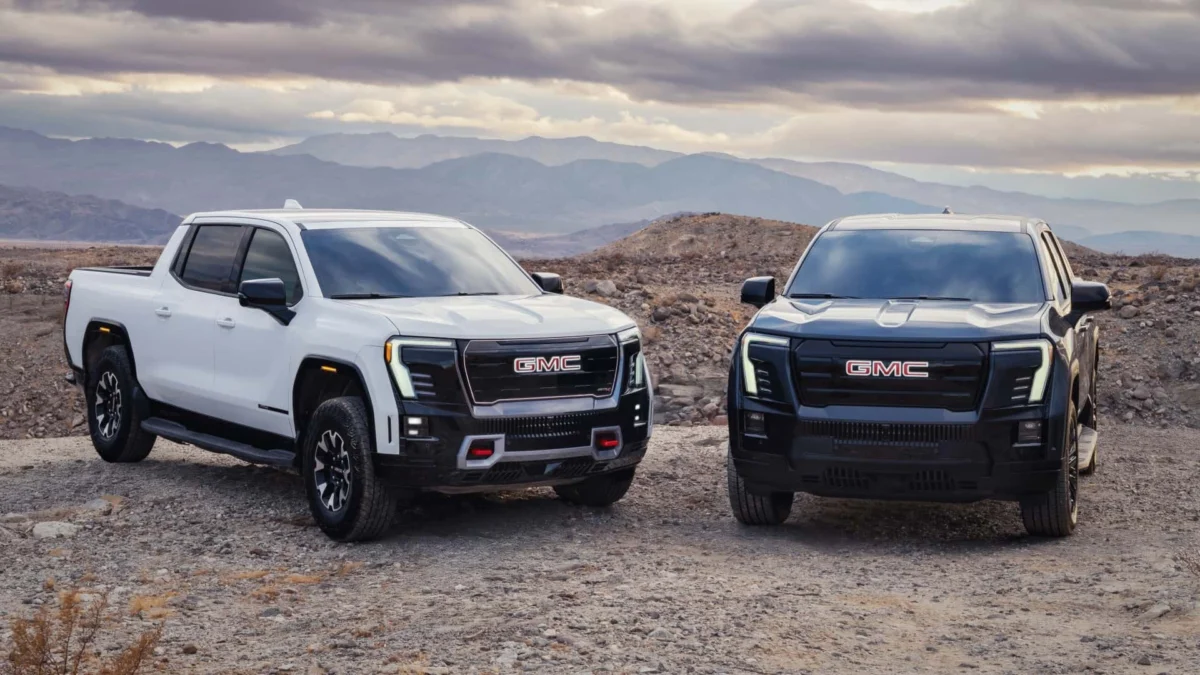
While the automotive industry has spent the better part of the last decade fixated on the "holy grail" of solid-state batteries, a more pragmatic revolution is quietly unfolding in laboratories and manufacturing plants across the globe. For years, the promise of solid-state technology—characterized by its potential for unmatched energy density and safety—has dominated headlines. However, as major automakers reconcile with the realities of mass production and cost-efficiency, the consensus has shifted: commercialization of true solid-state batteries remains a challenge for the end of the decade.
In the interim, the industry is pivoting toward an evolutionary, rather than revolutionary, solution: the silicon-anode battery. This transition, which replaces or supplements traditional graphite with silicon, promises to unlock greater driving range, faster charging speeds, and a more sustainable supply chain.
The Anode: The Heart of the Battery
To understand why silicon is the industry’s new darling, one must first understand the architecture of a lithium-ion cell. The anode is a critical component that stores lithium ions during the charging process and releases them during discharge. For decades, the industry has relied almost exclusively on graphite.
Graphite is favored for its structural stability and cost-effectiveness, but it comes with significant baggage. The global supply chain for battery-grade graphite is heavily concentrated, with more than 90% of processing taking place in China. This centralization creates both geopolitical risk and environmental concerns regarding mining and refining. Furthermore, graphite imposes a "hard ceiling" on how much energy a battery can hold.
Silicon, by comparison, has a theoretical capacity roughly ten times higher than that of graphite. By integrating silicon into the anode, engineers can drastically increase the energy density of a cell. The challenge, historically, has been durability: pure silicon swells significantly during the charging process, which can crack the material and degrade the battery’s lifespan. Modern innovations, however, have found ways to manage this "swelling" by blending silicon with graphite or using advanced nanostructures, allowing for a hybrid approach that provides the best of both worlds.
A Chronology of the Shift
The adoption of silicon-anode technology has not happened overnight. It has been a gradual, calculated progression from niche high-performance applications to consumer electronics and, finally, to the automotive mainstream.
- 2010s: Early Research and Consumer Electronics: Initial research into silicon anodes focused on overcoming the expansion issues mentioned above. As material science matured, consumer electronics companies were the first to adopt the technology to keep phones slim while increasing battery life.
- 2023: The Hypercar Proof-of-Concept: The McMurtry Spéirling, a track-focused hypercar, proved that silicon-anode technology was ready for prime time. Utilizing Group14’s silicon-carbon technology and Molicel’s cells, the vehicle achieved a 0-60 mph time of just 1.55 seconds—an extreme test of discharge power that solidified the technology’s reputation for performance.
- 2024: The Automotive Pivot: High-end performance vehicles began integrating silicon-containing anodes to facilitate ultra-fast charging. The Mercedes-Benz AMG GT, for instance, set a new benchmark for charging speeds, capable of hitting a 10% to 80% charge in just 11 minutes at 600 kW.
- 2025 and Beyond: Industrial Scaling: We have now entered the era of mass-market manufacturing. Factories in Washington state and South Korea are currently coming online to provide the supply needed for thousands, and eventually millions, of electric vehicles (EVs).
Supporting Data: The Performance Advantage
The claims surrounding silicon-anode technology are not merely speculative; they are backed by rigorous field testing and performance metrics from industry leaders.
California-based Amprius Technologies has reported staggering potential gains, suggesting that an EV platform currently delivering 310 miles of range could see an increase to 574 miles simply by switching to a high-silicon anode battery pack. Meanwhile, Sila Nanotechnologies, another American powerhouse, estimates a 20% increase in range without needing to alter the physical size of the battery pack.
These improvements are not just theoretical; they solve the primary consumer barriers to EV adoption: range anxiety and charging downtime. If a vehicle can charge as quickly as a gasoline tank can be refilled, and if that vehicle can travel significantly further on a single charge, the psychological and practical friction of switching to electric propulsion is greatly diminished.
Official Perspectives: General Motors’ Strategic Stance
At the recent GM Empower conference in San Francisco, Kurt Kelty, General Motors’ vice president of battery and sustainability, offered a candid assessment of the company’s trajectory.
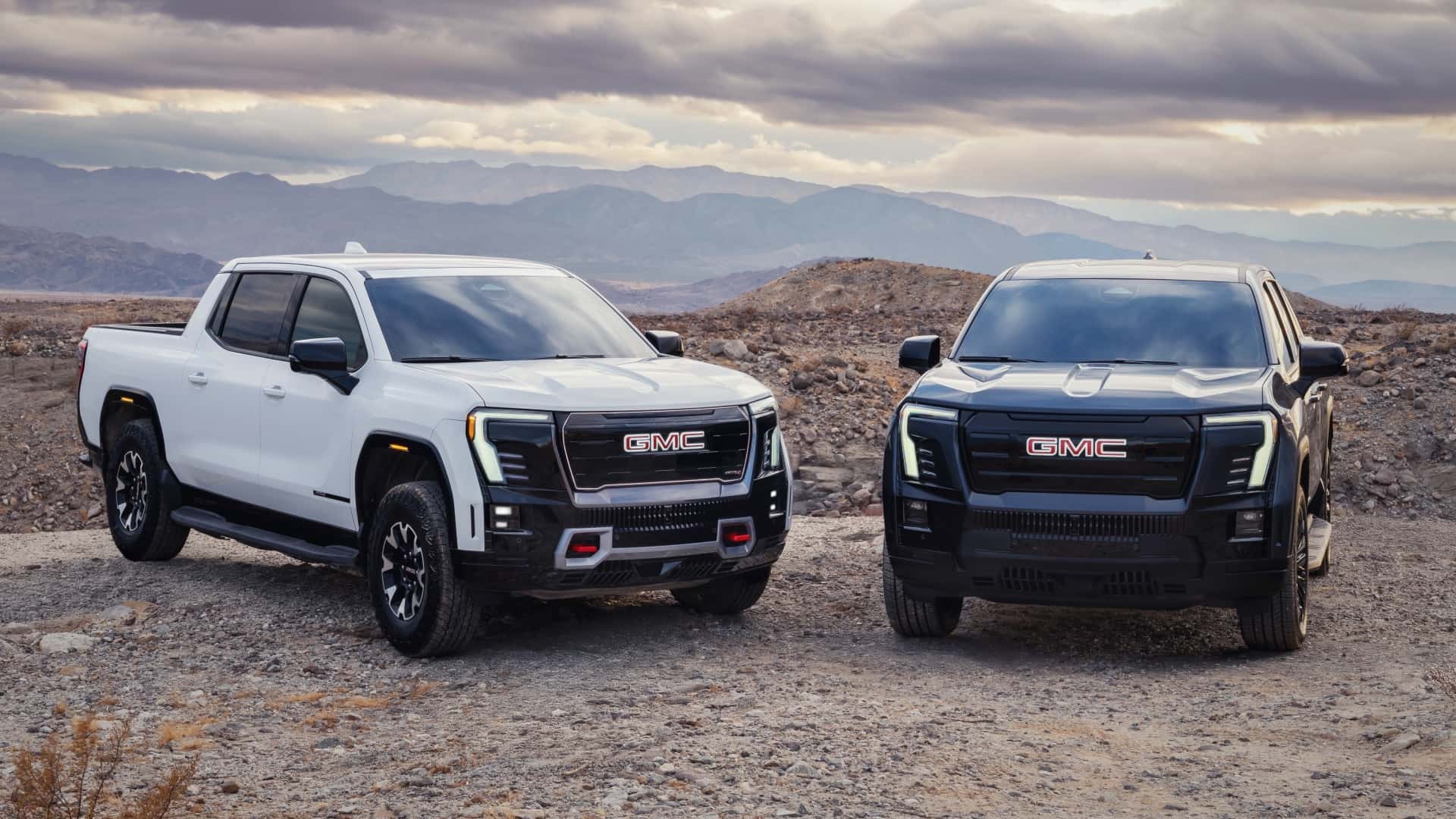
"We believe silicon is the next anode technology," Kelty stated during an interview. "We’re definitely deep on silicon. What you’re going to see in the short- to mid-term is silicon anodes being deployed in greater percentages."
Kelty’s comments emphasize that GM is not putting all its eggs in one basket. The company’s "Ultium" strategy relies on a diversified portfolio of chemistries. While silicon is the focus for near-term performance gains, GM continues to develop low-cost lithium-manganese-rich (LMR) batteries for mass-market trucks and SUVs, while simultaneously utilizing lithium-iron-phosphate (LFP) for entry-level models like the Chevy Bolt.
When asked about the "holy grail"—solid-state batteries—Kelty was pragmatic. "We’ve got a bunch of solid-state prototypes in our labs," he noted. "We need to know what the latest and greatest technology is." This indicates that while solid-state remains the long-term objective, silicon-anode technology is the current bridge to the future.
Implications for the Industry and Consumers
The move toward silicon anodes has profound implications for the global automotive market:
1. Decoupling from Graphite
By reducing reliance on graphite, automakers are seeking to diversify their supply chains. The success of startups like Sila, which has opened a massive factory in Moses Lake, Washington, signals a resurgence in domestic battery material production. This is essential for meeting the requirements of the Inflation Reduction Act and ensuring that supply chains are resilient against regional geopolitical instability.
2. Scaling and Cost
The hurdle, as always, is cost. Producing silicon-anode materials at scale is significantly more expensive than processing conventional graphite. However, the recent opening of joint-venture facilities—such as Group14’s partnership with SK Inc. in South Korea—demonstrates that the economies of scale are starting to take effect. These facilities are designed to produce capacity for hundreds of thousands of vehicles, which will inevitably drive down the unit price over the next 24 to 36 months.
3. The Evolutionary Path
The history of the internal combustion engine (ICE) was defined by a century of incremental improvements: fuel injection, turbocharging, and variable valve timing. The EV industry is currently mirroring this path. The jump from graphite to silicon is akin to the jump from carburetors to fuel injection—a fundamental shift that optimizes the existing architecture for vastly superior performance.
4. Consumer Experience
For the average consumer, this means that the "next generation" of EVs will feel more like internal combustion vehicles in terms of convenience. The 11-minute charge time achieved by Mercedes-Benz is not just an engineering feat; it is a feature that changes how people use their cars. If a family can charge their vehicle during a quick stop for lunch, the traditional argument against EVs—the "time tax" of charging—becomes increasingly irrelevant.
Conclusion: A Race Without a Finish Line
The race to improve EV batteries is clearly one without a fixed finish line. Just as the combustion engine continued to evolve until the very end of its dominance, battery technology will continue to iterate. We are witnessing a transition where silicon anodes represent the next vital step, providing the energy density and charging speeds required to convert the remaining skeptics of the EV movement.
As GM, Mercedes-Benz, and other legacy automakers begin to integrate these advanced materials into their platforms, the gap between traditional gas-powered vehicles and electric alternatives will continue to close. While the dream of solid-state batteries remains a tantalizing destination for the 2030s, the silicon-anode revolution is here today, effectively rewriting the rules of what an electric vehicle can achieve. The road ahead is long, but it is paved with silicon, and it promises a future where the electric driving experience is faster, longer-lasting, and more accessible than ever before.
