

In the meticulously crafted world of cinema and television, set design is the silent narrator. From the wallpaper in a period drama to the worn-out upholstery of a protagonist’s sedan, every visual detail is meant to anchor the viewer in a believable reality. However, there is one element that frequently shatters this immersion: the vehicle. When a car is poorly cast—be it due to blatant product placement, chronological inaccuracy, or a jarring disconnect with a character’s socioeconomic status—the magic of the narrative often grinds to a halt.
To explore this phenomenon, we turned to the experts: our readers. The following analysis examines the most egregious examples of "bad car casting" in media, breaking down why these choices fail and what they reveal about the intersection of commercial interests and artistic integrity.
The Economics of Inaccuracy: Why Filmmakers Get It Wrong
At its core, the cinematic car casting process is a battle between narrative authenticity and production pragmatism. Filmmakers face a trifecta of constraints: budget, availability, and marketing obligations.
Product placement is perhaps the most frequent culprit. When a manufacturer provides a fleet of vehicles at a discount or free of charge, the production team often feels obligated to feature them prominently. This is not necessarily a bad thing, but when the vehicle’s branding or design clashes with the world-building, the result is an "infomercial effect" that distances the audience from the story.
Furthermore, "period-correct" vehicles are notoriously difficult to maintain and operate. For a director, a modern car that looks "close enough" is often more reliable on set than a temperamental classic, leading to the historical anachronisms that haunt period pieces.
A Chronological Breakdown of Cinematic Sins
To understand the scope of these casting failures, we can categorize them into three distinct types of errors: Chronological Inaccuracy, Socioeconomic Dissonance, and Blatant Commercialism.
The Period Piece Trap: The Great Gatsby
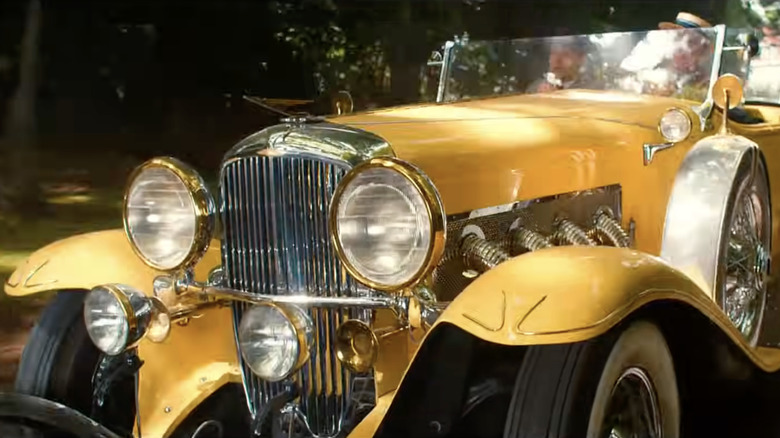
The most common grievance among cinephiles is the disregard for historical accuracy. Take, for example, the various adaptations of The Great Gatsby. While the novel is firmly rooted in the Jazz Age of 1922, film adaptations frequently feature vehicles from the late 1920s or even the 1930s. Directors often opt for these later models because they are more visually striking, effectively prioritizing the "glamour" of the era over the reality of the timeline. To the car enthusiast, seeing a 1929 Duesenberg in a scene set seven years prior is akin to seeing a character pull out an iPhone in a Victorian period drama.
The Socioeconomic Mismatch: Mare of Easttown and Ambulance
Perhaps the most immersion-breaking error occurs when a character’s vehicle fails to align with their financial reality.
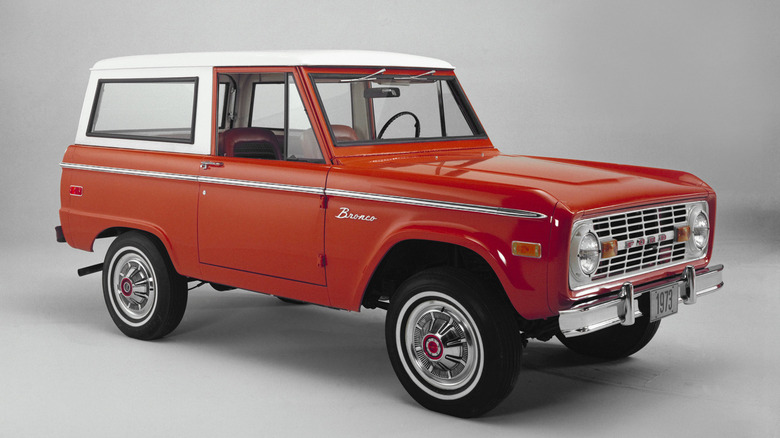
- Mare of Easttown: In this gritty depiction of a working-class suburb, a teenage character is shown driving an immaculate, first-generation Ford Bronco. Given the current market value of these restored classics, which can easily reach six figures, it is impossible for the audience to reconcile the character’s financial situation with their set of wheels.
- Ambulance: A similar issue plagues the film Ambulance, where a protagonist struggling with desperate financial circumstances—specifically, an inability to pay for a child’s surgery—is shown driving a pristine vintage Bronco. When the car contradicts the character’s stated poverty, the narrative stakes lose their weight.
The Product Placement Overload: The Matrix Reloaded
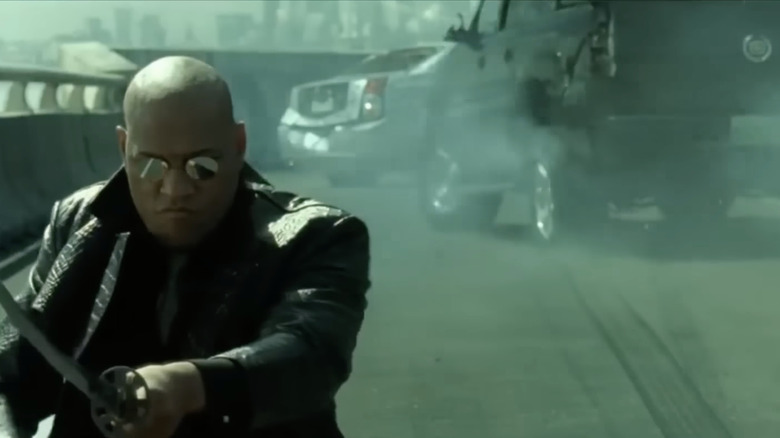
There is a fine line between a character having a car and a car being a character. The Matrix Reloaded famously crossed that line. The film’s extended freeway chase sequence became a de facto showcase for General Motors. While the scene is technically impressive, the presence of identical, brand-new Cadillacs—and the lack of vehicle diversity in the background—felt less like a story choice and more like a corporate mandate.
Supporting Data: Why "The Suburban" is the Industry’s Favorite Prop
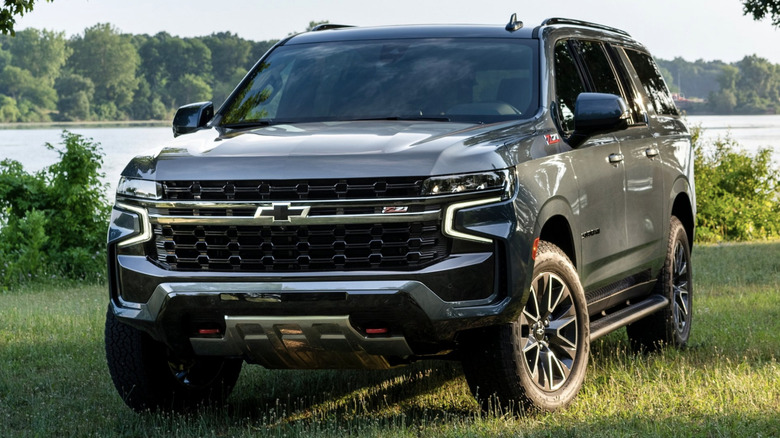
One of the most persistent tropes in action cinema is the "All-Black Government Suburban." It is a staple of thriller and sci-fi genres. However, enthusiasts often point out the physical impossibility of these vehicles keeping pace with sports cars or motorcycles.
Beyond the physics of momentum, there is a recurring continuity error regarding these vehicles. In high-budget chase scenes, the vehicle often changes generation mid-pursuit. A production might use a current-model Suburban for close-ups, but when it comes time for a high-speed crash or an explosion, they swap in a ten-to-fifteen-year-old model that they don’t mind destroying. This "morphing" vehicle is a frequent point of frustration for attentive viewers who track model-year shifts during intense sequences.
Official Responses and The "Constraint" Defense
While directors rarely issue formal apologies for their car choices, the rationale behind these decisions usually boils down to the "logistics of production."
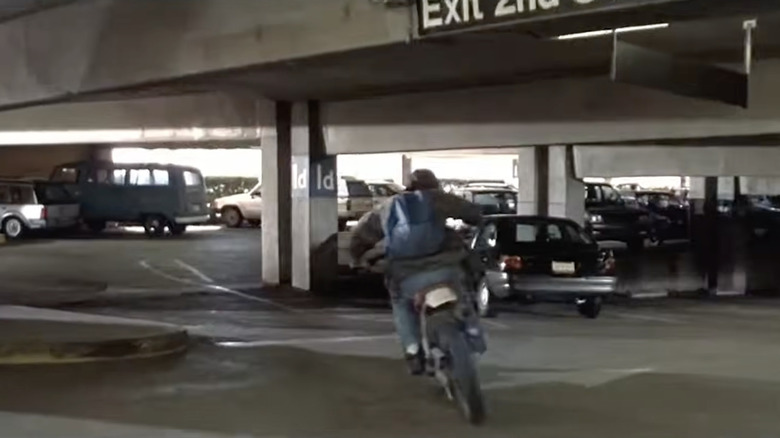
In the case of the Matrix Reloaded GM fleet, industry insiders have noted that the immense computing power required to render a realistic freeway chase meant that the production team had to limit the number of unique 3D car models they needed to animate. By using a limited set of GM vehicles, they could maintain visual fluidity. While this is a practical engineering solution, it resulted in a product-placement nightmare that arguably degraded the film’s aesthetic.
Similarly, in The Walking Dead, the appearance of a brand-new Hyundai Santa Fe in a post-apocalyptic wasteland was a glaring, intentional marketing integration. While the showrunners argued that the car was a "reliable" choice for the characters, the audience immediately recognized the corporate branding, which served to strip away the grit and isolation essential to the show’s tone.
Implications: The Cost of Breaking Immersion
Why does this matter? Because movies rely on a "suspension of disbelief." When a director ignores the nuances of automotive casting, they are essentially telling the audience that the visual spectacle is more important than the internal logic of the world.
When a lawyer in a high-society thriller drives an entry-level Hyundai, or a teenager in a depressed town drives a six-figure collector’s car, the audience is pulled out of the story. They stop wondering about the character’s motivations and start wondering about the film’s budget, the production company’s marketing deals, or the set dresser’s lack of research.
This leads to a "cynicism of viewing." Once an audience notices that the cars are being "cast" rather than chosen, they become hyper-aware of the artifice of the entire production.
Conclusion: Driving Toward Authenticity
Great cinema requires coherence. Just as a costume designer ensures a character’s clothing fits their station in life, a production designer must treat the automobile as a critical character component.
The lessons from these "worst of" lists are clear:
- Research the era: If the story is set in 1922, the cars must be from 1922 or earlier.
- Respect the character’s wallet: A character’s vehicle should be an extension of their economic status, not an advertisement for the latest model year.
- Avoid the "Infomercial": While financial backing is necessary for big-budget films, the integration of brand-name products should never overshadow the narrative reality.
As audiences become more savvy and automotive knowledge more accessible, the margin for error is shrinking. Directors who prioritize narrative logic over corporate convenience will always succeed in creating a more immersive, believable, and ultimately more memorable cinematic experience. The next time you watch a chase scene or a suburban commute on screen, look closely at the car—it might be telling you a story that the director never intended.
