

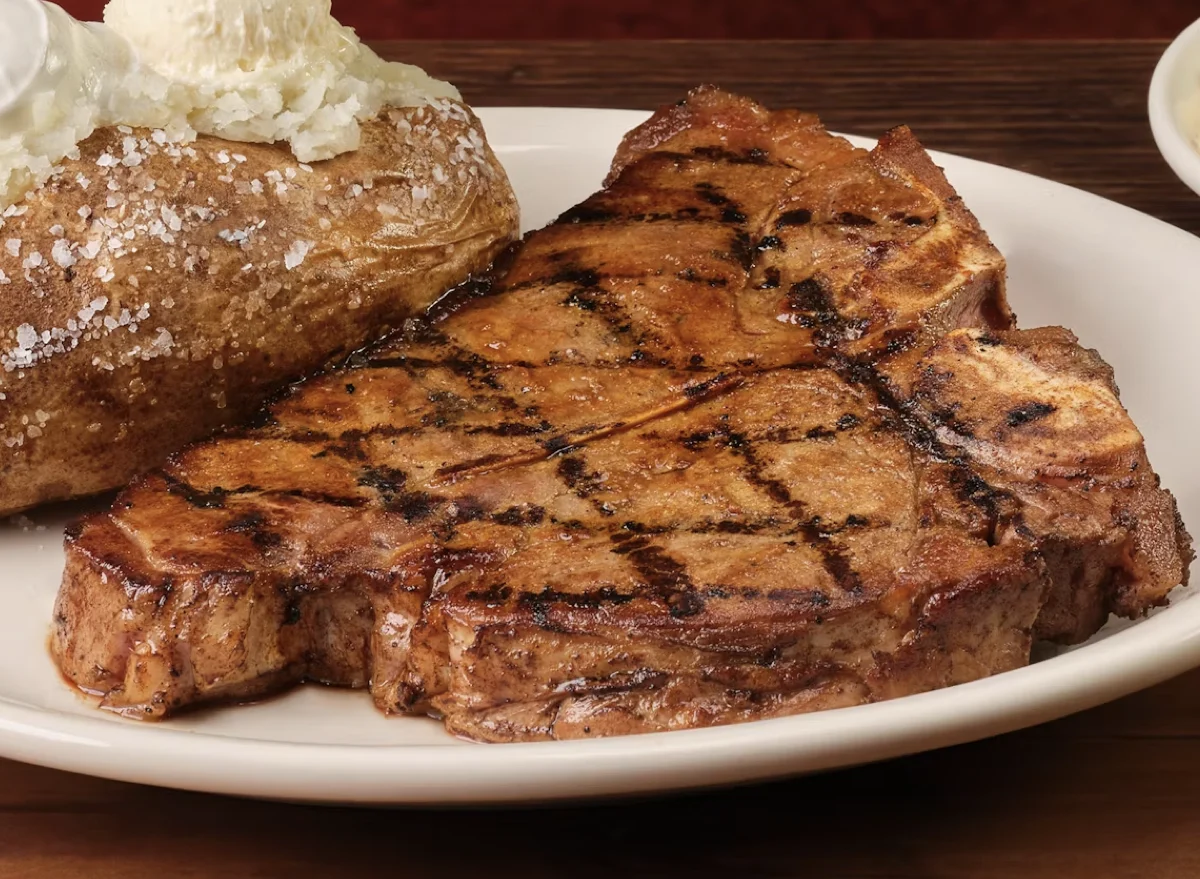
In the landscape of 2026, dining out has become a complex equation of rising menu prices and the persistent phenomenon of "shrinkflation"—where portions dwindle even as tabs climb. For the average American family, navigating the restaurant scene has shifted from a casual convenience to a calculated decision. Social media forums like Reddit, Yelp, and TripAdvisor have become the primary battlegrounds for consumer frustration, with thousands of diners venting about "value gaps" at their favorite chains.
However, amidst the widespread dissatisfaction, a handful of restaurant brands have managed to maintain a reputation for consistency, generosity, and genuine fiscal merit. By prioritizing portion integrity and quality, these six chains have carved out a loyal customer base that continues to find satisfaction despite the broader economic headwinds.
The Economic Context: Why Value Matters in 2026
The restaurant industry is currently navigating a period of unprecedented volatility. Supply chain disruptions, labor cost increases, and inflation have forced many operators to raise prices significantly. According to industry analysts, the "value proposition" has become the single most important metric for customer retention.
When diners pay a premium, they expect a commensurate experience. When that expectation is not met—either through smaller servings or degraded ingredient quality—the resulting backlash is swift and public. This current climate has created a "flight to quality," where consumers are increasingly abandoning brands that skimp on portions in favor of those that provide reliable, "bang-for-your-buck" dining experiences.
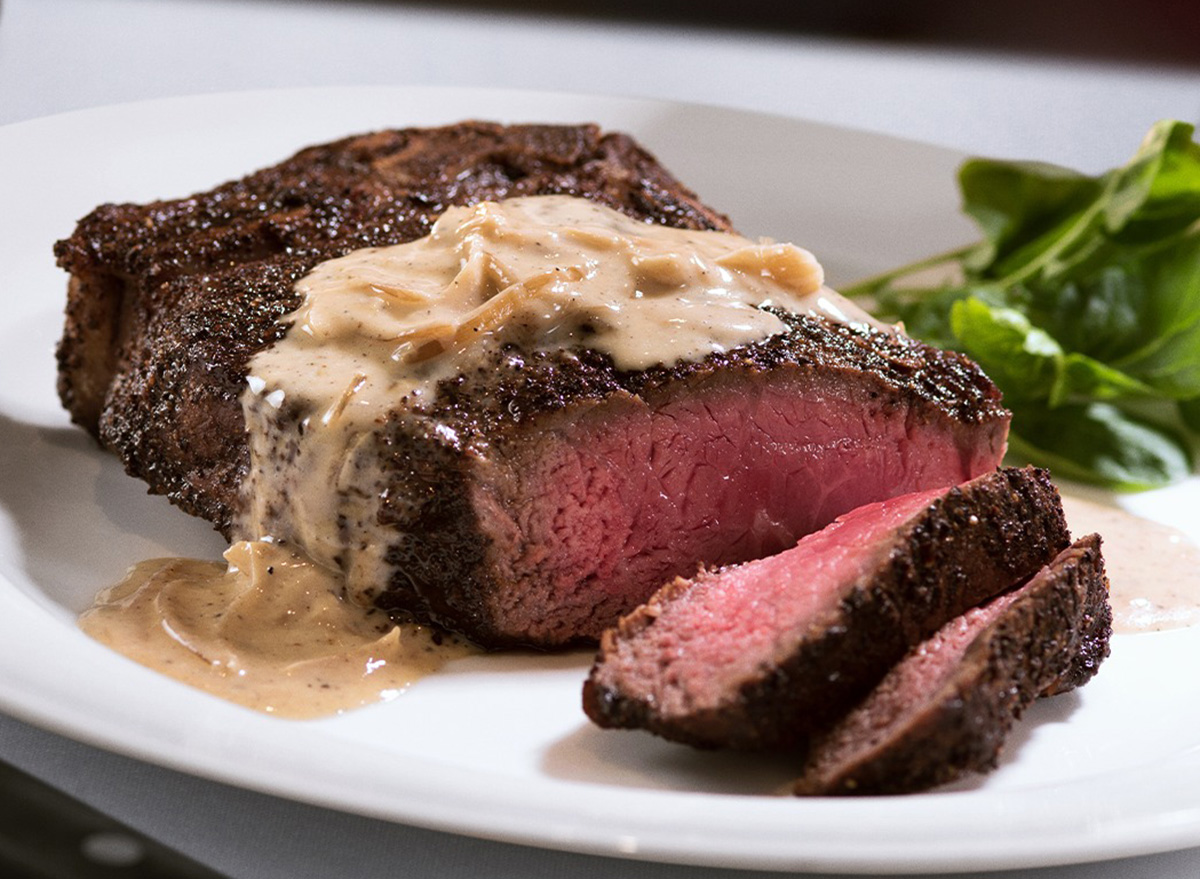
1. Texas Roadhouse: A Masterclass in Portion Consistency
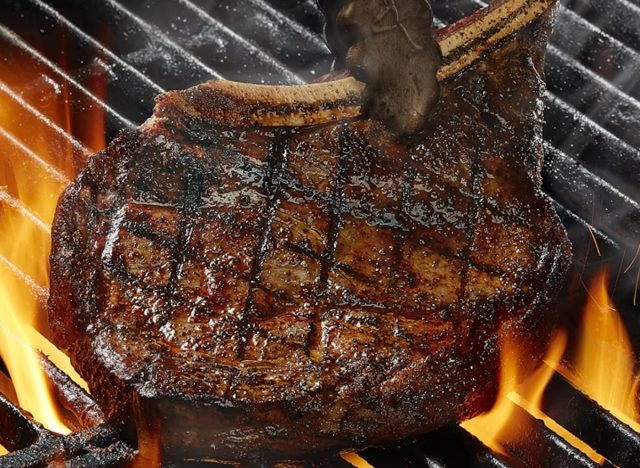
Texas Roadhouse remains a titan in the casual dining sector, primarily because it has refused to compromise on its core promise: large, high-quality steaks at accessible prices. While other chains have trimmed their cuts to offset costs, Texas Roadhouse has leaned into its "legendary value" branding.
The Consumer Verdict
The consensus among diners is that the management at the chain level is exceptionally high, which translates to a consistent experience across locations. "Our local Roadhouse is extremely well managed. It shows from the service to the food," notes one frequent patron on Reddit.
Why It Works
Beyond the steaks, the chain’s strategy of providing complimentary, high-quality fresh bread and peanuts creates a psychological and physical sense of abundance before the entree even arrives. By keeping the main course prices competitive while maintaining generous sizing, they have successfully navigated the 2026 dining crunch.
2. Culver’s: The Gold Standard for Fast-Casual Value
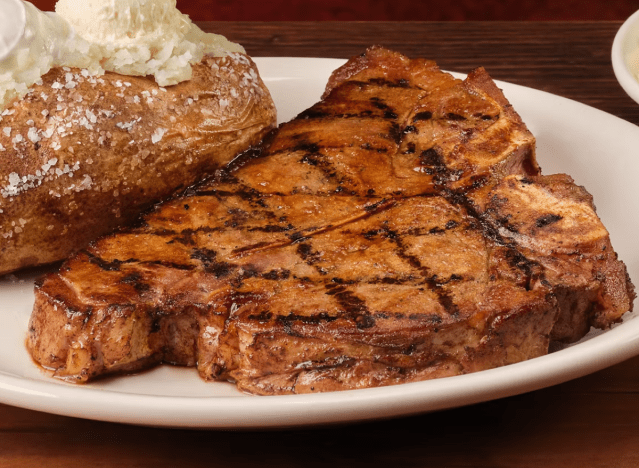
Culver’s has long held a cult-like following, but in 2026, it is being hailed as the premier choice for those seeking high-quality ingredients without the sit-down price tag. The chain’s "ButterBurger" has become a benchmark for value in the fast-food space.
Quality Over Convenience
Unlike many of its competitors, Culver’s maintains a commitment to fresh preparation. "Culver’s is probably the best all-around fast food there is. High-quality ingredients, consistent, always hot, and the restaurants are always clean," one customer explains.
Menu Versatility
The value isn’t limited to burgers. The inclusion of high-quality fish sandwiches and frozen custard options allows diners to craft a substantial meal for a fraction of what they might spend at a traditional casual-dining establishment. The "Double Deluxe" remains a recurring favorite among value-seekers who want a hearty, reliable meal.
3. Golden Corral: The Unlimited Buffet Advantage
In an era where portion sizes are increasingly restricted, the all-you-can-eat model offered by Golden Corral provides a distinct advantage for value-conscious families.
An Economic Hedge
For diners looking to maximize every dollar spent, the buffet format is the ultimate hedge against inflation. By offering a vast array of breakfast, lunch, and dinner options, the chain caters to diverse tastes while ensuring that no diner leaves hungry.
Reputation for Variety
"Golden Corral—all you can eat," is the simple, definitive answer one Redditor gives when asked for the best restaurant value. Beyond the sheer volume, TripAdvisor reviewers frequently highlight the "great food" and "delicious" options, suggesting that the brand has effectively balanced variety with the need to keep costs low for the end consumer.
4. Olive Garden: The "Take-Home" Strategy
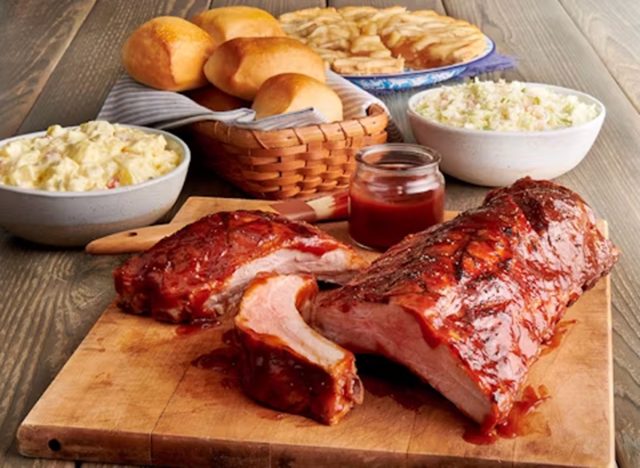
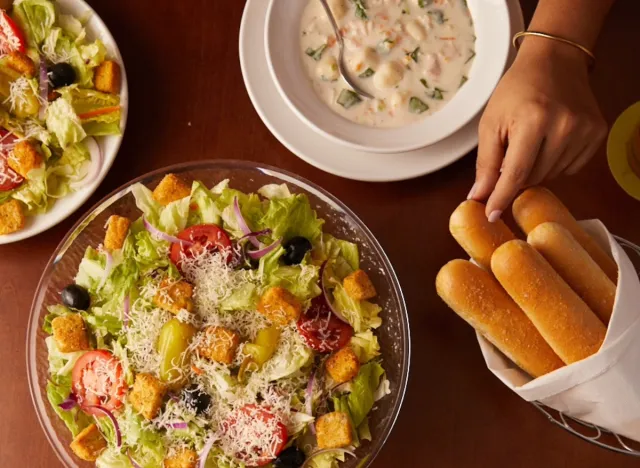
Olive Garden has mastered the art of the "double meal." By leaning into its famous unlimited salad, soup, and breadstick policy, the chain provides an experience that often results in leftovers, effectively lowering the cost-per-meal for the consumer.
Maximizing the Experience
Savvy diners have turned this into a strategic dining hack. "Go for a sit-down meal so that you can get the soup and salad. Then box up the entirety of your entree," suggests one frugal diner. This approach transforms a single dining experience into a two-day meal plan, significantly increasing the perceived and actual value of the ticket price.
Customer Loyalty
The combination of unlimited staples and a consistent entree menu keeps the brand relevant. For many, the ability to "load up" on breadsticks and soup while saving the main dish for lunch the next day makes Olive Garden one of the most practical dining choices in the current economy.
5. Longhorn Steakhouse: The "Bougie" Budget Option
Longhorn Steakhouse occupies a unique space: it is elevated enough to feel like a treat, yet priced aggressively enough to be considered a budget-friendly option for steak lovers.
The 6-Ounce Filet Benchmark
The chain’s 6-ounce filet, which includes two sides for under $25, is widely considered one of the best value propositions in the current restaurant market.
Consistent Performance
"I got the 20 oz outlaw ribeye at Longhorn and was shocked at the quality and how well it was prepared," says a recent reviewer. The ability to deliver a high-quality steak, a massive baked potato, and a fresh salad at a sub-$35 price point is a feat of logistics that keeps customers returning. The chain’s commitment to consistency—"My local Longhorn nails it every time"—is perhaps its most valuable asset in an unpredictable market.
6. The Capital Grille: Splurging with Purpose
While not a "budget" chain, The Capital Grille represents the "worth-the-splurge" category. When customers spend more, they demand perfection, and this chain is one of the few that consistently delivers on that promise.
The Value of Excellence
Even at higher price points, customers report feeling that their money was well-spent. The chain’s focus on top-tier steak sourcing, combined with sophisticated preparation, creates an experience that feels premium rather than overpriced.
The Generous Pour Initiative
Through August 30, 2026, the chain is hosting its "Generous Pour" wine-tasting dinner. This event exemplifies how high-end chains can offer value through curated experiences. For $125 per person, diners receive a multi-course meal paired with six premium Napa wines from the Duckhorn Portfolio. For those who understand wine, this provides an unparalleled value that justifies the higher initial cost.
Official Responses and Industry Implications
While these six chains are currently riding a wave of positive sentiment, the industry as a whole remains under pressure. Most major restaurant groups have responded to the "shrinkflation" outcry by launching new value menus or loyalty programs designed to capture the price-sensitive consumer.
However, the brands highlighted here have chosen a different path: maintaining the core product. By keeping portions large and quality high, they have effectively avoided the negative social media cycles that have plagued competitors who chose to cut corners.
Future Outlook
As we move further into 2026, the divide between "value" and "cheap" will continue to widen. Consumers are becoming increasingly adept at spotting when they are being shortchanged. The restaurants that survive this period will be those that view their customers as partners in the dining experience, rather than just transaction numbers.
The success of these six chains serves as a blueprint for the industry: in an unstable economy, the most profitable strategy is often the simplest one—providing a fair meal at a fair price, and ensuring that every guest walks away feeling satisfied. Whether it is the unlimited breadsticks at Olive Garden or the consistent filet at Longhorn, the winning formula is one of transparency, quality, and respect for the diner’s budget.
