

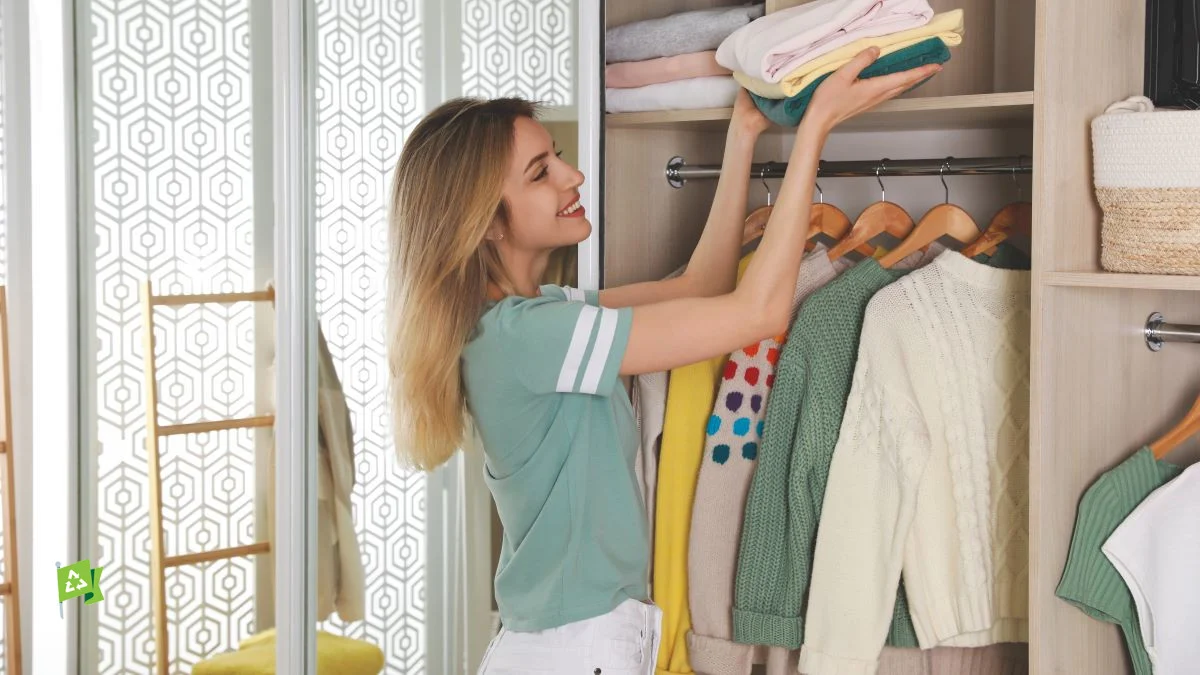
Open almost any closet, and a familiar, quiet imbalance reveals itself: a handful of favorite garments in constant rotation, surrounded by a crowded graveyard of rarely worn pieces. This phenomenon is a domestic manifestation of the Pareto Principle, or the 80/20 rule. In the context of fashion, roughly 20% of your clothing accounts for 80% of your daily wear.
This realization is the foundational premise of the "capsule wardrobe"—a minimalist, intentional approach to style that prioritizes versatility, quality, and environmental responsibility. By curating a small, interchangeable collection of pieces that serve your specific lifestyle, you are not merely simplifying your morning routine; you are taking a definitive stand against the ecological crisis fueled by overproduction.
The Global Fashion Footprint: A Crisis of Overconsumption
To understand the necessity of the capsule wardrobe, one must first confront the sobering reality of the textile industry. Every garment produced carries an invisible weight: the water required to grow cotton, the chemicals used in dyeing, the energy expended in manufacturing, and the carbon emissions generated by global shipping logistics.
According to data from the UN Environment Programme, the textile and fashion sector is responsible for between 2% and 8% of total global greenhouse gas emissions. While these estimates fluctuate based on measurement methodologies, the trajectory is undeniably upward. The Apparel Impact Institute recently reported a staggering 7.5% spike in industry emissions in 2023—the first significant annual increase since the organization began tracking the sector.
This surge is largely attributed to the "fast fashion" model, which incentivizes the rapid churn of inexpensive, trend-driven garments designed for obsolescence. When clothing is treated as a disposable commodity, the waste piles up at an industrial scale. The Environmental Protection Agency (EPA) estimates that Americans generate approximately 17 million tons of textile waste annually. Of that, a staggering 11.3 million tons end up in landfills, while less than 15% of all discarded textiles are successfully recycled.
The Philosophy of the Capsule Wardrobe
The capsule wardrobe is not a restrictive set of rules, but a liberating design philosophy. Originating from minimalist movements, it emphasizes the "fewer, better" mantra. By selecting versatile staples—high-quality trousers, timeless layering pieces, and durable footwear—you create a "plug-and-play" system where outfits are formed by mixing and matching rather than buying new, isolated items.
However, the modern internet-driven version of the capsule wardrobe often misses the mark. Influencers frequently promote rigid templates—insisting on items like structured blazers or specific silhouettes—that may be entirely impractical for a user’s climate, profession, or personal aesthetic. A truly sustainable capsule must be bespoke. It should be built around the clothes you already reach for, effectively curating a collection that reflects your lived experience rather than an aspirational aesthetic.
Building Your Capsule: A Step-by-Step Methodology
Transitioning to a capsule wardrobe requires a shift in mindset from consumerism to stewardship. The process is not about purging your closet to start over; it is about forensic analysis of your current habits.
1. The Audit (Chronology of Usage)
Before buying anything, spend 14 days tracking your daily outfits. Note which items you wear repeatedly and, more importantly, which ones you avoid. If a piece doesn’t fit, doesn’t suit your climate, or requires constant adjustment, it does not belong in your core rotation. This "closet audit" reveals the gaps in your wardrobe—the missing layer or the worn-out staple that, if replaced, would unlock the utility of the garments you already own.
2. Filling Gaps Responsibly
Once you have identified a genuine need, the default should never be to purchase "new." The secondhand market has transitioned from a niche hobby to a $393 billion global powerhouse. ThredUp’s 2026 Resale Report indicates that Gen Z and Millennials will drive over 70% of market growth through 2030, signaling a permanent cultural shift toward resale.
3. Navigating the "Green" Market
While buying secondhand is objectively better for the planet, consumers must remain vigilant. Many brands have launched "pre-loved" or "take-back" programs that, upon closer inspection, function more as return-stream clearinghouses than genuine circular economy initiatives. While keeping a returned item out of a landfill is positive, true circularity happens when a garment stays in use for years. Prioritize peer-to-peer marketplaces, vetted consignment platforms, and local thrift stores to ensure your purchases are extending the life of existing inventory.
Implications: The Impact of Circularity
The environmental implications of shifting to a capsule wardrobe are profound. When you prioritize repair, reuse, and high-quality acquisition, you reduce the demand for virgin materials and fossil-fuel-derived synthetics like polyester, which are a primary driver of the current emissions spike.
Brands like Patagonia and The North Face have pioneered the "repair-over-replace" movement, proving that corporate longevity programs can be both profitable and ethical. Beyond brand-led initiatives, the act of taking a favorite pair of boots to a local cobbler or learning basic darning skills is a radical act of sustainability. It shifts the power dynamic from the consumer-producer relationship back to the individual.
Official Perspectives and Industry Data
Industry analysts suggest that the rise of the capsule wardrobe is a direct consumer response to the failure of the "take-make-waste" model. As regulatory bodies in the EU and North America begin to investigate "greenwashing" in fashion—where companies make misleading claims about their sustainability—consumers are becoming more sophisticated.
The data supports this: when consumers invest in pieces designed for longevity, the "cost-per-wear" drops significantly. A $200 pair of boots worn for five years is significantly cheaper—and infinitely more sustainable—than five pairs of $40 boots that fail within a season.
Conclusion: A Stylish Investment
Building a capsule wardrobe is not about deprivation; it is about clarity. By eliminating the mental clutter of an overstuffed closet and the environmental guilt of overconsumption, you are making a "stylish investment" in both your personal identity and the planet’s future.
As we look toward the remainder of the decade, the goal is clear: keep clothes in use longer. Whether through repairing a beloved jacket, purchasing a high-quality item from a reputable resale site, or simply committing to wear what you already own, every decision counts. The most sustainable garment is not the one made from organic hemp or recycled ocean plastic; it is the one already hanging in your closet, waiting to be worn again.
Action Plan for the Conscious Consumer:
- The 30-Wear Rule: Before buying anything new, ask yourself: "Will I wear this at least 30 times?" If the answer is no, step away.
- Prioritize Natural Fibers: When new purchases are necessary, choose linen, wool, cotton, or hemp, which have lower environmental impacts and are easier to recycle at their end-of-life than blended synthetics.
- Adopt a Maintenance Schedule: Clean and store your seasonal clothes properly to prevent moth damage and fabric degradation.
- Master the Repair: Learn the basics of sewing or find a reliable local tailor. Treating a garment as an asset rather than a consumable is the ultimate hallmark of a sustainable wardrobe.
By embracing these practices, we move away from the frantic cycle of fast fashion and toward a future where our clothing reflects our values—durable, considered, and timeless.
