

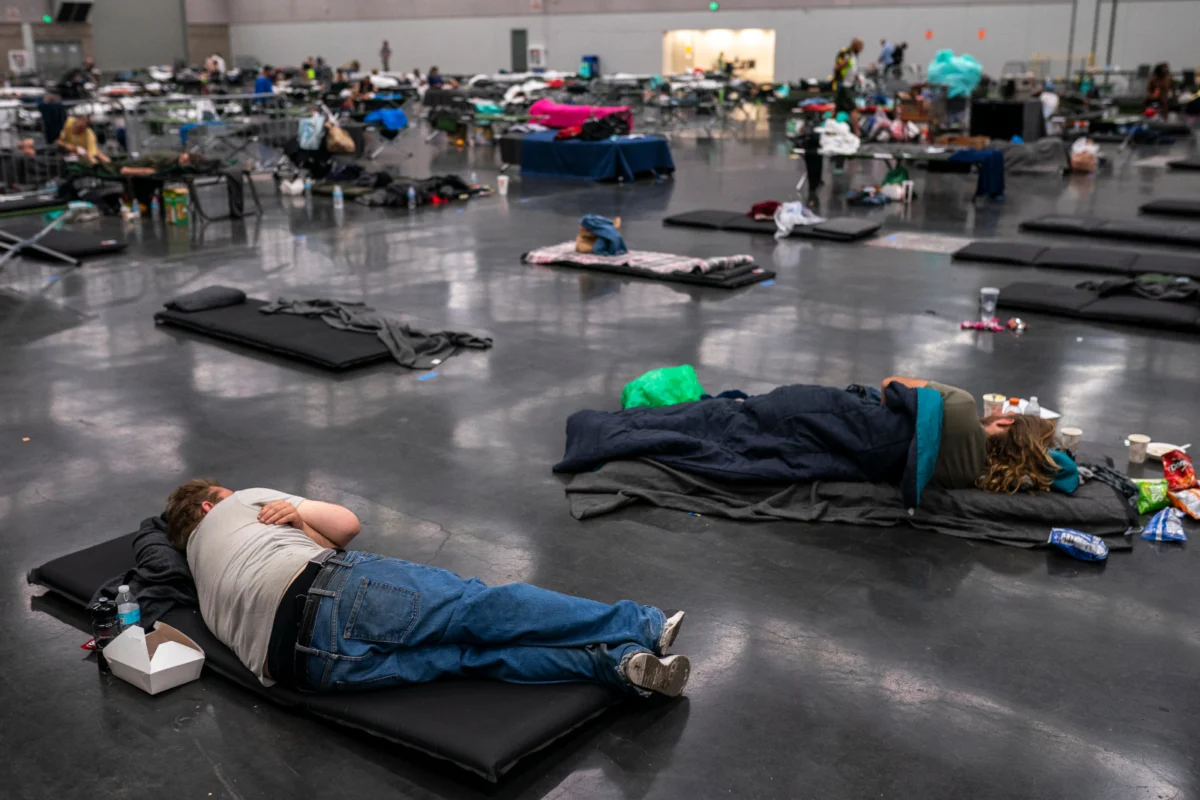
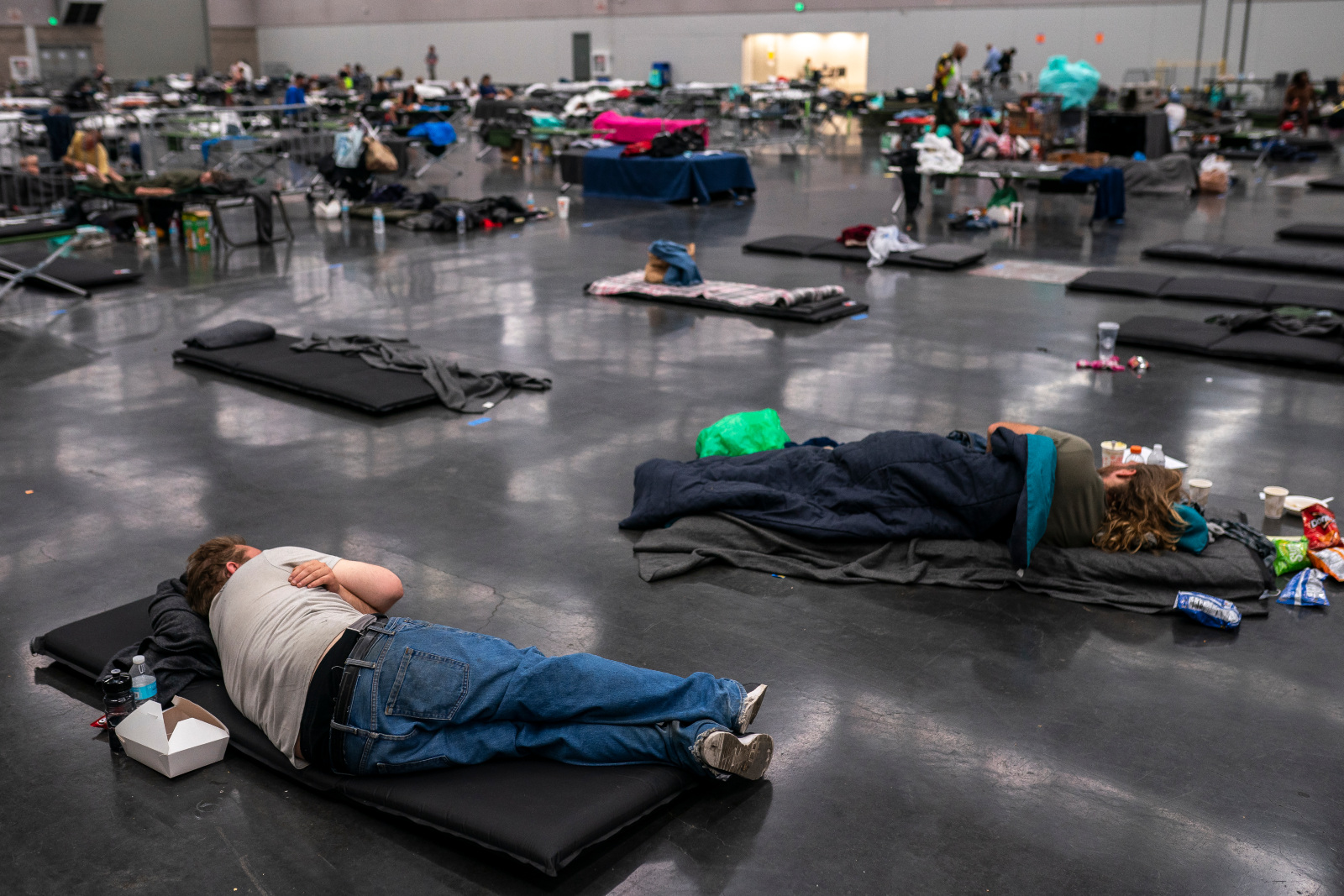
In the quiet corners of Washington state, a legal battle is unfolding that could fundamentally alter the landscape of corporate accountability in the 21st century. At the center of this storm is a wrongful death lawsuit filed by Misti Leon, whose mother perished during the catastrophic "heat dome" of June 2021. As temperatures in the Pacific Northwest soared to a record-breaking 108 degrees Fahrenheit, the life-sustaining infrastructure of the region buckled, leaving vulnerable residents to suffer in the stifling, unnatural heat.
Leon’s lawsuit against energy giants—including Exxon Mobil, BP, Chevron, and Shell—posits a sobering question: Can a corporation be held legally responsible for fueling the climate conditions that lead to individual fatalities? The case, which recently cleared a significant hurdle in a King County court, represents a novel and potentially existential threat to the fossil fuel industry.
The Human Cost: A Case Study in Climate Liability
The June 2021 heat wave was not merely a weather event; it was a human tragedy of immense proportions. During that single week of extreme temperatures, an estimated 1,200 people across the Pacific Northwest lost their lives. Scientific consensus, bolstered by attribution studies, suggests that such a heat dome would have been “virtually impossible” without the anthropogenic warming of the planet.
Misti Leon’s lawsuit alleges that these oil majors did not act in a vacuum. The complaint argues that the companies were aware of the catastrophic consequences of fossil fuel emissions as early as the 1970s—a claim supported by extensive historical evidence—yet chose to engage in long-term, coordinated campaigns to deceive the public and policy makers. By obfuscating the risks, Leon argues, these firms delayed the global transition to renewable energy, thereby directly contributing to the intensity of the extreme weather that caused her mother’s death.
A Chronology of Conflict: From Research to Retribution
The roots of the current legal climate stretch back decades, but the current wave of litigation is unprecedented in its scope and focus.
- 1970s–1980s: Internal research at companies like Exxon Mobil identifies the link between fossil fuel combustion and global warming.
- 1990s–2010s: The fossil fuel industry funds campaigns to sow doubt regarding climate science, mirroring strategies previously employed by the tobacco industry.
- 2015: Investigative journalism, most notably from Inside Climate News, brings internal documents to light, confirming that executives were briefed on the existential risks of their products decades prior.
- 2021: The Pacific Northwest heat dome claims over 1,200 lives, providing the catalyst for a new wave of "wrongful death" and "public nuisance" litigation.
- 2025–2026: A surge of climate litigation hits the courts, with judges in multiple jurisdictions allowing discovery phases to proceed, stripping away the veil of corporate secrecy.
Supporting Data: The Rise of Attribution Science
The strength of these lawsuits rests on the rapid maturation of "attribution science." This field allows researchers to quantify the extent to which climate change exacerbates specific extreme weather events. By comparing current climate models with historical data, scientists can now estimate how much more likely or intense a storm, flood, or heat wave is due to the cumulative carbon footprint of specific industrial activities.
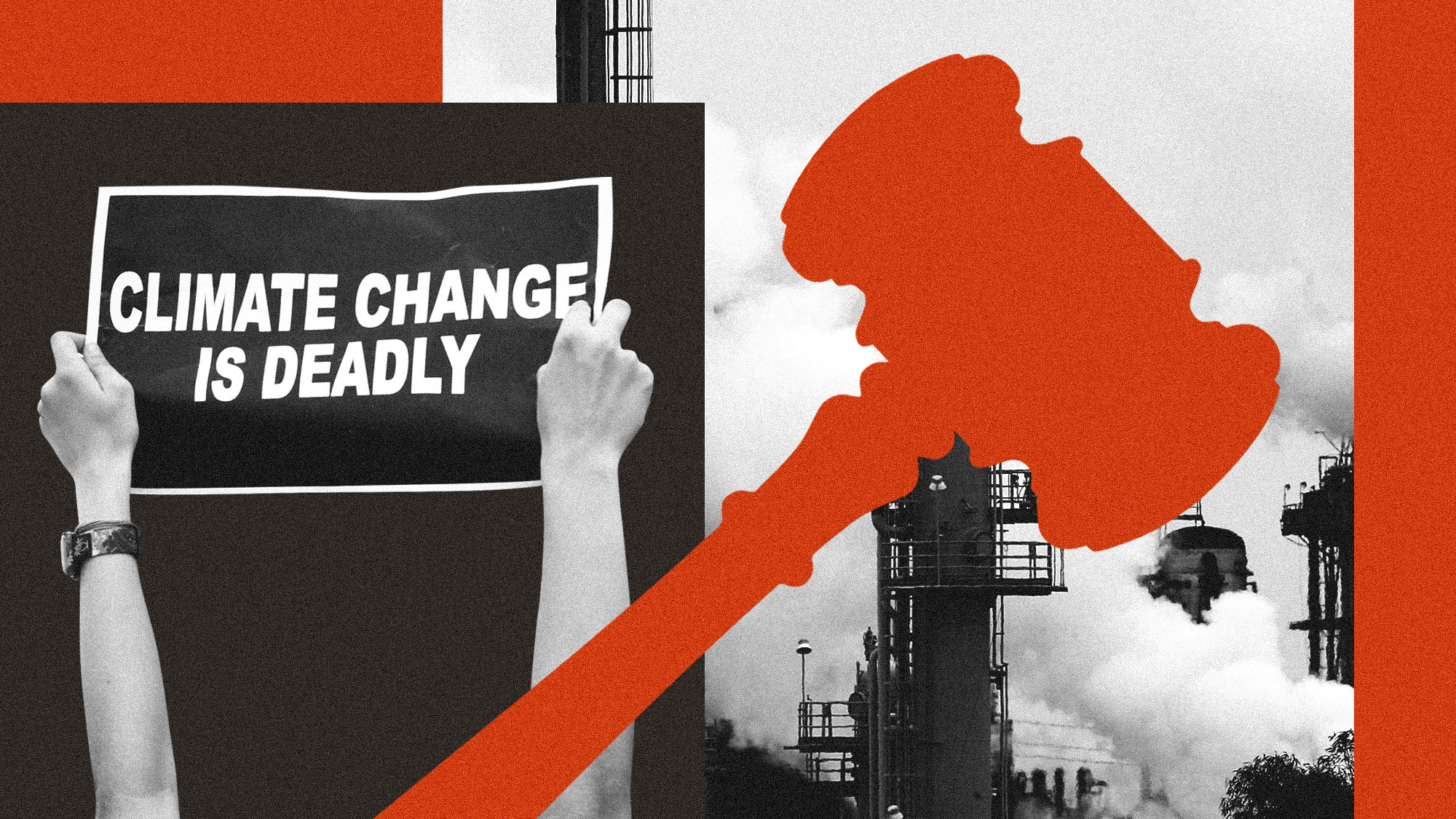
A recent report from the National Academies of Sciences, Engineering, and Medicine has further solidified these findings, noting that the link between greenhouse gas emissions and extreme heat is now exceptionally robust. This scientific backing has sent tremors through the offices of energy lobbyists. In an attempt to preempt the use of this data in court, industry-aligned groups have launched aggressive campaigns to discredit the process, questioning the impartiality of the scientists involved and demanding access to internal communications.
The Industry’s Counterattack: A Coordinated Defensive Strategy
The fossil fuel industry is not waiting for a verdict to act. They have mobilized a multi-front counterattack, utilizing lobbying, legislative maneuvering, and federal intervention to halt the tide of litigation.
Legislative Shields
Across the country, Republican-led legislatures in states such as Utah, Iowa, Tennessee, Oklahoma, and Louisiana have passed "liability shield" laws. These measures are designed to grant fossil fuel companies immunity from lawsuits related to greenhouse gas emissions. Furthermore, these laws often redefine the concept of "public nuisance," effectively barring municipalities and individuals from seeking damages for climate-related harm.
Investigations by organizations like ProPublica have highlighted the role of groups like the American Legislative Exchange Council (ALEC) in drafting these model bills. The objective is clear: to create a legal fortress that protects oil majors from the rising costs of climate-related litigation.
Federal Intervention
The industry has also found a powerful ally in the federal government. Following an executive order from President Donald Trump prioritizing the protection of "American energy dominance," the Department of Justice has taken an active role in obstructing state-led climate lawsuits. In a move that observers call unprecedented, the DOJ filed its own lawsuit against Minnesota, effectively attempting to supersede the state’s efforts by arguing that climate regulation is a matter of federal, not state, jurisdiction. The renaming of the DOJ’s "Environment and Natural Resources Division" to the "Energy and Natural Resources Division" is widely seen as a symbolic realignment of federal priorities.
Official Responses and Corporate Strategy
The fossil fuel industry’s posture is one of calculated defiance. Executives, such as Exxon counsel Justin Anderson, have framed the litigation as a relentless war of attrition. "I have to win every time," Anderson noted during a Federalist Society panel. "They just need to find one they can get through."
This admission highlights the industry’s fear: the "Big Tobacco" scenario. Just as tobacco companies were eventually forced to pay hundreds of billions of dollars for misleading the public about the health risks of cigarettes, oil companies fear that a single successful court ruling could set a legal precedent that opens the floodgates for mass tort litigation.
For proponents of climate accountability, the goal is not just financial compensation, but the exposure of the industry’s historical conduct. Mike Meno, communications director at the Center for Climate Integrity, argues that the industry’s panic is telling. "If these companies have done nothing wrong and they think the law is on their side, why are they lobbying Congress for immunity?" he asks.
The Implications for Future Justice
The outcome of the pending lawsuits—including the high-stakes battle involving the city of Boulder, Colorado, which is expected to reach the Supreme Court—will define the legal status of climate change for a generation.
If the courts decide that companies can be held liable for the impacts of their products on the climate, the financial implications would be staggering. Yet, the social implications may be even more profound. These cases represent a shift from viewing climate change as an abstract global problem to a tangible, localized injury. By grounding the climate crisis in the wrongful death of an individual, the legal system is forcing a direct confrontation between the profits of the past and the survival of the future.
As the discovery phase proceeds in cases across Massachusetts, Vermont, Connecticut, and the District of Columbia, the public may soon see internal documents that detail the precise calculations made by oil executives in the face of warming data. Whether these documents will result in a landmark victory for plaintiffs or a successful legislative neutralization by the industry remains to be seen.
For Misti Leon and the families of the 1,200 victims of the 2021 heat dome, the legal process is more than a strategy—it is a quest for acknowledgment. In the balance, the case asks whether the law can evolve as quickly as the climate, or if the structures of power will remain insulated from the environmental reality they helped create. As the legal wrangling intensifies, one thing is certain: the era of corporate climate impunity is being challenged, and the courtroom has become the primary arena where the future of the planet is being argued.
