


By Investigative Desk
July 21, 2026
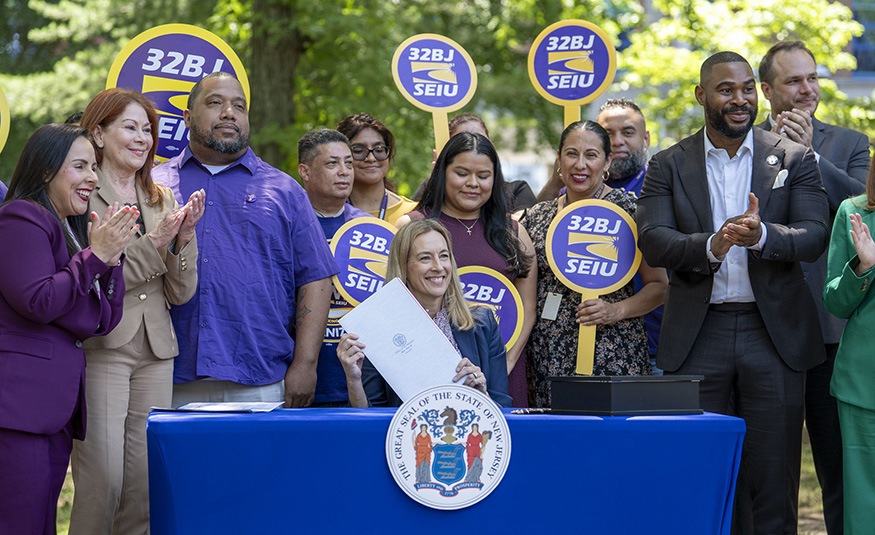
NEWARK, N.J. — In a decisive move to address the state’s escalating housing affordability crisis, Governor Mikie Sherrill signed the "Forbidding the Algorithmic Inflation of Rent Act" (FAIR Act) into law on July 20, 2026. The ceremony, held at Military Park in Newark, marks a significant shift in how New Jersey will regulate the intersection of technology and real estate, positioning the state as a leader in the growing national movement to curb the influence of rent-setting software on consumer costs.
The FAIR Act—comprising Assembly Bill 3497 and Senate Bill 451—officially prohibits landlords from utilizing automated, algorithm-driven pricing systems to coordinate rental prices or manipulate occupancy levels. By banning these tools, which critics argue function as a form of "digital collusion," New Jersey becomes the fourth state in the nation to explicitly regulate how data-sharing platforms can influence residential rent structures.
The Core Mandate: Ending Algorithmic Collusion
The fundamental principle behind the FAIR Act is the restoration of true market competition. Historically, rental pricing was determined by individual property managers assessing their specific building’s amenities, location, and local demand. However, in recent years, the rise of sophisticated software platforms has allowed property management firms to aggregate sensitive, real-time data from competitors.
By feeding this data into centralized algorithms, landlords have been able to align their pricing strategies. Instead of competing on price to attract tenants, these entities can rely on "price-setting software" to collectively maintain higher rent levels. Supporters of the legislation, including Attorney General Jennifer Davenport, emphasize that this practice creates an artificial floor for rents, effectively shielding landlords from the natural downward pressure of competition.
Under the new law, any landlord or property management entity found using these algorithmic systems to coordinate pricing or artificially restrict supply to drive up costs will face strict regulatory scrutiny and potential legal penalties. The act mandates transparency and ensures that pricing decisions remain a function of independent market forces rather than centralized, opaque software architectures.
A Chronology of the Legislative Battle
The path to the FAIR Act’s enactment was characterized by rapid mobilization from housing advocates and a concentrated effort by the Sherrill administration to address cost-of-living concerns.
- Early 2026: Reports from housing watchdog groups highlight a concerning trend in New Jersey’s urban centers, where rents were rising at rates disconnected from local wage growth. Investigations began to focus on the prevalence of "yield management" software in large apartment complexes.
- March 2026: Assemblywoman Yvonne Lopez (D-19th District) introduces A3497, citing the need for consumer protection against "predatory tech-enabled pricing."
- April 2026: Senate Majority Leader Teresa Ruiz (D-29th District) introduces S451, garnering bipartisan support as the scope of the housing crisis becomes a primary focus of the legislative session.
- May 2026: Public hearings are held in Trenton. During these sessions, representatives from the Attorney General’s office present evidence suggesting that algorithmic pricing may violate existing antitrust principles, though existing laws were deemed insufficient to address the specific nuances of digital platforms.
- June 2026: The legislature passes the FAIR Act with broad support, signaling a unified front against corporate practices that exacerbate the state’s affordability issues.
- July 20, 2026: Governor Sherrill signs the bill into law at Military Park, declaring that the era of unchecked algorithmic rent manipulation in New Jersey has concluded.
Supporting Data: Why the Move Was Necessary
The economic data behind the FAIR Act is compelling. Analysis from the Governor’s office indicates that, in certain high-density corridors, residents have been paying hundreds of dollars more per year than would be expected in a perfectly competitive market.
The "digital premium"—or the markup applied by algorithms—has become a focal point for economists studying the housing sector. When landlords pool their data, they can identify the maximum price a renter is willing to pay based on historical market trends and the current supply of competing units. If the algorithm determines that occupancy can be maintained at a higher price point by limiting concessions or hiking base rents, it recommends those changes across an entire portfolio.
For the average New Jersey family, this translates into a compounding financial burden. With food, fuel, and childcare costs already straining household budgets, the added pressure of rent inflation has contributed to increased housing insecurity and displacement. By dismantling the technical infrastructure that enables this behavior, the state aims to bring rents back in line with the actual purchasing power of its residents.
Official Responses and Political Implications
The signing of the FAIR Act has been met with widespread approval from labor unions, tenant advocacy groups, and government officials.
Governor Sherrill framed the legislation as a vital component of her "whole-of-government" approach to affordability. "Landlords, who should be competing to provide the best price to renters, are instead colluding to drive prices up through so-called ‘algorithmic pricing,’" Sherrill stated during the press conference. "That stops now."

Attorney General Jennifer Davenport highlighted the legal necessity of the act, noting that her office is already engaged in litigation against several tech companies and landlords regarding these practices. "Today’s legislation provides a much-needed systemic solution for the problem," Davenport said. "It grants renters important protections that will expand housing opportunity in our state."
Legislative leaders emphasized the human cost of the issue. Assemblywoman Yvonne Lopez remarked, "We cannot let New Jersey families fall prey to predatory practices—intentional or otherwise—enabled by technology. This bill is a vital tool in stopping corporations from using big data to hike up housing and rental costs."
Senate Majority Leader Teresa Ruiz echoed these sentiments, noting that the act is a crucial step toward "leveling the playing field" for those struggling to keep up with the rising cost of living.
Implications for the Real Estate Market
The long-term impact of the FAIR Act on the New Jersey real estate market remains a subject of intense discussion.
1. Market Transparency
Industry experts suggest that while landlords may initially resist the ban, the long-term effect will be a more transparent market. Property managers will be required to justify their pricing based on traditional factors, such as property maintenance, local infrastructure improvements, and actual vacancy rates, rather than aggregated competitive data.
2. Legal Precedent
By becoming the fourth state to enact such legislation, New Jersey is helping to establish a national precedent. If more states follow suit, it could force tech firms that develop these algorithms to fundamentally alter their business models or risk losing access to large segments of the U.S. market.

3. Tenant Empowerment
Perhaps the most significant implication is the empowerment of the renter. The FAIR Act includes provisions that allow for clearer avenues for reporting suspected violations. With the support of the Attorney General’s Office and organizations like 32BJ SEIU and New Jersey Citizen Action, tenants are now better positioned to challenge unlawful price hikes.
"This law puts renters first, increases transparency, and takes an important step toward ensuring that corporate landlords can’t use technology to rig the market," said Dena Mottola Jaborska, Executive Director of New Jersey Citizen Action.
Building a Broader Affordability Agenda
The FAIR Act does not exist in a vacuum. It is a key pillar of a wider strategy being pursued by the Sherrill administration to stabilize the housing market. Other ongoing initiatives include:
- Incentivizing Development: Expanding tax credits for the construction of affordable, multi-family housing units to address supply shortages.
- Tenant Protections: Strengthening existing eviction prevention programs and legal aid for low-income renters.
- Infrastructure Investment: Improving transit-oriented development, which lowers the overall cost of living for families by reducing reliance on personal vehicles.
- Budgetary Support: Direct investments in housing funds to support local municipalities in their efforts to meet affordable housing mandates.
As the state moves forward, the success of the FAIR Act will be measured not only by its ability to prevent price-fixing but by its efficacy in helping families remain in their communities. The message from Newark is clear: the digital age should serve to simplify and lower costs for consumers, not provide new tools for the exploitation of the housing market. For now, New Jersey’s renters have a new, powerful legal framework on their side, marking a turning point in the state’s ongoing battle against the cost-of-living crisis.
