

By Matthew Sedacca
Updated August 13, 2026
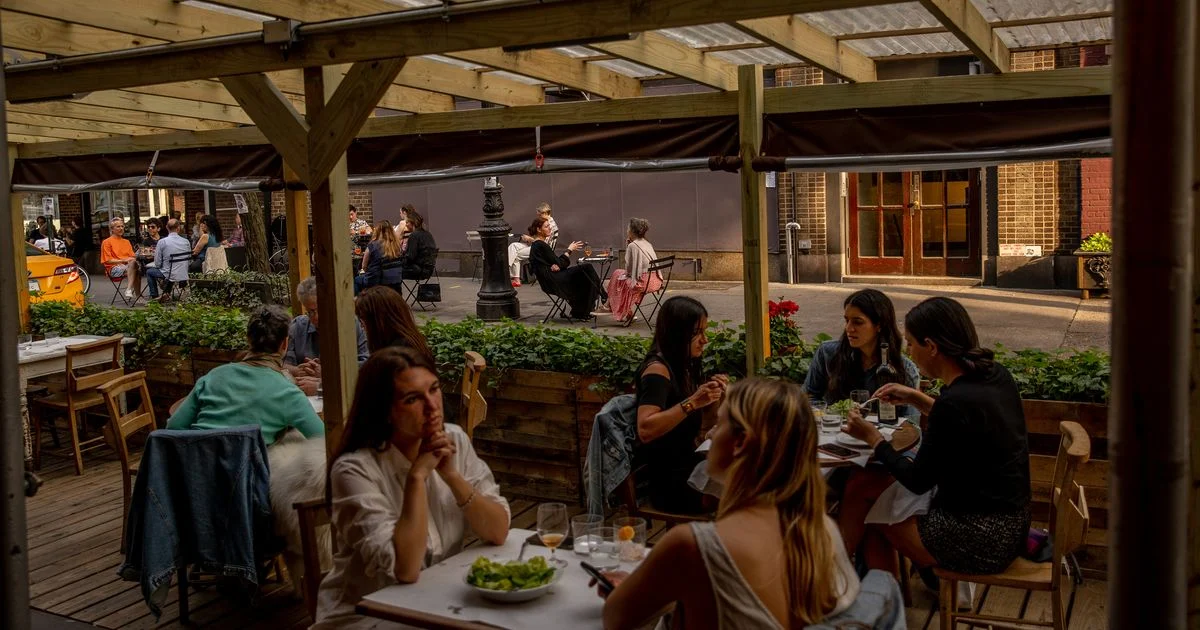
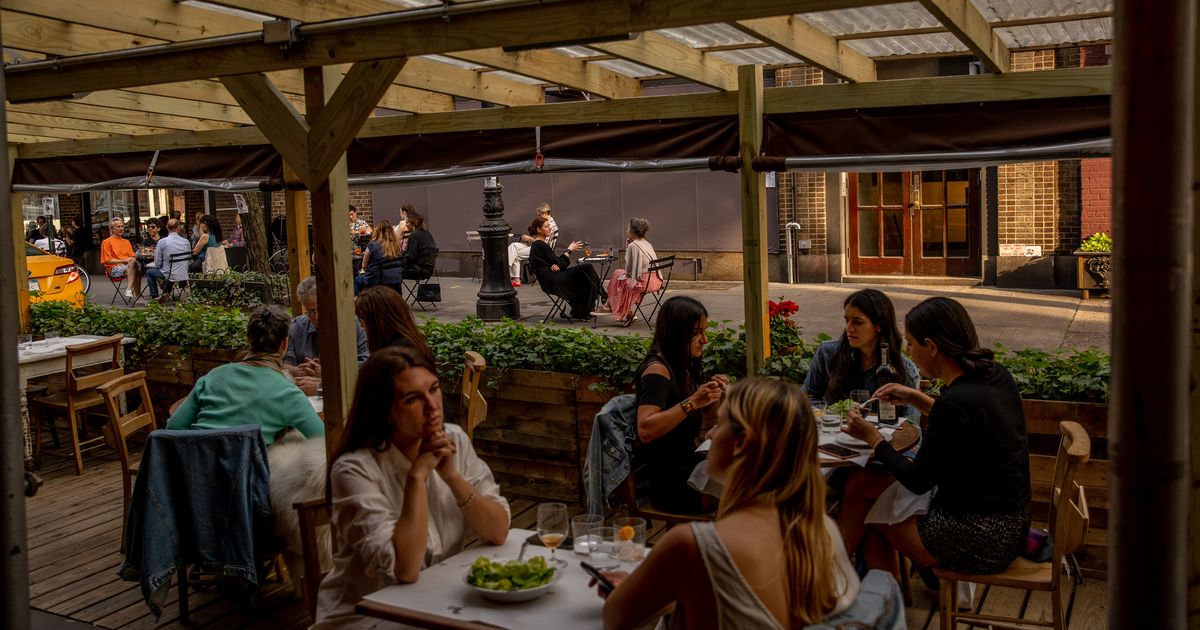
The familiar sight of timber-framed sheds and cozy, street-side dining enclaves is set to become a permanent fixture of the New York City landscape once again. In a landmark legislative move today, the City Council voted to lift seasonal restrictions on curbside dining, effectively ending the “dismantle-by-November” mandate that had frustrated restaurateurs and defined the post-pandemic era of New York dining.
For many, the return of year-round sheds is a victory for small businesses; for others, it represents a permanent evolution of the “sidewalk ballet” that has characterized the city’s streets since 2020. As the city prepares for the transition, the debate over urban space, aesthetic standards, and the economic lifeblood of the restaurant industry has entered a new chapter.
The Evolution of the Streetery: A Chronology
To understand the significance of today’s vote, one must look back at the chaotic, rapid-fire rollout of the Open Restaurants program.
- June 2020: In the depths of the COVID-19 pandemic, Mayor Bill de Blasio launched the Open Restaurants program as an emergency lifeline. It allowed thousands of eateries to expand into parking lanes, keeping the city’s hospitality sector on life support during indoor dining closures.
- 2021–2022: As the city moved toward recovery, the “streeteries” became a permanent fixture. However, the temporary nature of the structures—many built of plywood and plastic—drew criticism regarding sanitation, safety, and the loss of precious parking spots.
- 2023–2024: The administration of Mayor Eric Adams sought to formalize the program. A new, more restrictive set of rules was implemented, mandating that outdoor structures be removed or heavily modified during the winter months (November through April).
- 2025: The bureaucratic strain became evident. A massive backlog in the Department of Transportation (DOT) permit process left thousands of restaurateurs in legal limbo, with many opting to abandon their outdoor setups entirely due to the prohibitive costs of seasonal assembly and disassembly.
- August 2026: Following sustained pressure from industry advocates and a shift in political consensus under the current administration, the City Council passes legislation to permanently lift the seasonal ban, allowing for year-round, weatherproofed outdoor dining structures.
Economic Realities and the Cost of Compliance
The primary driver behind this legislative pivot is economic necessity. At the height of the pandemic-era program, an estimated 12,500 restaurants operated outdoor dining sheds. Today, that number has plummeted by more than 75 percent.
Lincoln Restler, the sponsor of the new bill, summarized the sentiment of the City Council during his remarks to the press: “The No. 1 reason that restaurants no longer provide outdoor dining is because it is stupidly expensive to build, deconstruct, and store outdoor dining structures.”
For a small business owner in a city where commercial rents are notoriously high, those few extra tables—even on a cold Tuesday in February—can be the difference between breaking even and shuttering. The “seasonal dance” of removing structures every November and rebuilding them in April was not merely a logistical headache; it was a financial drain that many neighborhood establishments could no longer sustain.
Furthermore, the bureaucratic burden imposed by the DOT has been a point of contention. Reports from this past spring indicated that nearly 1,000 permits were trapped in a “bureaucratic abyss,” leaving business owners waiting months for the green light to operate. The new legislation aims to rectify this by streamlining the permit process, a move championed earlier this year by Mayor Zohran Mamdani.
Setting New Standards: Beyond the Plywood Shack
While the return of year-round dining is a boon for restaurateurs, the city is not returning to the “wild west” days of 2020. The legislation includes strict mandates regarding the quality and maintenance of these structures.
The days of “shabbier and rattier” sheds—which became a flashpoint for critics complaining about rats and blight—are officially numbered. The new ordinance requires that any permanent outdoor structure be properly weatherproofed and winterized. Moreover, owners are now subject to stricter cleanliness protocols. The goal is to move away from the emergency-grade plywood boxes toward structures that are structurally sound, aesthetically integrated into the streetscape, and rigorously maintained to avoid becoming magnets for debris.
This transition acknowledges that while New Yorkers love their outdoor dining, they also demand a level of civic hygiene that was often absent in the initial, rapid-response phase of the program.
Official Responses and Political Implications
The legislative victory is being viewed as a significant reconciliation between the city’s hospitality needs and the quality-of-life concerns voiced by residents.
Mayor Mamdani’s support for the bill signals a departure from the more rigid, enforcement-heavy approach of the previous administration. By favoring a streamlined permitting process and clearer design standards, the city is betting that it can foster a culture of outdoor dining that is both profitable for businesses and acceptable to the neighborhoods they inhabit.
Opposition to the bill has historically come from groups concerned about the loss of parking and the privatization of public space. However, as urban planners increasingly advocate for “people-first” streets, the political tide has shifted. Many council members now argue that the economic vitality generated by a thriving restaurant scene outweighs the value of the limited parking spots replaced by these sheds.

Implications for the Future of New York
As we look toward the autumn, the implications of this policy shift are clear: New York is cementing its status as a city that eats outside.
The Social Impact
The “sidewalk ballet” that Jane Jacobs famously wrote about is being updated for the 21st century. The return of the streetery ensures that restaurants remain active participants in the life of the sidewalk. It encourages pedestrian traffic, promotes a sense of safety through “eyes on the street,” and keeps neighborhood corridors vibrant even as the temperature drops.
The Operational Shift
For restaurateurs, the stability of year-round permits allows for long-term investment. Rather than renting storage for seasonal equipment, owners can now invest in high-quality heating, better lighting, and more durable materials. We should expect to see a “professionalization” of the outdoor dining shed—less like a makeshift lean-to and more like an extension of the interior dining room.
The Weather Factor
We are currently in the final weeks of the Aperol spritz era, but the city is already preparing for the “pasta-under-a-heater” season. The return of year-round dining means that the transition will be seamless. New Yorkers will not have to say goodbye to their favorite outdoor haunts this November; instead, they will be able to enjoy the transition from crisp autumn evenings to the cozy, enclosed, and heated environments that have become a hallmark of the winter dining experience in New York.
Ultimately, this legislation is an acknowledgment of a fundamental truth about New York City: it is a place that refuses to stay indoors. Whether it is a brisk morning coffee in a protected enclosure or a candlelit dinner on a snowy evening, the city’s streets have been reclaimed for its people. The return of year-round outdoor dining is more than just a policy change—it is a statement about the resilience and the enduring, open-air spirit of the city.
Bundle up, New York. The sheds are here to stay.
