

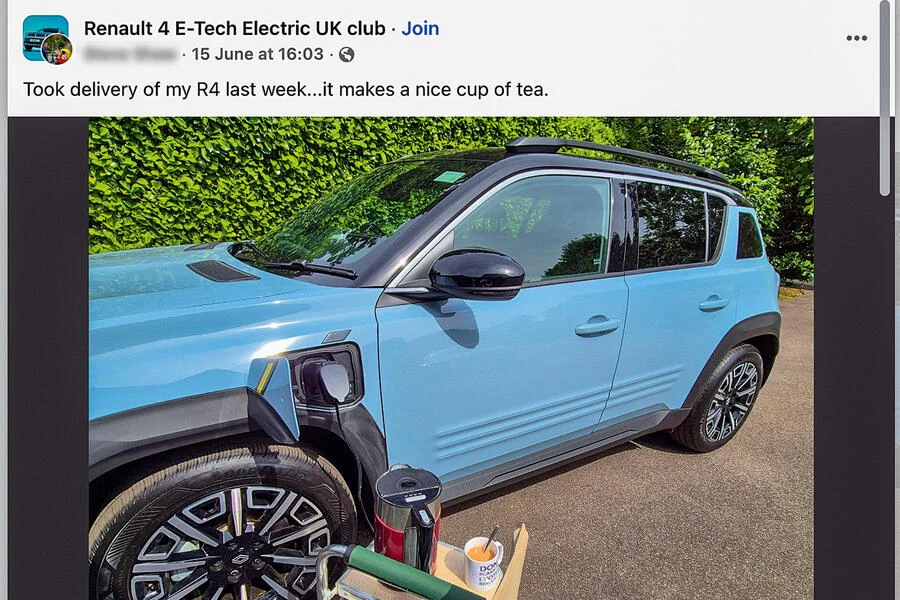
In an era defined by aggressive SUV styling, hyper-digital interfaces, and the clinical efficiency of modern transport, the revival of the Renault 4 stands as a delightful anomaly. It is more than just a car; it is a cultural touchstone that has successfully navigated the difficult transition from utilitarian workhorse to modern lifestyle icon. For those behind the wheel, the experience transcends mere commuting—it invites one into a global, unspoken fraternity of enthusiasts defined by a single, simple gesture: the wave.
The Cultural Phenomenon: Why We Wave
There is a peculiar phenomenon that occurs when two Renault 4 drivers cross paths on a winding country road or in the gridlock of a bustling city center. It is an immediate, infectious reaction—a wave, a flash of the lights, or a genuine thumbs-up.
In the modern automotive landscape, this level of camaraderie is vanishingly rare. While owners of the Jeep Wrangler or the classic Mini Cooper have long held onto the tradition of acknowledging their peers, the Renault 4 occupies a unique niche. It is a vehicle that radiates unadulterated joy. Its design, which marries the practical heritage of its mid-century predecessor with the clean, efficient lines of modern EV architecture, strikes a chord that few other crossovers can reach. It is a "value" vehicle in the truest sense—not because it is cheap, but because it provides an emotional return on investment that far outweighs its price tag.
A Chronological Journey: From Utility to Rebirth
To understand why the new Renault 4 commands such affection, one must look at the trajectory of the marque.
The Origin Story (1961–1994)
The original Renault 4, launched in 1961, was designed as a "blue-jeans car." It was meant to be functional, accessible, and durable. Over its 33-year production run, it became a global symbol of mobility, selling over eight million units. It was the car of the French countryside, the diplomat in Africa, and the student in Paris. It defined an era of European optimism.
The Hiatus and the Revival (2020–2024)
As the automotive industry pivoted toward electrification, Renault faced a dilemma: how to preserve the spirit of its most iconic models while meeting the stringent environmental demands of the 21st century. The strategy was bold. Following the success of the Renault 5 E-Tech, the company turned its attention to the "4."
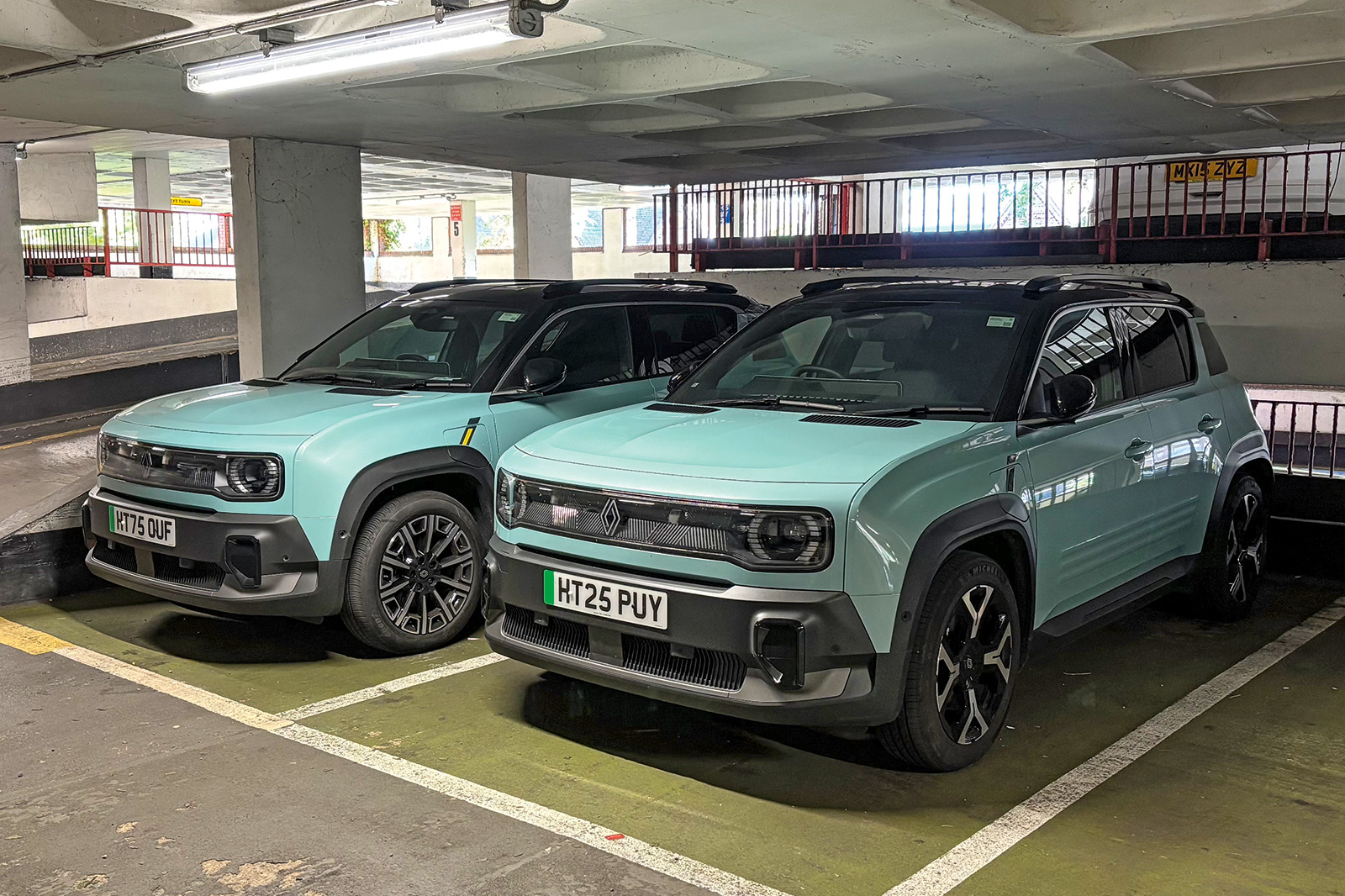
By 2022, the Renault 4Ever Trophy concept teased the world with a rugged, adventurous aesthetic. The production model, unveiled recently, captured the essence of the original—the vertical rear lights, the pill-shaped grille, and the signature "smile" of its front fascia—while integrating a sophisticated battery-electric powertrain that has modernized the experience for a new generation.
Supporting Data: Why the 4 Stands Out
The appeal of the Renault 4 is not merely anecdotal; it is backed by a shift in consumer sentiment. As urban environments become more congested and fuel prices fluctuate, the market has seen a resurgence in demand for "right-sized" vehicles.
- Efficiency Metrics: The new R4 leverages the AmpR Small platform, shared with the R5. This allows for exceptional interior packaging, offering crossover-like visibility and cargo space within a footprint that remains easy to park in urban centers.
- Ownership Demographics: Market data suggests that the R4 is attracting a dual-segment audience. The first consists of legacy owners who hold nostalgia for the original model. The second, and perhaps more significant group, are younger, design-conscious urbanites who are moving away from the "tank-like" aesthetics of traditional SUVs in favor of vehicles that signal personality and approachability.
- The "Smile" Factor: Psychological studies on vehicle design often point to "pareidolia"—the human tendency to see faces in objects. The Renault 4’s front-end geometry is explicitly designed to trigger a positive emotional response, a design choice that is proving to be a masterstroke in differentiating the brand in a crowded showroom.
Official Perspectives: The Engineering Philosophy
Speaking on the design language of the new R4, Renault’s design leads have consistently emphasized that the goal was not to create a "retro" car, but to create a "relevant" car.
"The challenge was to capture the ‘friendly’ nature of the 1961 original without falling into the trap of pastiche," a spokesperson noted during the recent press launch. "We wanted to ensure that when a driver sits in the cockpit, they feel a sense of lightness and freedom. The Renault 4 isn’t about raw horsepower or Nürburgring lap times; it is about the quality of the journey. If the car makes the driver—and the pedestrian watching it go by—smile, then we have succeeded in our primary objective."
Renault’s commitment to the R4 is also a testament to their broader "Renaulution" strategy. By leaning into their heritage, the brand has managed to build an emotional moat around its products that competitors like Tesla or BYD, with their more sterile, tech-heavy approaches, often struggle to emulate.
The Implications of a "Cheery" Crossover
The success of the Renault 4 sends a clear message to the automotive industry: the era of the aggressive, status-signaling SUV may be reaching a plateau.
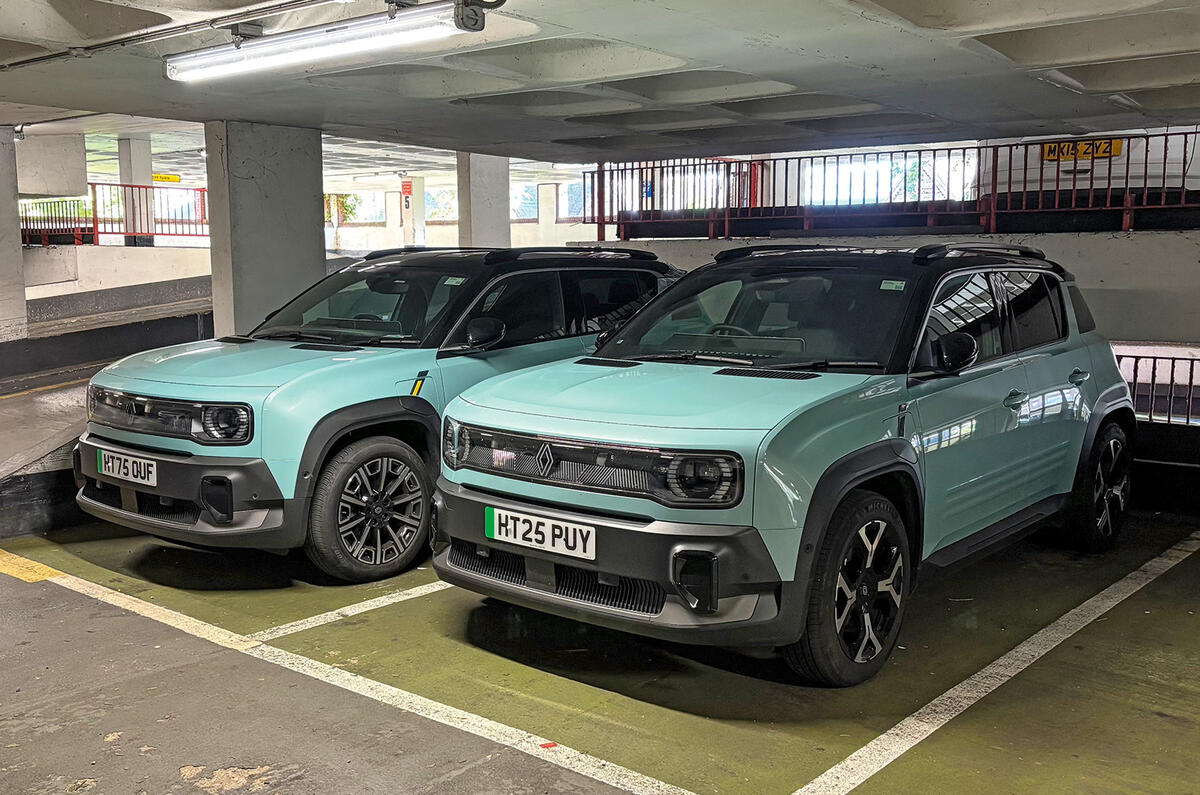
1. The Humanization of Technology
As cars become more autonomous and reliant on software, the "personality" of the vehicle becomes the final frontier of differentiation. The Renault 4 proves that technology does not have to be cold. By integrating advanced connectivity and safety features into a package that feels inherently human and accessible, Renault has set a benchmark for how legacy brands can successfully pivot to electric.
2. A Return to Community
Perhaps the most profound implication of the Renault 4 phenomenon is the restoration of community among drivers. In a world where digital silos have made us more isolated, the act of waving at a stranger in an identical car is a radical, beautiful defiance. It acknowledges a shared set of values—an appreciation for design, a rejection of pretension, and a commitment to enjoying the road.
3. Sustainability through Desirability
For years, the electric vehicle transition was marketed through the lens of "sacrifice." Consumers were told they must accept lower range, higher prices, or bland styling to be "green." The Renault 4 flips this narrative. It makes the sustainable choice the most desirable choice. It is a vehicle that owners want to drive, preserve, and show off, which is the most effective form of sustainability: building products that last not just in engineering, but in the hearts of their owners.
Conclusion: Driving the Future with a Wave
As I spend more time behind the wheel of my Renault 4, I find that the car dictates the pace of my day. It is hard to be road-raged when you are driving a vehicle that looks like it is perpetually happy to be moving. The wave is not just a greeting; it is an acknowledgement of a shared secret: that we have found a car that refuses to take itself too seriously.
In the final assessment, the Renault 4 is a triumph of design and human-centric engineering. It has reminded us that the automobile can still be a source of genuine, simple pleasure. It invites us to stop, look at the road, and appreciate the company of others. Whether you are a long-time enthusiast or a newcomer to the fold, the invitation is open. Just remember: when you see one, smile and wave. You are part of the happiest club on the road now.
