

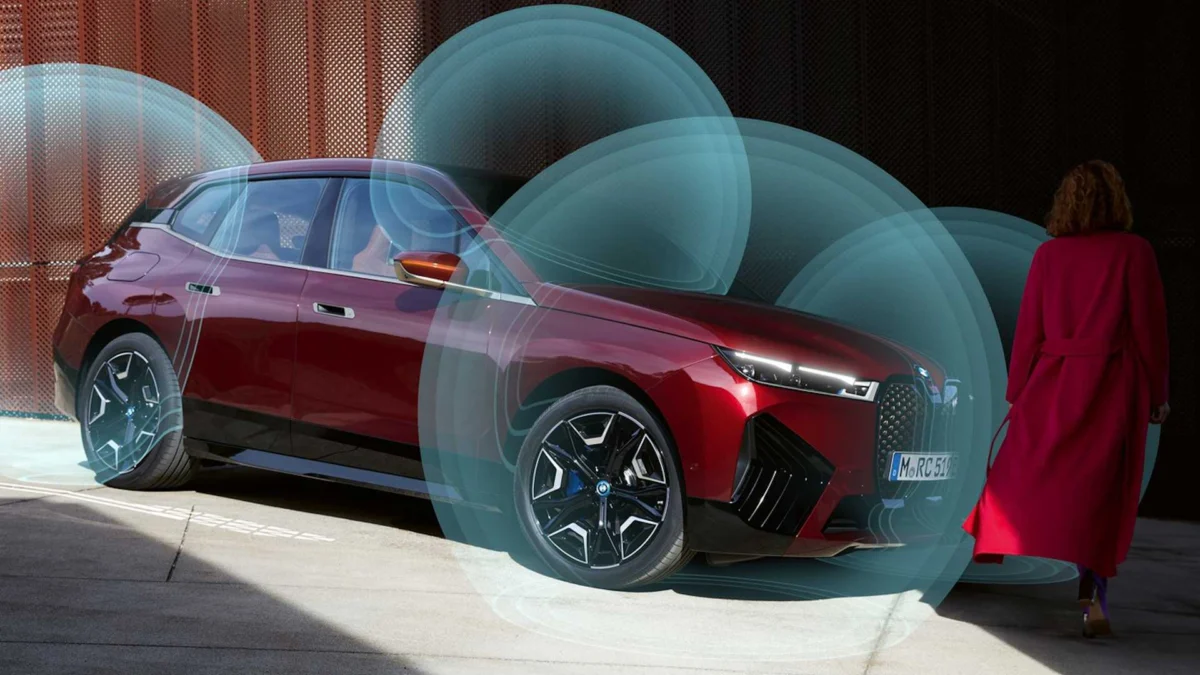
Your car’s next major software update may not arrive with the frantic frequency of a smartphone app notification, and that is a deliberate shift in strategy. As the automotive industry transitions toward the "software-defined vehicle" (SDV) paradigm, the initial "move fast and break things" mentality—borrowed directly from Silicon Valley—is being replaced by a more disciplined, safety-conscious approach to over-the-air (OTA) updates.
For years, manufacturers chased the vanity metric of update frequency, eager to prove their tech credentials. Today, as fleets of connected vehicles grow into the hundreds of millions, the focus has shifted from the quantity of updates to the quality and stability of the changes they bring. Automakers are trading constant, minor tweaks for consolidated, high-impact releases that fundamentally alter how a vehicle behaves, performs, and interacts with its driver.
The Evolution of the Automotive Software Lifecycle
The history of automotive software is short but volatile. Initially, vehicle software was static; once a car left the assembly line, its ECU (Electronic Control Unit) parameters were effectively set in stone. If a glitch was discovered, it required a physical recall and a visit to a dealership.
When Tesla pioneered the widespread use of OTA updates, it revolutionized the industry. Suddenly, a car could gain range, improve braking distances, or unlock new entertainment features overnight. Traditional automakers, feeling the pressure to modernize, rushed to replicate this model. This led to a "patch culture" where manufacturers pushed frequent, often trivial updates to stay relevant.
However, the industry has reached a tipping point. Managing OTA updates for millions of vehicles is a logistical and cybersecurity nightmare. Every update carries the risk of "bricking" a vehicle—turning a high-end machine into a multi-ton paperweight. As a result, the industry is moving toward a more conservative, batch-based release cycle, prioritizing long-term reliability over the dopamine hit of a weekly feature drop.
Chronology: From "Patching" to "Platforming"
The transition in OTA philosophy can be categorized into three distinct phases:
Phase 1: The Infotainment Era (2015–2019)
Updates were largely relegated to the "sandbox" of the infotainment system. Map updates, UI tweaks, and minor connectivity bug fixes were the standard. These updates were low-risk; if the navigation system crashed, the car still drove safely.
Phase 2: The "Patch Everything" Phase (2020–2023)
As vehicles became more connected, manufacturers began using OTA to push updates to powertrain controllers, battery management systems (BMS), and advanced driver-assistance systems (ADAS). This was the era of "constant evolution," where cars felt like they were perpetually in beta. While exciting for early adopters, it created significant "update fatigue" for the average consumer, who just wanted a vehicle that functioned predictably every morning.
Phase 3: The Stability-First Mandate (2024–Present)
We are currently in the third phase, defined by the "software-defined vehicle." Manufacturers like Ford, Mercedes-Benz, and BMW are moving toward quarterly or semi-annual "feature bundles." These updates are rigorously tested in virtual environments before being rolled out in staggered, controlled waves to minimize the impact of any unforeseen software conflicts.
Supporting Data: Why Complexity Demands Caution
The complexity of modern vehicle software cannot be overstated. A modern, high-end vehicle can contain upwards of 100 million lines of code—more than a modern fighter jet or a commercial airliner.
According to industry analysts, the cost of a failed OTA update is not just in the software fix, but in the brand equity lost when a customer is stranded. Data suggests that:
- Recall Mitigation: Over 30% of vehicle recalls in the last three years have been addressed via OTA, saving manufacturers billions in labor costs at dealerships.
- Cybersecurity Compliance: With the introduction of regulations like UN R155/R156, automakers are legally required to maintain a robust cybersecurity management system for the entire lifecycle of the vehicle. This necessitates rigorous documentation and testing, which naturally slows down the development cycle.
- Consumer Sentiment: Surveys indicate that while owners appreciate new features, there is a strong preference for "invisible" reliability. Most drivers would prefer an update that improves fuel efficiency or brake calibration over a new "easter egg" in the infotainment screen.
Regulatory Pressure and Cybersecurity: The New Gatekeepers
The shift in cadence is not just a strategic choice; it is a regulatory necessity. Agencies like the National Highway Traffic Safety Administration (NHTSA) have made it clear that software-defined vehicles are subject to the same safety standards as mechanical ones.

When a software update modifies a critical safety system—such as braking, steering, or emissions control—it is often treated as a formal recall. This requires the automaker to report the change, provide clear instructions to the user, and maintain a verifiable audit trail of the update’s installation. This legal burden has forced manufacturers to move away from the "agile" software model toward a "structured engineering" model, where every line of code is subject to intense scrutiny and validation.
Furthermore, the rise of OTA has made vehicles a prime target for cyberattacks. A single malicious update could theoretically compromise an entire fleet. Consequently, manufacturers are implementing more secure "handshakes" between the cloud and the vehicle, and utilizing "canary deployments"—where an update is pushed to a small, controlled group of vehicles before being released to the wider population.
Implications: What This Means for the Modern Driver
For the average consumer, this pivot to more deliberate updates changes the ownership experience in several fundamental ways:
1. Increased Predictability
The days of waking up to a completely different car interface every two weeks are fading. You can expect more stable, consistent performance. When an update does arrive, it will likely be more substantial, adding measurable value or addressing critical performance parameters rather than just aesthetic tweaks.
2. The Rise of "Feature Tiers" and Subscriptions
Because software can now fundamentally alter vehicle performance, automakers are increasingly experimenting with subscription models. Features like improved acceleration, advanced autonomous driving capabilities, or enhanced charging speeds can now be locked behind a digital paywall. While controversial, this is the direct result of the "software-defined" architecture—the hardware is already there; the manufacturer is simply choosing whether to "switch it on" via an OTA update.
3. The Importance of "Update Hygiene"
With updates touching core systems like powertrain and battery management, the process of updating your car requires more attention. You can no longer assume that every update is benign. Owners should make a habit of:
- Reading Release Notes: Understand exactly what a download is changing. Is it a security patch? A new feature? Or a change to your vehicle’s charging curve?
- Timing the Update: Don’t start an update when you have a long road trip planned for the next morning. Ensure the vehicle is in a stable state, preferably connected to a home charger, to prevent power-related failures during the installation.
- Monitoring the Rollout: If you see reports of an update causing issues on forums, it is often wise to wait for the next iteration.
The Conflict: Evolution vs. Reliability
The industry is caught in a tension between "constant evolution" and "absolute reliability." On one hand, consumers are becoming accustomed to the idea that their car should improve with age, a concept that was unthinkable a decade ago. On the other hand, the car remains a safety-critical piece of machinery.
The current trend toward slower, more meaningful updates is the industry’s attempt to bridge this gap. By prioritizing stability, automakers hope to retain the loyalty of customers who are wary of the "tech-ification" of the automobile. The manufacturers that succeed will be those who can convince the driver that their vehicle is becoming "smarter" and "better" without ever making them feel like a beta tester.
Motor1’s Perspective: Stability is the New Luxury
The transition from constant micro-patches to higher-impact, infrequent updates is a victory for the rational consumer. While the "always-new" appeal of rapid software updates was a powerful marketing tool during the infancy of the connected car, the novelty has worn off.
We are entering a mature phase of the software-defined vehicle, where the focus must return to the fundamentals of engineering. A car’s value should be defined by its ability to perform its core functions safely and reliably for years to come. If an update can extend the life of a battery, optimize the suspension for a smoother ride, or fix a dangerous software bug, it is worth the wait.
For the prospective buyer, the lesson is clear: look past the marketing claims of "frequent updates." Instead, investigate the manufacturer’s track record for software reliability, understand the subscription terms attached to their OTA features, and be prepared to take an active role in managing your vehicle’s software health. In this new era, the most "advanced" car isn’t the one that updates the most—it’s the one that knows exactly when to change, and when to stay exactly the same.
