

The minivan segment has long been defined by the battle between ultimate practicality and the encroaching shadow of the three-row SUV. For the 2027 Chrysler Pacifica, a vehicle proudly assembled in Windsor, Ontario, the mission remains the same: convince modern families that the traditional sliding-door hauler is still the king of the driveway. However, following a recent "refresh" for the 2027 model year, the automotive community is left asking if a sharper face and a lower price tag are enough to breathe new life into a platform that is increasingly showing its age.
Main Facts: What Has Changed?
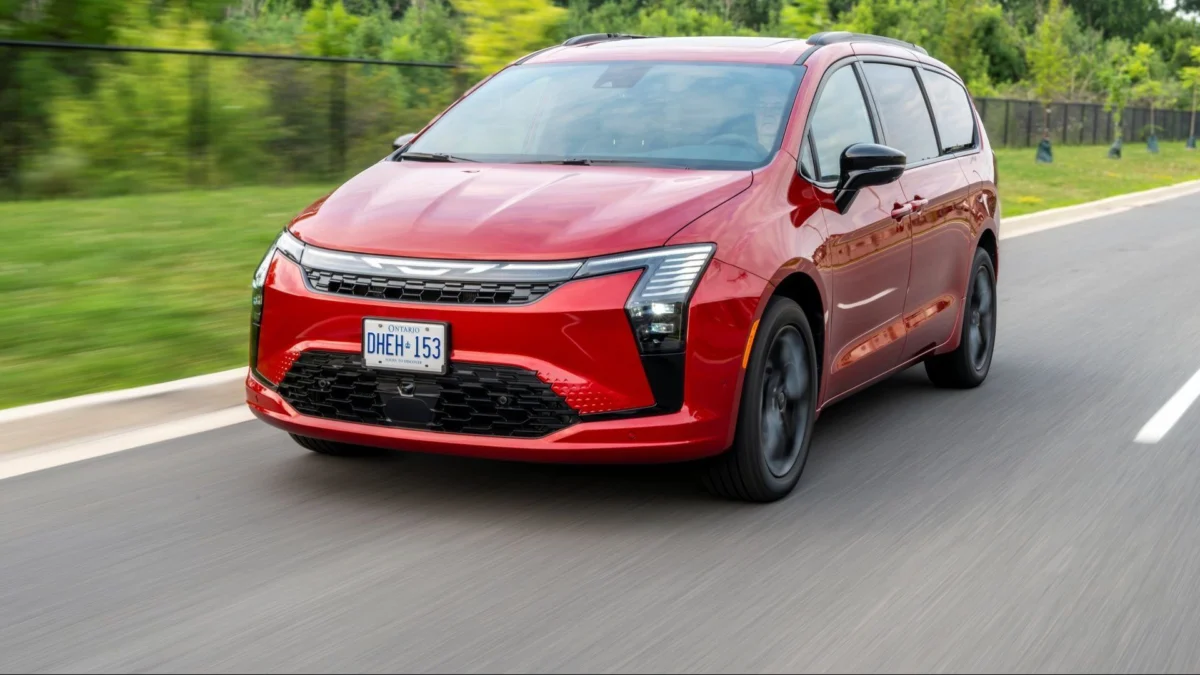
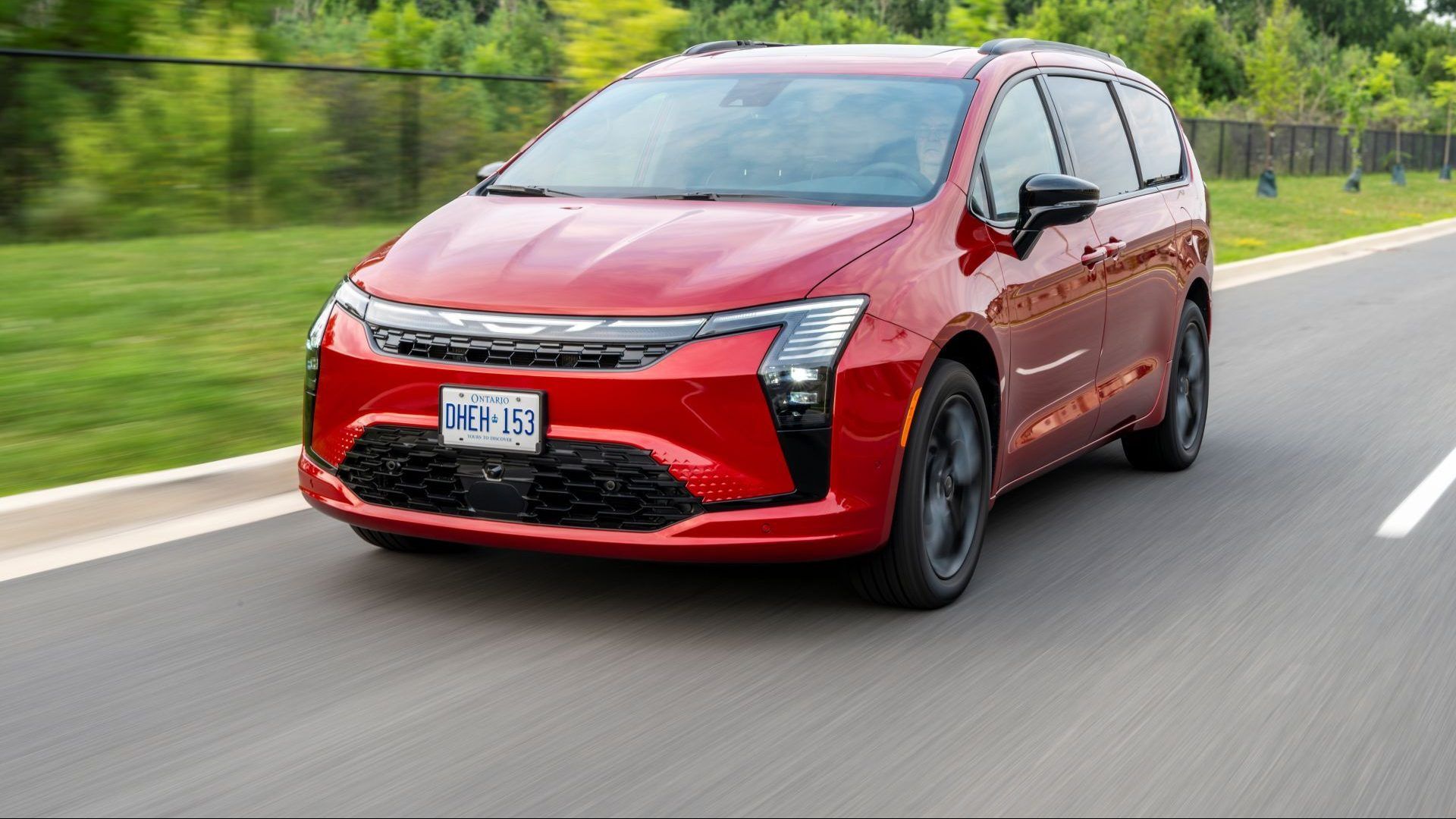
The 2027 Chrysler Pacifica enters the market with a visual departure from its predecessors. The most immediate change is the redesigned front fascia, which leans heavily into the design language established by the Chrysler Halcyon concept. The van now sports vertical headlights integrated into a sleek, modern light bar that spans the width of the front grille, accompanied by a modernized Chrysler badge.
While the exterior styling is a welcome departure from the slightly dated look of the 2026 model, the "guts" of the machine remain largely untouched. Under the hood, every trim level continues to be powered by the reliable 3.6-litre Pentastar V6 engine, producing 287 horsepower and 262 lb-ft of torque. All-wheel drive (AWD) remains an optional feature—a $5,000 upgrade over the standard front-wheel-drive configuration.
Inside, the updates are more subtle. A new "Blue Agave" upholstery option is available for the range-topping Pinnacle trim, adding a touch of color to the cabin. The standard equipment list has also been bolstered slightly, with an adjustable-height power liftgate now coming standard across all trim levels—a small but appreciated nod to the "Millennial mom" demographic that frequents the Pacifica’s interior.
Chronology of the Segment’s Decline and Stagnation
The minivan segment has not seen significant innovation in years, and the Pacifica is not the only culprit. The Honda Odyssey, long considered a benchmark in the industry, is reportedly slated to remain unchanged until 2030. This creates an environment where manufacturers are relying on "refresh" cycles rather than full-platform overhauls.
In 2024, industry reports were buzzing with the potential arrival of an all-electric Chrysler minivan, a move that would have signaled a bold shift for the brand. However, as of late 2026, those plans have yet to materialize in a tangible form. Furthermore, the 2026 model year saw the unfortunate departure of the Plug-in Hybrid (PHEV) version of the Pacifica from the lineup, a move mirrored by other Stellantis brands as they re-evaluate their electrification strategies. For the 2027 model year, the hybrid option remains absent, leaving buyers with only the naturally aspirated V6.

Supporting Data: Efficiency and Pricing
When analyzing the 2027 Pacifica against its primary competitors—the Toyota Sienna and the Kia Carnival—the data reveals a complex narrative.
Fuel Economy Comparison
The Pacifica’s reliance on a traditional V6 is a double-edged sword. While it offers a familiar, robust driving experience, it falls behind in fuel efficiency. The base FWD Pacifica is rated at 10.6 L/100 km in combined city/highway driving. In contrast, the Toyota Sienna, which utilizes a standard hybrid powertrain across its entire lineup, significantly outperforms the Pacifica in efficiency. The AWD-equipped Pacifica models further drop in fuel economy, returning an average of 12.0 L/100 km.

The Pricing Pivot
Chrysler has responded to the competitive landscape by implementing significant price cuts. The 2027 base FWD trim starts at $52,995 (including freight and PDI), a reduction of $4,200 compared to the 2026 model year. The luxury-focused Pinnacle trim has seen an even steeper discount, dropping $7,200 to a starting price of $72,995. While these cuts make the Pacifica a more attractive value proposition on paper, it still faces stiff competition from the Kia Carnival, which continues to undercut the market with base models starting below $45,000.
Official Stance and Market Positioning
While Chrysler has not issued a formal statement explaining the absence of the PHEV, the market signals are clear: the brand is focusing on refining the internal combustion experience and maximizing value. By focusing on the "Stow ‘n Go" seating system—a feature exclusive to the Pacifica that remains the gold standard for interior flexibility—Chrysler is betting that core functionality will win out over the trend of electrification.

However, the "Stow ‘n Go" convenience comes with a caveat. Opting for the premium captain’s chairs in the high-end Pinnacle trim removes the ability to stow the second-row seats into the floor. For many families, this creates an identity crisis: do you buy the Pacifica for the seating flexibility that makes it famous, or do you sacrifice that utility for the premium comfort of the Pinnacle trim?
Implications for the Modern Family
The implications for consumers are significant. For a parent navigating the daily chaos of school runs, sports practices, and road trips, the 2027 Pacifica is undeniably capable. It offers massive cargo capacity, ease of use, and a ride that remains soft and compliant on rough pavement.

However, the lack of a hybrid powertrain in 2027 is a missed opportunity. As gas prices fluctuate and environmental awareness grows, the lack of an electrified option—especially when the competitor Toyota Sienna offers it as a standard—is a glaring omission. The "heavy and jerky" drive feel reported by some users suggests that the platform’s age is starting to impact the driving dynamics, particularly when compared to newer, lighter three-row crossovers or the refined hybrid powertrains found elsewhere in the segment.
The "Used vs. New" Dilemma
Perhaps the most damaging implication for the 2027 model is the strength of the secondary market. Because the changes from 2024 to 2027 are incremental, a used Pacifica from three years ago offers nearly identical functionality at a fraction of the cost. For the budget-conscious family, the "new" 2027 model struggles to justify its premium price tag when the underlying experience is so similar to a pre-owned vehicle.

Final Verdict: Is It Enough?
The 2027 Chrysler Pacifica is a victim of its own success. It is a vehicle that perfected the minivan formula a decade ago, and it has been resting on those laurels ever since. The new face is attractive, and the price cuts are a welcome relief for Canadian families, but they do not address the fundamental need for innovation.
The adjustable-height power liftgate and the modernized front end are nice touches, but they are "party tricks" compared to the shift toward electrification and improved fuel efficiency that the market demands. If you are a buyer who prioritizes the unique convenience of the Stow ‘n Go seating and you want a brand-new vehicle with a full warranty, the 2027 Pacifica remains a solid, if unexciting, choice.

However, for those looking for the "next big thing" in family transport, the 2027 Pacifica feels like a placeholder. As we look toward 2028 and the rumored entry of luxury electric minivans like the Mercedes VLE into the Canadian market, the Pacifica will need more than a fresh coat of paint and a new grille to remain the undisputed king of the minivan segment. It is a capable, reliable, and deeply practical machine, but in an era of rapid technological advancement, "capable" may no longer be enough.
