

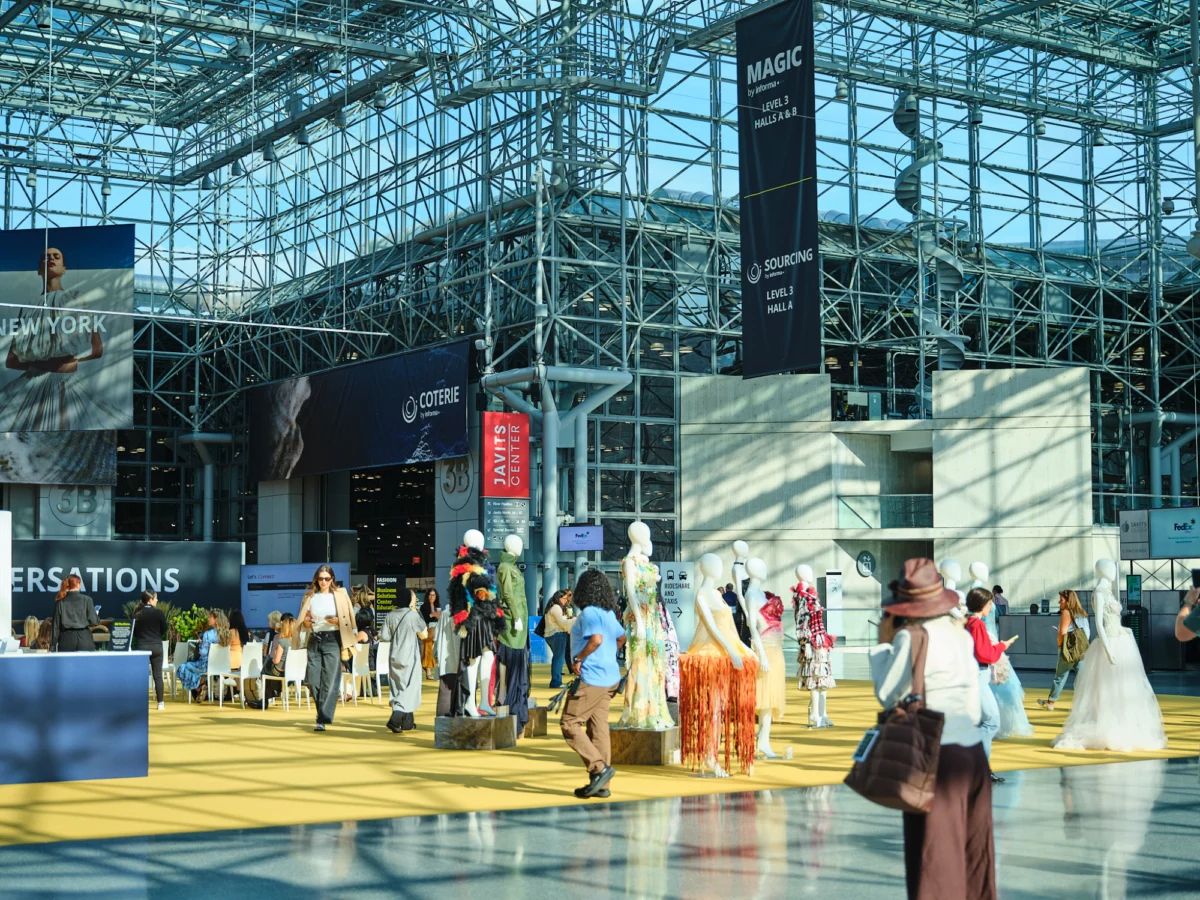
The Jacob K. Javits Convention Center in New York City served as the epicenter of the fashion world this past week, hosting the latest iteration of the Coterie trade show. As the three-day event drew to a close on Friday, the collective sentiment among buyers and vendors was clear: the industry is leaning into a future defined by bold color, intricate prints, and a renewed focus on tactile, textural fabrics.
While the event was officially billed as a preview for the Spring 2027 season, the floor told a more nuanced story. Exhibitors balanced forward-looking collections with immediate-delivery fall offerings, catering to a retail landscape that is increasingly juggling the need for long-term planning and short-term inventory replenishment.
The Evolution of an Industry Ecosystem
In an era where traditional trade shows are often dismissed as relics, Coterie is actively rebranding itself. Purvi Kanji, vice president of events for Coterie, Fashion by Informa, noted that the event has transcended its origins to become a comprehensive "ecosystem."
"Coterie is no longer just a place to transact; it is a hub that fosters meaningful connections between brands, retailers, and industry leaders," Kanji explained. The scale of the event was substantial, featuring 700 exhibiting brands. Crucially, the show prioritized freshness, with 146 new brands making their debut—a group that accounted for roughly 23 percent of the total floor space.
This influx of new talent, hailing from more than 30 countries, underscores the global nature of contemporary fashion. While established categories like contemporary and premium wear remained dominant, the show floor signaled significant growth in footwear, accessories, and the burgeoning beauty sector. Notable retailers navigating the aisles included industry heavyweights like Anthropologie, Galeries Lafayette, and Nuuly, alongside boutique powerhouses like Julian Gold and Hemline.
Denim Dynamics: Comfort Meets "Look-at-Me" Style
The denim category, a perennial staple of the Coterie experience, saw a definitive shift in silhouette and fabrication. At Mavi, marketing executive Katie Libertelli highlighted a clear transition in consumer preferences.
"We are seeing a strong move toward low-rise jeans and wide-leg silhouettes," Libertelli said. "These are incredibly versatile pieces that pair effortlessly with a tank top, allowing the wearer to transition from casual daytime errands to a more polished evening look."

The brand’s "Sandy" low-rise jean, retailing at $118, has become a benchmark for the season, available in 30- and 32-inch lengths to accommodate diverse styling needs. Meanwhile, the boot-cut "Vicky" silhouette has gained significant traction among digital influencers, proving that social media visibility is now as critical as wholesale performance. Looking toward Spring 2027, the trend toward lighter wash denims is expected to dominate, while the men’s-inspired Tencel French Terry fabric has emerged as a surprise hit with buyers seeking comfort-forward luxury.
Textures and Tones: The Fall/Spring Bridge
While the primary focus was on spring, the reality of the retail calendar meant that many brands were showcasing fall items for immediate delivery. Matty M. was a prime example of this duality. Brand director Lauren Carter pointed to "satin prints, novelty items, and textural elements" as the primary drivers of demand.
The brand showcased a sophisticated color palette for the autumn months, with "fig" and brown suede standing out as key color stories. A brown suede dress, priced at $198, served as an anchor for the collection. Carter noted that buyers are currently fixated on complex detailing, particularly the juxtaposition of satin with lace, which adds a layer of depth to seasonal wardrobes.
The Transatlantic Divide: "Watch-Me" vs. "Look-at-Me"
A fascinating narrative emerged at the Mauritius booth, where the brand’s ethically and sustainably produced vegetable-tanned lambskin jackets drew heavy traffic. CEO Lyn Baskett offered a keen observation on the psychological differences between European and American buyers.
"It’s all about proportion," Baskett said. "With skinny jeans losing their dominance, our short jackets are the perfect counterpoint to high-waisted pants."
However, the regional divergence was stark. Baskett noted that the European market continues to prioritize traditional, understated basics—blacks and deep browns—while the American market is craving novelty and high-impact color. "The European market is not as much of a ‘watch-me’ attitude, whereas in America, it is very much ‘look at me.’ The American customer wants to be noticed."
Bold Prints and Curated Collections
The "look at me" philosophy was on full display at the Desigual booth, where buyers gravitated toward the brand’s signature patchwork designs and vivid color stories. Deke Stoklosa, head of retail/wholesale for North America, emphasized that retailers are looking for "hand-curated pieces that pop."

This appetite for the unique has pushed dresses to the top of the brand’s category list. Even viral success stories, such as a denim-on-denim set that gained traction on the brand’s digital wholesale site, were brought to the physical show floor to satisfy buyer demand for tangible, high-impact inventory.
Similarly, Hale Bob leaned into its resortwear roots with a collection defined by bright blues, kelly greens, and electric oranges. Sales director Cathy Cooley explained that the brand’s success lies in its distinctiveness. "All our color and print combinations are trademarked," Cooley said, noting that their clientele includes elite destinations like The Breakers Palm Beach and various exclusive country clubs. For Hale Bob, the spring season is all about florals and playful motifs, such as butterflies, which bring a sense of whimsy to occasion and bridal wear.
The Rise of Elevated Loungewear
The intersection of comfort and style remains a dominant force, as evidenced by the reception of the brand Varley. Focusing on an "elevated contemporary loungewear" aesthetic, the brand showcased a palette of pastels—butter yellow, baby blue, and soft pink—that defined their Spring 2027 vision.
A major highlight for the brand was the performance of "DoubleSoft," a proprietary viscose blend that offers a lightweight, woven-stretch feel. It represents the broader industry shift: consumers are no longer willing to sacrifice the comfort they became accustomed to during the last few years, but they are demanding that it be delivered in silhouettes that are elegant enough for public life.
Implications for the Retail Landscape
The 2027 Coterie show highlights a retail sector in a state of confident experimentation. Several key implications for the coming year can be drawn from the floor:
- Inventory Fluidity: The success of brands showing both spring previews and immediate fall deliveries confirms that retailers are moving away from rigid seasonal calendars in favor of a "see-now, buy-now" flexibility.
- Tactile Innovation: From Tencel French Terry to vegetable-tanned lambskin and silk linen organza, the focus on fabric quality is paramount. Customers are increasingly scrutinizing how garments feel, not just how they look.
- The "Pop" Factor: As noted by both Desigual and Hale Bob, the retail floor is rewarding bold, trademarked, and visually arresting designs. In an oversaturated digital market, the clothes that perform best are those that offer immediate visual distinction.
- Globalized Trends: While regional preferences remain (e.g., the American penchant for bold color), the globalization of the supply chain means that international trends—such as the shift in denim proportions—are being adopted faster than ever before.
As the industry looks toward 2027, the message from the Javits Center is clear: the future of fashion is a balance of high-tech manufacturing and high-touch design, delivered within a retail ecosystem that values agility, novelty, and the unapologetic desire to be seen. Whether through the lens of a delicate satin-lace trim or the statement of a vibrant, printed maxidress, the brands that succeeded at Coterie this year are those that understood their customer’s need for both performance and personality.
