

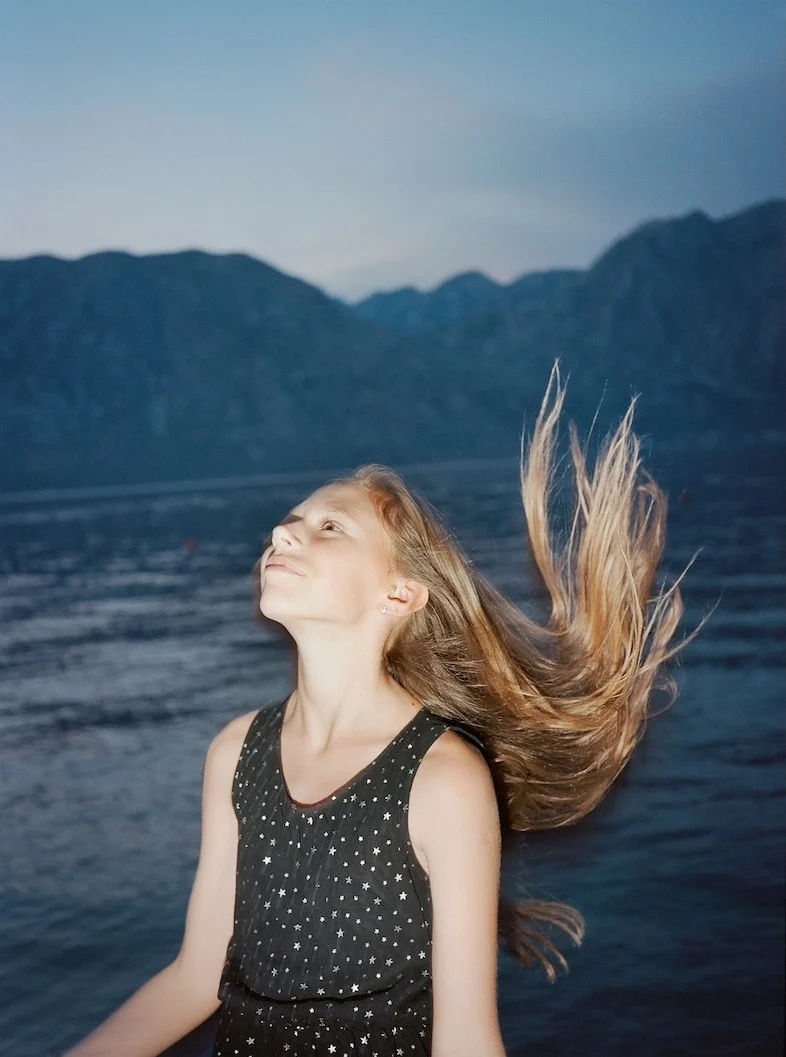
In the sprawling, complex landscape of contemporary photography, few artists manage to capture the elusive "spirit of place" with as much haunting intimacy as Irina Rozovsky. Her latest monograph, Mountain Black Heart, published by MACK, is not merely a collection of images; it is a decade-long odyssey through the Balkans, a region often flattened by geopolitical shorthand and historical trauma. By rejecting the traditional linear narrative of documentary photography, Rozovsky invites the viewer into a liminal space where the boundaries between memory, atmosphere, and reality blur into a singular, impressionistic experience.
The book, which represents over ten years of intermittent travel from the northern reaches of Croatia to the southern tip of Greece, acts as a visual poem. It oscillates between the stark, artificial glare of the night and the airy, soft-focus stillness of daylight, creating a rhythmic tension that mirrors the paradoxes of the region itself. For Rozovsky, the project was never about "covering" the Balkans in a journalistic sense. Instead, it was an inquiry into the nature of place: How can you photograph a location while remaining indifferent to the rigid constraints of factual documentation?
The Genesis of a Decade-Long Journey
The origins of Mountain Black Heart can be traced back to a seemingly mundane visit to Zagreb and a subsequent, transformative encounter with a brass band festival in rural Serbia. These experiences provided the initial spark for a project that would eventually span more than a decade. Rozovsky, a US-based photographer, found herself repeatedly drawn back to the Balkan peninsula, compelled by a landscape that felt both ancient and perpetually in transition.
Her methodology was defined by a deliberate lack of structure. Rather than following a mapped itinerary or a specific sociological agenda, Rozovsky allowed herself to be guided by what she calls a "stray dog feeling"—a nod to the legendary Japanese photographer Daidō Moriyama. This approach—roaming, waiting, and observing from the fringes—allowed her to capture the "lonely people and creatures" that inhabit the quiet corners of the region. Whether she was traversing misty mountain passes, rugged roadsides, or the shores of vast, mirror-like lakes, Rozovsky sought to document the "DNA" of the land, treating landscapes as sentient beings capable of holding the weight of human history and feeling.

Chronology of an Impressionistic Archive
The development of the work was slow, methodical, and deeply personal. Unlike a typical photojournalistic assignment that demands immediate output, Mountain Black Heart was allowed to ferment over time.
- 2014–2016: The formative years. Rozovsky begins her initial forays into Croatia and Serbia, establishing a visual vocabulary that emphasizes the interaction between human subjects and their environment.
- 2017–2019: The project expands geographically and conceptually. The photographer delves deeper into the rural hinterlands, focusing on the interplay of light and shadow, and the "statuesque" nature of her human subjects.
- 2020–2023: The mid-pandemic period, despite its travel restrictions, provided a moment of reflection and editing. The focus shifts toward the "darkness" of the work—the nights, the flashes, and the more aggressive, non-romantic aesthetics.
- 2024–2025: Final selection and sequencing. The realization that the book should be a "cacophony of life" that begins in the cold, dark winter and ends in a warm, explosive summer.
- 2026: Publication of Mountain Black Heart by MACK, solidifying a decade of movement into a permanent, tactile object.
The Stoic Humanity of the Balkans
While the landscapes in the book are vast and atmospheric, the true lifeblood of Mountain Black Heart resides in its inhabitants. Rozovsky’s portraiture is marked by an unusual, almost sculptural stillness. Subjects do not seem caught in a fleeting moment of action; rather, they appear rooted to the earth, possessing a permanence that is rare in modern photography.
One notable image features a burly woodcutter with an axe raised in a monumental, almost mythic gesture. Another depicts a woman wrapped in a blanket, her features obscured until only the noble, marble-like curve of her neck and head remain. A child, perfectly composed while snakes coil around his limbs, evokes the aura of a forgotten deity. This effect is achieved through a mastery of texture—skin rendered with a porcelain quality—and a keen eye for composition that feels classical in its weight.
When asked about this "sedentary" quality in her subjects, Rozovsky admits it was not a conscious stylistic choice. "I hadn’t thought about this, but it’s stoic," she notes. "It’s a sign of permanence or strength." This stoicism acts as a counterpoint to the disorientation found elsewhere in the book, where images are tilted, inverted, or blurred, suggesting a world that is fundamentally unstable.
Photographic Technique and the "Cruelty" of Light
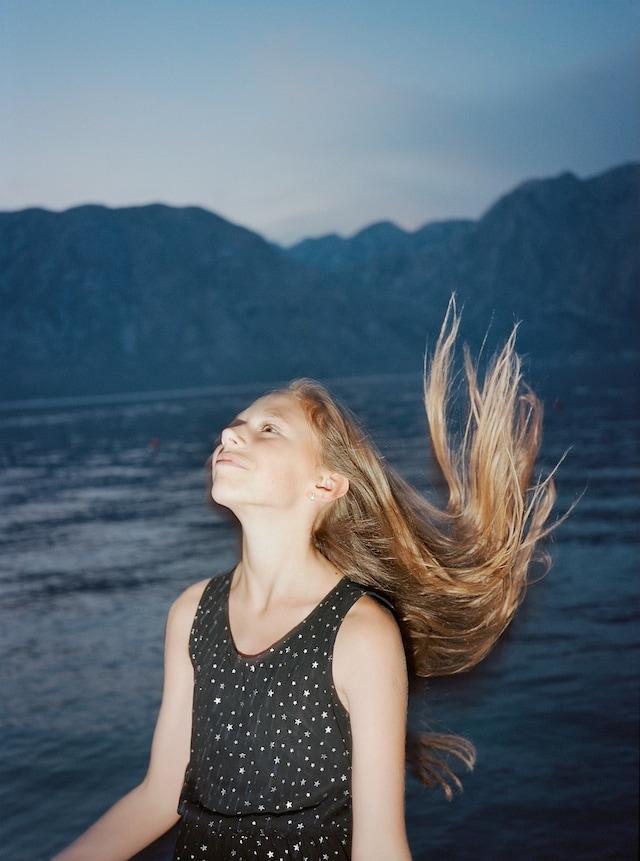
Rozovsky’s aesthetic in this project is characterized by an experimental use of light. She embraces the "glitches" of her process—lens burns, double exposures, and color shifts—as essential components of the narrative. Her palette often warps into unnatural, searing blues, deep violets, and oxidized rusts, a byproduct of her aggressive use of close-range flash.
"I’m really drawn to this particular Fuji medium-format camera," she explains. "There’s flash and the image can have more of a cruelty to it. It’s less romantic." This choice is particularly evident in her nocturnal photography. By working through the night, Rozovsky taps into the mystery and solitude that the darkness provides. For her, the night is a place where "nobody sees you," but it is also a space that inherently carries the weight of "violence, doubt, and fear."
Implications of Conflict and Memory
Mountain Black Heart does not shy away from the history of the region, yet it refuses to be didactic. During the project, Rozovsky visited refugee camps as the Syrian Civil War crisis spilled into the Balkans, and she witnessed the lingering scars of the conflicts that defined the 1990s. Bullet holes in the architecture of Sarajevo are omnipresent, yet Rozovsky consciously avoids photographing them.
"The last thing I want to do is show a bullet hole because it points to things we already know," she asserts, quoting Walker Evans and William Eggleston: "I’m at war with the obvious." By avoiding the "obvious" symbols of trauma, she allows the viewer to project their own understanding of conflict onto the images. The book becomes an emotional map rather than a historical one, exploring the undertow of grief that persists in the soil and the silence of the region.
Conclusion: A Kinetic Conclusion
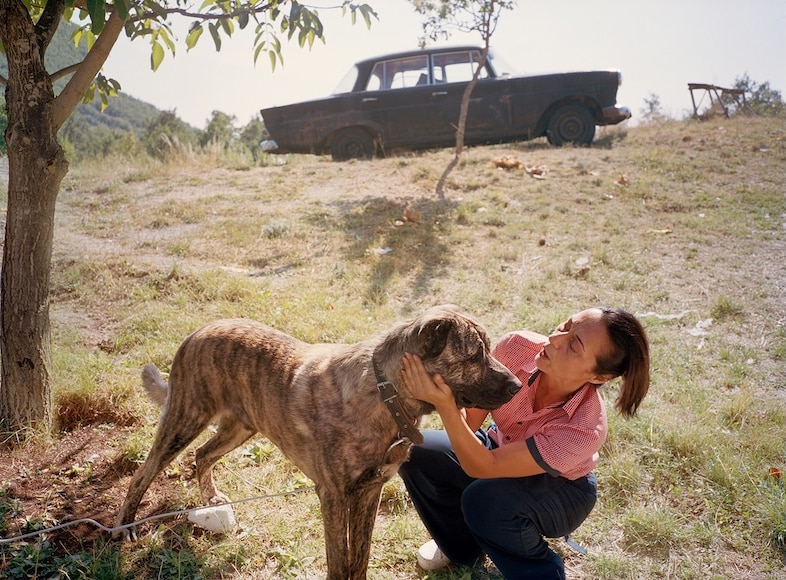
The brilliance of Mountain Black Heart lies in its resolution. The book begins in the "cold and dark" of winter, heavy with the aforementioned themes of doubt and fear. However, it concludes with what Rozovsky describes as a "cacophony of life." The frame opens up, the light floods in, and the colors become organic and vibrant.
This transition serves as a powerful reminder that photography, at its best, is not a tool for confirming what we already know, but an instrument for questioning it. In the hands of Irina Rozovsky, the Balkans are not a region to be solved or explained; they are a site of experience—a place where the funeral march and the manic celebration coexist, and where the "mountain black heart" of the title eventually gives way to a warm, explosive pulse of humanity. Mountain Black Heart is a profound meditation on the resilience of the spirit, standing as one of the most important photographic works of the year.
