

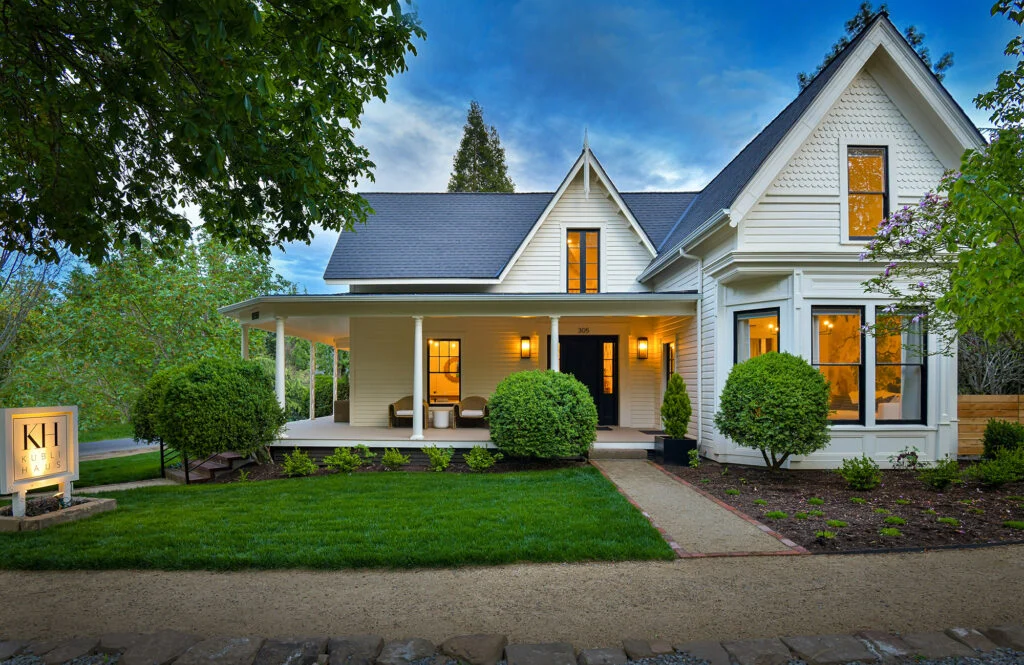
For many travelers, the dream of stumbling upon a "hidden gem" is often just that—a dream. Yet, for Kathleen Dunn, that dream materialized on the dusty, winding roads of Southern Oregon. Today, as the proprietor of the meticulously restored Kubli Haus, Dunn has transitioned from a curious visitor to the ultimate insider of Jacksonville, a historic gold-mining town that has quietly evolved into one of the Pacific Northwest’s most compelling boutique destinations.
Located just north of Ashland, Jacksonville is a living museum of the mid-19th century, where the roar of mining equipment has long been replaced by the clinking of wine glasses and the melody of summer music festivals.
Main Facts: The Architecture of an Oregon Treasure
Jacksonville is defined by its architectural preservation. Unlike many Western towns that modernized away their heritage, Jacksonville remains anchored in the 1860s. The town’s transition from a boom-and-bust gold camp to a cultural hub is anchored by its National Historic Landmark status.

At the center of this transformation is the Kubli Haus, a property that serves as a microcosm of the town’s revival. When Dunn and her family arrived, they were faced with a dilapidated landmark. Their mission was not to modernize the structure into oblivion, but to honor its 1860s bones while integrating the luxury expectations of the modern traveler. Today, the property offers five suites that marry antique sensibilities—vintage Turkish rugs and historical moldings—with the functional, high-end comforts of modern boutique hospitality.
Chronology: From Placer Mining to Fine Dining
To understand Jacksonville, one must look at its timeline:
- 1851: Gold is discovered in Jackson Creek, igniting the Rogue Valley gold rush and establishing the town as a bustling hub of commerce and chaos.
- Late 19th Century: As the gold deposits dwindled, the town transitioned into an agricultural and regional center, which ironically helped preserve its downtown core, as it avoided the rapid, sweeping industrial development seen in larger cities.
- 1966: The entire city of Jacksonville was designated a National Historic Landmark, cementing its status as a preserved portal to the pioneer era.
- Modern Era: Over the last two decades, the town has leveraged its proximity to the Rogue Valley’s burgeoning wine country to become a high-end destination for culinary travelers, outdoor enthusiasts, and concert-goers.
Supporting Data: Why Jacksonville Commands Attention
The "insider" appeal of Jacksonville isn’t just aesthetic; it is backed by a robust ecosystem of local commerce that punches well above the weight of a town this size.

The Culinary Landscape
The town’s food scene has pivoted toward farm-to-table sustainability. Cowhorn Kitchen & Wine stands as a beacon for the region’s commitment to biodynamic viticulture. Their menu, which features pairings like fried chicken salad with a crisp Cowhorn Reserve Viognier, reflects a sophisticated palate that thrives in the Rogue Valley’s unique microclimate.
For those seeking a more casual atmosphere, Bella Union serves as the town’s communal living room. With its signature wisteria-covered patio and regular live music, it represents the social pulse of the community. Complementing these are niche spots like Churro Rush, which elevates the classic cinnamon pastry into gourmet territory, and Violets & Cream, an establishment that leans into nostalgia, offering a curated selection of vintage candy that transports patrons back to childhood.
The Pour: Regional Viticulture
The local wine scene is not merely a hobby; it is the town’s primary economic engine. The Gold Room at the Jacksonville Inn provides a refined setting for visitors to sample the diversity of Oregon’s southern viticulture. Meanwhile, South Stage Cellars provides a versatile environment, offering a fireplace-warmed interior for winter months and an active patio for summer concerts.

A standout for cocktail enthusiasts is Gogi’s Restaurant, which has gained a reputation for its "Final Word"—a complex, daring cocktail utilizing mezcal, Chartreuse, and prickly pear juice. The presence of spontaneous, chef-driven amuse-bouches at Gogi’s serves as a testament to the town’s focus on the "small-but-mighty" service experience.
Official Responses and Local Perspective
Kathleen Dunn’s philosophy as an "accidental innkeeper" reflects the broader sentiment of the local business community. "We aren’t just selling a room," Dunn notes. "We are selling the experience of a town that has chosen to slow down."
The town’s infrastructure supports this sentiment. The Jacksonville Wine Trolley is an anomaly in modern travel—the only hop-on, hop-off wine trolley service on the West Coast. It effectively bridges the gap between the downtown tasting rooms and the expansive vineyards on the periphery. By offering deep discounts on "WTF" (Wine Trolley Fridays), the local tourism board is actively encouraging mid-week exploration, effectively de-densifying the crowds during peak weekend hours.

Implications for the Modern Traveler
Jacksonville occupies a unique space in the Pacific Northwest tourism market. It is not the rugged, untamed wilderness of the coast, nor is it the bustling urban center of Portland. Instead, it is a curated experience.
Outdoor Integration
The Jacksonville Woodlands Trail System offers 255 acres of accessible, well-maintained hiking. The area is a noted biodiversity hotspot, particularly for morel mushroom hunting in the spring. Furthermore, the town’s proximity to Crater Lake National Park (a 90-minute drive) positions it as a perfect "base camp." Travelers can experience the raw majesty of the deepest lake in the United States by day and retreat to the refined comfort of a boutique suite or a high-end bistro by night.
The Retail Experience
The commercial district along California Street avoids the pitfalls of big-box retail. Stores like Carefree Buffalo focus on the high-end Western aesthetic—offering Pendleton blankets and custom leatherwork—that pays homage to the town’s pioneer history. Meanwhile, Calathea Home & Gift and Jacksonville Company provide a modern retail experience that caters to a demographic looking for both luxury and comfort.

The Summer Peak: Britt Festival
Perhaps the most significant "implication" for any prospective visitor is the scheduling of the Britt Festival. The intimate, 2,200-seat amphitheater nestled in the mountains is arguably the jewel of the town’s cultural crown. When the music plays, the entire town pivots to accommodate the influx of visitors, turning the main street into a vibrant, pedestrian-only social experiment.
Conclusion: The Quiet Art of the "Slow Travel"
For those accustomed to the frantic pace of major metropolitan travel, Jacksonville offers a necessary correction. It is a place where you are encouraged to linger over a glass of Cabernet Franc Rosé, where you are invited to browse independent shops that actually tell a story, and where the history is not just behind glass, but under your feet.
Whether you are a seasoned sommelier looking to explore the Rogue Valley’s terroir, an outdoor enthusiast tracing the trails of the Woodlands, or simply a traveler looking to check into the Kubli Haus and disappear into a book for a weekend, Jacksonville provides the rare commodity of time. As Kathleen Dunn and the rest of the local business owners have demonstrated, the best way to enjoy this town is not to rush through its sights, but to become a temporary, well-fed, and well-rested part of its ongoing story.
