

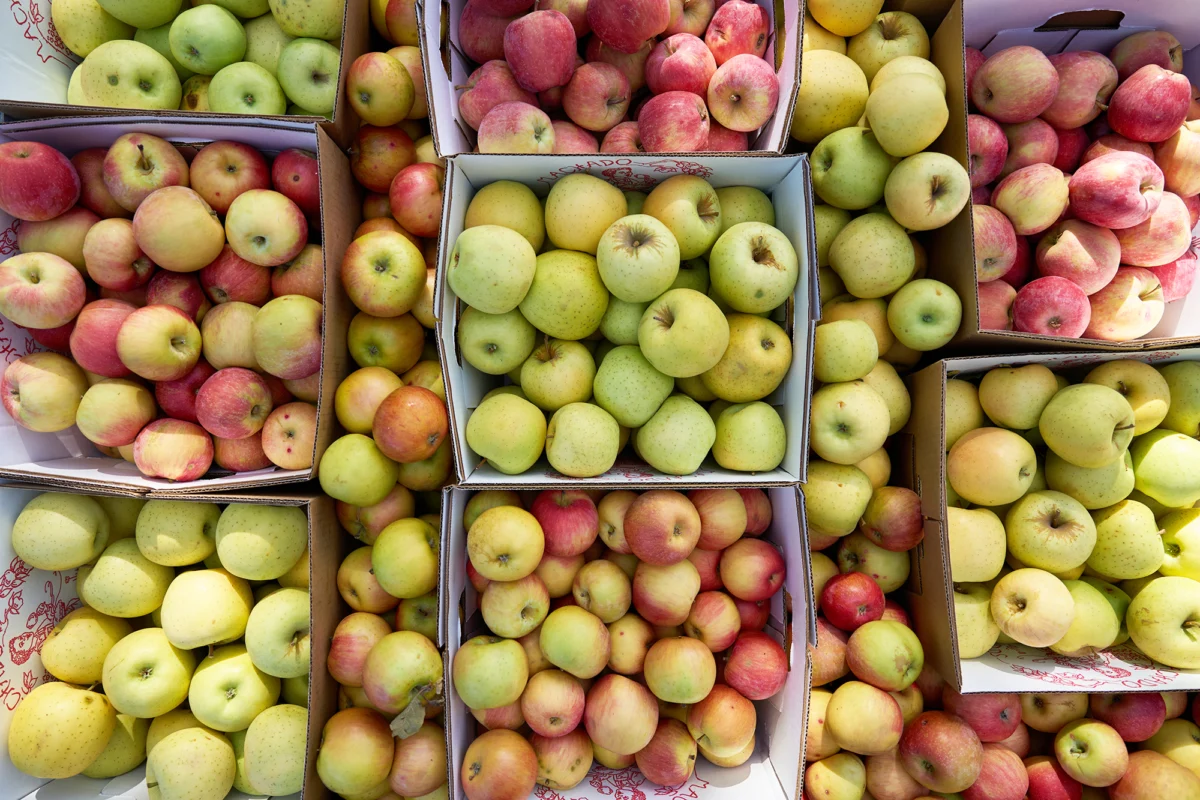
When the crisp, cool air of autumn begins to descend upon the West Coast, the collective consciousness turns toward the harvest. While Washington State often dominates the conversation regarding apple production, California—the true breadbasket of the nation—boasts a hidden, thriving, and deeply storied apple culture. With 60% of the state’s bearing acres concentrated within the Central Valley and its surrounding foothills, California is far more than just a destination for citrus and wine; it is a burgeoning epicenter for heirloom pomology.
If you are looking to trade the grocery store bin for the authentic, dirt-under-the-fingernails experience of a u-pick orchard, the real magic lies in three distinct regions. Each offers a unique cultural footprint, catering to different travelers: the heritage-focused, the festive, and the mountain-loving "cabincore" enthusiast.
The Historical Foundations: From Gold Rush to Orchard Rows
The chronology of California apple growing is inextricably linked to the state’s pioneer history. During the mid-19th century, prospectors moving through the Sierra Nevada and the coastal ranges brought more than just gold fever; they brought agricultural ambition.
A Timeline of the Harvest
- 1850s–1860s: Early settlers in Northern California, particularly in the coastal floodplains of Mendocino, begin planting heirloom varieties like the Gravenstein and the Pippin.
- 1867: Parrish Pioneer Ranch in Oak Glen, San Bernardino County, begins operations, establishing what would become a pillar of Southern California’s agricultural heritage.
- 1950s: A catastrophic pear blight devastates the orchards of El Dorado County, forcing local farmers to pivot. This shift leads to the creation of the Apple Hill cooperative, now the largest concentration of apple growers in the state.
- 1971: Pomo Tierra is established in the Anderson Valley, signaling a move toward collective, small-scale farming that prioritizes biodiversity and heritage preservation.
For Heritage Nerds: The Timeless Allure of Mendocino County
For the traveler who values history over high-volume tourism, Mendocino County is an unrivaled destination. Here, the industry remains small-scale, with nearly 400 bearing acres managed by boutique growers who prioritize the preservation of near-extinct apple varieties.
The Landscape of Tradition
Mendocino’s appeal lies in its intimacy. Walking through the Anderson Valley, one is struck by the sense of time standing still. Farms like Pomo Tierra offer a window into the past; their 80-acre property is home to trees planted at the turn of the 20th century. This is not a place for mass-produced cider; it is a place for the connoisseur who understands the nuance of a heirloom Gravenstein.
Supporting Data: The Boutique Advantage
Unlike the sprawling commercial operations of the Central Valley, Mendocino’s orchards operate on a model of sustainability. By focusing on low-input, high-quality production, these farmers have managed to keep the regional agricultural economy afloat despite pressures from large-scale commercial entities. Visitors to The Apple Farm in Philo can witness this firsthand, where the focus extends beyond the fruit to artisanal products such as apple cider syrup and house-made chutneys.
For Fall Freaks: The Infrastructure of Apple Hill
If your idea of a perfect autumn includes sensory overload, bustling bakeries, and the quintessential "insta-worthy" harvest aesthetic, Apple Hill in El Dorado County is the undisputed champion. Located in the Sierra foothills near Camino and Placerville, this region has perfected the art of agritourism.
The Rise of a Cooperative
The success of Apple Hill is a masterclass in economic resilience. When the pear blight of the 1950s threatened the livelihood of the region’s farmers, they did not fold; they collaborated. Today, the Apple Hill Growers Association represents a collection of 55 ranches that provide a comprehensive, year-round experience.
Implications of Agritourism
The implications of the Apple Hill model are significant for rural development. By pivoting to a "u-pick" and value-added product model (cider donuts, pies, and hard ciders), the region has successfully insulated itself from the volatility of commodity fruit prices. The existence of an "Apple Hill Museum" speaks to the permanence and pride of this community. For families, this is the gold standard of fall excursions, providing a seamless blend of education and recreation.
For Cabincore Enthusiasts: Oak Glen’s Mountain Magic
Tucked into the San Bernardino Mountains, Oak Glen provides a distinct contrast to the northern regions. It is the perfect marriage of rugged mountain terrain and vintage Americana, serving as a gateway for travelers who want to pair their apple picking with the sophisticated, cozy atmosphere of Big Bear or Lake Arrowhead.
A Legacy of Regeneration
Oak Glen is home to Parrish Pioneer Ranch, one of the oldest continuously operating apple farms in California. However, the region is not merely a relic. Modern growers are increasingly focusing on regenerative agriculture—a practice that ensures the soil remains nutrient-dense and the orchard ecosystem thrives for generations to come.
Los Rios Rancho, arguably Southern California’s oldest operating apple orchard, encapsulates the region’s philosophy. Here, the experience is multi-sensory: the sound of horse-drawn wagons, the smell of fresh-pressed cider, and the sight of high-altitude orchard rows.
Official Perspectives: The Sustainability of California Pomology
Agricultural experts and regional growers emphasize that the future of California apples lies in diversity. As climate patterns shift, the "chill hours" required by apple trees become a critical factor for success.
"We are seeing a strategic shift toward varieties that are more resilient to temperature fluctuations," notes a representative from the California Department of Food and Agriculture. "The growers in Mendocino and El Dorado are leading the way by maintaining a genetic library of heirloom varieties that have proven their durability over the last century."
Implications for the Future
The long-term survival of these orchards depends heavily on the consumer’s willingness to support local, small-batch producers. When a visitor purchases a bottle of local cider or picks a basket of apples at a family-owned ranch, they are directly subsidizing the maintenance of these unique landscapes. Without the support of the agritourism market, many of these historic properties would be at risk of being converted into residential developments or high-density commercial agricultural plots.
Conclusion: Crafting Your Harvest Itinerary
Whether you choose the heritage-focused orchards of Mendocino, the high-energy festivities of Apple Hill, or the mountain retreats of Oak Glen, the California apple harvest offers something for every traveler.
For the Mendocino-bound, a stay at the SCP Mendocino Inn & Farm offers an immersive experience where you can interact with the farm animals and enjoy the quietude of the Anderson Valley. For those heading to Oak Glen, look for accommodations that lean into the "cabincore" aesthetic, such as the 70s-style chalets near Lake Arrowhead or the boutique Hotel Marina Riviera, which provides a polished, modern base for your mountain excursions.
Ultimately, the California apple experience is a reminder of the state’s deep agricultural roots. It is a chance to step away from the digital world and connect with the cycle of the seasons. By choosing to visit these independent, historic, and community-focused orchards, you are not just enjoying a pie or a cider—you are participating in the preservation of a vital, and delicious, piece of California history.
