

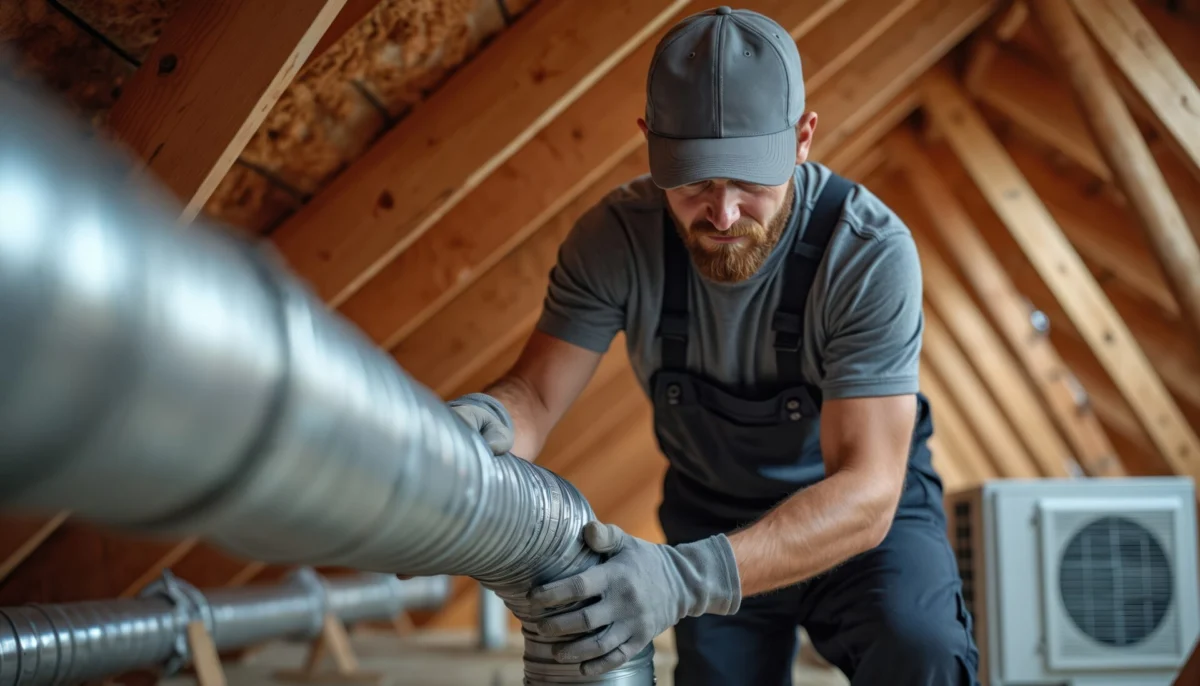
For many homeowners, the attic is a paradox: it is often the largest square footage area of the home, yet it remains the most uncomfortable. As heat rises and sunlight beats down on the roof, attics frequently transform into sweltering chambers, rendering them unusable during the peak of summer. Because most residential central HVAC systems are designed and sized specifically for the primary living floors, extending that reach to the attic is rarely as simple as adding a vent.
Cooling an attic requires a strategic approach that balances budget, intended usage, and the structural integrity of your home. Whether you are transforming an attic into a home office, a guest bedroom, or simply trying to mitigate the thermal load on your central air system, understanding the cooling landscape is essential.
Main Facts: The Challenge of the "Hottest Room"
The attic is fundamentally different from any other room in your house. It sits directly beneath the roofline, making it the primary point of heat gain. In the summer, roof temperatures can soar, and without adequate ventilation or insulation, that heat is trapped, eventually leaching into the floors below and forcing your primary HVAC system to cycle longer and work harder.
"The attic is the hottest room in the house," says Mitch Rosa, owner of Hudson Valley HVAC in Orange County, New York. "Typically, it would be best to install a ductless mini-split air conditioner. They’re super quiet and super effective."
The primary challenge for homeowners is that attics were historically designed for storage, not occupancy. They often lack the airflow, thermal barriers, and existing ductwork required for standard cooling. When looking for a solution, homeowners must weigh the cost of installation against the frequency of use. Options range from affordable, DIY-friendly window units to professional-grade, multi-zone climate control systems.
Chronology: Assessing Your Needs Before You Buy
Before purchasing equipment, a systematic assessment is required to ensure you don’t overspend on a system that is either too powerful or entirely inadequate.

- Audit the Space: Determine if the attic is "habitable" or "storage." If it is for storage, a high-end HVAC system is likely an over-investment. If you plan to spend hours there daily, comfort becomes the priority.
- Evaluate Insulation and Ventilation: Before adding a cooling unit, check your insulation levels. An air conditioner in an uninsulated attic is akin to trying to cool the outdoors.
- Calculate Load Requirements: Determine the square footage and evaluate the heat gain (windows, roof pitch, and sun exposure).
- Select the Technology: Choose between portable units, window units, or permanent ductless systems.
- Professional Consultation: For complex installations, bring in a licensed contractor to verify that your electrical panel can handle the load and that the installation complies with local building codes.
Supporting Data: The Cost of Attic Climate Control
Cooling an attic is a significant investment. Prices vary wildly depending on the technology and the complexity of the installation. Based on industry data, homeowners can expect to pay anywhere from $100 for a simple portable unit to $14,500 for a sophisticated, multi-zone mini-split system that integrates into the home’s overall climate strategy.
Cost Breakdown by System Type
| System Type | Estimated Cost Range | Best For |
|---|---|---|
| Portable AC | $100 – $500 | Occasional, temporary use |
| Window Unit | $150 – $550 | Attics with standardized windows |
| Single-Zone Mini-Split | $500 – $5,000 | Finished attics, regular use |
| Multi-Zone Mini-Split | $2,650 – $14,500 | Whole-home integration |
| Attic Fan | $400 – $900 | Uninhabitable storage spaces |
| Ductwork Extension | $1 – $13 per linear foot | Homes with existing high-capacity HVAC |
Note: Costs are based on average contractor estimates. Complex installations may incur additional electrical and permitting fees.
The BTU Equation
Cooling capacity is measured in British Thermal Units (BTUs). A common mistake is buying an "oversized" unit. If an air conditioner is too powerful for the space, it will cool the air too quickly and shut off before it has the chance to dehumidify the room, leading to a "clammy" and uncomfortable environment. As a rule of thumb, you need 20 to 35 BTUs per square foot, adjusted for insulation quality and sun exposure.
Official Expert Perspectives
Industry professionals emphasize that "stretching" an existing central HVAC system to the attic is rarely recommended.
"When you design a central AC, you design it for that space at the time of installation," explains Rosa. Most residential HVAC systems are sized precisely for the existing square footage. Adding an attic to that load—especially one that has significant heat gain from the roof—often exceeds the capacity of the current unit, leading to premature failure of the compressor and uneven cooling throughout the home.
Instead, experts advocate for "zoning." Ductless mini-splits are the gold standard here. Because they do not require ductwork, they eliminate the energy loss associated with leaky ducts in hot attics. They are also incredibly quiet and highly energy-efficient, often boasting high Seasonal Energy Efficiency Ratio 2 (SEER2) ratings.

Implications: Long-Term Energy Efficiency
Installing a cooling system in your attic has ripple effects on your utility bills and home maintenance.
Insulation and Radiant Barriers
If you are serious about cooling your attic, insulation is your best return on investment. Upgrading to spray foam or high-R-value fiberglass batts can reduce the BTU requirement of your cooling unit. Furthermore, installing a radiant barrier—a highly reflective material—can reduce heat gain by 5% to 10% in hot climates.
The Role of Attic Fans
For attics that aren’t occupied, an attic fan is a strategic alternative to an air conditioner. These fans work by actively exhausting the hot, stagnant air trapped at the peak of the roof and pulling in cooler ambient air from the soffit vents. This not only keeps the attic cooler but also protects the roof shingles from heat damage and prevents the buildup of moisture that leads to mold.
Maintenance Considerations
A "hidden" cost of attic cooling is the maintenance cycle. Because the unit is tucked away in the attic, it is often forgotten until it breaks. Regular filter changes and condensation line cleanings are vital. If the unit is located in a hard-to-reach crawl space, you may find that you need to hire a professional for routine maintenance, adding to the long-term cost of ownership.
Frequently Asked Questions (FAQs)
Is it cheaper to extend my existing ducts or buy a mini-split?
While extending ducts might seem cheaper, the hidden costs of modifying the existing furnace and blower motor to accommodate the extra load often make it more expensive than a dedicated, energy-efficient mini-split. Mini-splits are almost always the more cost-effective choice for long-term climate control.
Do I need a permit to install an attic AC?
In many jurisdictions, yes. Because installing an air conditioner often involves electrical work and potential structural modifications, it is crucial to check with your local building department. Unauthorized installations can void homeowner insurance policies.

How do I know if my attic is too hot for a standard window unit?
If the ambient temperature in your attic regularly exceeds 110°F, a standard window unit may struggle to keep up. In these cases, high-efficiency ductless systems with advanced inverter technology are better suited to manage the extreme heat load.
Can a cooling system prevent roof damage?
Excessive heat in an attic can bake shingles from the inside out, shortening their lifespan. Proper ventilation and cooling help maintain a stable temperature, which can indirectly extend the life of your roof.
Conclusion: Investing in Comfort
Transforming an attic into a comfortable space is an investment in your home’s utility. Whether you opt for a simple window unit for occasional summer use or a permanent, high-efficiency mini-split for a new office, the key is to prioritize insulation and proper sizing. By understanding the thermal dynamics of your attic and working with qualified professionals, you can effectively reclaim one of the most overlooked spaces in your home.
