

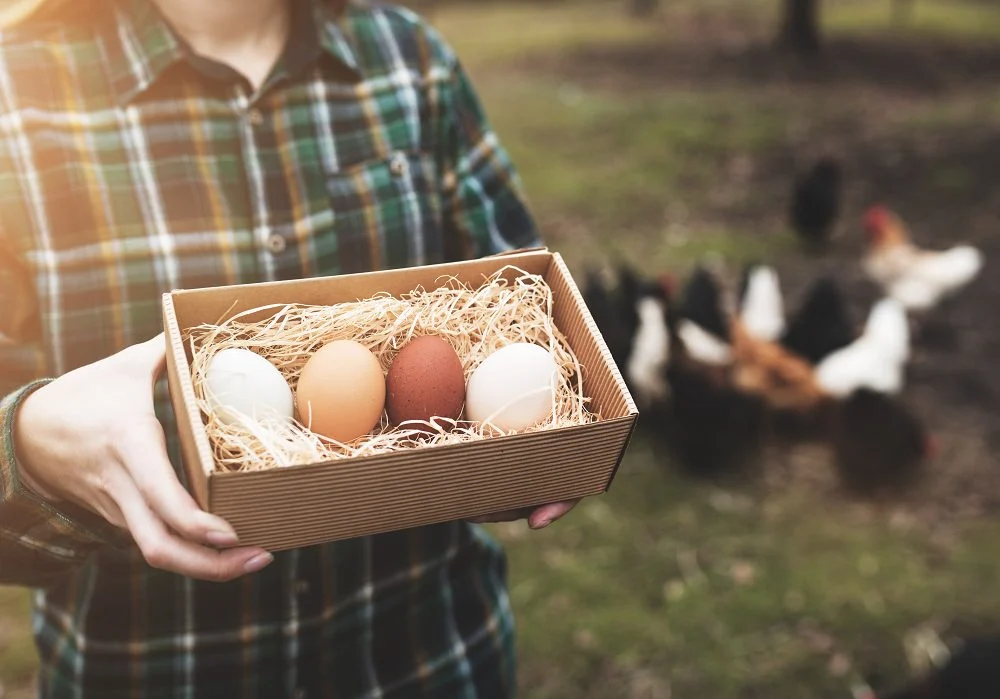
The allure of the backyard chicken coop has long been a staple of the American homesteading movement, promising a connection to the food supply and the simple satisfaction of a morning egg harvest. However, the last two years have transformed this hobby from a rustic lifestyle choice into a complex exercise in risk management and economic calculation. As of mid-2026, the fervor that saw 11 million U.S. households keeping poultry is facing a sobering reality: volatile egg prices have stabilized, while the biological risks—ranging from avian influenza to antibiotic-resistant Salmonella—have reached an all-time high.
A Chronology of the Market Swing
The trajectory of the backyard chicken movement is inextricably linked to the retail price of eggs. In March 2025, when a dozen Grade A eggs reached a peak of roughly $6.22, the "chicken math" seemed undeniable. High prices incentivized millions of Americans to bypass the grocery store entirely, leading to a massive spike in demand that saw hatcheries sell out of chicks by February of that year.
By June 2026, however, the economic landscape had shifted dramatically. The average price for a dozen eggs had collapsed to approximately $2.14. This 35.2% decline in retail pricing compared to the previous year, coupled with a 82.9% drop in prices paid to commercial farmers, signaled that the industrial supply chain had finally recovered from the devastating impact of Highly Pathogenic Avian Influenza (HPAI). For the prospective chicken keeper, the "egg-price hedge" that motivated so many in 2025 has effectively evaporated. The investment of time, money, and labor required to maintain a flock today no longer yields the financial return it once promised during the peak of inflation.
The Economic Data: Is a Flock Still Worth the Investment?
To understand the financial viability of a backyard flock in 2026, one must look beyond the sticker price of a carton of eggs. A six-hen flock is the standard entry point for many, yet the cost-benefit analysis often favors the grocery store.
The Cost-Efficiency Breakdown
A typical six-hen flock will produce between 90 and 125 dozen eggs annually during their peak laying years. At the current retail average of $2.14 per dozen, this production is valued at approximately $190 to $270. When compared to the costs of feed, bedding, grit, and veterinary care—which range from $250 to $600 per year—it becomes clear that the flock often fails to cover its own operating expenses, to say nothing of the initial $500 to $2,000 investment for the coop and infrastructure.
While the numbers improve when compared against premium cage-free or organic eggs, the reality remains: backyard chickens are not a reliable hedge against grocery store inflation. They are, however, a hedge against disruption. For those who prioritize food security and independence from supply chain volatility, the lack of immediate financial "profit" is often viewed as an insurance premium.
The Biological Risks: H5N1 and Salmonella
While the financial stakes are clear, the biological stakes have become increasingly severe. The presence of H5N1, or "Bird Flu," has moved from a concern for commercial poultry producers to a direct risk for hobbyists. Since 2024, the virus has claimed the lives of two backyard flock owners in the United States, highlighting the critical importance of biosecurity.
The Salmonella Crisis
While H5N1 commands the headlines, Salmonella remains the most immediate threat to the average keeper. As of late July 2026, the Centers for Disease Control and Prevention (CDC) is investigating eight distinct multistate outbreaks linked to contact with backyard poultry. These outbreaks have resulted in over 800 illnesses across 44 states, with 201 hospitalizations and one confirmed death. Notably, 25% of these cases involved children under the age of five.
The investigative data is particularly concerning: researchers found that many of these outbreaks were linked to chicks purchased at agricultural retail stores, with the bacteria present inside the very boxes used to ship the birds from hatcheries. Perhaps most alarming is the discovery of antibiotic-resistant strains of Salmonella in these outbreaks, complicating the medical treatment of those infected.
Official Responses and Biosecurity Standards
The USDA, through its "Defend the Flock" initiative, has standardized the four pillars of responsible poultry ownership:
- Keep your distance: Restrict access to your property and birds.
- Keep it clean: Sanitize boots, clothing, and equipment before entering the coop.
- Don’t haul disease home: Avoid sharing equipment or birds with other flocks.
- Know the signs: Monitor for sudden death, lethargy, or respiratory distress.
Despite these clear guidelines, a CDC survey of 638 flock owners in late 2025 revealed significant knowledge gaps. While 94% of respondents were aware of HPAI, many lacked an understanding of how to implement the necessary protective measures. This disconnect between awareness and action is a primary focus for public health officials, who emphasize that healthy-looking birds can still be asymptomatic carriers of dangerous pathogens.
Implications for the Future of Backyard Flocks
The "backyard boom" is reaching an inflection point. The demographic of chicken keepers is shifting from first-time hobbyists attracted by high egg prices to more experienced, long-term stewards. This transition is necessary, as the reality of flock management involves long-term commitments that go beyond the initial novelty.
The Environmental Reality Check
It is a common misconception that backyard chickens are inherently "greener" than commercial operations. Life-cycle assessments suggest that because backyard flocks lack the scale efficiencies of commercial farms and often produce fewer eggs per unit of feed, their environmental impact per egg can actually be higher. For the climate-conscious, the primary benefit of backyard poultry lies in waste reduction—feeding kitchen scraps to birds—rather than a reduction in the carbon footprint of egg production.
Practical Steps for Responsible Ownership
For those still committed to keeping a flock in 2026, the path forward requires a rigorous commitment to both municipal codes and safety protocols:
- Verify Local Ordinances: Before purchasing a single bird, consult your city’s latest zoning laws. Many municipalities have recently updated their rules regarding flock size, setbacks, and prohibited breeds.
- Invest in Biosecurity: Treat your coop as a laboratory. Use dedicated footwear, maintain a strict cleaning schedule, and never allow children to handle birds without immediate adult supervision and subsequent handwashing.
- Plan for the Lifecycle: Hens may live for five to ten years, but their peak production lasts only two. Owners must have a plan for birds that are no longer productive. Whether you view them as long-term pets or part of a closed-loop food system, the decision must be made before the birds reach their twilight years.
- Report Concerns Immediately: If your birds show signs of illness—such as respiratory distress, diarrhea, or a sudden drop in egg production—do not wait for an improvement. Contact your state veterinarian or the USDA hotline (1-866-536-7593) immediately.
Conclusion
The era of keeping chickens solely to combat the rising cost of a grocery store carton has passed. In 2026, the backyard coop serves as a test of one’s commitment to animal husbandry and public health awareness. As the market stabilizes, those who remain in the hobby will likely be the ones who value the practice for its educational, culinary, and personal rewards, rather than its potential for financial gain. The risks—both for the birds and for the humans who care for them—are higher than ever, but with diligent biosecurity and a realistic understanding of the costs, the tradition of the backyard flock continues to be a viable, albeit demanding, component of the modern American lifestyle.
