

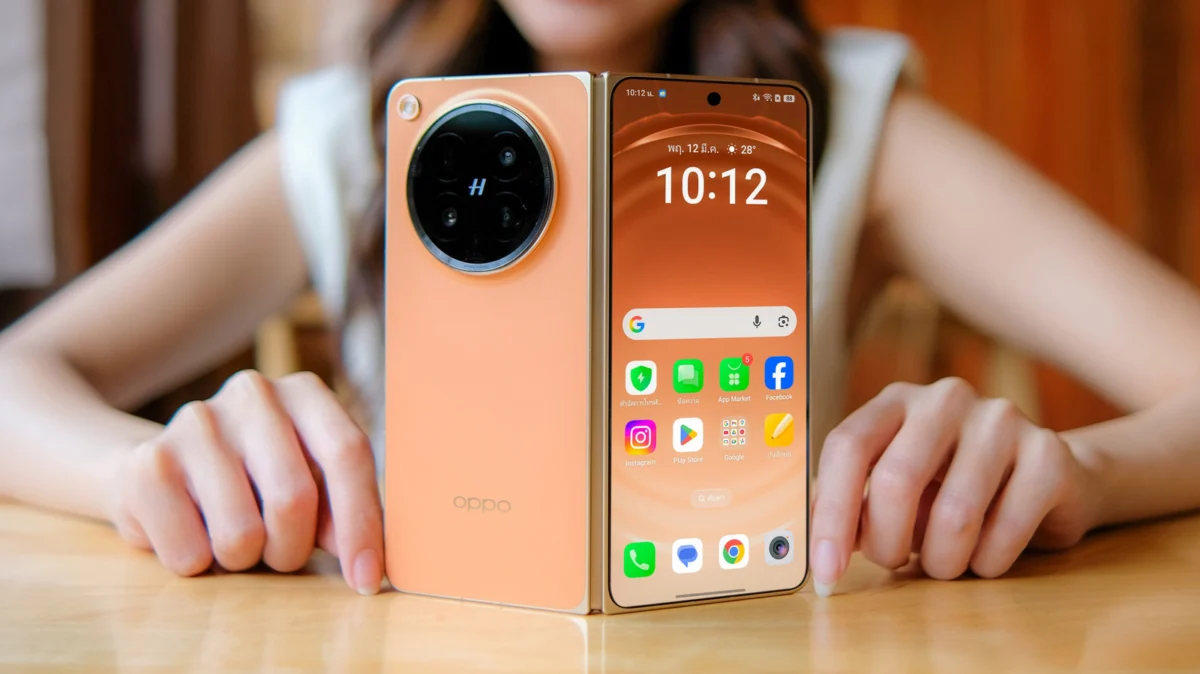
For the average American consumer, the smartphone market feels like a binary choice: Apple or Samsung, iOS or Android. While Google’s Pixel and Motorola’s budget offerings add some variety, the domestic market remains relatively homogenized. However, beyond the borders of the United States, a vibrant, experimental, and hyper-competitive mobile ecosystem is thriving. From Xiaomi’s cutting-edge foldables to Honor’s ultra-thin flagships, the international market offers hardware that seems pulled from the pages of science fiction.
But for the tech enthusiast looking to bypass the local "walled garden," the prospect of importing a foreign device is a double-edged sword. While it offers access to the latest, most ambitious hardware, it also introduces a labyrinth of technical, legal, and logistical hurdles that can turn a premium purchase into a $1,500 paperweight.
The State of the Global Market: Why Import?
The primary driver for importing a device is innovation. Companies like OPPO, Vivo, Xiaomi, and Huawei are currently in a "hardware arms race," pushing boundaries that domestic manufacturers have been more cautious to approach. We are seeing devices with tri-fold screens, 200-watt fast charging, and camera sensors that rival professional DSLR setups—features that have yet to make a mainstream impact in the U.S.
For the enthusiast, the appeal is twofold: early adoption and unique utility. Importing allows users to bypass the staggered global release schedules, putting the latest tech in their hands months before—or sometimes instead of—an official U.S. release. Furthermore, many international models retain hardware features that American carriers have systematically purged, most notably the physical dual-SIM card slot, which remains a highly sought-after utility for international travelers and those managing business and personal lines.
Chronology of the Import Trend
The trend of importing phones is not new, but it has evolved significantly over the last decade:
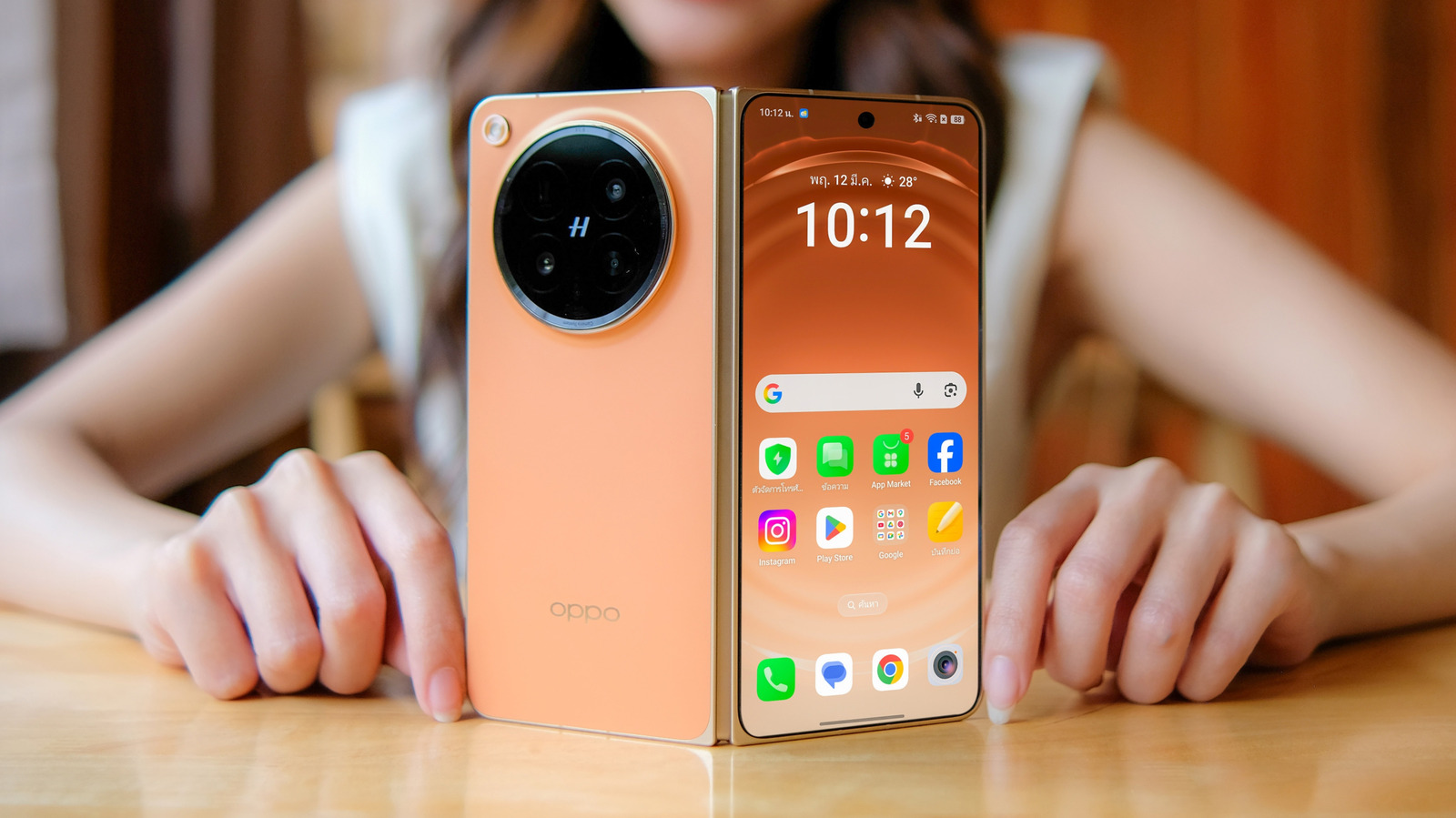
- 2010–2015: The "Grey Market" Infancy: Early importers were largely hobbyists using sites like eBay or specialized forums. The primary hurdle was the lack of Google Play Services on certain Asian firmware, requiring manual rooting and flashing of custom ROMs.
- 2016–2020: The Standardization Phase: As manufacturers moved toward global chipsets (Qualcomm Snapdragon), the hardware gap closed. Many "Chinese" phones began including global bands, making them plug-and-play for AT&T or T-Mobile users.
- 2021–Present: The Geopolitical Complication: The rise of trade restrictions and the "de-googling" of certain Chinese flagships (due to U.S. trade bans) have complicated the landscape. Simultaneously, the industry-wide shift toward eSIM in the U.S. has revitalized interest in international devices that still prioritize physical SIM flexibility.
The Technical Reality: Compatibility and Network Hurdles
Before you click "purchase" on an overseas retailer, you must become an amateur telecommunications engineer. The most common point of failure for an imported phone is the network band mismatch.
Band Fragmentation
Wireless carriers operate on specific frequency bands. While many flagship phones are "global" models, specific regional variants often exclude bands essential for robust U.S. coverage. If your phone lacks the specific 5G or LTE bands used by your local carrier, you may find yourself throttled to 3G speeds, or worse, completely without service in rural areas.
Feature Crippling
Even if the phone connects to the network, your carrier may not recognize the device. Features such as VoLTE (Voice over LTE), Wi-Fi calling, and visual voicemail require device-specific certification from the carrier. Because your imported Xiaomi or Honor device is not "blessed" by your carrier’s lab, these features will likely be disabled. You may have a high-end 5G device that cannot make a clear phone call inside your own home because Wi-Fi calling is unavailable.
Software, Updates, and Security Implications
The software experience is where many import dreams go to die. Phones sold in the Chinese market, for example, are often stripped of Google Mobile Services (GMS). While these can sometimes be side-loaded, they rarely integrate as deeply as they do on a native device.
The Update Bottleneck
Operating system updates for international models are tied to the manufacturer’s regional servers. If you buy a device intended for the Indian or European market, your update schedule will follow those regions. Furthermore, some devices may come with "bloatware" specific to their home region—apps that are useless in the U.S. and cannot be uninstalled, constantly running in the background and potentially compromising battery life or data privacy.
Privacy and Regulatory Concerns
Imported devices do not fall under the same regulatory scrutiny as those sold by authorized U.S. retailers. There is an inherent risk regarding the data handling practices of software layers built by manufacturers in jurisdictions with different privacy laws. For users who prioritize security, the uncertainty of an imported, non-certified operating system is a major deterrent.
Supporting Data: The Financial and Logistical Risks
Investing in an imported phone is a high-stakes financial gamble. Unlike a purchase from a local carrier store or an official manufacturer website, you have no local consumer protections.
- Warranty Vacuum: This is the most significant financial risk. If your phone’s screen cracks, the battery swells, or the charging port fails, there is no official U.S. support center to turn to. You are effectively self-insured. Third-party repair shops may lack the specialized parts (like proprietary foldable display panels) required to fix these exotic devices.
- The Hidden Costs: Beyond the sticker price, importers must account for potential import duties, international shipping costs, and the "lost value" if the device is found to be incompatible and needs to be resold on the secondary market.
Official Responses and Industry Outlook
Most major manufacturers are tight-lipped about the import market. From an official standpoint, companies like Xiaomi or OPPO often maintain that they do not provide warranty support or network optimization for devices purchased outside their intended market. They argue that the complexity of global carrier certifications—each country having its own regulatory quirks—makes a "truly global" phone impossible to support in every territory.
Industry analysts suggest that this "grey market" will persist as long as the U.S. market continues to prioritize carrier-controlled distribution. However, as trade tensions persist and hardware becomes increasingly specialized, the gap between what is available in the U.S. and what is available in the global market is widening.
Conclusion: Is the Gamble Worth It?
The decision to import a smartphone should not be made lightly. For the average consumer who relies on their phone for banking, navigation, and daily communication, the risks—lack of warranty, missing network features, and software incompatibility—far outweigh the benefits.

However, for the power user, the enthusiast, and the professional who understands how to manage APN settings, root their devices, and troubleshoot network bands, the import market remains the only way to experience the bleeding edge of mobile hardware. It is a frontier that offers unparalleled design and performance, provided you are willing to accept the responsibility of being your own tech support.
If you value peace of mind, ease of use, and a guaranteed connection, stick to the devices officially supported in your region. But if you are prepared to trade convenience for curiosity, the world of international smartphones is waiting—just be sure to check those frequency bands before you commit.
