

By Tech Insights Bureau
October 11, 2026
After years of speculation, iterative hardware experiments, and internal development hurdles, Apple is finally prepared to make its most aggressive play for the domestic sphere. According to a report by Bloomberg’s Mark Gurman, the tech giant is set to unveil "HomeView"—a dedicated smart home hub—this coming Tuesday. This launch marks a critical inflection point for Apple, signaling an attempt to reclaim relevance in a market long dominated by Amazon’s Echo and Google’s Nest ecosystems.
The HomeView is not merely another peripheral; it is designed to be the central nervous system of the modern, connected home. Powered by Apple’s high-performance A18 chip and deeply integrated with a revamped version of Siri, the device represents the company’s attempt to reconcile its privacy-centric ethos with the pervasive, always-on nature of home automation.
The Core Facts: What is HomeView?
The HomeView is slated to be the centerpiece of Apple’s updated smart home strategy. Unlike the HomePod, which prioritized audio fidelity, the HomeView is a visual-first device. It features a high-resolution display designed to act as a dashboard for the entire Apple ecosystem.
Key Specifications:
- The Brain: The integration of the A18 chip is a significant differentiator. By utilizing a smartphone-grade processor, Apple is ensuring that the device can handle complex on-device AI tasks, such as local voice processing and sophisticated home automation routines, without relying heavily on cloud-based latency.
- Form Factors: Apple is taking a pragmatic approach to hardware placement by offering two distinct models:
- The Desktop Version: Designed for kitchen islands, nightstands, or desks, this unit will likely feature a stable, weighted base and adjustable viewing angles.
- The Wall-Mounted Version: Targeted at users looking for a permanent fixture, this model is expected to integrate into home infrastructure, serving as a dedicated control panel for lighting, security cameras, and climate control.
- Software Synergy: The device will run a version of iOS/tvOS optimized for ambient computing, focusing on quick-glance information and seamless control of HomeKit-compatible accessories.
Chronology of a Delayed Vision
The road to HomeView has been anything but linear. Apple’s journey into the smart home space has been characterized by high ambitions tempered by significant execution challenges.
2014-2017: The Foundation
Apple introduced HomeKit in 2014, a framework designed to unify smart home devices under a single, secure umbrella. However, the ecosystem struggled to gain the developer traction seen by Amazon’s Alexa, which was already aggressively licensing its voice assistant to third-party manufacturers.
2018-2022: The HomePod Era
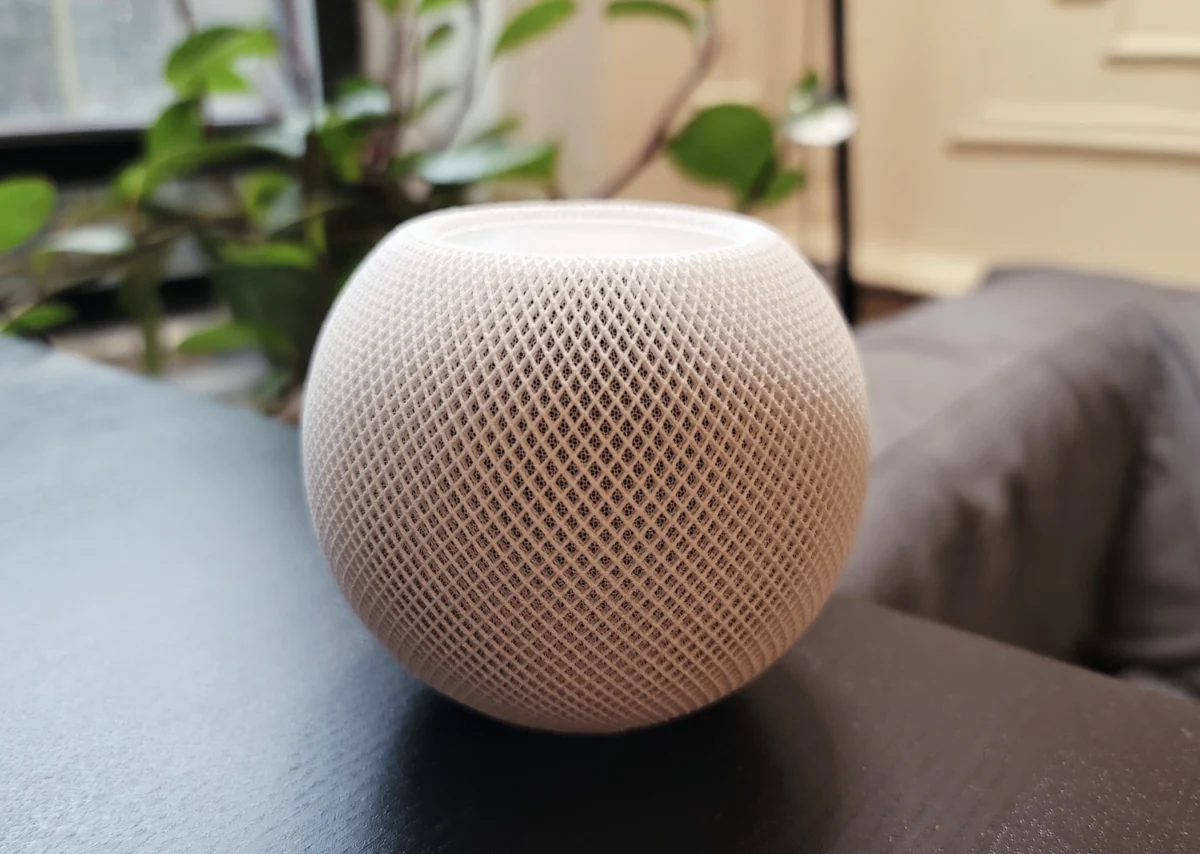
The original HomePod and the subsequent HomePod mini were met with critical acclaim for their audio quality but were criticized for their limited utility as smart hubs. The "walled garden" approach—restricting functionality largely to Apple devices—meant that the HomePod failed to become the "center" of the home for households with mixed-device environments.
2023-2025: The Challenges of Siri
Internal reports suggested that Apple’s primary hurdle was not hardware, but intelligence. Engineering teams struggled to make Siri competitive with the Large Language Model (LLM)-powered assistants being rolled out by competitors. As noted in March 2025, the smart home project faced repeated delays as Apple sought to overhaul its AI architecture to ensure that a smart home hub would actually be "smart" enough to manage complex household requests.
October 2026: The Convergence
The announcement on Tuesday represents the culmination of this two-year effort to refine the Siri experience and align it with a hardware product that provides a visual interface for the user.
Supporting Data: The Smart Home Landscape
The smart home market is currently saturated, yet deeply fragmented. According to industry analysts, while consumers are adopting smart devices at a record pace, "hub fatigue" is a growing concern. Users are tired of juggling five different apps to manage their lights, locks, and thermostats.

Market Dynamics:
- The Dominance of Aggregators: Amazon and Google currently hold the lion’s share of the market, largely due to the affordability of their entry-level devices. Apple is choosing to position itself as the "premium, secure" alternative.
- Privacy as a Commodity: Apple’s marketing narrative for the HomeView will lean heavily on local processing. By moving as much data as possible off the cloud and onto the A18 chip, Apple is betting that privacy-conscious consumers will pay a premium to ensure their domestic habits remain within their own four walls.
- The LG Partnership: The recently reported partnership with LG is a tactical masterstroke. By co-branding smart locks, thermostats, and doorbells, Apple is effectively expanding its footprint into hardware categories where it previously lacked a competitive product, ensuring that the HomeView ecosystem has a deep catalog of compatible, high-quality accessories from day one.
Official Responses and Industry Outlook
While Apple has not yet issued a formal press release regarding the specific features of the HomeView, the industry is bracing for a shift. Executives at competing firms have noted that Apple’s entry into the wall-mounted hub space validates a category that has struggled to move from "enthusiast niche" to "mass market."
Industry analysts suggest that the success of the HomeView will depend entirely on the "Siri factor." If the device can handle natural language requests without the "I’m sorry, I couldn’t find that" errors that have plagued previous iterations of the assistant, Apple could see a massive migration of users who are already deep in the Apple ecosystem (iPhone/Mac/Apple Watch users) to the HomeView.
Furthermore, the simultaneous updates to the Apple TV and HomePod mini suggest a "whole-home" strategy. Apple is positioning these devices not as standalone gadgets, but as nodes in a unified mesh network.
Implications: A New Era for Apple
The implications of Tuesday’s announcement are far-reaching.
For the Consumer:
The HomeView promises a more cohesive experience. For a household already using iCloud, Apple Music, and Apple HomeKit, this device could finally provide the seamless "it just works" experience that has been missing from smart home management.
For the Developer:
The success of HomeView will likely trigger a new wave of HomeKit-compatible app development. If Apple’s new hub becomes the standard interface for home control, third-party developers will be forced to prioritize the Apple ecosystem over competing platforms to stay relevant.
For the Market:
This move places Apple in direct, head-on competition with Amazon’s Echo Show and Google’s Nest Hub. However, Apple is not competing on price. By utilizing the A18 chip—the same silicon found in its flagship iPhones—Apple is signaling that the HomeView is a performance-first device. It is a bet that users are willing to pay for a faster, more responsive, and more private home interface.
Strategic Risks:
The primary risk for Apple remains its closed ecosystem. In a market where interoperability is becoming the gold standard—thanks to the Matter standard—Apple must ensure that the HomeView plays well with non-Apple devices. If the HomeView is perceived as a "walled garden" that refuses to communicate with the rest of the industry, it risks alienating the very users it needs to capture to reach scale.
Conclusion: A Defining Week
As we look toward Tuesday’s unveiling, the narrative is clear: Apple is finished with experimental home products. The HomeView is a declaration that the company intends to own the home, not just the phone. Whether this device succeeds will depend on its ability to transcend the limitations of its predecessors, transforming the "smart home" from a collection of glitchy, disjointed sensors into a fluid, intelligent, and private environment.
For Apple, the HomeView is more than a product launch—it is the final piece of the puzzle in their vision of a truly interconnected life. We will be tracking the developments closely as the launch unfolds.
