

For decades, the iconic red roof of Pizza Hut has served as a beacon of comfort, nostalgia, and reliable fast-casual dining. Since its humble beginnings in 1958, the chain evolved into the world’s largest pizza brand by 1971, cementing its place in the American culinary consciousness. Yet, for many loyalists, the ordering process has become a routine, a stagnant loop of “the usual.”
However, behind the scenes of every franchise location lies a collection of “unwritten rules”—insider tactics, menu hacks, and strategic ordering behaviors that can transform a standard delivery into a curated dining experience. By leveraging employee insights and digital-age strategies, customers can unlock deeper value and higher flavor profiles.
The Evolution of the Pizza Hut Experience
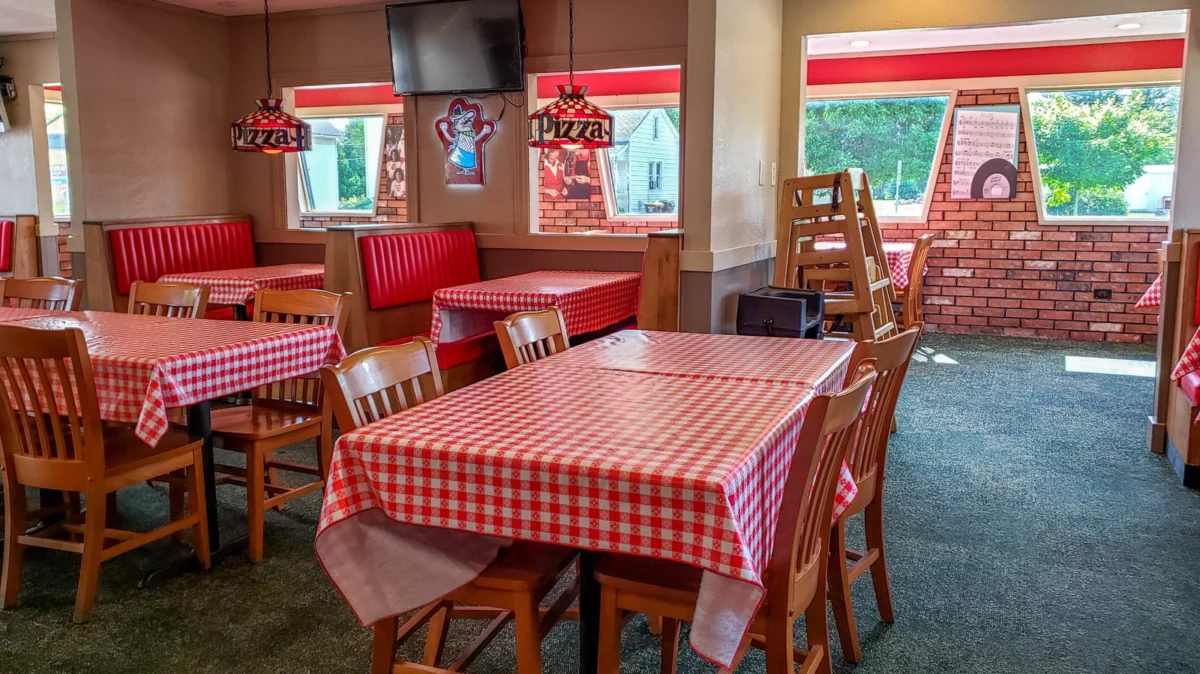
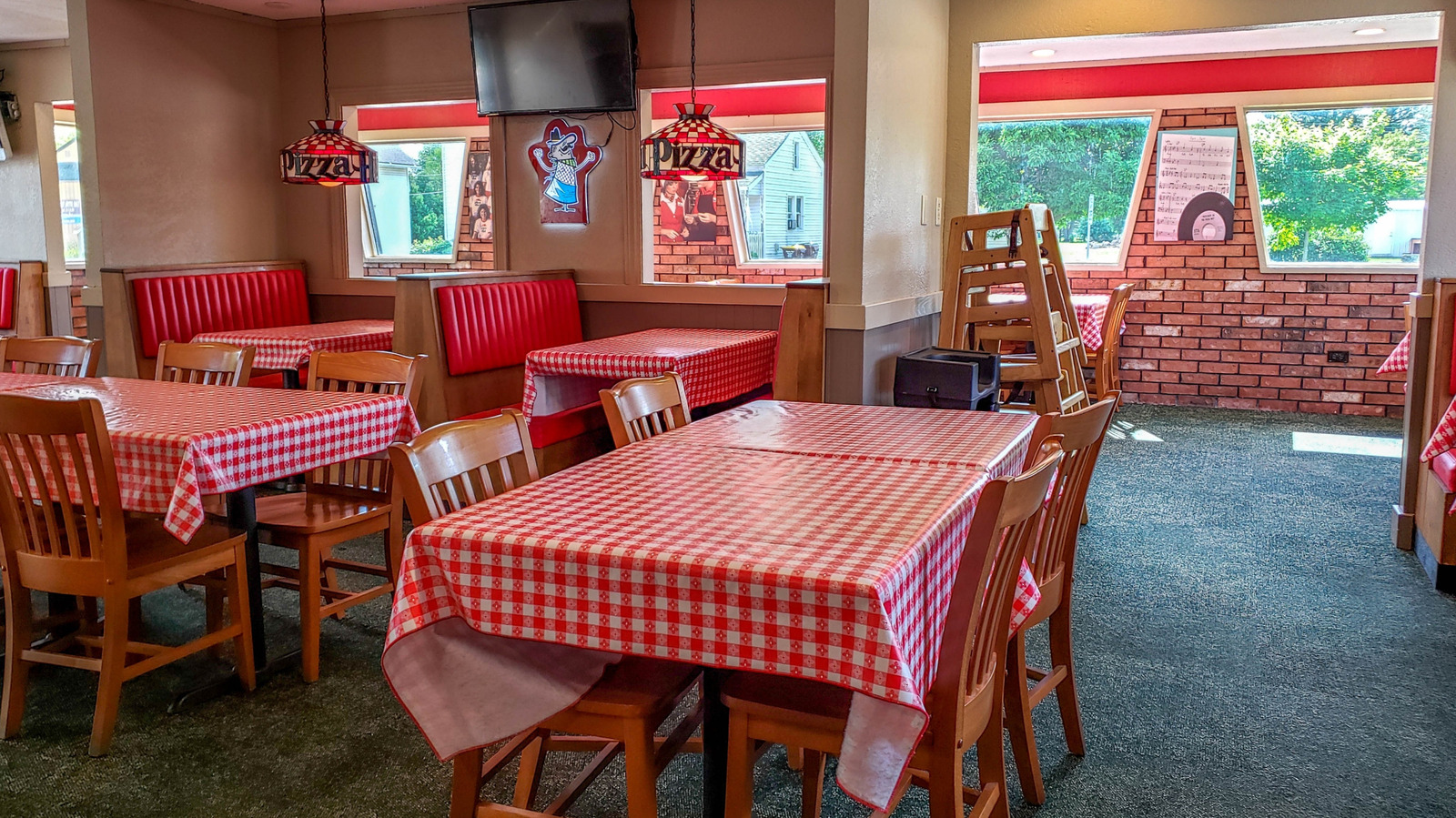
The story of Pizza Hut is one of continuous adaptation. In the late 20th century, the brand was synonymous with the dine-in experience: the aforementioned red plastic cups, checkered tablecloths, and the legendary, overflowing salad bar. These elements fostered a sense of community that defined the chain’s golden era.
However, the modern landscape of the restaurant industry, defined by the rise of app-based delivery and the demand for rapid, off-premises convenience, has forced a pivot. The "dine-in" model has largely given way to the "carryout and delivery" model. This structural shift is where the modern customer finds their greatest opportunity: if you know how to navigate the digital menu and the logistical reality of the kitchen, you can bridge the gap between "fast food" and "gourmet convenience."
Strategic Financial Management: Mastering the Deals Page
The most common mistake the average customer makes is treating the Pizza Hut menu as a fixed price list. In reality, the menu is a dynamic ecosystem of shifting promotions.
The Art of the "Deals First" Approach
Before selecting a single topping, the savvy customer navigates immediately to the "Deals" section of the website or mobile app. This is not merely a suggestion; it is a financial imperative. Pizza Hut rotates its promotional bundles with significant frequency. These range from "buy one, get one" offers on medium pies to heavily discounted bundles that include sides and desserts.
By building your order around the active promotion rather than adding the promotion as an afterthought, you avoid the trap of "menu-price inflation." If you are hosting a group, the price difference between two discounted medium pizzas versus one large, heavily-loaded "custom" pizza is often stark. The "deals first" rule ensures that your dollar stretches further, often allowing for the inclusion of premium sides without inflating the final ticket.
Culinary Optimization: Customization and Flavor Hacks
Customization is where the modern Pizza Hut experience truly diverges from the past. The digital ordering interface has moved beyond simple "add pepperoni" prompts, allowing for sophisticated, half-and-half configurations that solve the age-old problem of group dining.
The Half-and-Half Advantage
The "half-topping" rule is an essential tool for culinary experimentation. If you are ordering via the mobile app, you are often charged for only a single topping when splitting a pizza, despite the logistical complexity for the kitchen. This provides a risk-free environment to test bold flavor combinations—such as pairing a classic Meat Lovers on one side with a more adventurous, spicy, or experimental profile on the other.
This is particularly useful for those curious about unique regional styles, like the Canadian-style supreme. If you find a flavor profile you enjoy, you have a new go-to. If it misses the mark, you have only compromised half your meal, rather than the entire pie.
The "Hut Dust" Phenomenon
Perhaps the most overlooked ingredient in the Pizza Hut arsenal is "Hut Dust." This proprietary blend of parmesan, Romano, parsley, garlic powder, and oregano serves as a direct descendant of the "Fairy Dust" seasoning that defined the chain’s flavor profile in the 1980s and 90s.
Hut Dust acts as a flavor bridge, unifying the acidity of the tomato sauce with the richness of the cheese. While many customers assume it is only for pizza crusts, employees often suggest applying it to breadsticks and even wings. It adds a savory, aromatic dimension that elevates a standard pie into something that feels, and tastes, significantly more premium.
Logistical Solutions for Delivery Quality
A universal truth of pizza delivery is that time is the enemy of texture. The steam trapped within a pizza box during a 20-minute transit often results in a soggy crust and a loss of flavor intensity.
The Extra Sauce Mandate
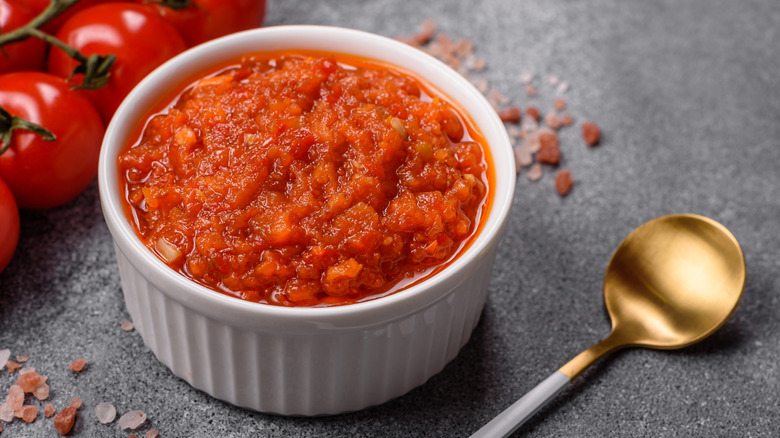
To combat the drying effect of delivery, the most effective "unwritten rule" is to request extra sauce. Whether you are ordering a thin-and-crispy or a deep-dish, adding extra sauce acts as a moisture insurance policy. Furthermore, it allows for a "dipping" experience for the crusts, effectively turning the discarded, flavorless end-pieces into a secondary culinary component. By navigating the customization menu and selecting "extra sauce," you guarantee that the moisture levels remain consistent from the first bite to the last.
The Digital Rewards Ecosystem
For the frequent customer, the Hut Rewards program is not just a loyalty perk—it is a mandatory part of the financial strategy. The program operates on a point-per-dollar basis, typically awarding 10 points for every dollar spent.
When utilized correctly, these points function as a deferred discount. The key, however, is consistency. Customers who switch between accounts or fail to log in before placing an order lose the compounding interest of their dining habits. By maintaining a single, active account, the "free pie" threshold is reached significantly faster than most customers realize, effectively lowering the average cost-per-pizza over the course of a year.
The Reality of the "Off-Menu" Request
The concept of a "secret menu" at a corporate chain is often overstated, but the potential for creative collaboration with staff remains. The most successful off-menu hacks are those that use existing ingredients in new ways without complicating the kitchen’s workflow.
Take, for example, the "BBQ Wing Pizza" hack. By ordering a BBQ Chicken pizza without the chicken and adding a side of boneless Honey BBQ wings, you can chop the wings yourself and add them to the pizza upon arrival. This creates a far superior flavor and texture profile than the standard menu offering. However, it is vital to remember the "Golden Rule of Customization": if a request is overly complex, it may disrupt the efficiency of the kitchen. Kindness and clear, reasonable requests to staff often yield better results than demanding "secret" items that do not exist.
Implications for the Future of Pizza Hut
The disappearance of the iconic salad bar serves as a case study in corporate and social evolution. The transition away from these stations—partly due to the "one plate rule" and partly due to changing health and economic standards—marks a definitive end to the "destination" era of the restaurant.
Today’s Pizza Hut is a high-velocity, digital-first entity. The "unwritten rules" outlined here are not merely tips; they are the necessary skills for a consumer to reclaim a sense of quality in an age of automated, mass-produced convenience. By mastering the digital tools, understanding the ingredient potential, and engaging strategically with the rewards and promotions, the consumer can ensure that their experience remains consistent, high-quality, and cost-effective.
As the industry continues to innovate, the relationship between the consumer and the chain will likely become even more digitized. Yet, the core tenets—quality ingredients, proper moisture control, and strategic spending—will remain the foundation of a great pizza experience, regardless of how the industry evolves. Whether you are a fan of the classic pan crust or looking to experiment with new toppings, the secret to a better Pizza Hut order has been there all along: it’s just a matter of knowing how to ask for it.
