

In the competitive landscape of the direct-to-consumer (DTC) food industry, the challenge for legacy brands is rarely about existence; it is about relevance. Omaha Steaks, an institution with 109 years of history, has spent the better part of the last century building a reputation for quality and convenience. However, as the consumer base shifts and the digital marketplace becomes increasingly saturated with vague marketing claims, the company is pivoting.
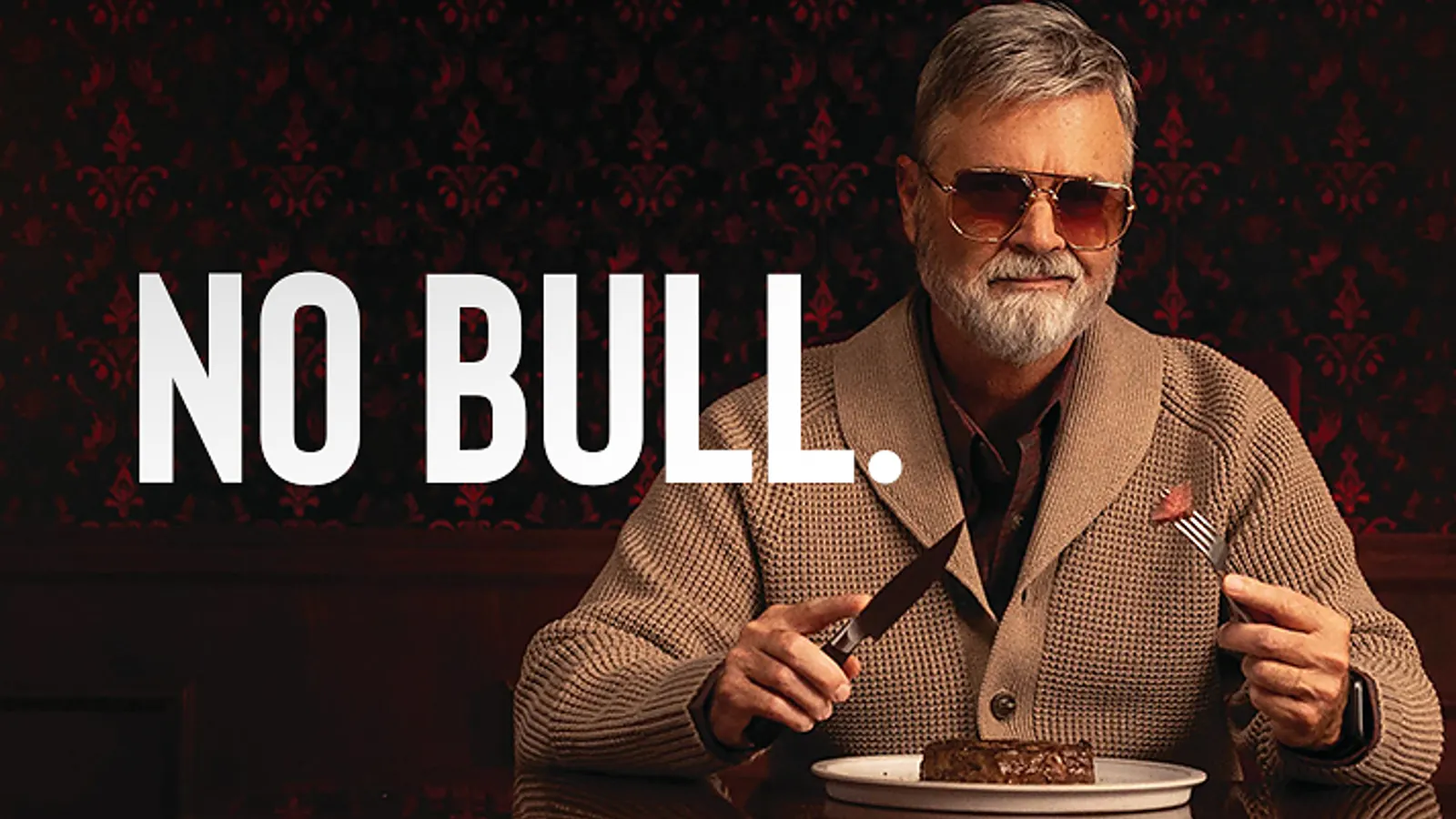
In a strategic move to secure loyalty among younger demographics and address growing consumer anxiety regarding food provenance, the company recently unveiled its "No Bull" brand platform. By stripping away industry jargon and leaning into radical transparency, Omaha Steaks is attempting to bridge the gap between its storied past and the demands of the modern, informed shopper.
Main Facts: The "No Bull" Shift
The "No Bull" initiative, launched in September, represents a fundamental departure from the marketing tactics that defined the brand for decades. Historically, Omaha Steaks relied on broad, sometimes nebulous descriptors such as "gourmet" or "premium." While these terms historically signaled quality, they have become increasingly ineffective in an era where consumers are bombarded with conflicting information regarding food sustainability, sourcing, and ethical standards.
The core of the platform is a direct, conversational, and transparent approach. The campaign is multi-channel, utilizing television, radio, YouTube, podcasts, and robust influencer partnerships to reach consumers where they live and consume media. The central premise is simple: the consumer is busy, and they no longer have the patience for marketing guesswork. By clearly defining what "quality" means—specifically, U.S.-sourced beef, rigorous aging processes, and the presence of professional, hand-cutting butchers—Omaha Steaks is betting that clarity will drive conversion.
Chronology of a Transformation
The current rebranding effort did not occur in a vacuum; it is the culmination of a broader strategic evolution that began in early 2025.
- Early 2025: Omaha Steaks initiates a massive logistics overhaul, successfully reducing average delivery times from over six days to approximately two, with same-day delivery now operational in nearly 50 markets. This established the operational foundation for a more customer-centric brand identity.
- June 2026: The brand launches "America’s Table," a campaign featuring actor Kevin Costner. This served as a bridge between the brand’s deep historical roots—showcasing the company’s presence through major historical touchpoints like the Great Depression and the first moon landing—and its future.
- September 2026: The "No Bull" platform is officially unveiled. This marked a shift from historical storytelling to a more aggressive, transparent, and direct communication style.
- Late September 2026: The brand reports a 46% increase in conversion rates and a 130% surge in social media mentions within just two weeks of the "No Bull" campaign launch, validating the pivot.
Supporting Data: Why Transparency Matters Now
The timing of this campaign is not coincidental. The U.S. meat industry is currently navigating a complex environment regarding transparency. Under current federal regulations, distributors are not required to disclose the country of origin for beef and pork products unless they voluntarily opt into the USDA’s "Product of USA" labeling.
Compounding this consumer uncertainty, the political landscape has introduced further volatility. The administration’s recent decision to facilitate the importation of 660 million pounds of lean beef trimmings via reduced tariffs has triggered significant debate among ranchers and consumers alike.
Omaha Steaks’ internal data indicated that for its core customer base, the origin of their meat is no longer a peripheral concern—it is a primary factor in the purchase decision. By proactively clarifying its commitment to U.S.-sourced beef, the brand is positioning itself as a reliable, transparent alternative in a market where consumers are increasingly wary of "hidden" imports and ambiguous supply chains.
The financial results of this strategy have been immediate. A 46% spike in conversion rate is an outlier in the current retail climate, suggesting that the "No Bull" message is successfully resonating with a demographic that feels alienated by overly corporate, opaque marketing.
Official Responses: Defining "Quality"
Senior Director of Growth Marketing, Angie Kubicek, has been the primary architect of this new tonal shift. In recent interviews, she has emphasized that the goal is not just to sell a product, but to establish a standard of communication.
"We have really kind of embraced this tonality of just being as clear and as direct as possible," Kubicek stated. "Consumers are busy and they don’t want to have to give you guesswork to understand what we mean when we are saying quality."
Kubicek clarifies that for Omaha Steaks, "quality" is a measurable metric rather than a marketing buzzword. It is defined by three pillars:
- Sourcing: A strict adherence to American-raised beef.
- Process: Professional, hand-cutting techniques that prioritize craft over mass-automation.
- Aging: A controlled, traditional aging process that ensures flavor and texture consistency.
"Now we’re making sure that when we say quality, it stands for something," Kubicek added. "There’s so much care and intentionality that goes behind how we bring our product to our customers, and so this campaign brings that forward."
Implications: The Future of Legacy Brands
The success of the "No Bull" campaign suggests several key implications for legacy companies operating in the 21st century:
1. The Death of Vague Marketing
Modern consumers, particularly Millennials and Gen Z, possess an almost innate ability to detect marketing fluff. The success of the "No Bull" initiative proves that brands do not need to invent new identities; they need to articulate their existing values with brutal honesty.
2. Balancing High-Tech and High-Touch
While Omaha Steaks is leveraging influencers and social media to capture younger eyeballs, they are not abandoning the tactics that built the company. Kubicek notes that direct mail remains a critical channel, specifically because it offers a "tangible, physical" experience that feels increasingly rare in an AI-dominated world. The ability to call a human representative remains a cornerstone of the brand’s loyalty strategy, proving that in a high-tech world, human connection is a premium service.
3. Operational Agility as a Marketing Tool
The reduction of delivery times is perhaps the most important "marketing" change the company made. By aligning their supply chain with modern e-commerce expectations (e.g., the "Amazon effect"), they have cleared the path for the marketing team to actually deliver on the promises made in their advertisements.
4. Navigating Political and Economic Headwinds
By taking a firm stance on U.S.-sourced products, Omaha Steaks is aligning itself with the "Buy American" sentiment that is currently dominating consumer discourse. This serves as a hedge against the price-driven volatility of imported beef trimmings. It is a strategic move to differentiate themselves from budget-focused grocery competitors who may be sacrificing provenance for lower costs.
Conclusion: A Legacy Reimagined
Omaha Steaks has successfully navigated the "middle-age" of its brand lifecycle by refusing to become a relic. By acknowledging that their traditional marketing was becoming stale and that their consumers were becoming more skeptical, they have created a platform that treats the customer as an intelligent partner in the process.
The "No Bull" campaign is more than just a catchy slogan; it is a declaration of intent. It acknowledges that the 109-year history of the company is an asset, but only if it is communicated in a language that speaks to the needs of 2026. As the company continues to refine its digital presence and logistics, the primary takeaway for other legacy brands is clear: the most effective way to build loyalty in an uncertain world is to stop talking at your customers and start being transparent with them.
The data confirms that when you remove the guesswork, the customer is far more likely to return. Omaha Steaks has effectively reminded the market that while the world changes, the appetite for a straightforward, quality-driven product remains a constant.
